Saltwater Sailfin Molly
Poecilia latipinna
Original price was: $19.99.$10.99Current price is: $10.99.
| Stock | Variations | Price | Quantity | |
|---|---|---|---|---|
| In Stock | Small - Captive Bred - Male - Indian Ocean | Original price was: $19.99.$10.99Current price is: $10.99. |
-
+
|
Every order ships with our standard 3-hour live arrival guarantee. Need more time? Add our 5-Day Guarantee at checkout.
Full guarantee terms →Ships Monday – Thursday for next-day arrival at your nearest FedEx Hold location — typically ready by 9 AM. We monitor every delivery.
Shipping details →
Monday – Friday 8 AM – 9 PM
Saturday 12 PM – 4 PM
Sunday 12 PM – 9 PM
Healthy, stable animals from vetted suppliers — inspected before packing, shipped overnight. Decades of experience built this model so we can deliver premium livestock at 30%+ less than you'd pay elsewhere.
| Care Level | Moderate |
|---|---|
| Temperament | Peaceful |
| Reef Safe | Yes |
| Functional Benefit | Algae Control |
| Diet Type | Omnivore |
| Mininum Tank Size | 30 gallons |
| Max Size | 5 inches |
| Temperature | 72–78°F |
| pH Range | 8.1–8.4 |
| Specific Gravity | 1.022–1.025 |
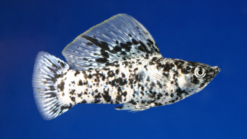
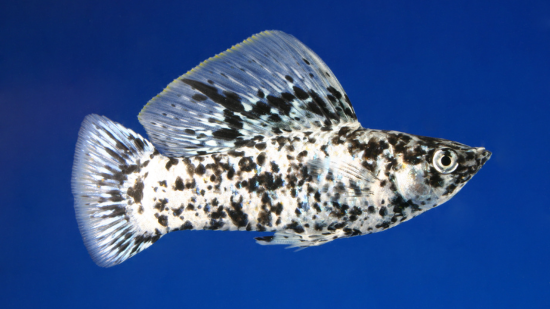
Saltwater Sailfin Mollies (Poecilia latipinna) are active, marine-tolerant livebearers often kept in reef tanks as constant grazers on film algae. Males show a tall “sail” dorsal fin and will regularly display it while cruising the rockwork and glass.
What You’ll Observe:
- Steady, day-long picking at the glass and rock surfaces between feedings
- Males flaring the dorsal fin during displays, especially around other fish
- Confident mid-to-upper water cruising with frequent loops back to the rocks
- Quick response to food, then returning to grazing behavior
- Occasional “shadowing” of tankmates as part of normal display behavior
For best results, provide a mix of open swimming room plus calmer, lower-flow areas where it can graze without getting pushed around. Offer a varied omnivore menu (algae-based foods plus small meaty items) so grazing stays supplemental, not the only intake. If your molly wasn’t already conditioned to full marine, a controlled, gradual salinity adjustment in a separate container tends to produce the most consistent transitions.
Do saltwater sailfin mollies need to be “converted,” or can they go straight into a reef?
If it’s sold as already marine-conditioned, match temperature and salinity and acclimate like other fish. If it’s coming from freshwater or brackish conditions, hobbyists commonly report better consistency with a gradual salinity transition.
Will they actually eat hair algae, or mostly just clean the glass?
Many keepers see them graze film algae and softer growth on glass and rocks most reliably. They still do best when you feed normally and treat algae grazing as a steady bonus.
Why is my molly “courting” or following other fish around?
Males use the sail fin for display and can direct that behavior at nearby fish. In many tanks this looks like persistent following and fin-flaring rather than true aggression.
Do they breed in full saltwater reef tanks?
Breeding is reported less consistently at full reef salinity than in freshwater/brackish setups. When fry do appear, they typically use rockwork and dense cover immediately.
Should I keep one, a pair, or a small group?
A small group often shows more natural interaction and more frequent fin displays. Many hobbyists prefer extra visual breaks/space so the fish can spread out their attention during displays.
Shipped with pure oxygen and temperature control so it arrives stress-free and ready to eat.
Recently viewed products