
Sea Goblin
Inimicus sinensis
| Stock | Variations | Price | Quantity |
|---|
Every order ships with our standard 3-hour live arrival guarantee. Need more time? Add our 5-Day Guarantee at checkout.
Full guarantee terms →Ships Monday – Thursday for next-day arrival at your nearest FedEx Hold location — typically ready by 9 AM. We monitor every delivery.
Shipping details →
Monday – Friday 8 AM – 9 PM
Saturday 12 PM – 4 PM
Sunday 12 PM – 9 PM
Healthy, stable animals from vetted suppliers — inspected before packing, shipped overnight. Decades of experience built this model so we can deliver premium livestock at 30%+ less than you'd pay elsewhere.
| Care Level | Expert |
|---|---|
| Temperament | Semi-Aggressive |
| Reef Safe | With Caution |
| Functional Benefit | Ornamental Only |
| Diet Type | Carnivore |
| Mininum Tank Size | 55 gallons |
| Max Size | 10 inches |
| Temperature | 72–78°F |
| pH Range | 8.1–8.4 |
| Specific Gravity | 1.022–1.025 |
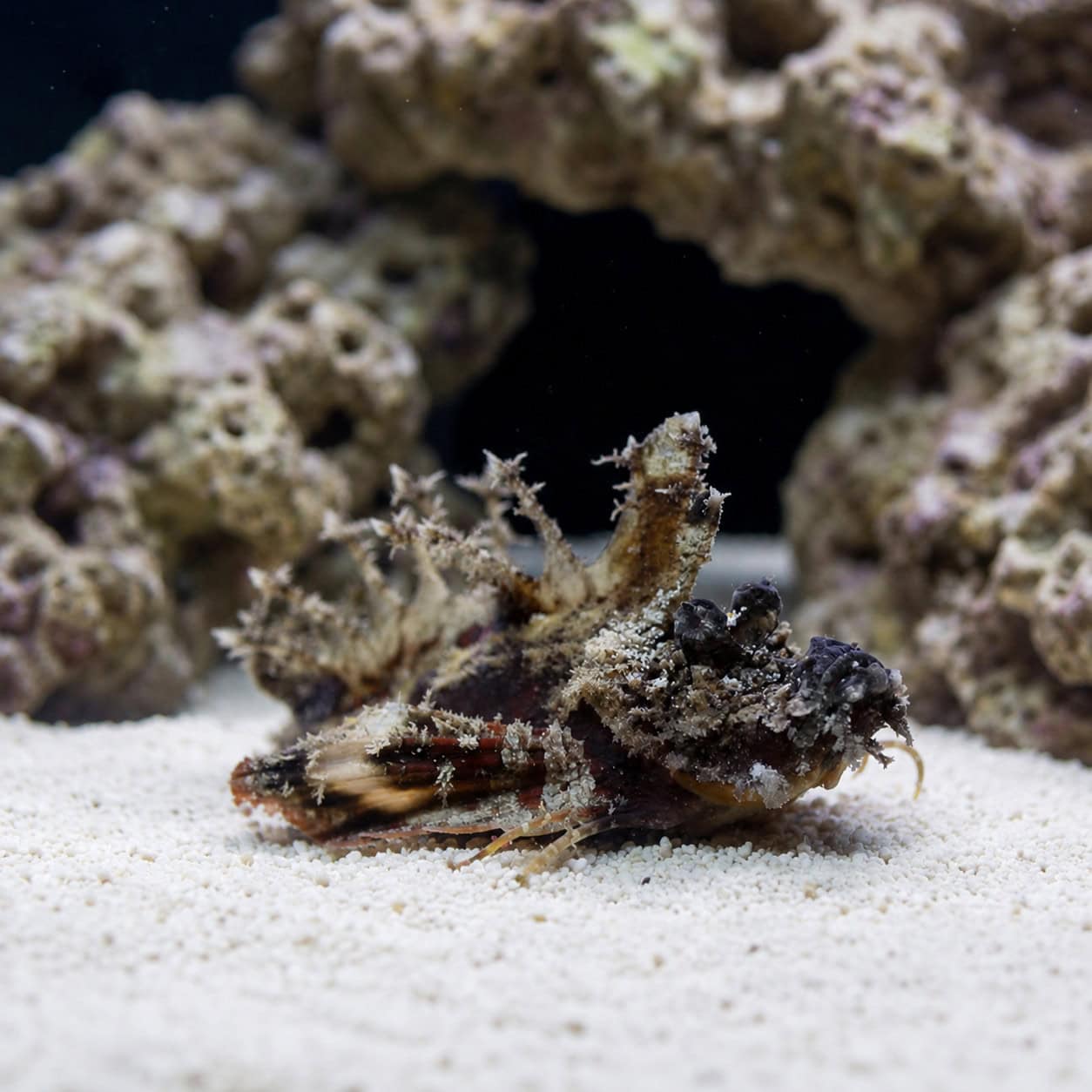
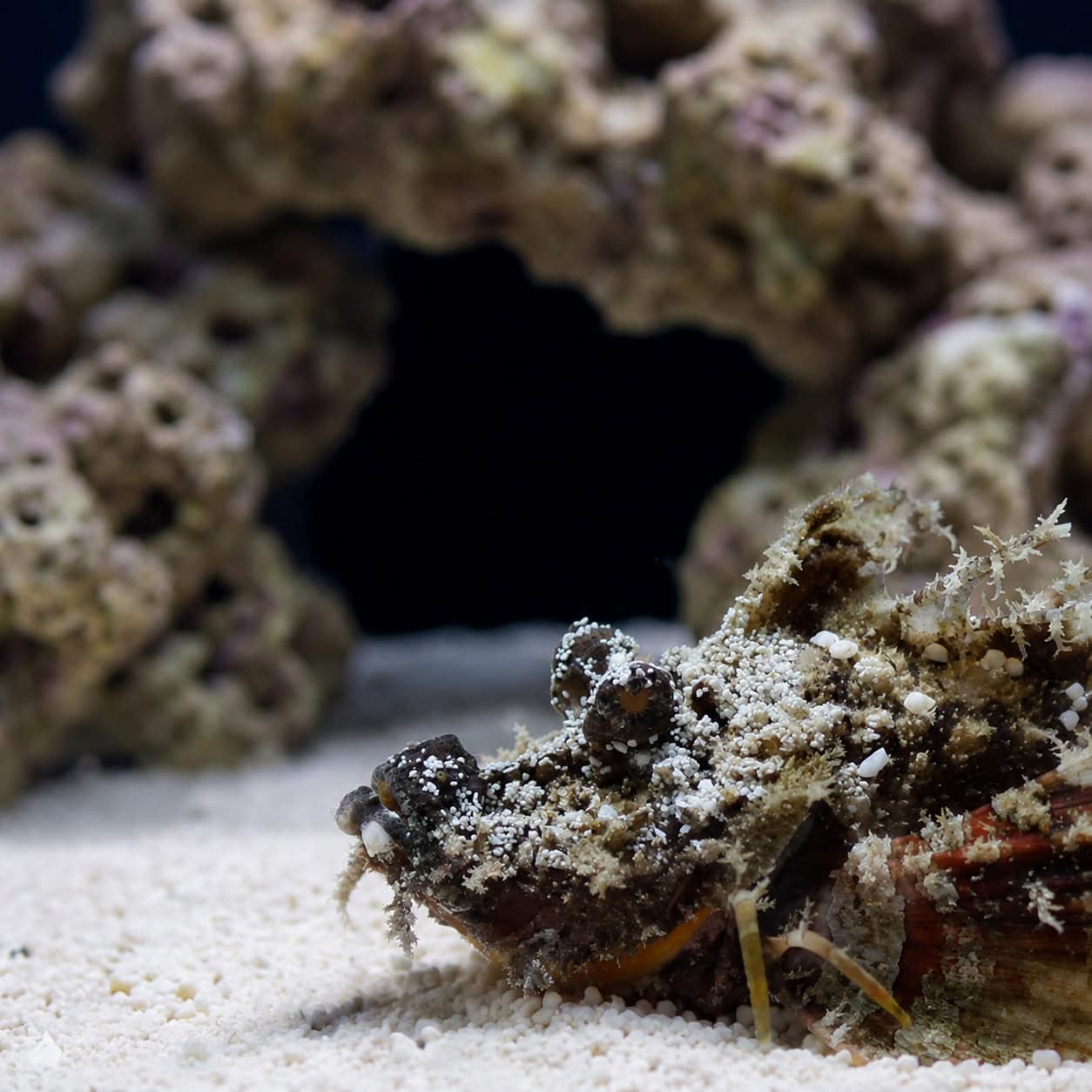
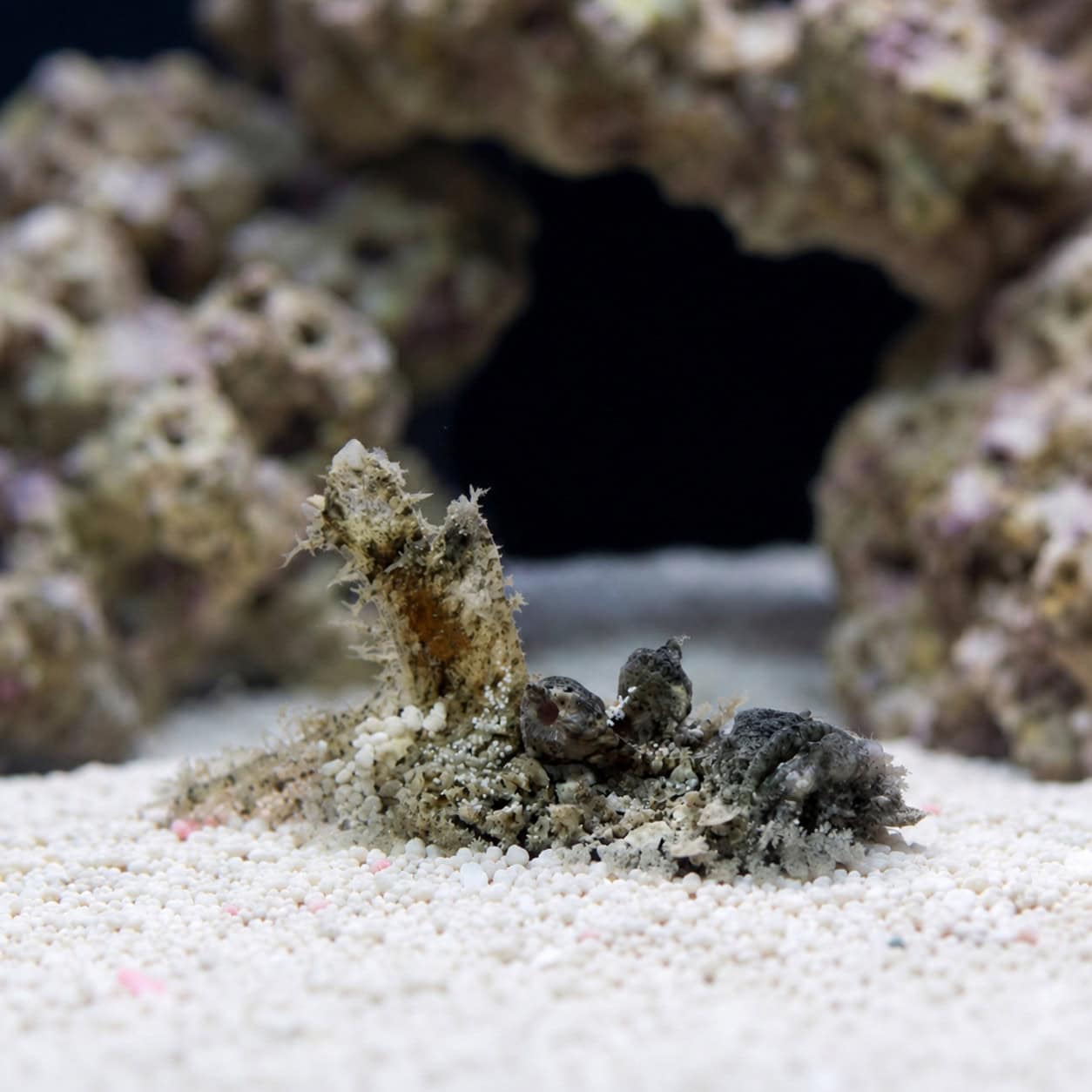
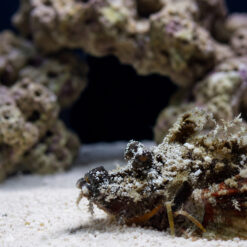
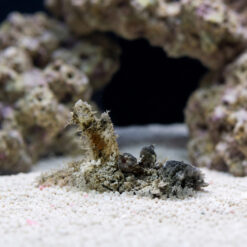
The Sea Goblin (Inimicus sinensis) is a bottom-dwelling stingerfish with a knobby, sand-colored body built for camouflage on open substrate. It often rests in place like a living rock, then shifts position using its modified fin rays to “walk” across the bottom.
What You’ll Observe:
- Settling into the sand with only the eyes and snout showing between meals
- Short “walking” movements across the substrate, followed by long resting periods
- More activity in lower light, with the fish holding the same ambush spot for hours
- A quick, direct feeding response once it recognizes a feeding tool
- Occasional fin displays when it’s repositioning or reacting to movement nearby
Provide a fine sand bed and open bottom space so it can perch, bury, and move comfortably. Offer small meaty marine foods (like thawed shrimp or fish flesh) using feeding tongs or a feeding stick so you can place food right where it sits. With steady routines and calm tank traffic, it settles in and becomes a consistent, easy-to-observe ambush feeder.
Do Sea Goblins ever jump out of the tank?
Some keepers report sudden jumps when startled, especially around light changes. A tight-fitting lid helps keep the fish contained while still allowing normal airflow and equipment access.
Will it eat frozen foods, or does it need live feeders long term?
Many can be transitioned to non-living foods over time by presenting food on a stick or tongs and keeping the offering consistent. Starting with a strongly scented item (like shrimp) often speeds up the transition.
How do I make sure it actually gets the food in a mixed tank?
Target-feeding works best—place the food within a few inches of the fish using tongs or a feeding stick. Feeding when the tank is calmer (often in lower light) also helps it focus on the offering.
Can I keep two Sea Goblins together?
Most hobbyists keep them singly. If attempted, it usually works best in a larger tank with a wide footprint and multiple separated sand “stations” so each fish can claim its own resting area.
What’s the safest way to do maintenance in a tank with one?
Plan your hand placement before working near the bottom, move slowly, and use tools for repositioning items near the fish. Many keepers treat it like a “hands-off” bottom resident and design the tank so routine tasks don’t require reaching into its resting zone.
Each fish is checked for strong appetite and activity before we approve it for your tank.
Recently viewed products