
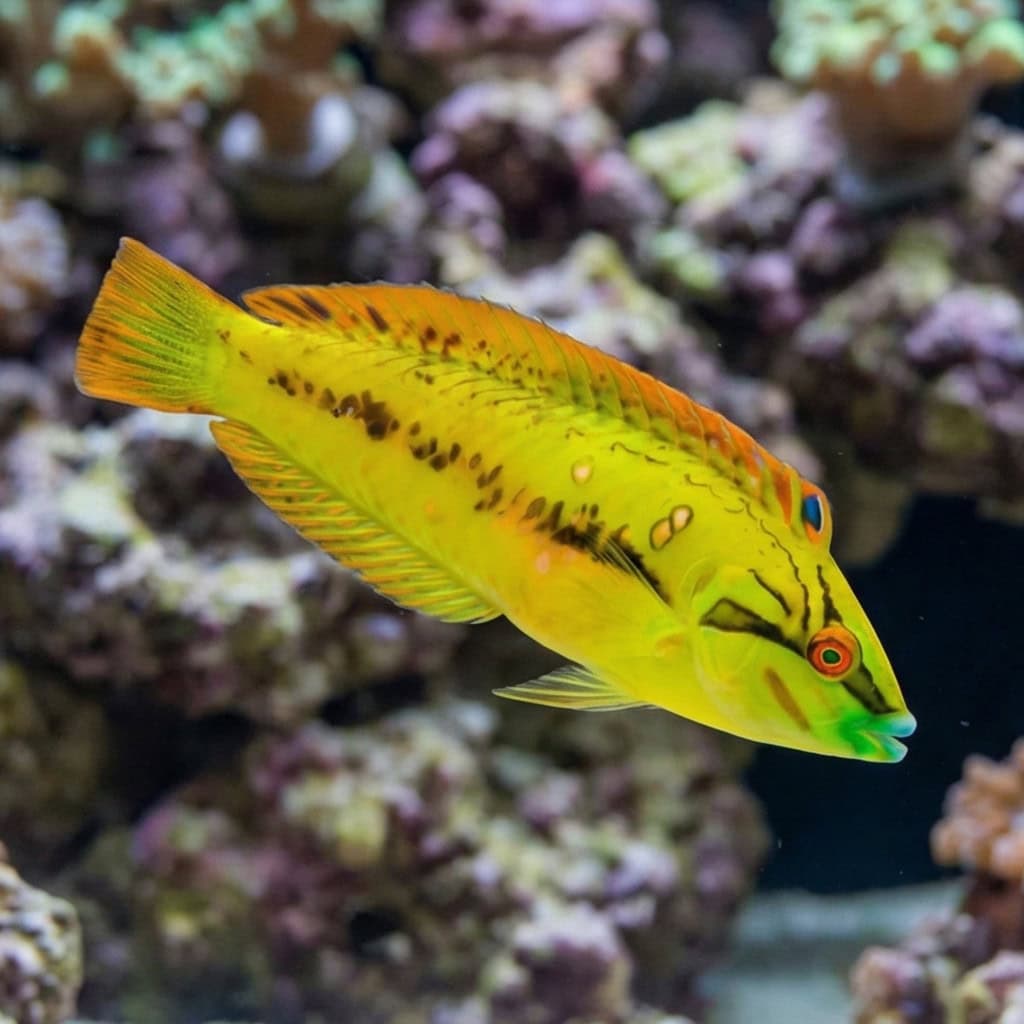
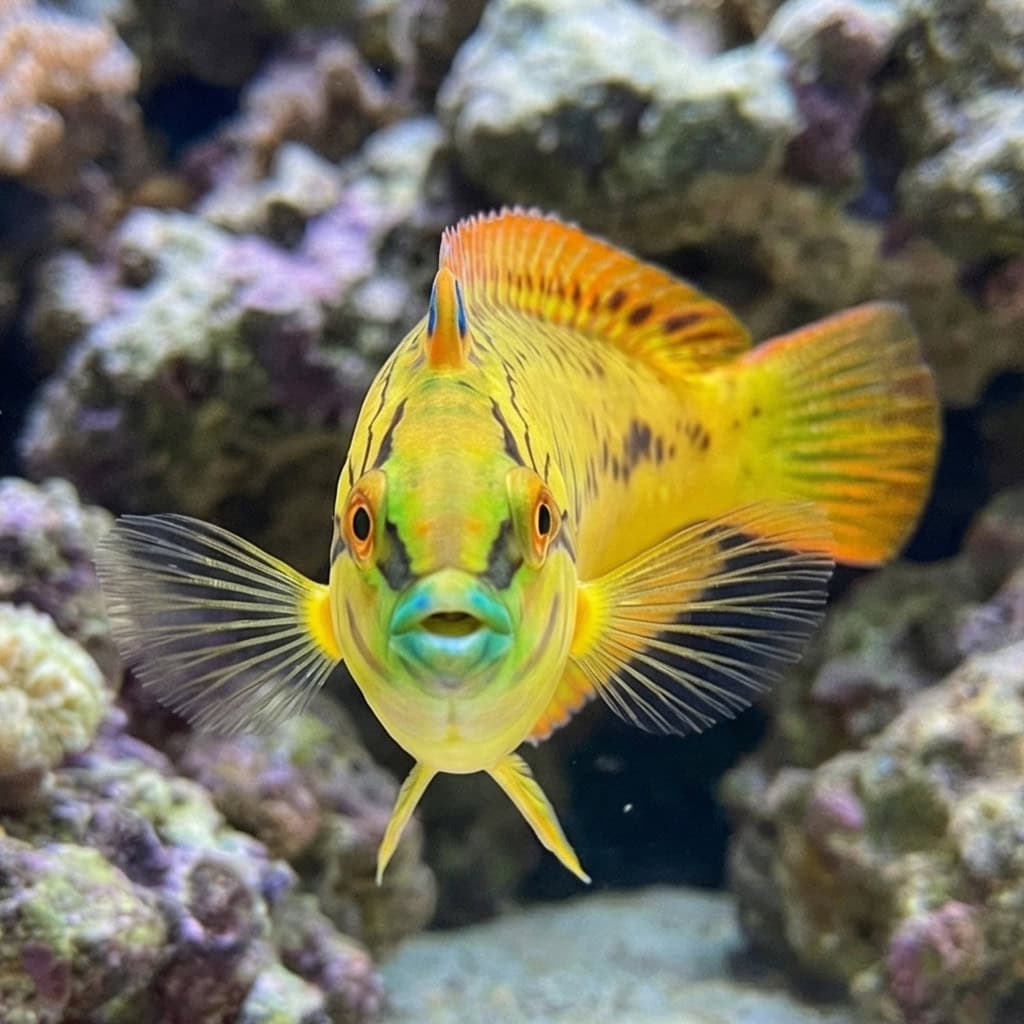
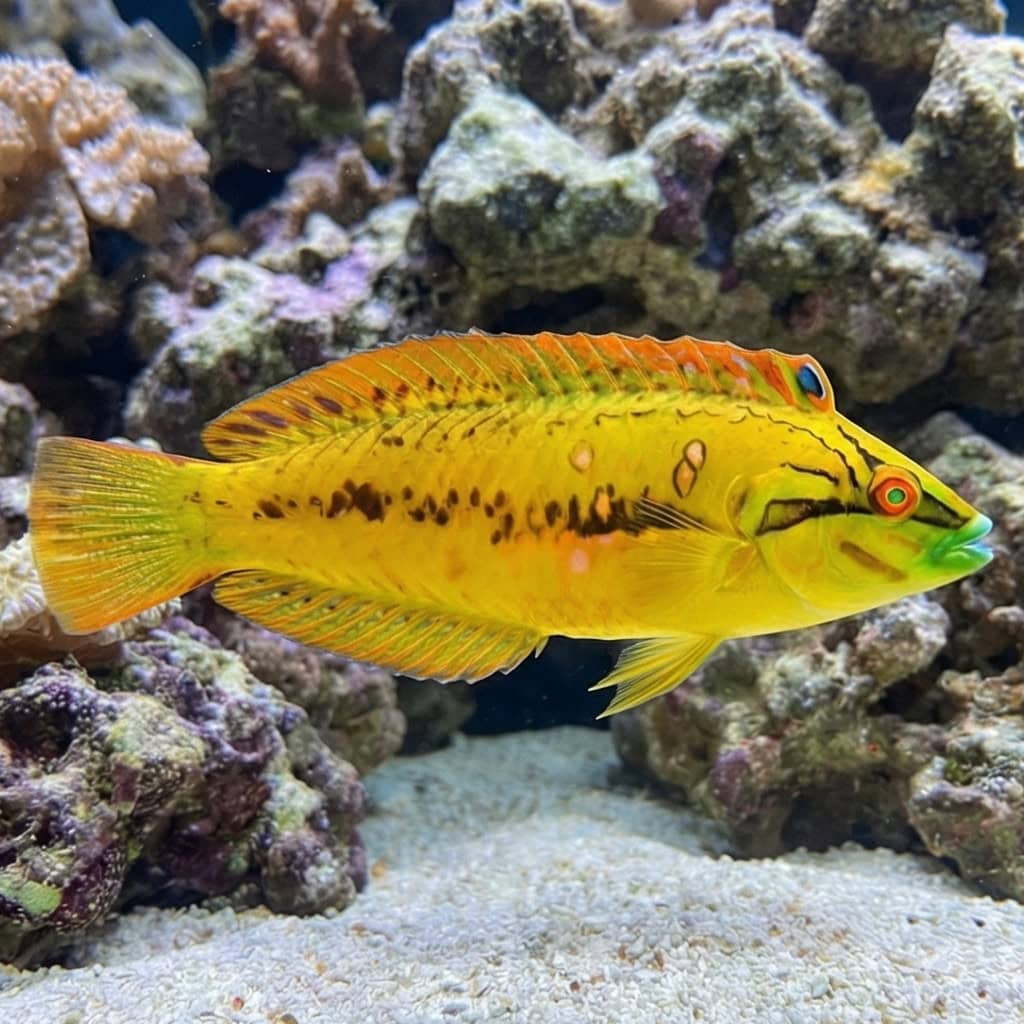
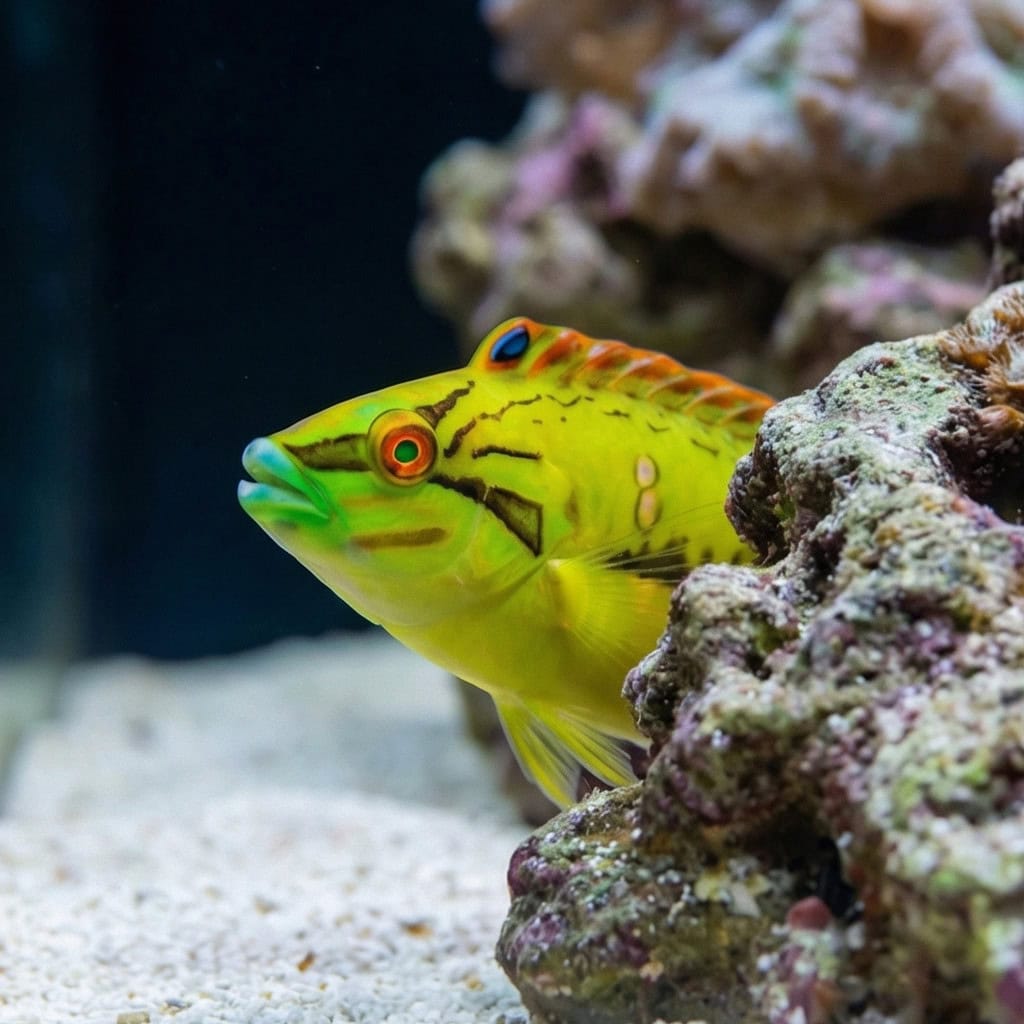
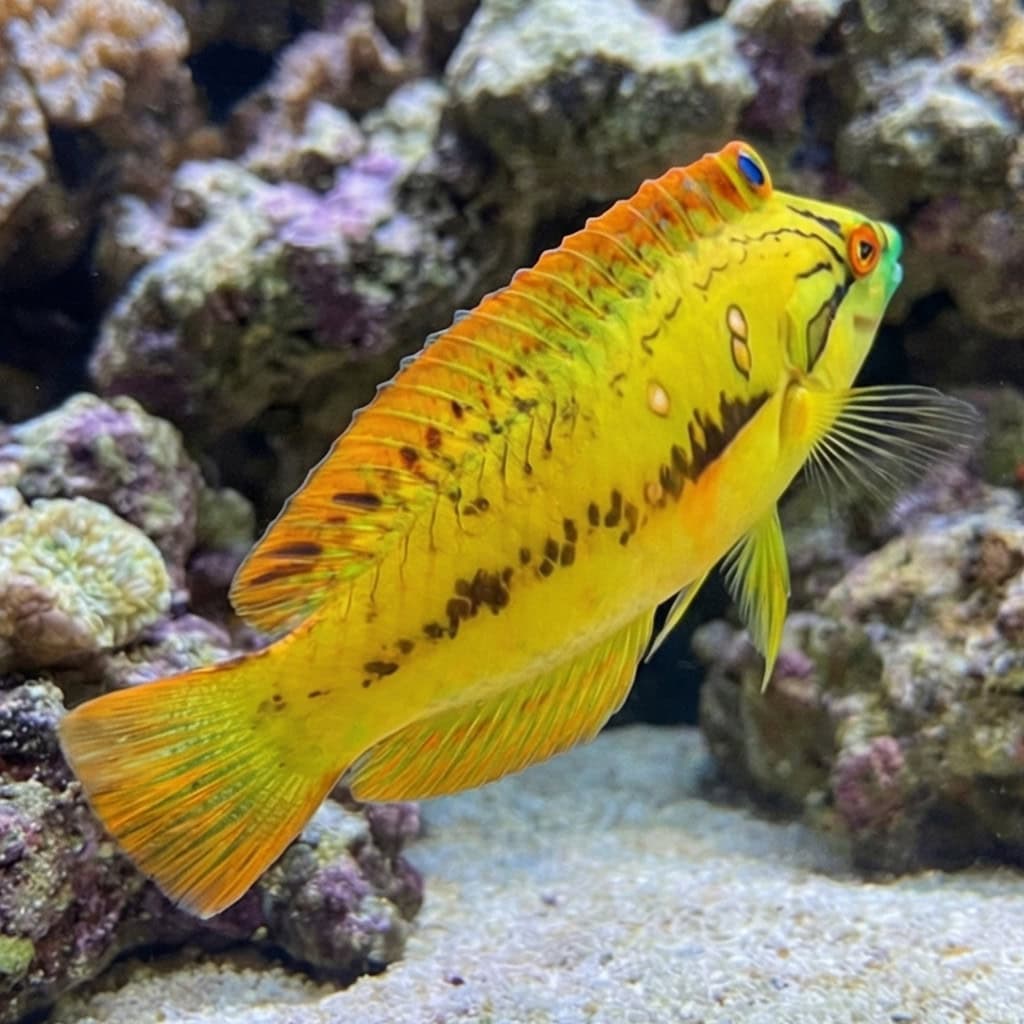
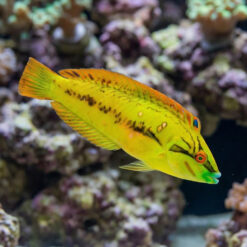
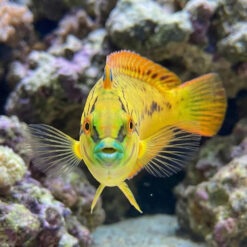
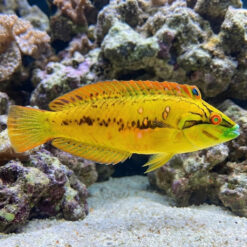
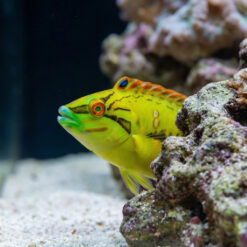
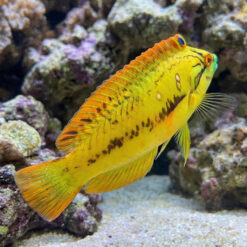
Sea Grass Wrasse
Novaculichthys macrolepidotus
Price range: $64.99 through $77.99
| Stock | Variations | Price | Quantity | |
|---|---|---|---|---|
| Only 7 left | 3.5 - 4.75" - Indo-Pacific | Original price was: $147.99.$77.99Current price is: $77.99. |
-
+
|
|
| Only 3 left | 2.25 - 3.5" - Indo-Pacific | Original price was: $122.99.$64.99Current price is: $64.99. |
-
+
|
|
| Out of Stock | 4.75" or larger - Indo-Pacific | Original price was: $171.99.$90.99Current price is: $90.99. | Email me |
Every order ships with our standard 3-hour live arrival guarantee. Need more time? Add our 5-Day Guarantee at checkout.
Full guarantee terms →Ships Monday – Thursday for next-day arrival at your nearest FedEx Hold location — typically ready by 9 AM. We monitor every delivery.
Shipping details →
Monday – Friday 8 AM – 9 PM
Saturday 12 PM – 4 PM
Sunday 12 PM – 9 PM
Healthy, stable animals from vetted suppliers — inspected before packing, shipped overnight. Decades of experience built this model so we can deliver premium livestock at 30%+ less than you'd pay elsewhere.
| Care Level | Moderate |
|---|---|
| Temperament | Semi-Aggressive |
| Reef Safe | With Caution |
| Functional Benefit | Ornamental Only |
| Diet Type | Carnivore |
| Mininum Tank Size | 70 gallons |
| Max Size | 6 inches |
| Temperature | 72–78°F |
| pH Range | 8.1–8.4 |
| Specific Gravity | 1.022–1.025 |
The Sea Grass Wrasse (Novaculichthys macrolepidotus) is a slender, grass-green wrasse that often drifts in the current like a loose blade of seagrass. It naturally occurs over sandy areas and seagrass beds in lagoons and mangrove zones across the Indian and western Pacific.
What You’ll Observe:
- A “leaf-like” drifting swim style, then quick bursts of speed when it decides to cruise
- Short, intentional dives into the sand at night or when startled, followed by a fast reappearance
- Foraging passes along the sand and rock edges, inspecting surfaces as it moves
- Color shifting between brighter green and more mottled tones depending on surroundings and lighting
Provide an established tank with open sand and stable rockwork, plus a fine sand zone it can dive into comfortably. Offer small meaty foods (like mysis, finely chopped seafood, and quality carnivore pellets) in consistent portions so it learns your feeding routine. A snug lid helps with normal wrasse “launch” behavior during sudden bursts of activity.
Is it normal for a Sea Grass Wrasse to bury itself and vanish for a day or two?
Yes—many keepers report periods where it stays buried longer, especially after moves, scaring events, or tank changes.
Why does mine drift sideways like a leaf instead of swimming normally?
That drifting is typical behavior and part of how it blends into seagrass-style habitats; it often switches between drifting and purposeful cruising.
Can the color change from bright green to brown or mottled over time?
Yes, subtle color shifts are commonly reported, and the fish may look different under various substrates, algae growth, and lighting.
How can I keep it from toppling loose frags and small rock pieces while it forages?
Mount frags securely (plug locked in, or glued) and place small rubble where it can’t be easily flipped; keep the main rock structure firmly seated on the bottom.
What’s the best way to get it eating prepared foods if it ignores the first few feedings?
Start with smaller, scentier frozen options (mysis/clam blends), feed in the same spot, and keep portions frequent and modest until it “locks in” to the schedule.
Each fish is checked for strong appetite and activity before we approve it for your tank.
Recently viewed products