
-
×
 1 × $37.99
 -
×
 Hidden Hermit Crab, Size Small
1 × $1.99
Hidden Hermit Crab, Size Small
1 × $1.99
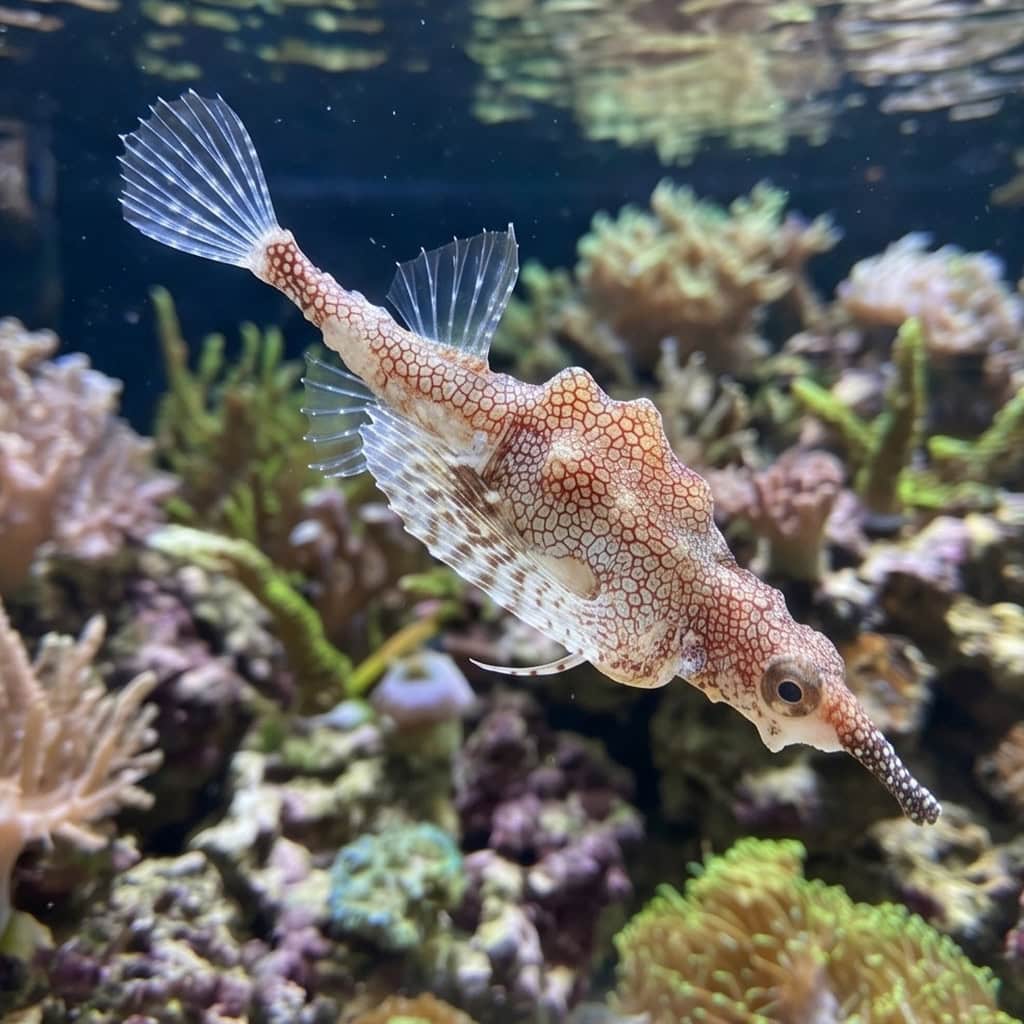

Short Dragonfish
Eurypegasus draconis
| Stock | Variations | Price | Quantity | |
|---|---|---|---|---|
| Out of Stock | 2.25 - 3.25" - Indo-Pacific | Original price was: $176.99.$92.99Current price is: $92.99. | Email me |
Arrives Alive. Guaranteed.
▼
Every order ships with our standard 3-hour live arrival guarantee. Need more time? Add our 5-Day Guarantee at checkout.
Full guarantee terms →
FedEx Overnight. Every Order.
▼
Ships Monday – Thursday for next-day arrival at your nearest FedEx Hold location — typically ready by 9 AM. We monitor every delivery.
Shipping details →
Real People. 7 Days a Week.
▼
Monday – Friday 8 AM – 9 PM
Saturday 12 PM – 4 PM
Sunday 12 PM – 9 PM
Phone
Chat
Email
Text
Contact us →
Aquarium-Ready Livestock
▼
Healthy, stable animals from vetted suppliers — inspected before packing, shipped overnight. Decades of experience built this model so we can deliver premium livestock at 30%+ less than you'd pay elsewhere.
| Care Level | Expert |
|---|---|
| Temperament | Peaceful |
| Reef Safe | Yes |
| Functional Benefit | Ornamental Only |
| Diet Type | Carnivore |
| Mininum Tank Size | 55 gallons |
| Max Size | 4 inches |
| Temperature | 74–80°F |
| pH Range | 8.1–8.4 |
| Specific Gravity | 1.022–1.025 |
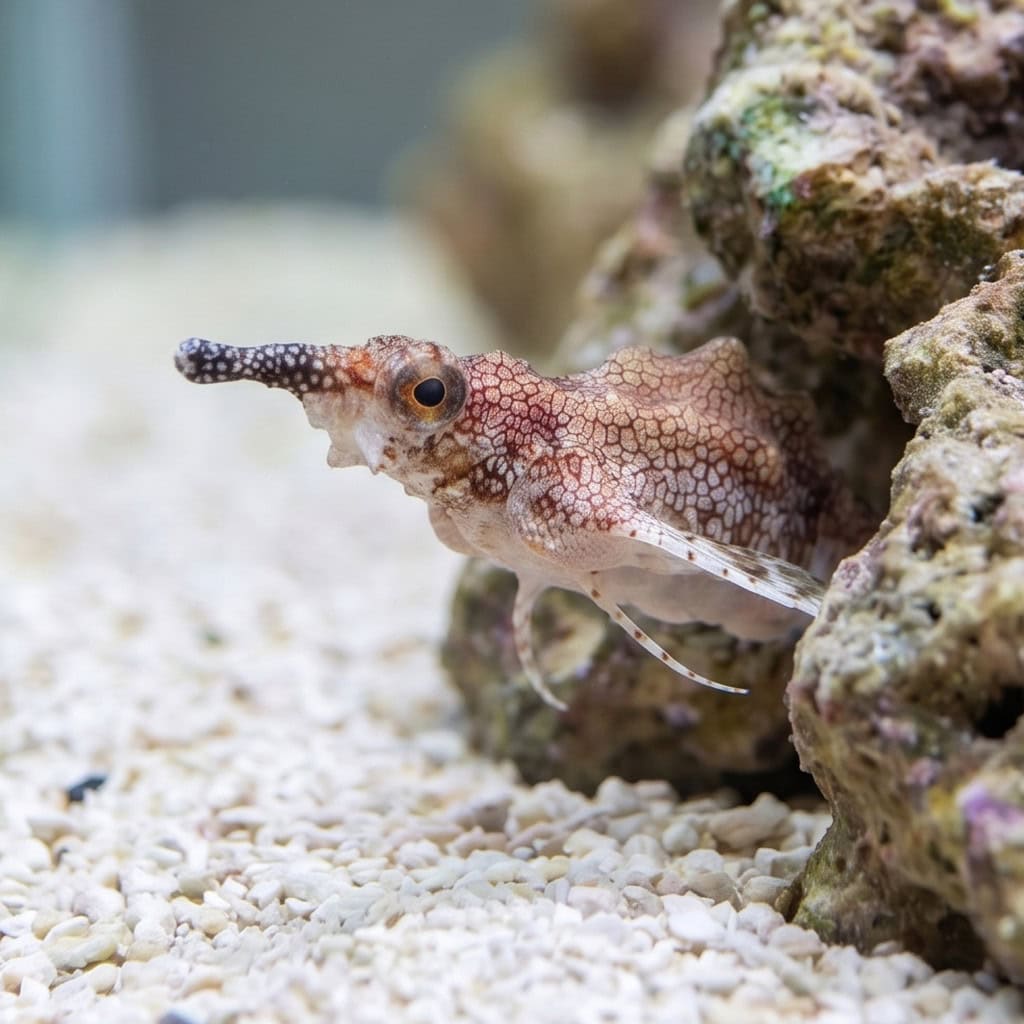
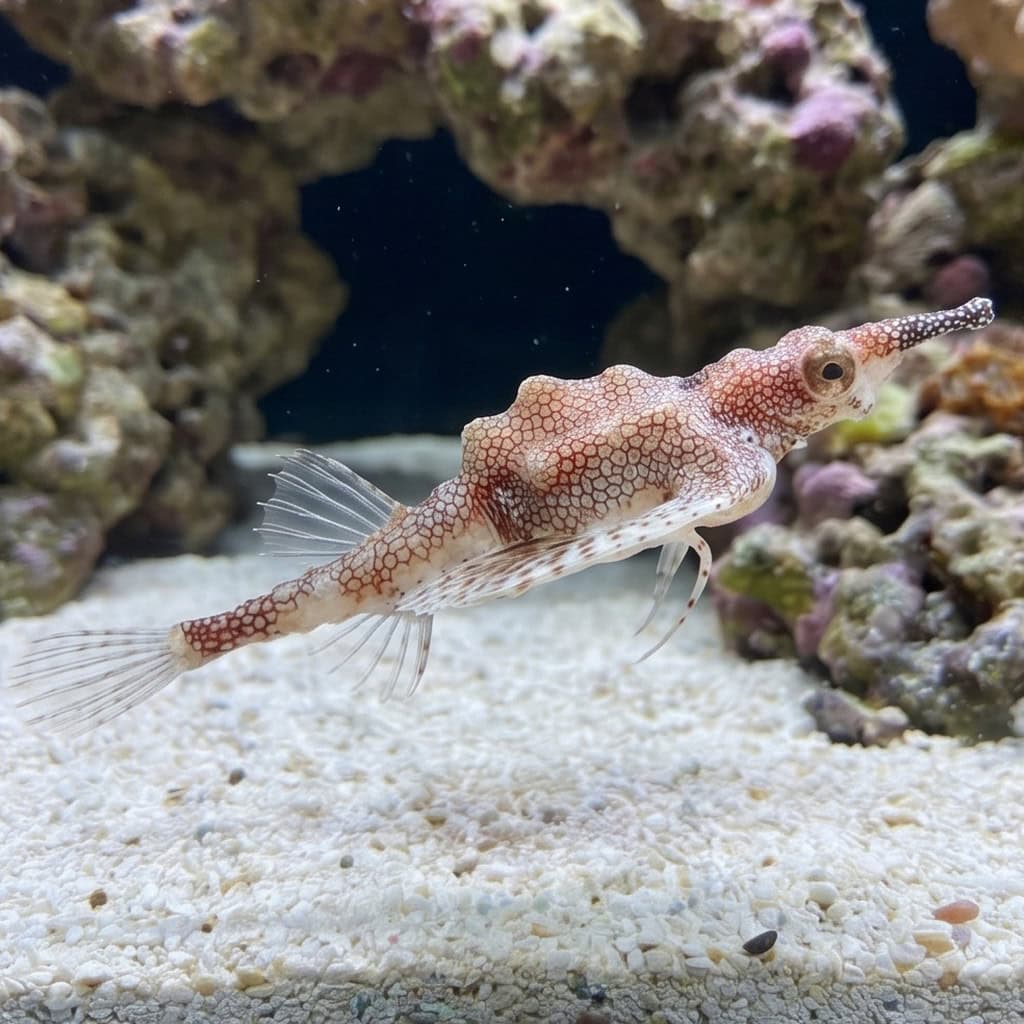
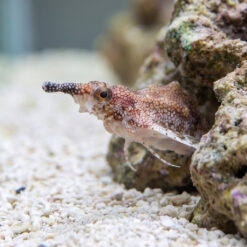
The Short Dragonfish (Eurypegasus draconis), also called a seamoth or dragon sea moth, is a small, bottom-dwelling fish with a flattened, armor-plated body and “wing-like” pectoral fins. It uses a long snout to pick tiny invertebrate prey from the sand and sediment surface, making it a distinctive choice for mature reef systems with open sand areas.
What You’ll Observe:
- “Walking” and gliding across the substrate, with short, deliberate movements
- Frequent pauses to scan the sand, then quick pecks at the bottom surface
- A preference for open lanes of sand with nearby low rock edges for cover breaks
- Pair-oriented behavior in calm setups, with two individuals staying close together
Provide a well-established aquarium with a mature sand bed and steady populations of small live foods (pods and other micro-crustaceans). Offer multiple small feedings in the same “feeding zone” so the fish learns where food appears, and keep tankmates calm and non-competitive around the bottom.
Is it normal for a Short Dragonfish to “molt” or shed a skin-like layer?
Yes—seamoths are known for periodically shedding their outer covering in one piece, and keepers often notice a sudden “fresh” look afterward.
Can they be trained onto frozen foods?
Some hobbyists report better results by starting with live foods and then mixing in small frozen items in a dish or target-fed spot so the fish associates one location with feeding.
Do they do better with open sand, rockwork, or macroalgae-style habitats?
Most discussions point to open, mature substrate being important for natural foraging, while adding low structure (and calm flow) helps them settle and move confidently.
Why do stores sometimes label them as “dragonets” or “mandarins”?
They’re not Synchiropus dragonets; they’re seamoths (family Pegasidae), and the similar bottom-foraging look leads to frequent mislabeling.
Should I keep one or a pair?
Pairs are commonly observed in the wild and in aquaria; if you try two, introduce them together and keep the environment calm so they can settle into close-pair behavior.
We work with trusted suppliers who keep our specimens healthy and well-fed before shipping.
Recently viewed products
Out of stock
Short Dragonfish (Eurypegasus draconis)
Starting at: $45.99
This product has multiple variants. The options may be chosen on the product page