
-
×
 Devil's Hand Leather Coral, Size Medium
1 × $77.99
Devil's Hand Leather Coral, Size Medium
1 × $77.99


Short Tail Bristletooth Tang
Ctenochaetus cyanocheilus
Original price was: $122.99.$64.99Current price is: $64.99.
| Stock | Variations | Price | Quantity | |
|---|---|---|---|---|
| Out of Stock | 1.25 - 1.75" - Indo-Pacific | Original price was: $98.99.$51.99Current price is: $51.99. | Email me | |
| Only 6 left | 1.75 - 2.75" - Indo-Pacific | Original price was: $122.99.$64.99Current price is: $64.99. |
-
+
|
Arrives Alive. Guaranteed.
▼
Every order ships with our standard 3-hour live arrival guarantee. Need more time? Add our 5-Day Guarantee at checkout.
Full guarantee terms →
FedEx Overnight. Every Order.
▼
Ships Monday – Thursday for next-day arrival at your nearest FedEx Hold location — typically ready by 9 AM. We monitor every delivery.
Shipping details →
Real People. 7 Days a Week.
▼
Monday – Friday 8 AM – 9 PM
Saturday 12 PM – 4 PM
Sunday 12 PM – 9 PM
Phone
Chat
Email
Text
Contact us →
Aquarium-Ready Livestock
▼
Healthy, stable animals from vetted suppliers — inspected before packing, shipped overnight. Decades of experience built this model so we can deliver premium livestock at 30%+ less than you'd pay elsewhere.
| Care Level | Moderate |
|---|---|
| Temperament | Semi-Aggressive |
| Reef Safe | Yes |
| Functional Benefit | Detritus Cleanup |
| Diet Type | Herbivore |
| Mininum Tank Size | 70 gallons |
| Max Size | 6 inches |
| Temperature | 72–78°F |
| pH Range | 8.1–8.4 |
| Specific Gravity | 1.022–1.025 |
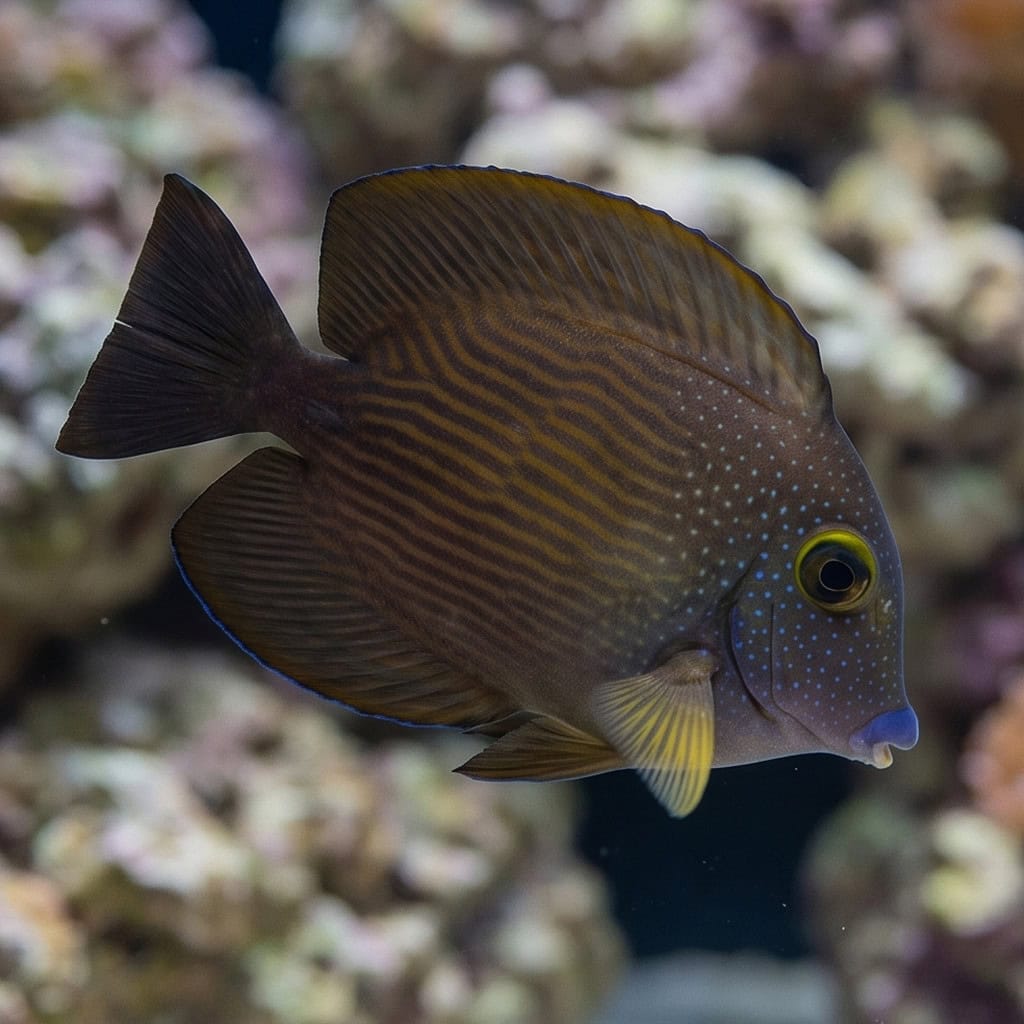
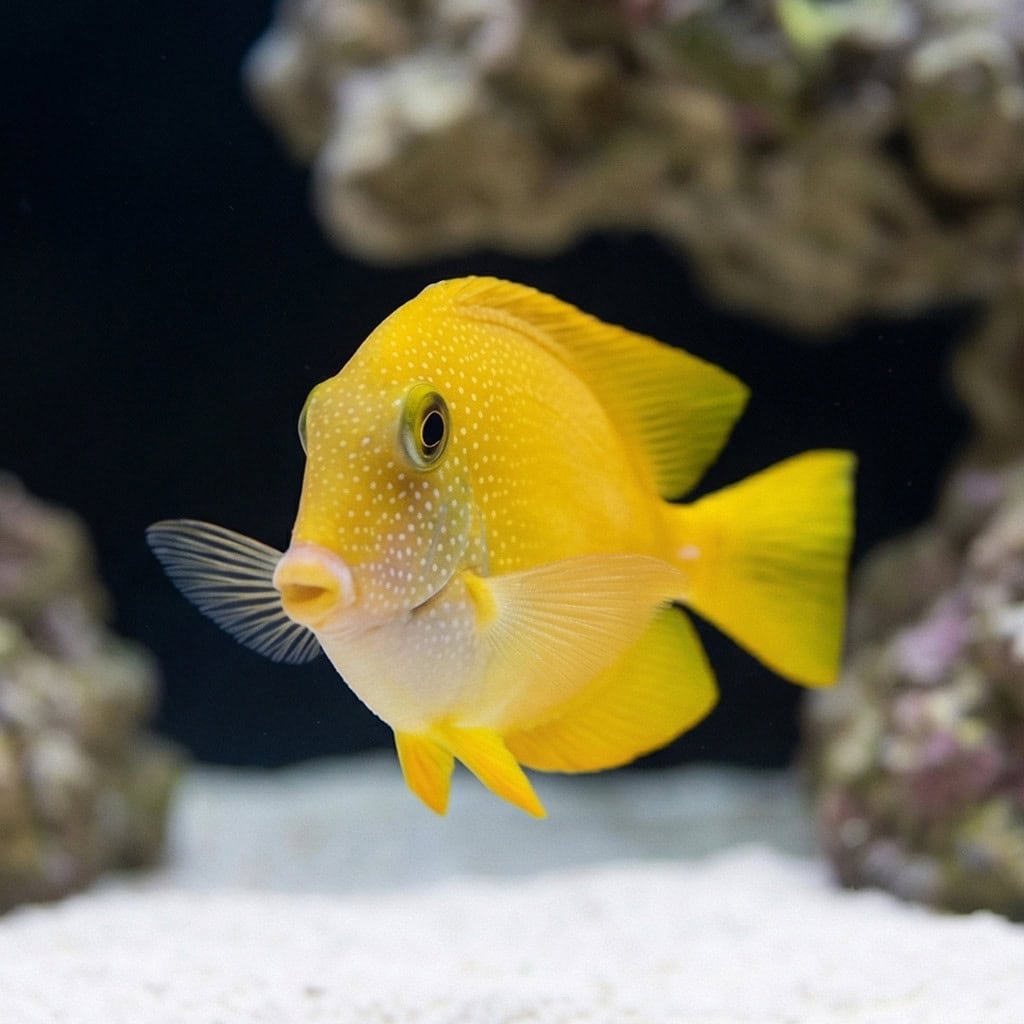
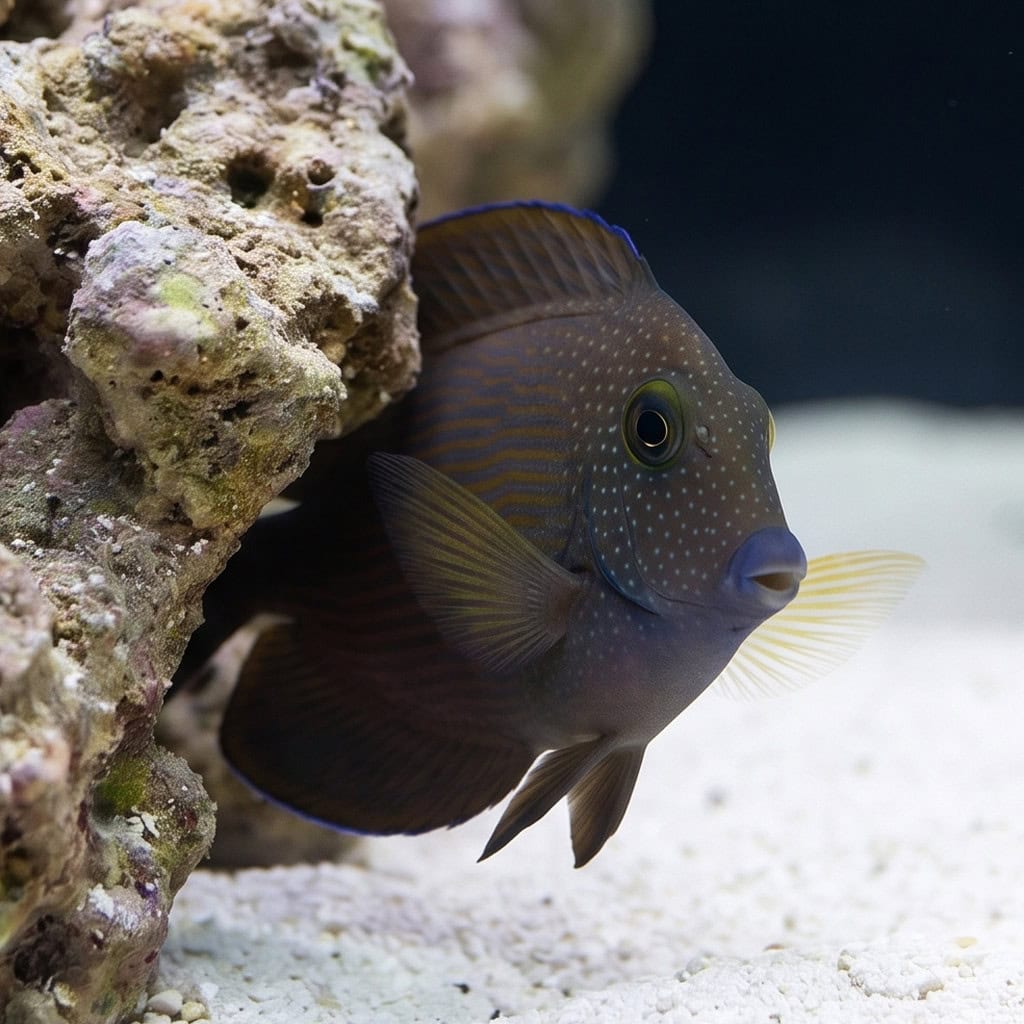
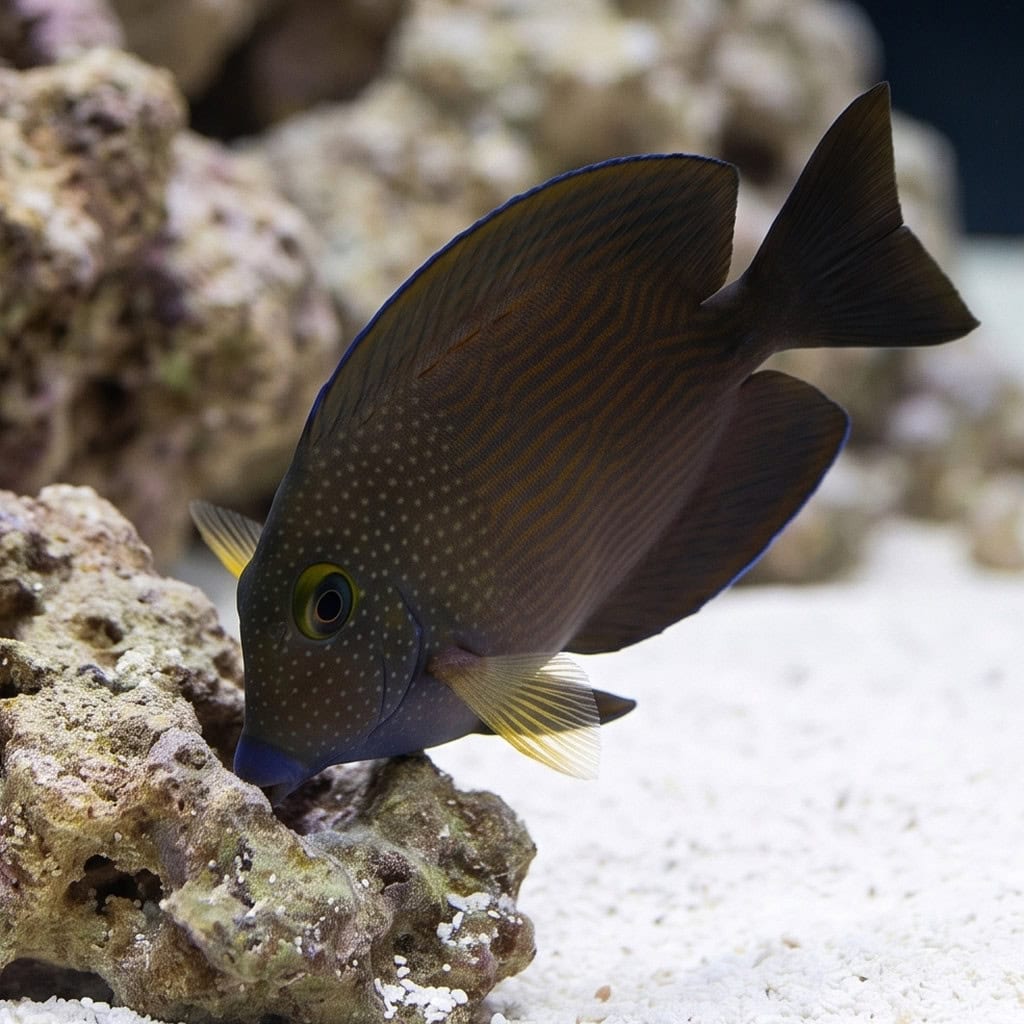
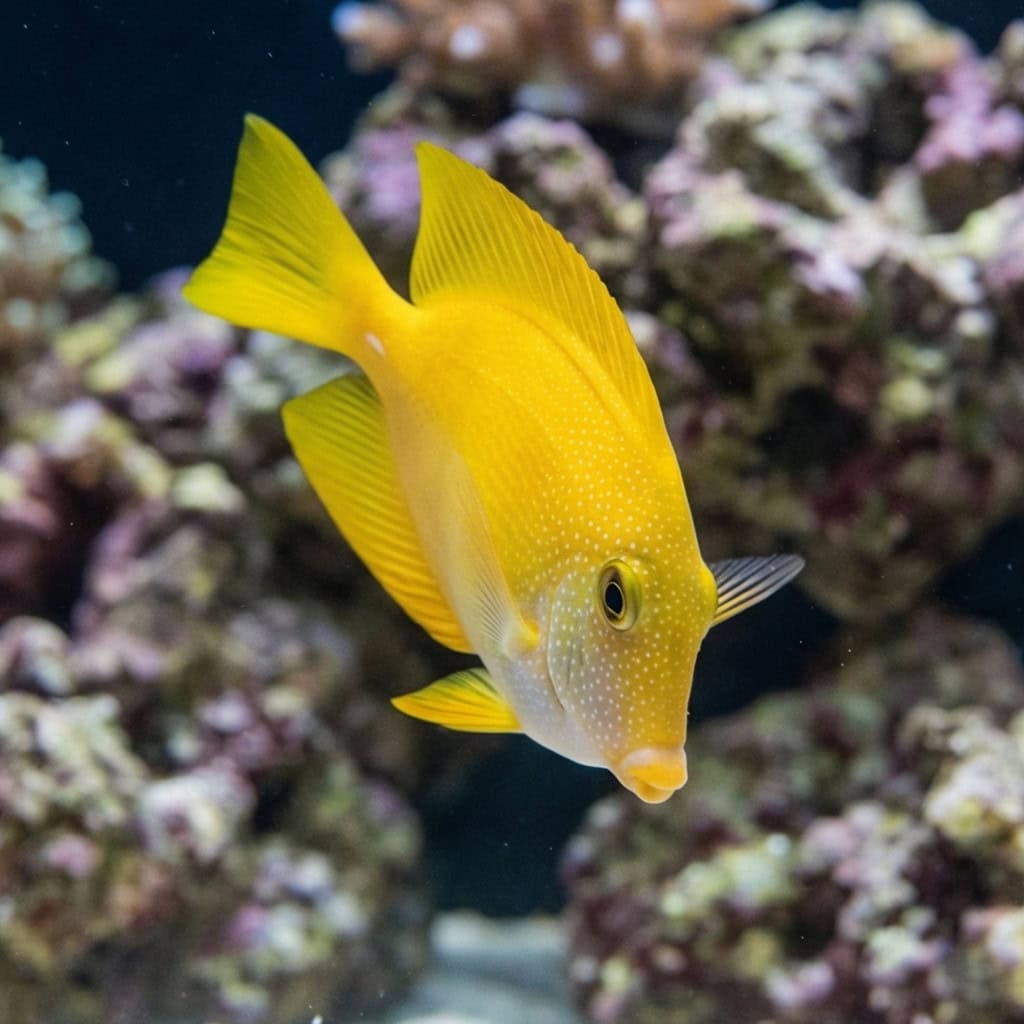
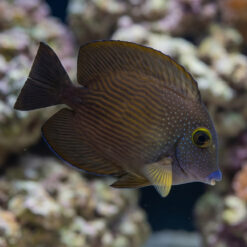
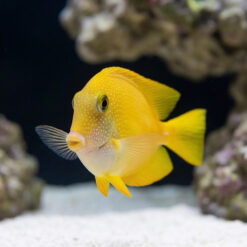
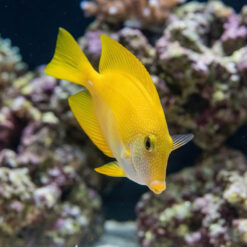
The Short Tail Bristletooth Tang is a constant grazer that helps tidy rock and glass by picking at film algae and detritus. Adults show an orange-brown base color with fine blue-gray lines, yellow speckling toward the head, and a yellow ring around the eye with a blue-tinted mouth. Juveniles are often a brighter yellow before shifting into adult patterning.
What You’ll Observe:
- Steady “peck-and-move” grazing routes across rockwork, overflows, and the aquarium glass
- Short bursts of swimming between grazing spots, then returning to the same feeding lanes
- Extra attention to shaded surfaces and high-flow areas where fine films collect
- Noticeable shifts in contrast and pattern visibility depending on lighting and activity
Provide a well-established tank with plenty of live rock surfaces to browse and open lanes to cruise. Offer dried seaweed along with herbivore pellets/flakes, and mix in small meaty foods occasionally for variety. Keeping feeding options available in more than one spot helps it stay engaged at mealtime in active community reefs.
Does it always eat nori right away?
Some individuals recognize sheet algae quickly, while others focus on natural film first; keeping a small piece available daily helps it learn the “new” food source over time.
What kind of algae does it usually target?
Bristletooth tangs are best known for grazing fine films and buildup on hard surfaces rather than acting like a “lawnmower” for long strands.
Will it bother decorative macroalgae?
It may sample softer pieces and can knock fronds loose while grazing nearby, but many keepers find attached, well-anchored macro holds up better in tang tanks.
How do I add it if I already have other tangs?
Introducing it when the aquascape has multiple grazing zones and sight breaks helps it establish a routine quickly; adding it with similar-temperament fish reduces day-to-day chasing.
Why did its color change from bright yellow to brown?
Juveniles often start much brighter and then transition as they mature; day-to-day lighting and activity can also make the blue striping and yellow speckling show more or less.
Each fish is checked for strong appetite and activity before we approve it for your tank.
Recently viewed products
Short Tail Bristletooth Tang (Ctenochaetus cyanocheilus)
Starting at: $64.99
This product has multiple variants. The options may be chosen on the product page