
Thompson’s Tang
Acanthurus thompsoni
| Stock | Variations | Price | Quantity | |
|---|---|---|---|---|
| Out of Stock | 1.75 - 2.75" - Indo-Pacific | Original price was: $171.99.$90.99Current price is: $90.99. | Email me |
Every order ships with our standard 3-hour live arrival guarantee. Need more time? Add our 5-Day Guarantee at checkout.
Full guarantee terms →Ships Monday – Thursday for next-day arrival at your nearest FedEx Hold location — typically ready by 9 AM. We monitor every delivery.
Shipping details →
Monday – Friday 8 AM – 9 PM
Saturday 12 PM – 4 PM
Sunday 12 PM – 9 PM
Healthy, stable animals from vetted suppliers — inspected before packing, shipped overnight. Decades of experience built this model so we can deliver premium livestock at 30%+ less than you'd pay elsewhere.
| Care Level | Moderate |
|---|---|
| Temperament | Peaceful |
| Reef Safe | Yes |
| Functional Benefit | Ornamental Only |
| Diet Type | Omnivore |
| Mininum Tank Size | 250 gallons |
| Max Size | 12 inches |
| Temperature | 72–78°F |
| pH Range | 8.1–8.4 |
| Specific Gravity | 1.022–1.025 |
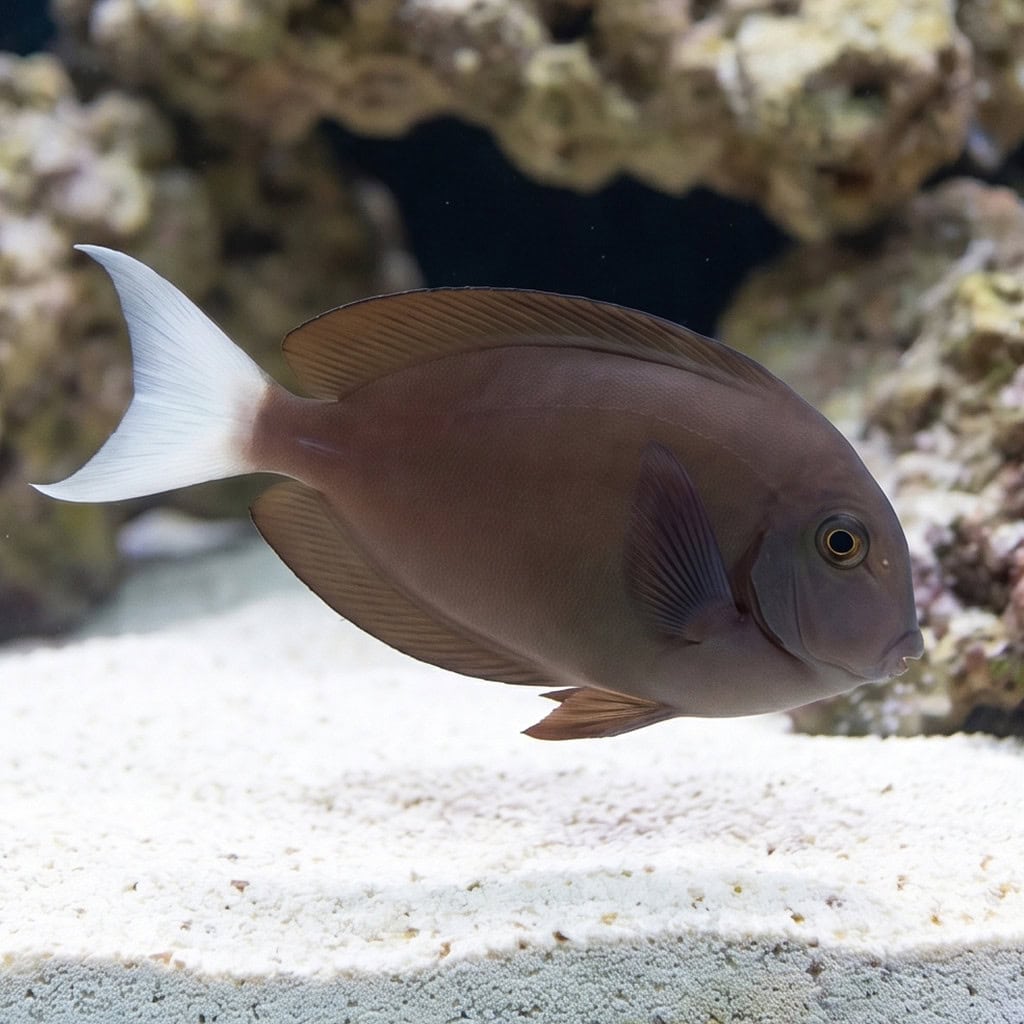
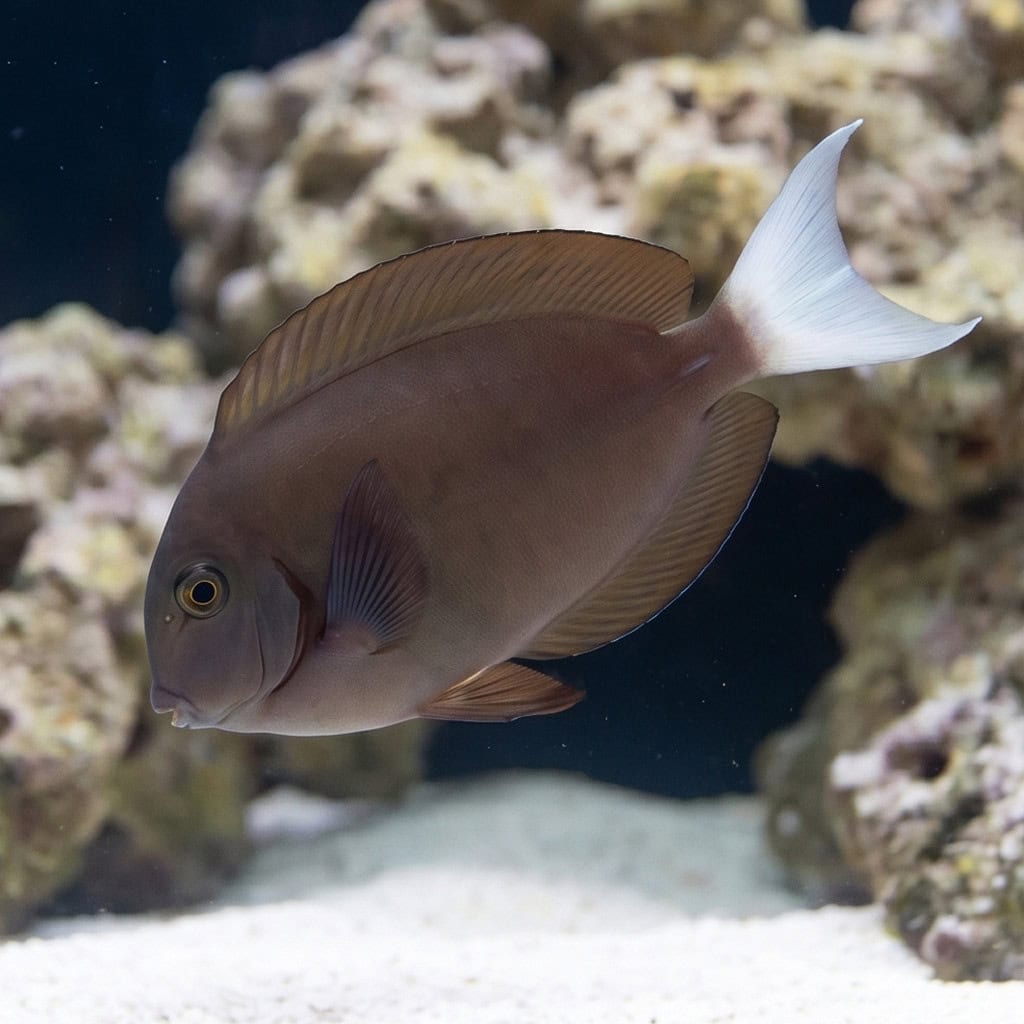
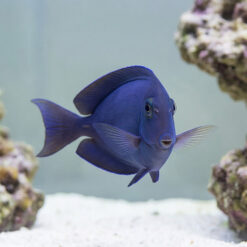
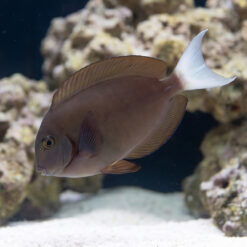
Thompson’s Tang (Acanthurus thompsoni) is a plankton-eating surgeonfish with a dark brown-to-purple body, pale yellow highlights along the fins, and a contrasting light tail. In the wild it’s associated with steep outer reef slopes and drop-offs, where it moves through open water over coral and sand.
What You’ll Observe:
- Long, steady laps through the open water, then quick passes close to the rockwork
- A fish that becomes noticeably more active at feeding time and learns the daily routine
- Color that can look darker or lighter depending on lighting and as it settles in
- More “cruising” behavior than hovering—often choosing a consistent route through the tank
Provide open swimming lanes plus strong water movement and aeration to match its natural, high-energy habitat. For best results, offer a varied menu with multiple small feedings and include both meaty plankton-style foods and marine algae-based options so it stays in strong condition.
Why does my Thompson’s Tang look darker (or the tail looks less “white”) than photos online?
Color can shift with lighting, mood, and as the fish acclimates. Some hobbyists also report noticeable differences between individuals that resemble regional variation.
How can I tell a Thompson’s Tang apart from similar “whitetail” Acanthurus (like ringtail/yellowfin-type tangs) at the store?
Many are sold under mixed common names, so compare overall body shape and fin/tail pattern rather than relying on a label alone. If possible, confirm the scientific name from the supplier before purchase.
Is it normal for this tang to spend a lot of time in the water column instead of constantly picking at rocks?
Yes—this species is commonly described as a more open-water cruiser compared to many rock-grazing tangs, while still making regular passes near the rockwork.
My Thompson’s Tang rushes frozen foods but ignores algae sheets at first—does that usually change?
Often, yes. Once it recognizes algae sheets as food, many tangs begin to graze them more consistently as part of their routine.
Should I add this tang before or after other tangs in a mixed-tang system?
Many keepers plan tang additions around reducing “newcomer pressure,” especially when similar-shaped fish are already established. Introducing with a thoughtful order (and plenty of space/structure) tends to produce smoother long-term behavior.
Each fish is checked for strong appetite and activity before we approve it for your tank.
Only logged in customers who have purchased this product may leave a review.
Recently viewed products
Reviews
There are no reviews yet.