
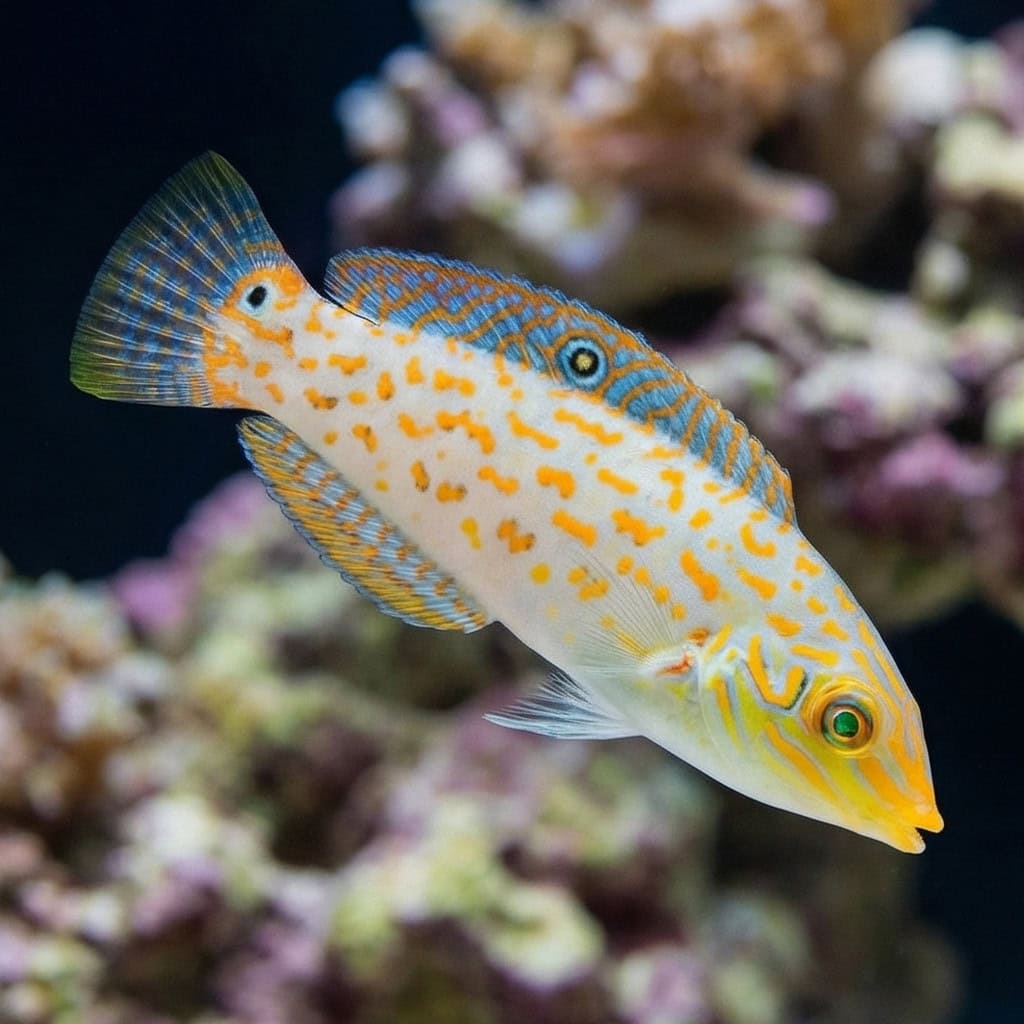
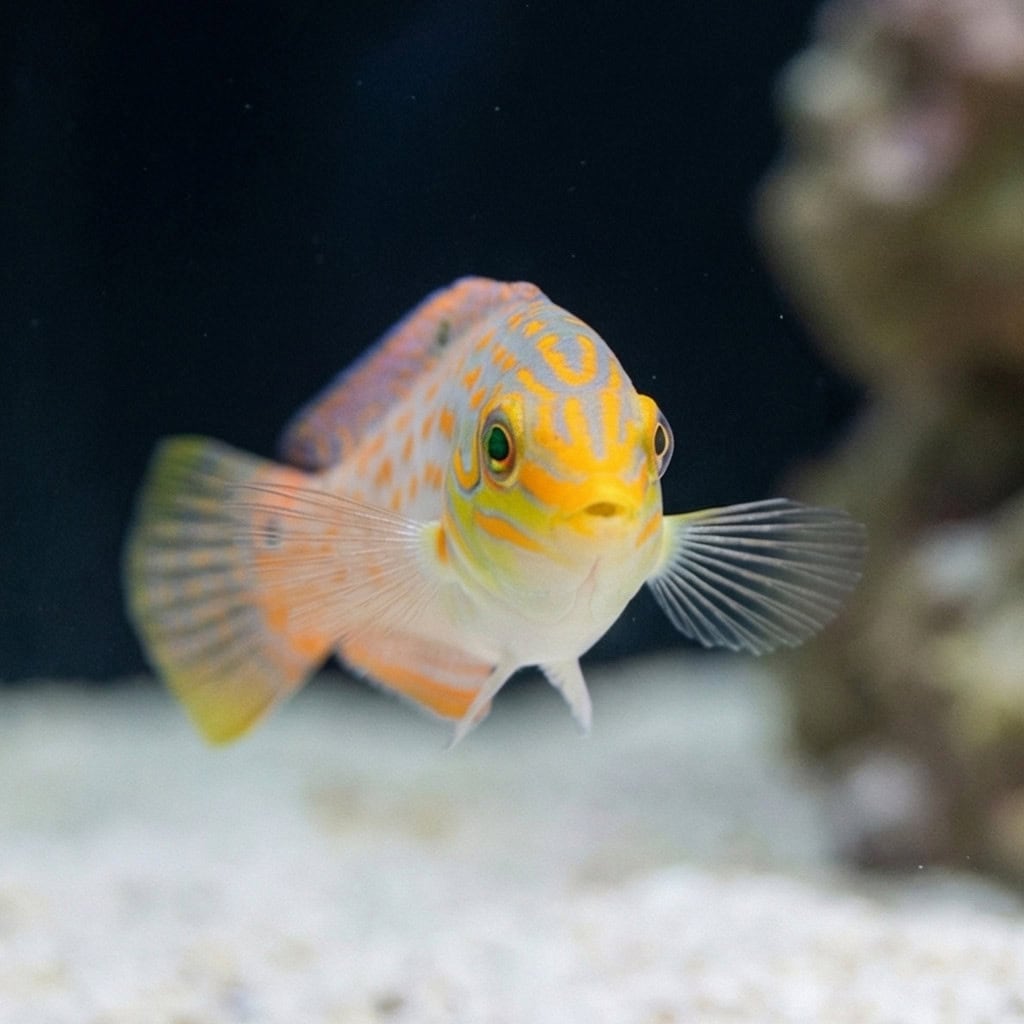
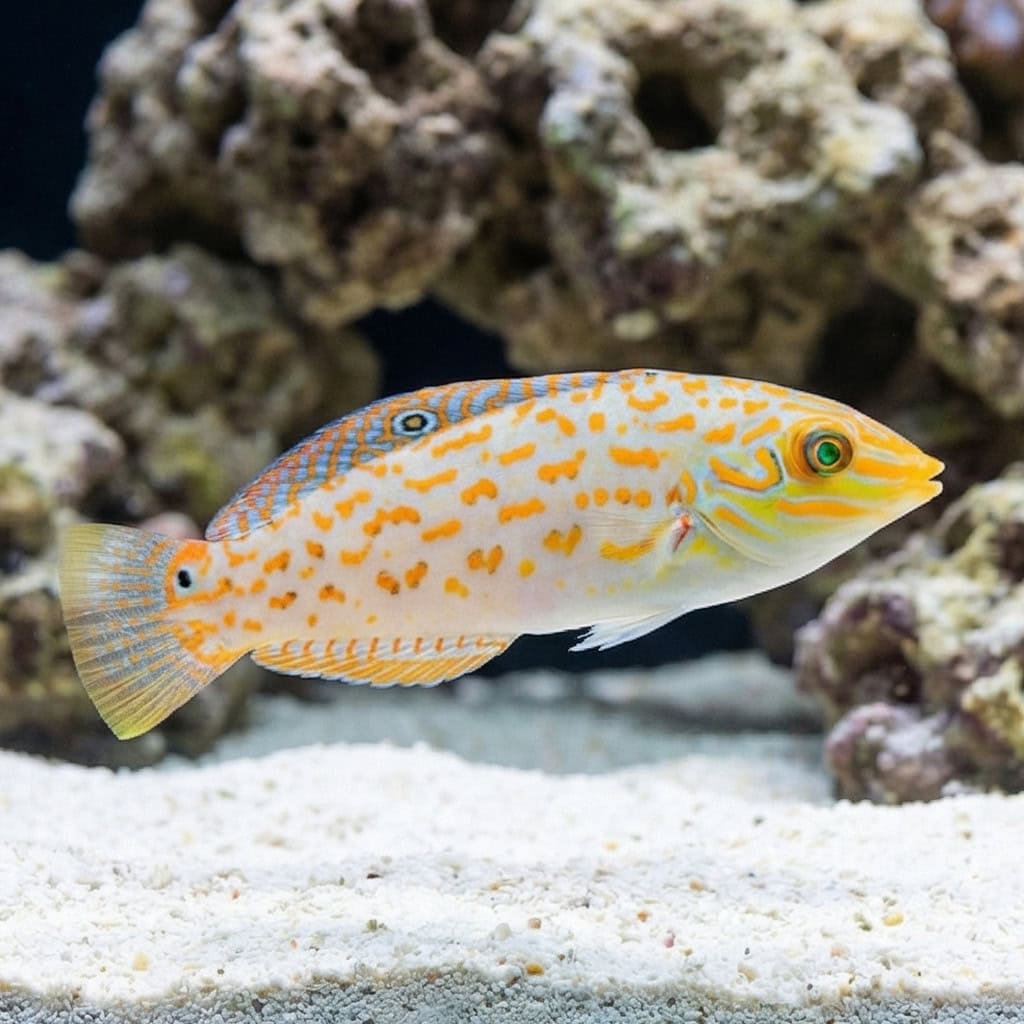
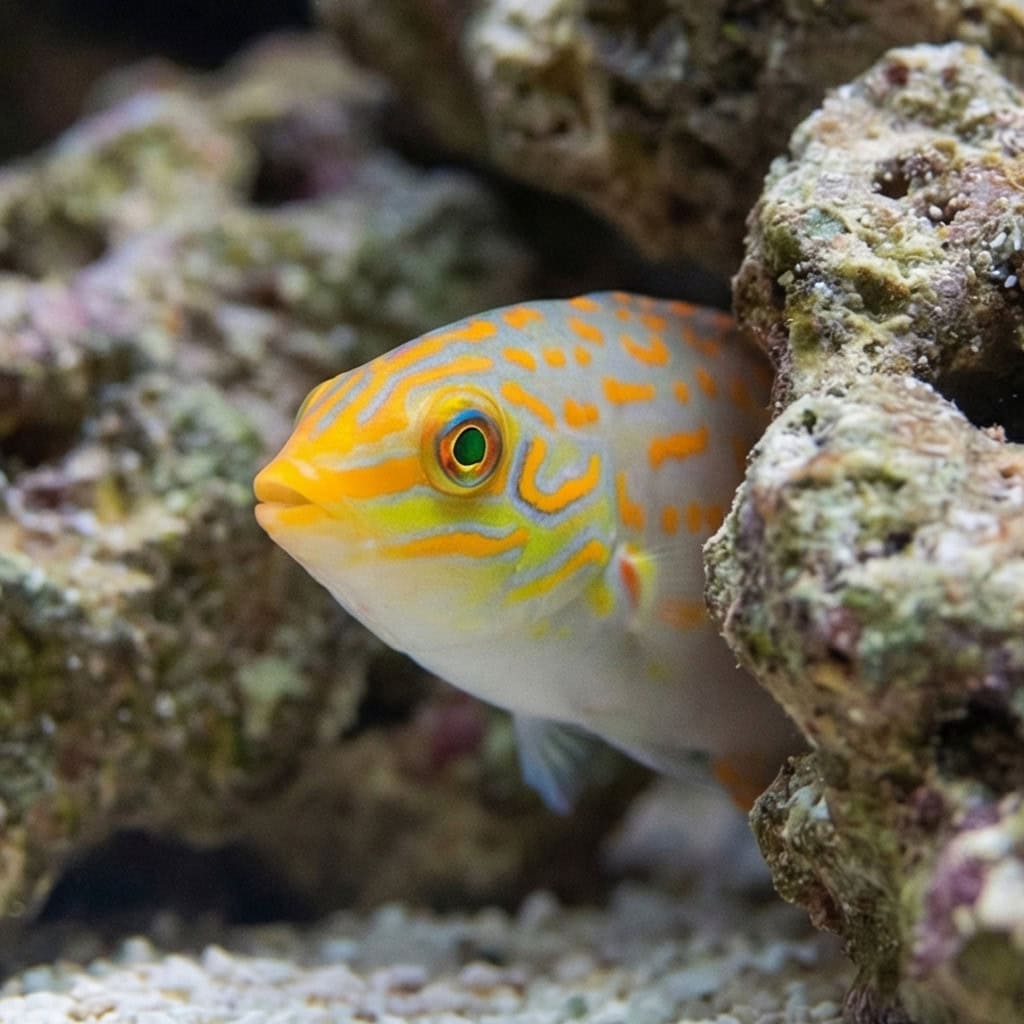
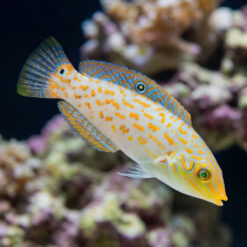
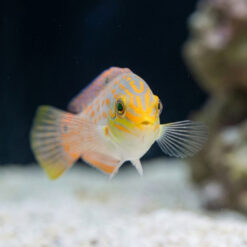
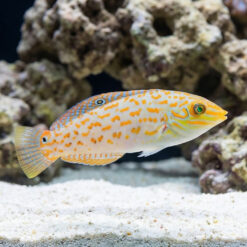
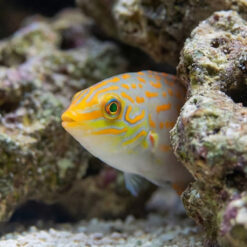
Timor Wrasse
Halichoeres timorensis
| Stock | Variations | Price | Quantity | |
|---|---|---|---|---|
| Out of Stock | 2.25 - 3.5" - Indian Ocean | Original price was: $157.99.$82.99Current price is: $82.99. | Email me | |
| Out of Stock | 2.25" or smaller - Indian Ocean | Original price was: $112.99.$59.99Current price is: $59.99. | Email me |
Every order ships with our standard 3-hour live arrival guarantee. Need more time? Add our 5-Day Guarantee at checkout.
Full guarantee terms →Ships Monday – Thursday for next-day arrival at your nearest FedEx Hold location — typically ready by 9 AM. We monitor every delivery.
Shipping details →
Monday – Friday 8 AM – 9 PM
Saturday 12 PM – 4 PM
Sunday 12 PM – 9 PM
Healthy, stable animals from vetted suppliers — inspected before packing, shipped overnight. Decades of experience built this model so we can deliver premium livestock at 30%+ less than you'd pay elsewhere.
| Care Level | Moderate |
|---|---|
| Temperament | Peaceful |
| Reef Safe | With Caution |
| Functional Benefit | Pest Control |
| Diet Type | Carnivore |
| Mininum Tank Size | 70 gallons |
| Max Size | 5 inches |
| Temperature | 72–78°F |
| pH Range | 8.1–8.4 |
| Specific Gravity | 1.022–1.025 |
The Timor Wrasse (Halichoeres timorensis) is an active, sand-sleeping wrasse that spends the day hunting through rockwork and across the substrate. In reef tanks, it’s commonly kept for pest control, where it may help reduce nuisance flatworms and bristle worms while continuing its constant foraging pattern. Adults reach about 5 inches and are found in the Indo‑West Pacific (Sri Lanka to Indonesia).
What You’ll Observe:
- Patrols the rock-and-sand line, stopping often to pick at tiny prey
- Dives into the sand at lights-out and “pops up” again after the lights come on
- May stay out of sight for several days when first introduced, then becomes a steady daytime swimmer
- Spends time weaving through caves, then crossing open areas of sand between rock structures
Provide a fine sand bed so it can fully bury itself at night, along with plenty of live rock and swim-throughs. Offer small portions 2–3 times daily using a mix of meaty frozen foods and quality pellets to support consistent activity and easy feeding in a community tank. Maintain a snug lid or mesh cover to support a smooth acclimation, since wrasses often explore the surface at night.
Why did my Timor Wrasse disappear right after I added it?
It’s common for sand-sleeping wrasses to stay buried for days (and sometimes longer) while they adjust. Give it time to set its routine rather than trying to disturb the sand.
Can I quarantine this wrasse without a full sand bed?
Many hobbyists use a small container of fine sand in quarantine so the fish can bury normally. This keeps the wrasse’s daily routine closer to what it will do in the display.
Do Timor Wrasses change color or sex over time?
Halichoeres wrasses can show noticeable shifts in pattern and intensity as they mature, and hobbyists commonly report individuals transitioning toward male coloration in captivity. The change is gradual and can look different from fish to fish.
Can I keep a pair or group of Halichoeres wrasses together long-term?
Most aquarists keep Halichoeres singly in typical home aquariums. When kept together, individuals may transition and compete as they mature, so single specimens are the simplest approach.
How much sand depth do experienced keepers aim for with Halichoeres wrasses?
A common target is at least 2 inches of fine sand so the fish can fully cover its body when it buries. Fine grain size tends to support more consistent burying behavior.
We work with trusted suppliers who keep our specimens healthy and well-fed before shipping.
Recently viewed products