
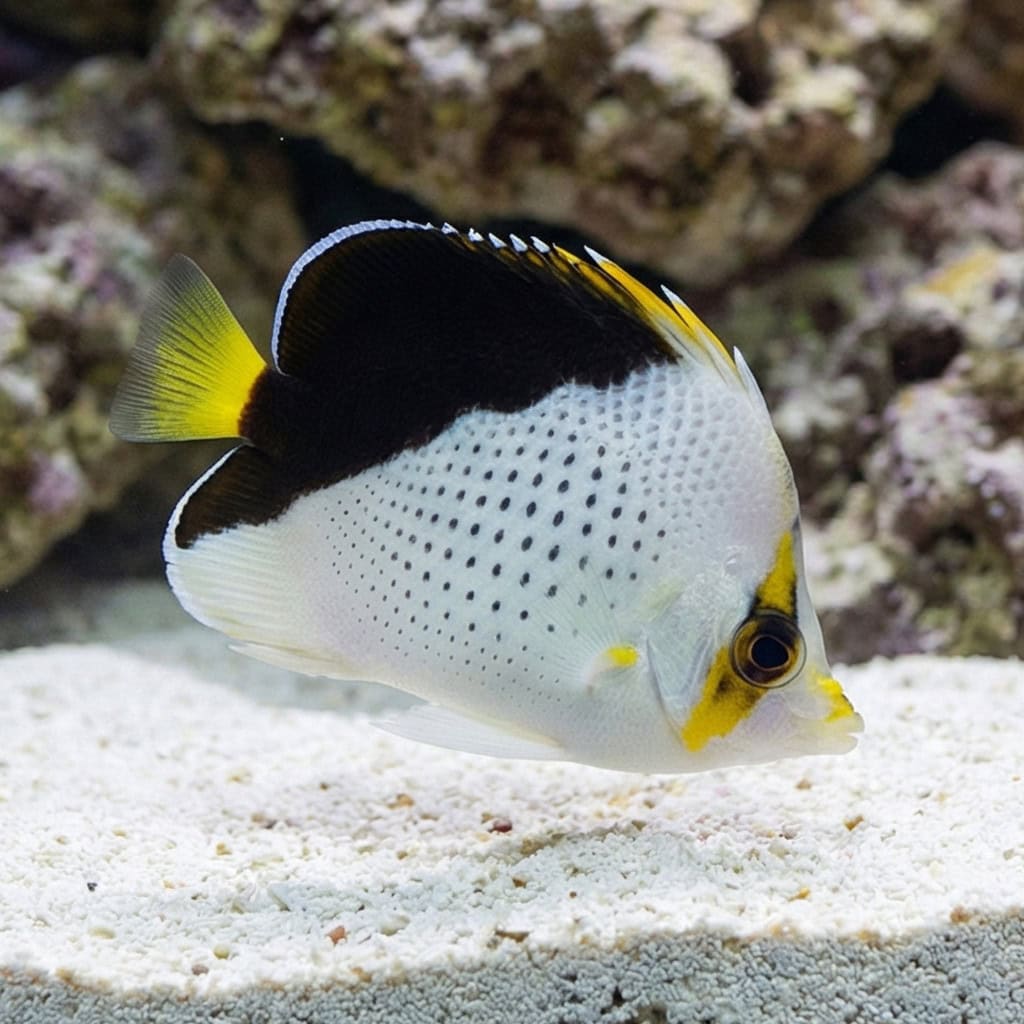
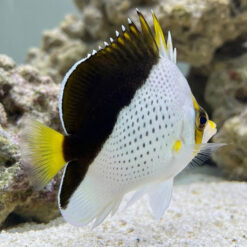
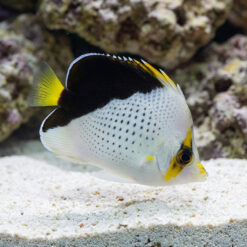
Tinkeri Butterfly
Chaetodon tinkeri
| Stock | Variations | Price | Quantity |
|---|
Every order ships with our standard 3-hour live arrival guarantee. Need more time? Add our 5-Day Guarantee at checkout.
Full guarantee terms →Ships Monday – Thursday for next-day arrival at your nearest FedEx Hold location — typically ready by 9 AM. We monitor every delivery.
Shipping details →
Monday – Friday 8 AM – 9 PM
Saturday 12 PM – 4 PM
Sunday 12 PM – 9 PM
Healthy, stable animals from vetted suppliers — inspected before packing, shipped overnight. Decades of experience built this model so we can deliver premium livestock at 30%+ less than you'd pay elsewhere.
| Care Level | Moderate |
|---|---|
| Temperament | Peaceful |
| Reef Safe | With Caution |
| Functional Benefit | Ornamental Only |
| Diet Type | Carnivore |
| Mininum Tank Size | 120 gallons |
| Max Size | 6 inches |
| Temperature | 72–78°F |
| pH Range | 8.1–8.4 |
| Specific Gravity | 1.021–1.024 |
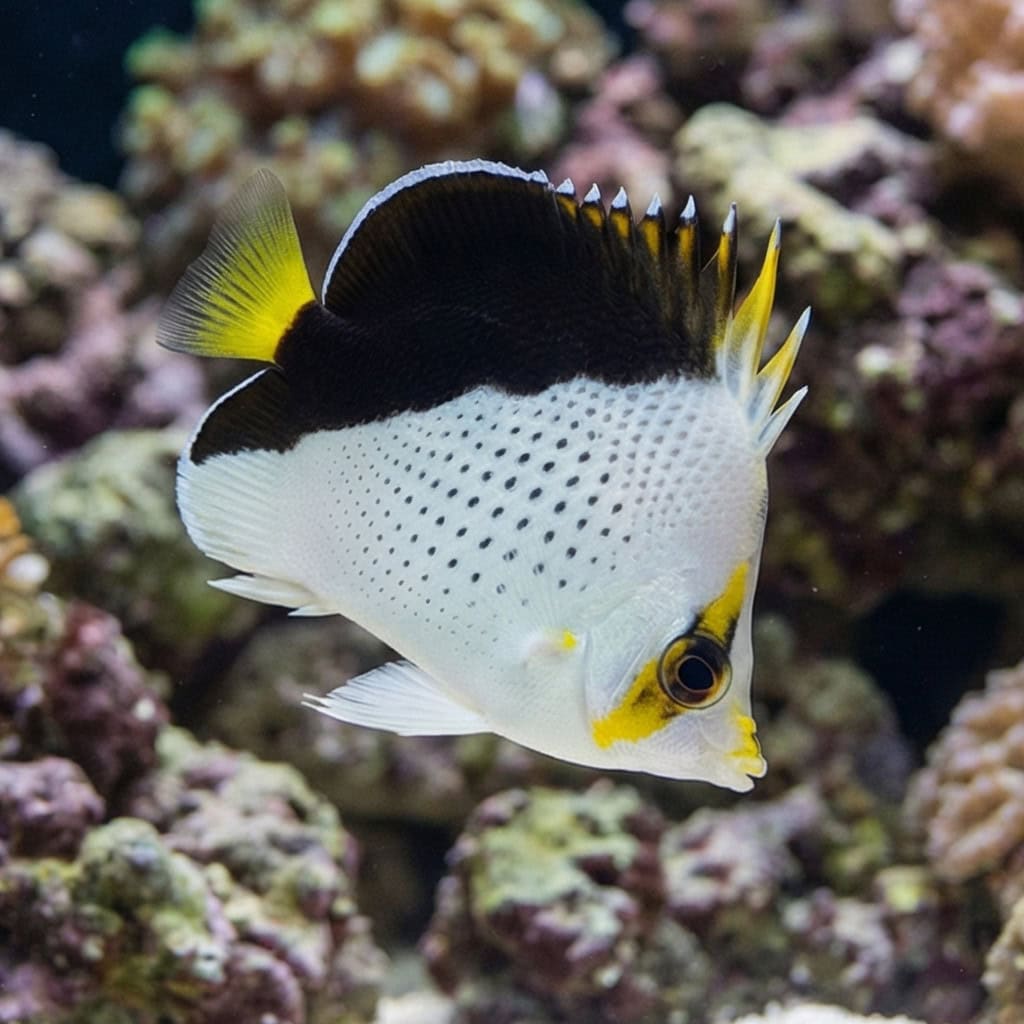
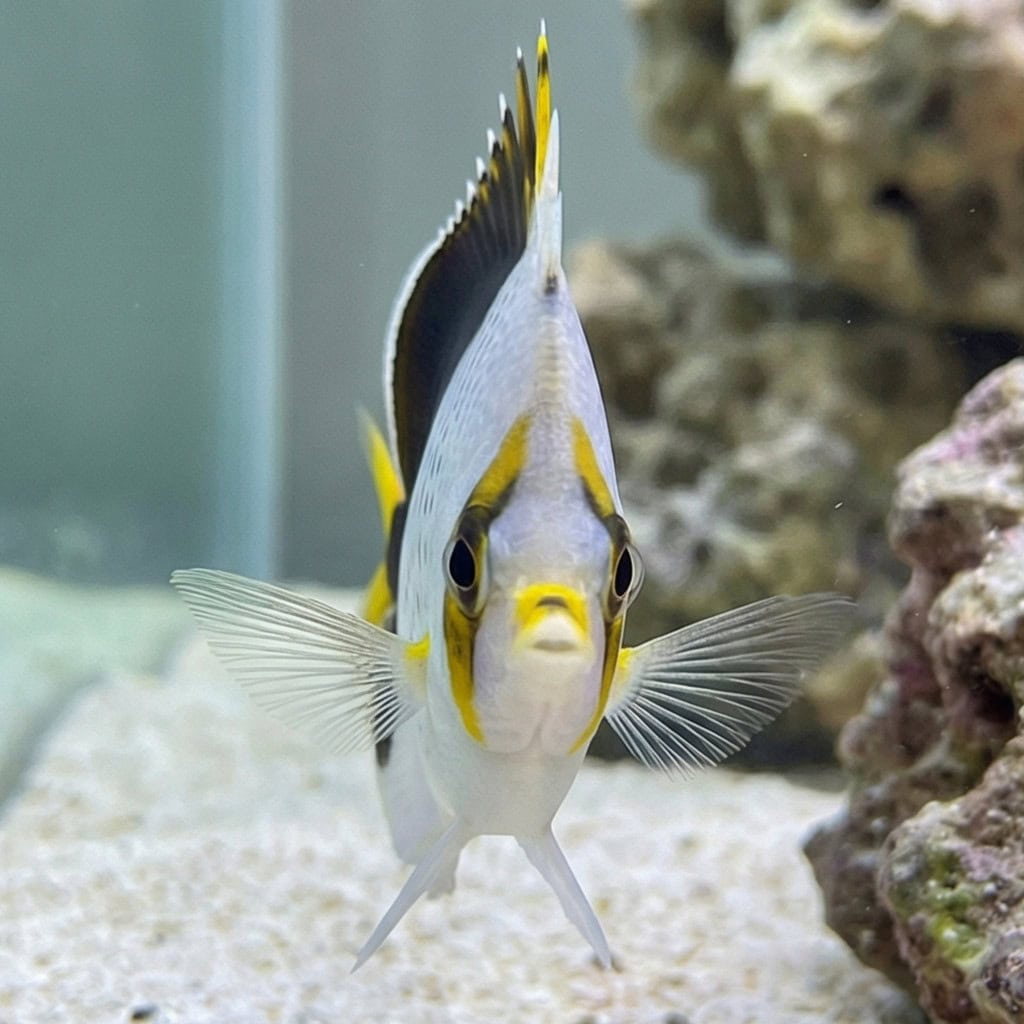
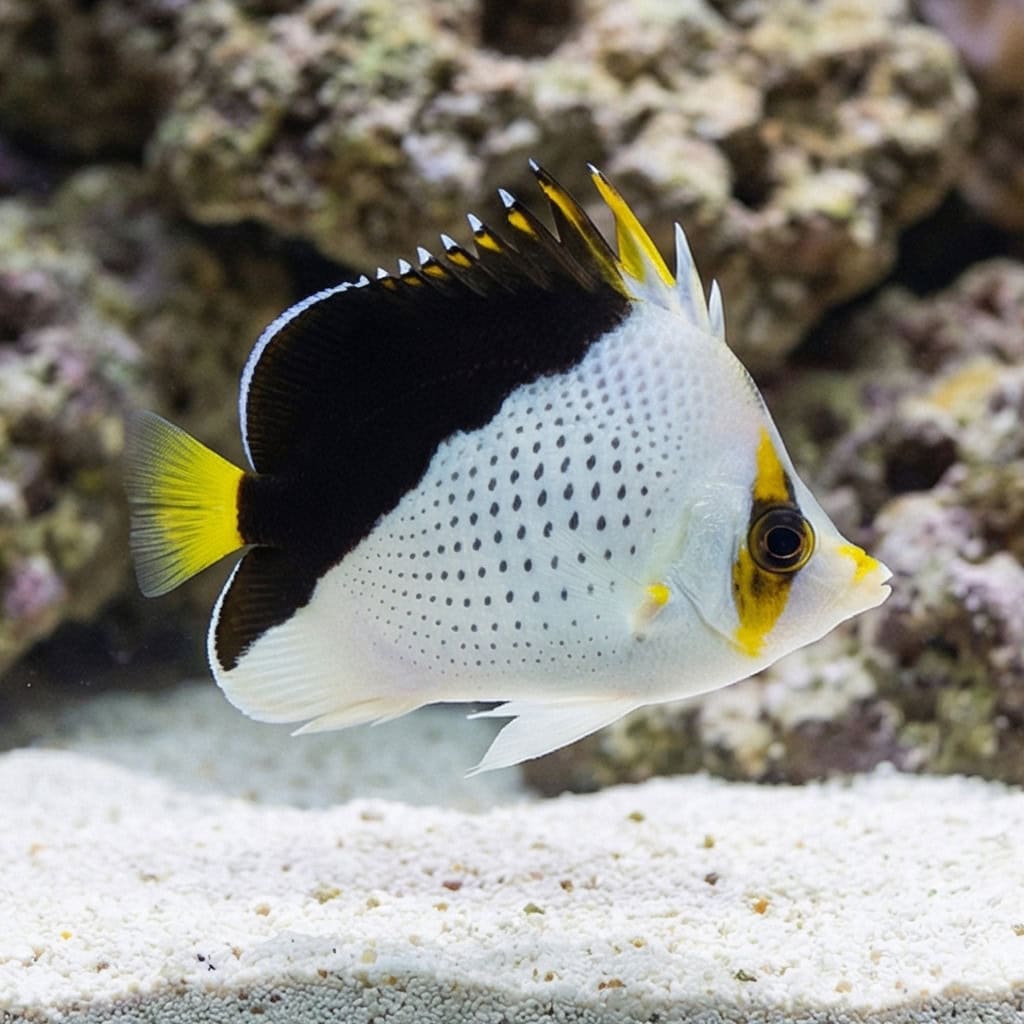
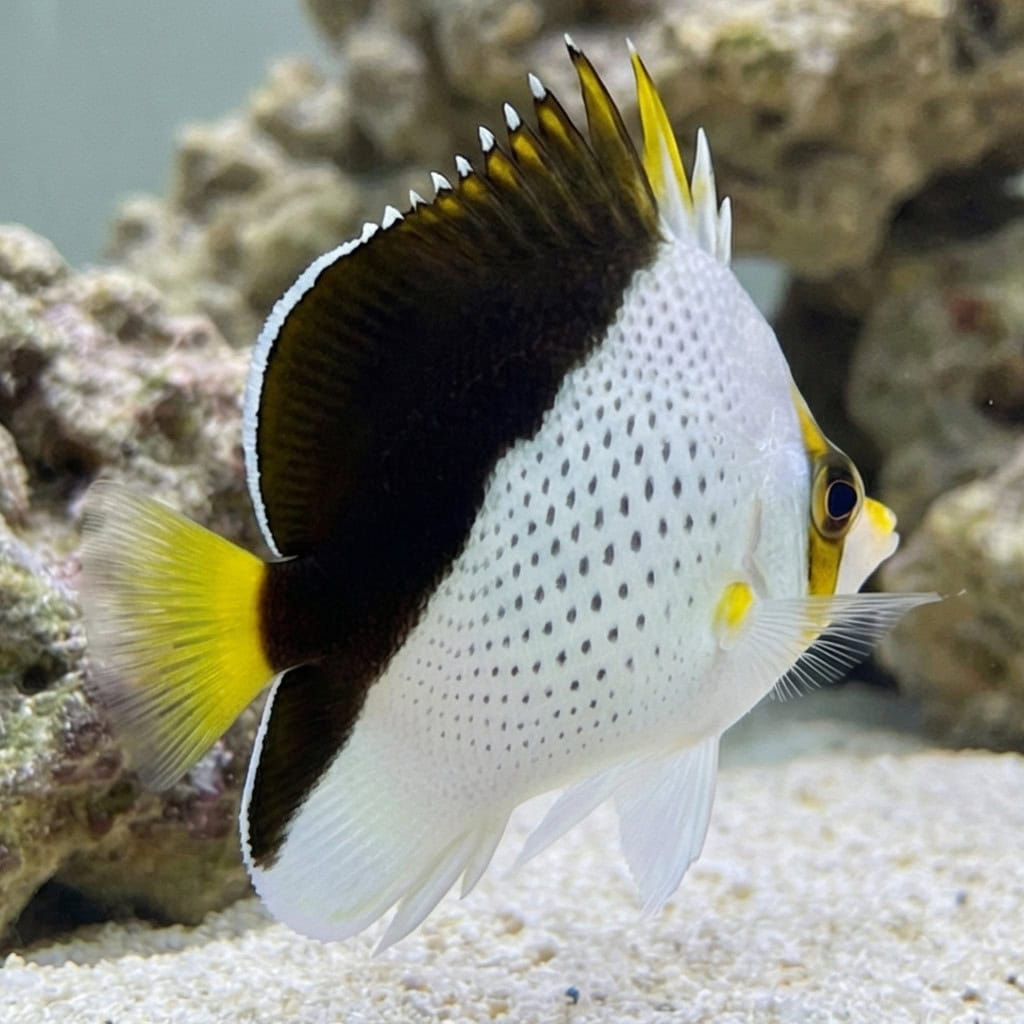
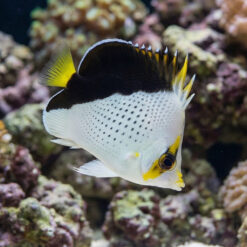
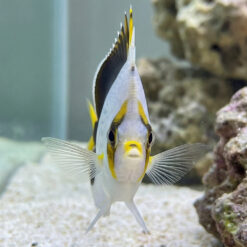
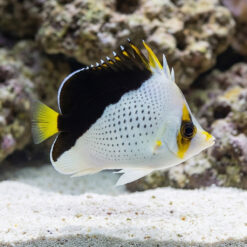
The Tinkeri Butterfly (Chaetodon tinkeri), also called the Hawaiian Butterflyfish, is a deep-reef Chaetodon known for a clean two-tone pattern: a white front half with fine dark spotting and a dark rear half, finished with yellow-gold accents on the face, dorsal area, and tail. In larger marine aquariums it typically cruises in open water around rockwork and becomes a consistent part of the tank’s daytime activity.
What You’ll Observe:
- Steady, roaming laps through the mid-water and along the rock line, with frequent “inspection” stops
- Short, precise pecks at rock surfaces and crevices while moving through the tank
- A recognizable feeding routine—often appearing quickly when food hits the water
- Occasional interest in new additions on the rockwork as it explores its environment
How to Succeed: Provide a mature aquascape with swim lanes and several rock caves so it can move between open water and cover. Offer a variety of meaty foods (for example enriched mysis/brine and other marine blends) in smaller portions across the day to keep it engaged at feeding time. In reef setups, many hobbyists keep this species successfully by choosing coral placements thoughtfully and keeping the fish on a steady feeding rhythm.
Do Tinkeri butterflies always pick at coral, or does it vary by individual?
It varies. Many keepers report “taste-testing,” especially around new frags, while others keep them with minimal interest in established corals.
What are the most common “starter foods” hobbyists use to get them eating prepared items?
Common approaches include enriched mysis/brine, chopped seafood blends, and offerings like clam to build a strong feeding response.
Is it normal for a Tinkeri butterfly to spend time in the open instead of hiding?
Yes. Many owners describe them as visible daytime swimmers that still use caves and rock ledges as resting zones.
Can Tinkeri butterflies be kept with other Roaps-type butterflyfish (like Burgess or Mitratus)?
Some aquarists do it in larger systems by providing multiple rock zones and introducing fish in a way that reduces immediate territory claims.
How long does it usually take before you see consistent “daytime pattern” behavior?
Often within the first week or two, you’ll see more predictable swimming routes and faster response at feeding time as it settles into the tank’s routine.
Shipped with pure oxygen and temperature control so it arrives stress-free and ready to eat.
Recently viewed products