
 Blue Linckia Starfish - South Pacific, Size Small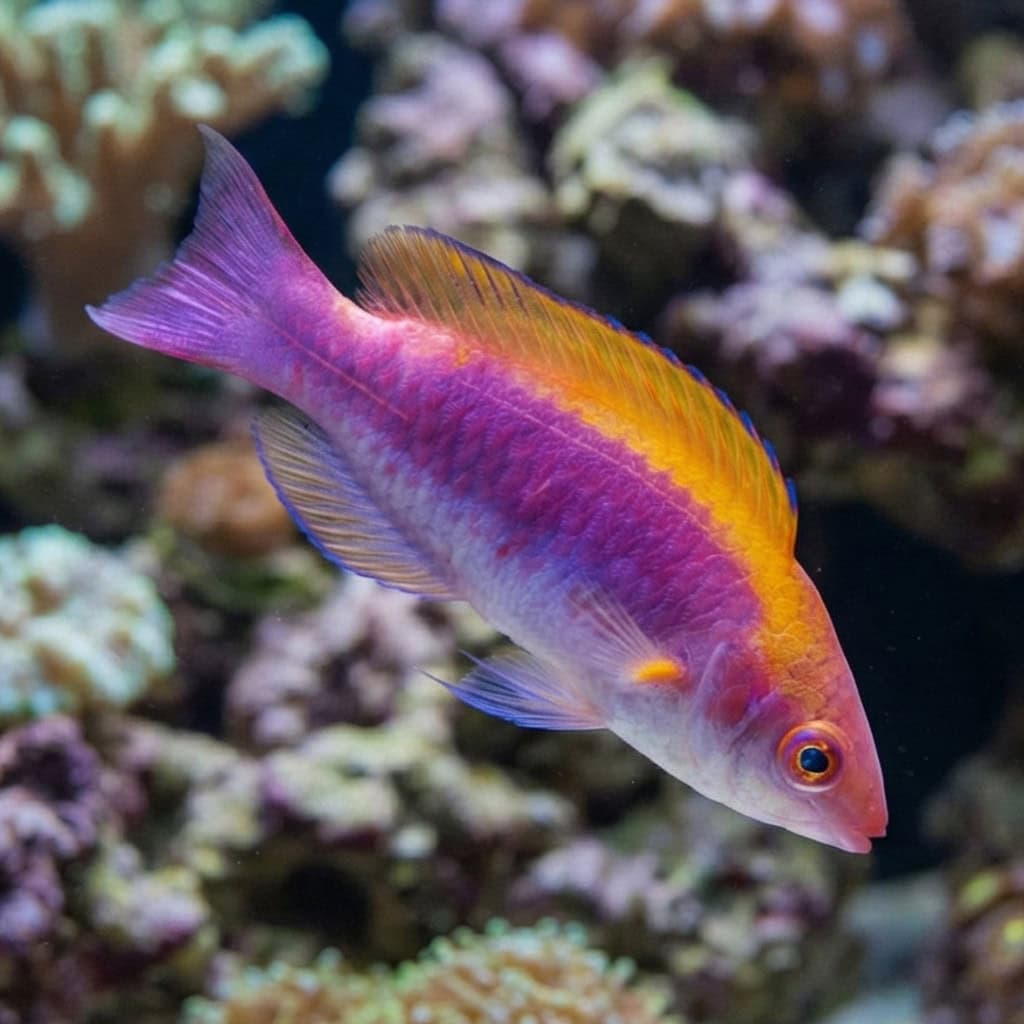
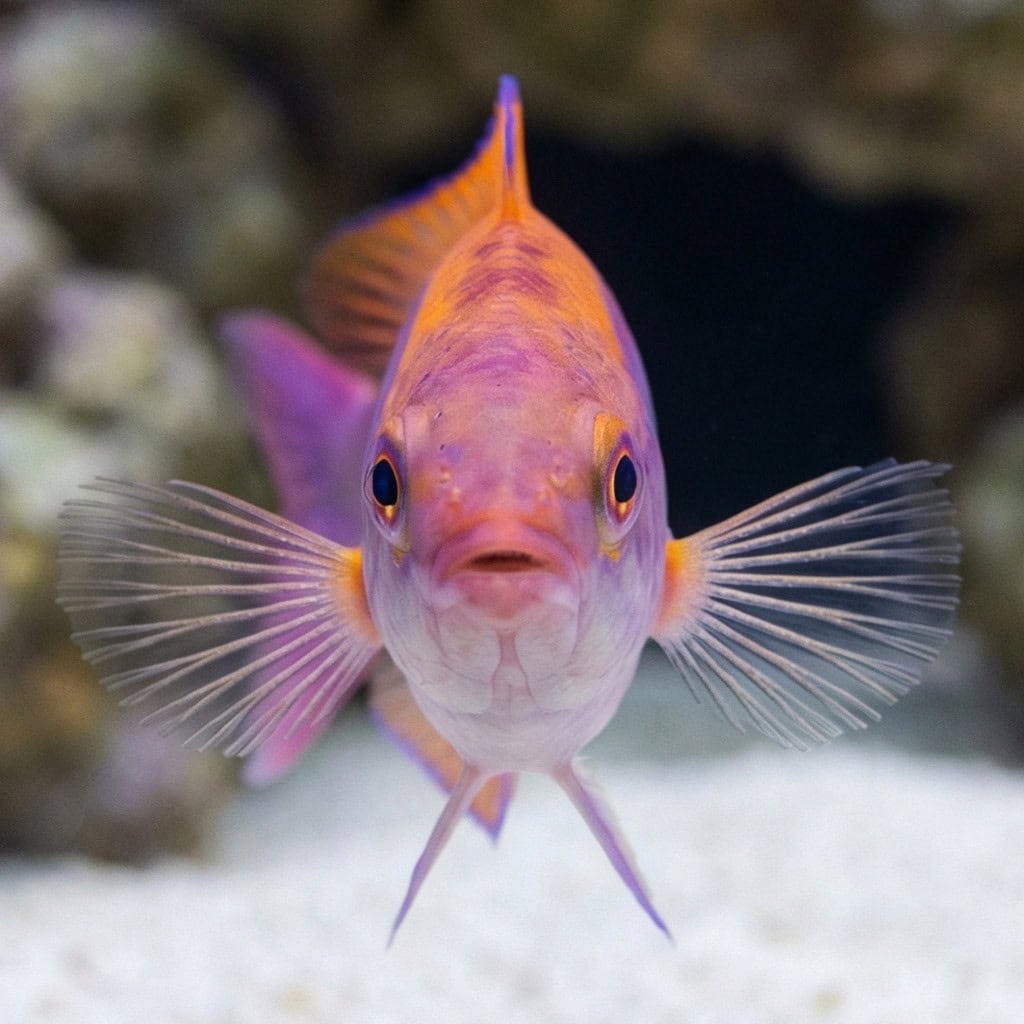
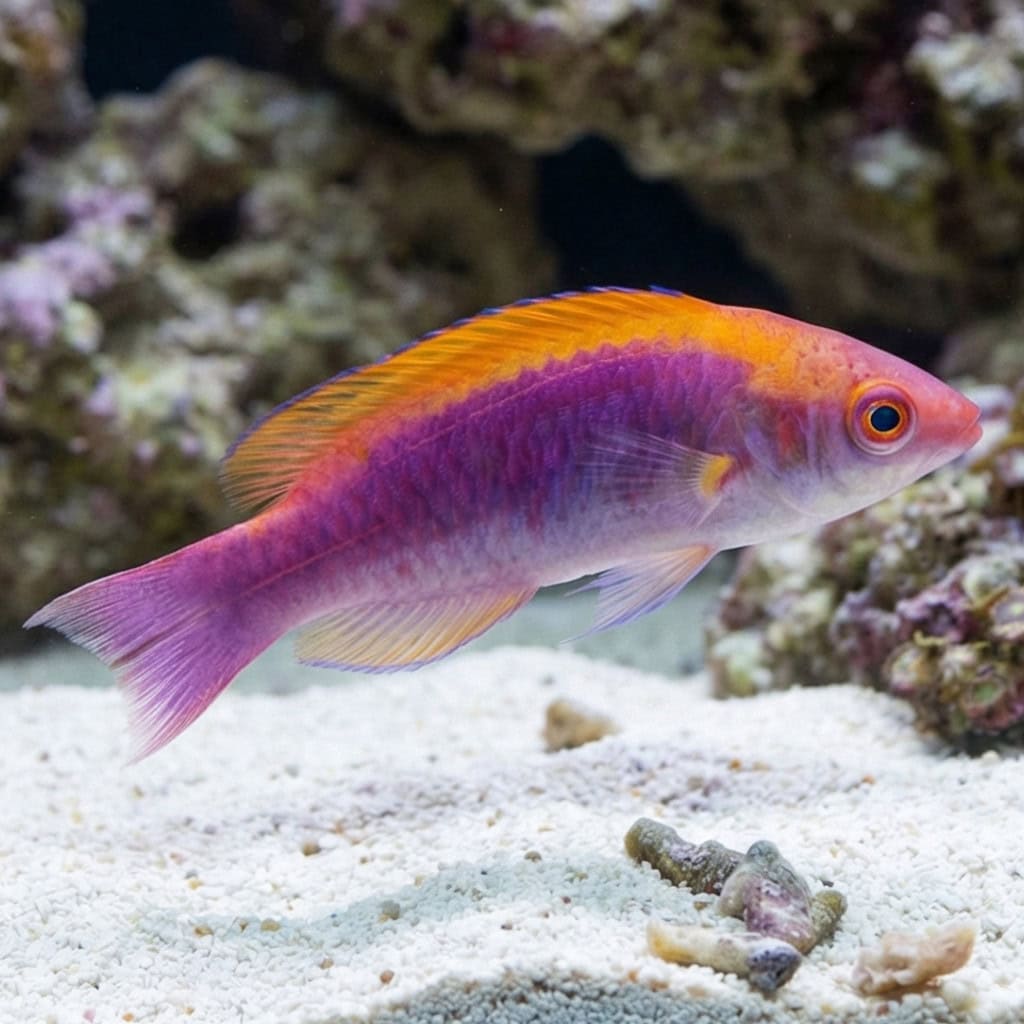
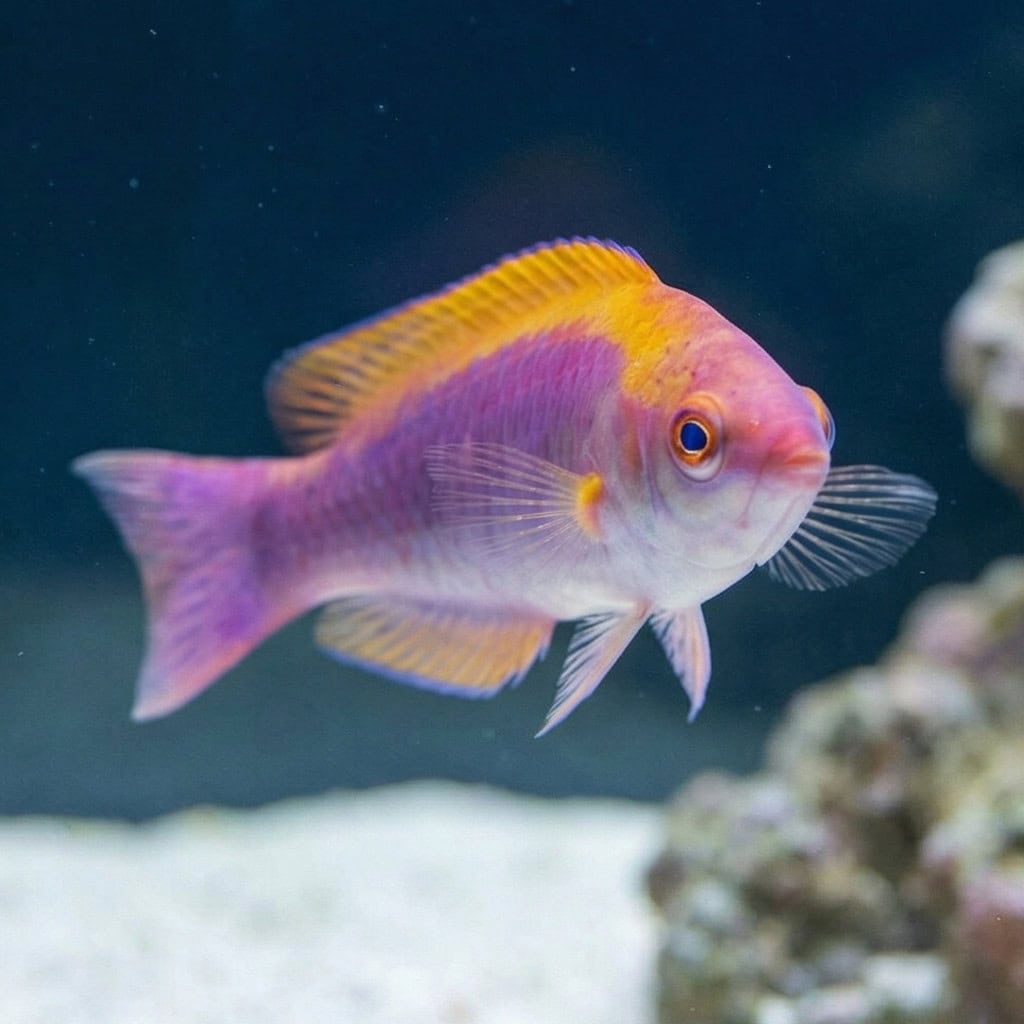
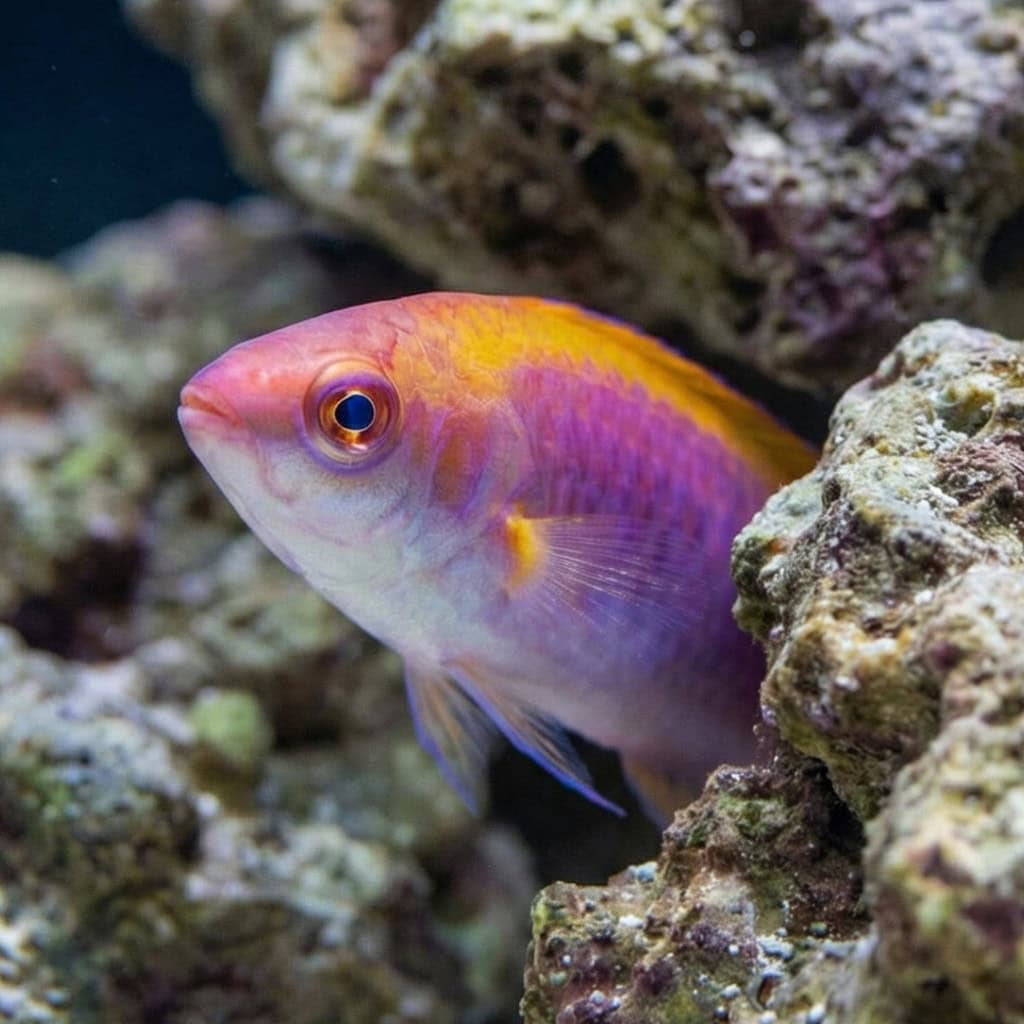

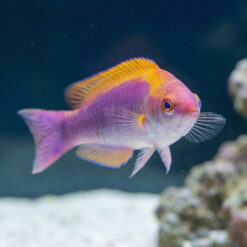

Tricolor Fairy Wrasse
Cirrhilabrus lubbocki
Original price was: $114.99.$60.99Current price is: $60.99.
| Stock | Variations | Price | Quantity | |
|---|---|---|---|---|
| Only 8 left | 2 - 3" - Indo-Pacific | Original price was: $114.99.$60.99Current price is: $60.99. |
-
+
|
|
| Out of Stock | 2" or smaller - Indo-Pacific | Original price was: $89.99.$46.99Current price is: $46.99. | Email me |
Every order ships with our standard 3-hour live arrival guarantee. Need more time? Add our 5-Day Guarantee at checkout.
Full guarantee terms →Ships Monday – Thursday for next-day arrival at your nearest FedEx Hold location — typically ready by 9 AM. We monitor every delivery.
Shipping details →
Monday – Friday 8 AM – 9 PM
Saturday 12 PM – 4 PM
Sunday 12 PM – 9 PM
Healthy, stable animals from vetted suppliers — inspected before packing, shipped overnight. Decades of experience built this model so we can deliver premium livestock at 30%+ less than you'd pay elsewhere.
| Care Level | Easy |
|---|---|
| Temperament | Peaceful |
| Reef Safe | Yes |
| Functional Benefit | Ornamental Only |
| Diet Type | Carnivore |
| Mininum Tank Size | 55 gallons |
| Max Size | 3 inches |
| Temperature | 72–78°F |
| pH Range | 8.1–8.4 |
| Specific Gravity | 1.022–1.025 |
The Tricolor Fairy Wrasse (Cirrhilabrus lubbocki) is a small reef-safe wrasse known for multicolor pattern shifts that stand out under reef lighting. It spends much of the day cruising open water and weaving through rockwork, bringing steady movement to the middle areas of the aquarium.
What You’ll Observe:
- Regular midwater laps with quick turns through arches and caves
- Short “inspection passes” over the rockwork, then back into open water
- Confident feeding in the water column once it learns your routine
- Evening settle-in behavior, often choosing a consistent sleeping spot in the rockwork or sand
To succeed with this fairy wrasse, provide a mature reef tank with live rock that creates shaded pockets plus open swimming space. A fine sand substrate supports natural nighttime settling behavior, and a secure lid keeps daily activity contained. Offer a variety of small meaty foods (like mysis and other frozen options) more than once per day in amounts it can finish quickly.
Can it be kept singly, or does it do better with a group?
It does well as a single fish, and it can also be kept as a male with one or more females when the tank size and layout support separation and space.
Why does it sometimes “disappear” right at lights-out?
Many individuals settle into a chosen sleeping area and may wedge into rockwork or rest in the sand, then reappear when the tank lights come back on.
Do I need sand, or can it live in a bare-bottom reef tank?
Many hobbyists prefer sand because it matches common sleeping/settling behavior, but keepers often succeed without sand by providing plenty of rock crevices and calmer shaded zones.
How can I tell male vs. female, and can it change sex?
Color and pattern intensity are commonly used as a clue, and this species is widely kept in social setups where the dominant fish can transition to male over time.
What’s the easiest way to get it eating confidently after introduction?
Offer small, water-column foods on a consistent schedule, and feed in two or more short sessions so it can join in without rushing or overeating.
Each fish is checked for strong appetite and activity before we approve it for your tank.
Recently viewed products