
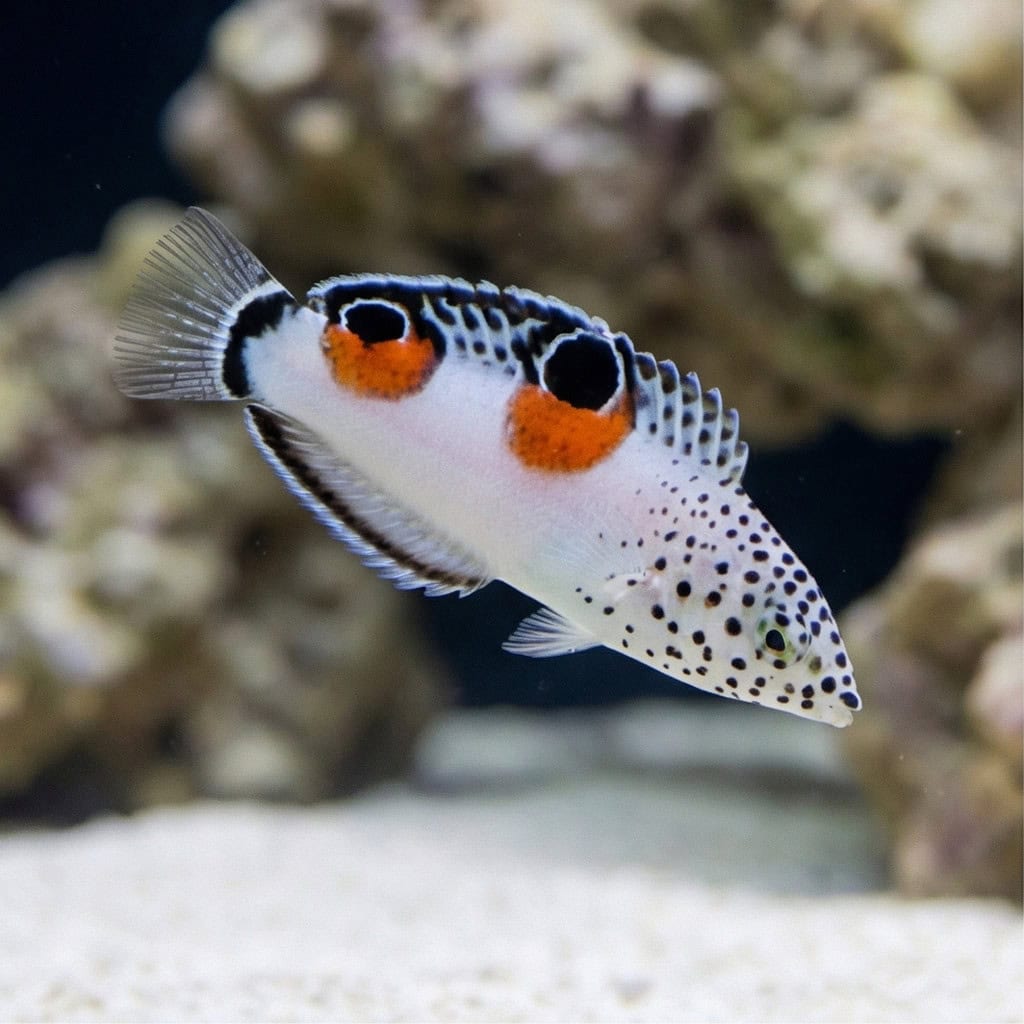
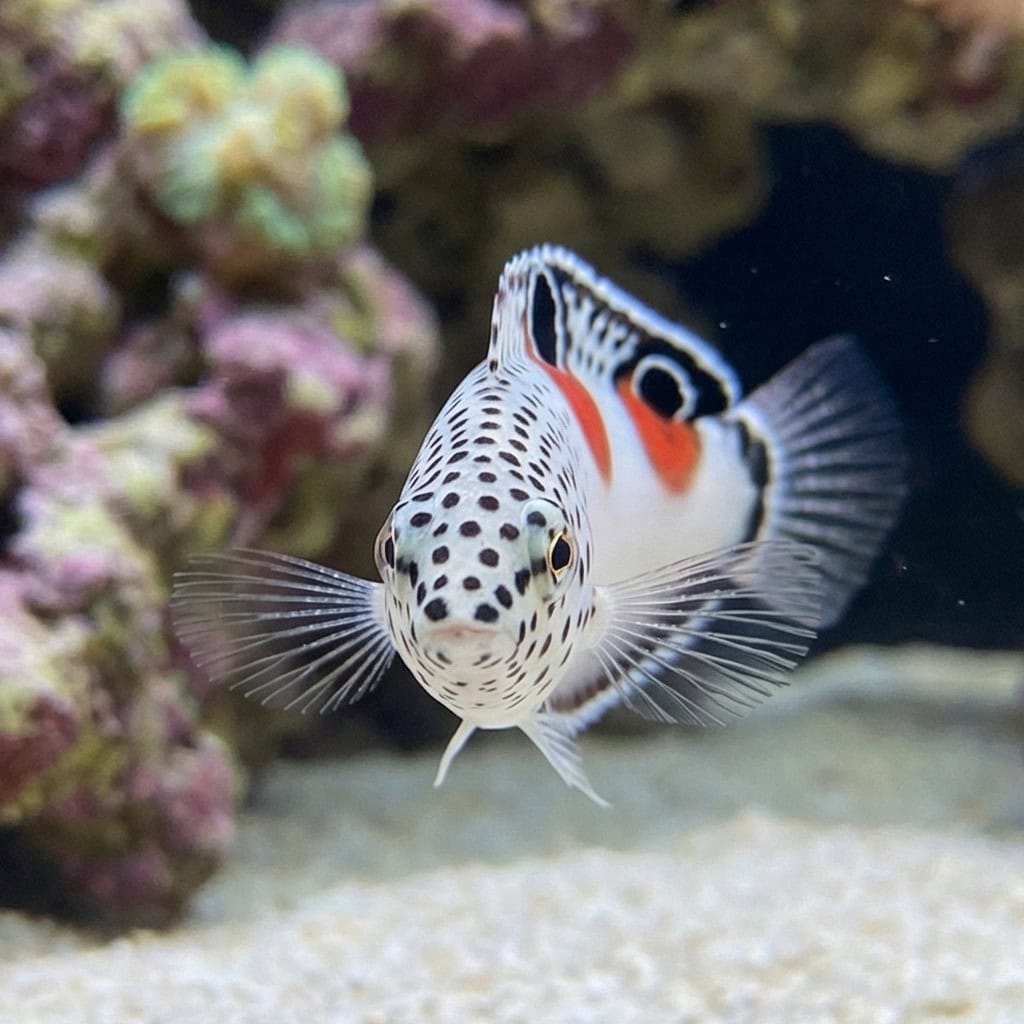
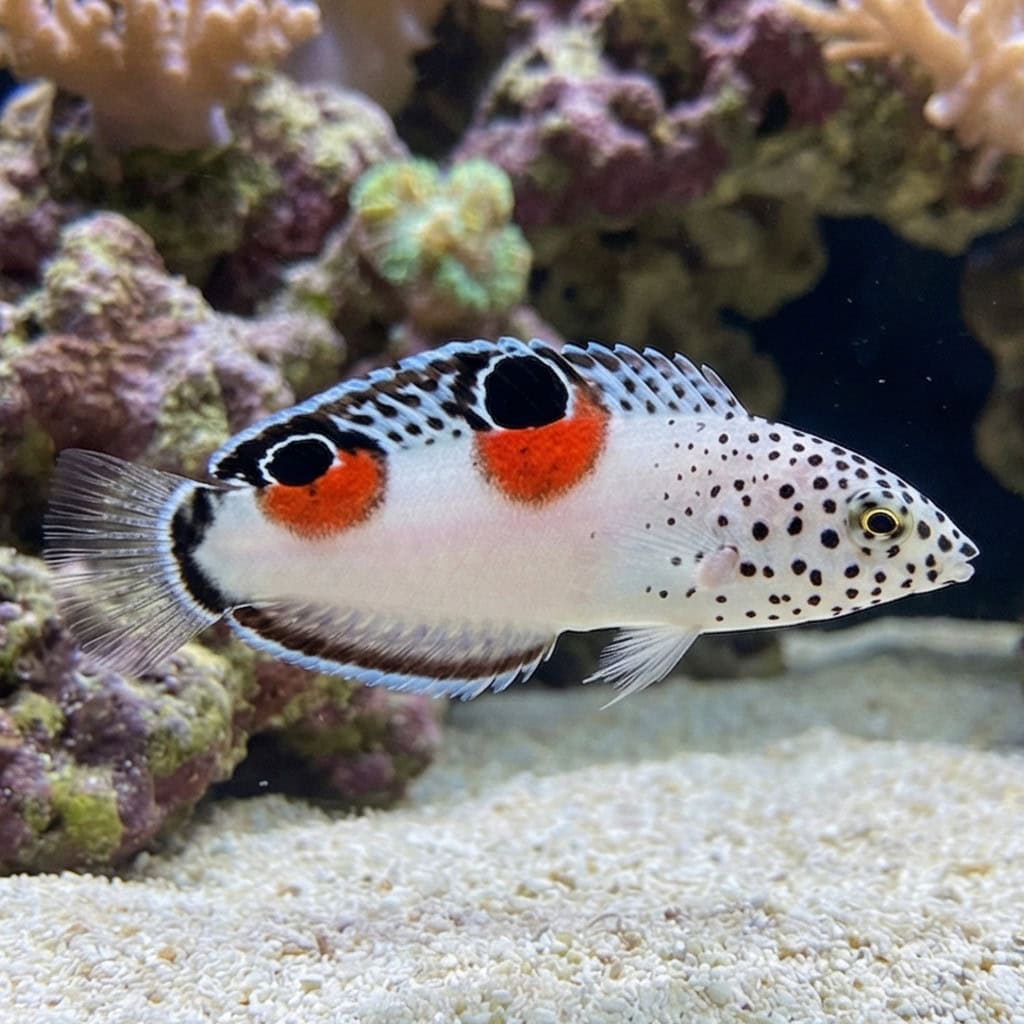
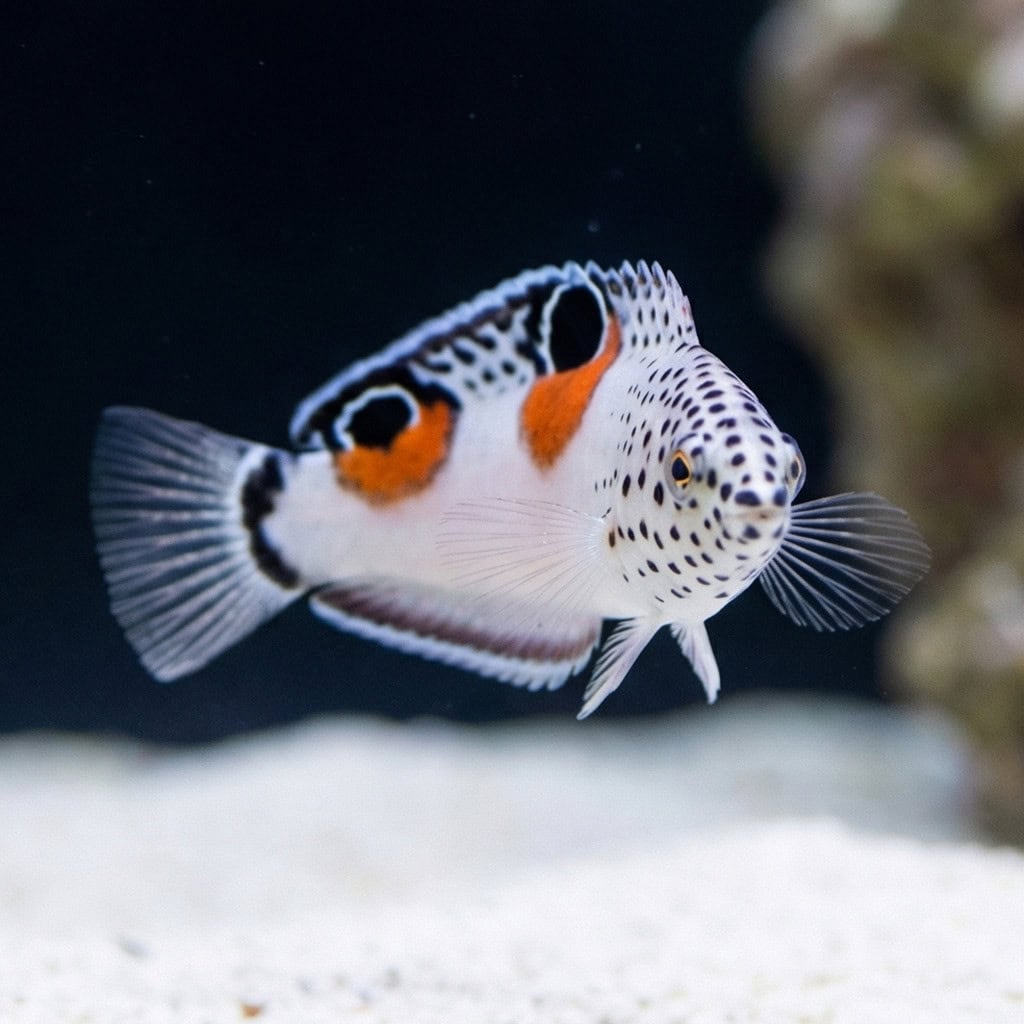
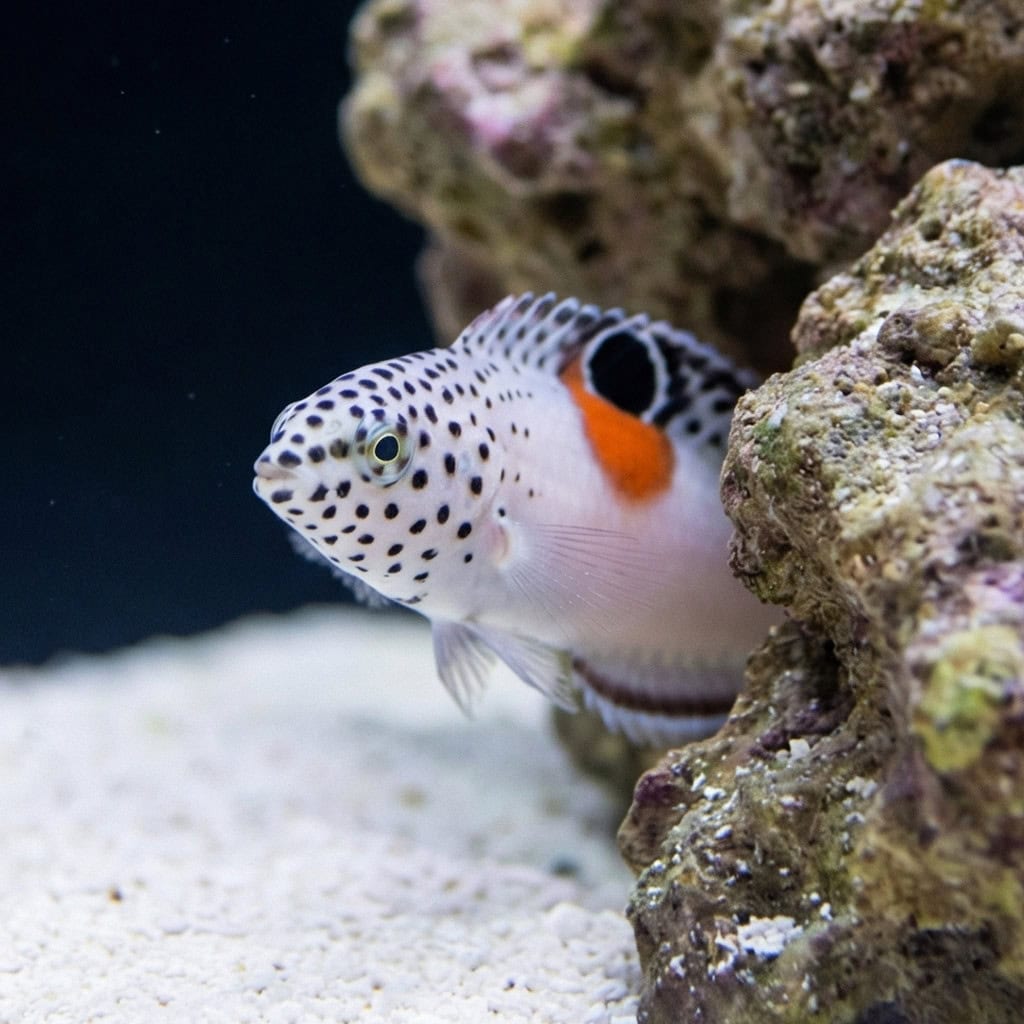
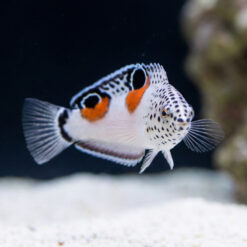
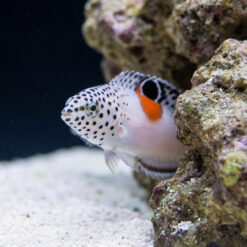
Twin Spot Coris Wrasse
Coris aygula
| Stock | Variations | Price | Quantity | |
|---|---|---|---|---|
| Out of Stock | 2 - 3" - SSC Certified - Juvenile - Central Pacific | Original price was: $101.99.$53.99Current price is: $53.99. | Email me |
Every order ships with our standard 3-hour live arrival guarantee. Need more time? Add our 5-Day Guarantee at checkout.
Full guarantee terms →Ships Monday – Thursday for next-day arrival at your nearest FedEx Hold location — typically ready by 9 AM. We monitor every delivery.
Shipping details →
Monday – Friday 8 AM – 9 PM
Saturday 12 PM – 4 PM
Sunday 12 PM – 9 PM
Healthy, stable animals from vetted suppliers — inspected before packing, shipped overnight. Decades of experience built this model so we can deliver premium livestock at 30%+ less than you'd pay elsewhere.
| Care Level | Expert |
|---|---|
| Temperament | Aggressive |
| Reef Safe | No |
| Functional Benefit | Ornamental Only |
| Diet Type | Carnivore |
| Mininum Tank Size | 300 gallons+ |
| Max Size | 24 inches |
| Temperature | 72–78°F |
| pH Range | 8.1–8.4 |
| Specific Gravity | 1.022–1.025 |
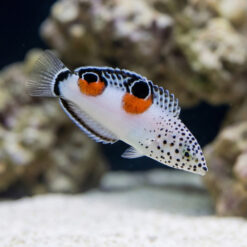
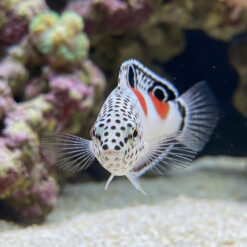
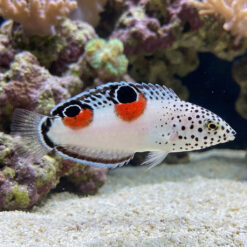
The Twin Spot Coris Wrasse (Coris aygula) is an Indo-Pacific wrasse best known for its juvenile “twin spot” pattern and its dramatic color change as it matures. It’s an active, hands-on forager that spends the day patrolling rockwork and sand while searching for meaty foods.
What You’ll Observe:
- Cruises the lower half of the tank, then investigates rock edges and sand for hidden bites
- Learns your feeding routine quickly and becomes one of the first fish to meet the food
- Rearranges small rubble or loose items while foraging, especially near the base of the rockwork
- Uses the sandbed as a sleeping spot and may dive in quickly when lights dim
To do well long-term, provide a very large aquarium with a fine sandbed deep enough for burying and a rock structure that’s secured against shifting. Offer a varied menu of meaty frozen foods plus pellets, and feed in a way that lets it take multiple bites throughout the day. A tight-fitting lid helps keep its high activity contained.
How fast will a small Twin Spot Coris Wrasse outgrow its current tank?
Growth rate varies with diet and space, but most keepers treat smaller tanks as temporary and plan an upgrade path while the fish is still young.
Is it normal if it buries itself and you don’t see it for a full day (or longer)?
Yes—many Coris wrasses spend long stretches under the sand after shipping, after a tank move, or when startled, then resume normal daytime activity.
Why does it “pick at rocks” all day—does that mean it eats algae?
Rock-picking is usually hunting behavior for tiny invertebrates in and around the rock, rather than true algae grazing.
Can it be quarantined without sand?
Many hobbyists use bare-bottom quarantine, but adding a container of fine sand (or a sand-filled dish) often helps it settle into a normal day/night routine.
If it’s well-fed, will it still go after cleaner shrimp and snails?
Regular feeding helps, but most owners assume ornamental crustaceans and snails are on the menu as the fish grows and becomes more confident.
Shipped with pure oxygen and temperature control so it arrives stress-free and ready to eat.
Recently viewed products