
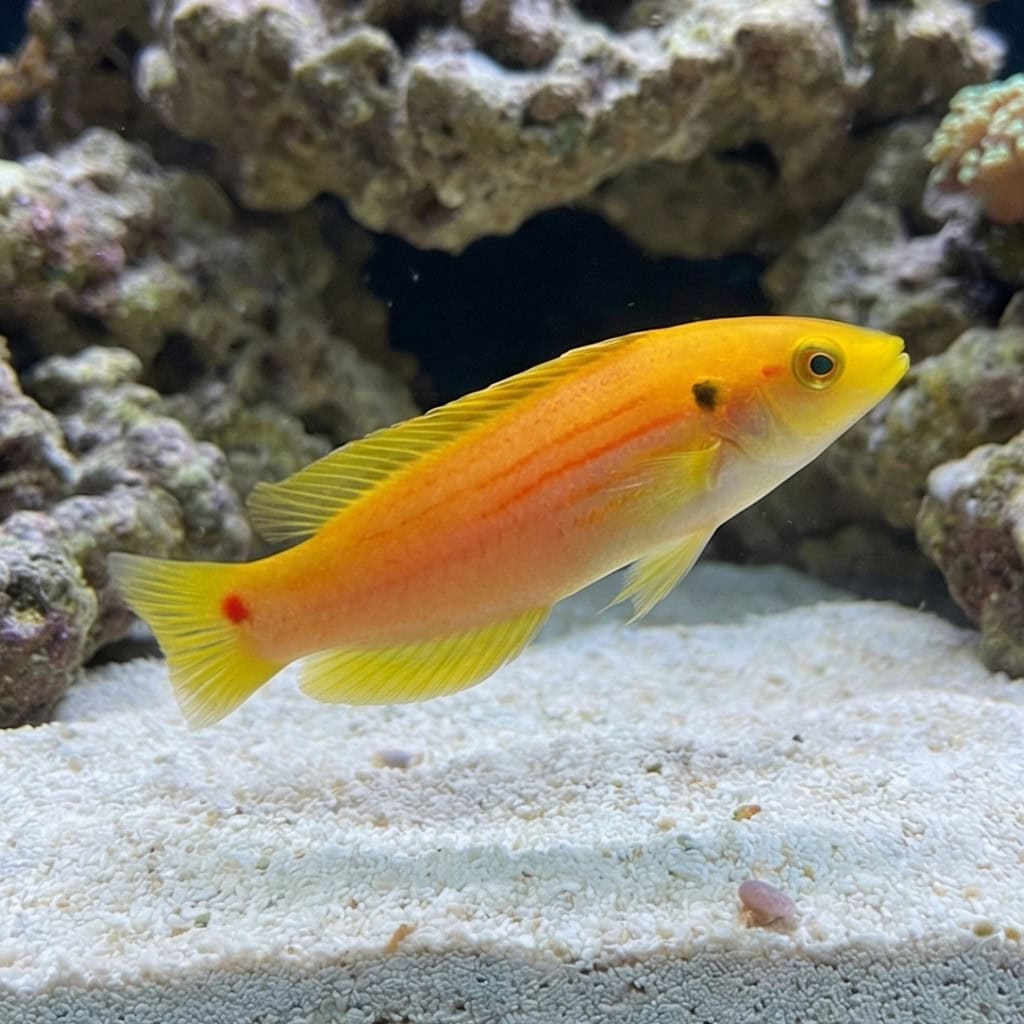
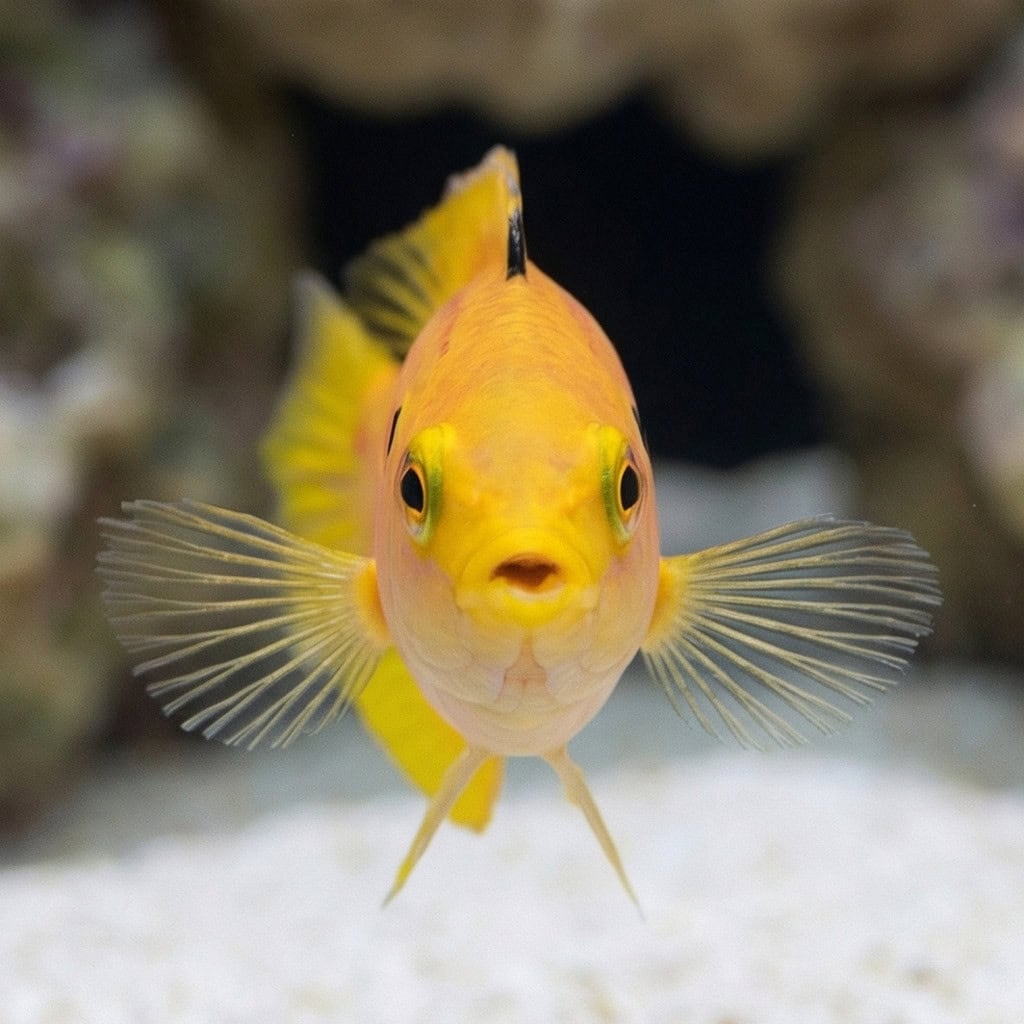
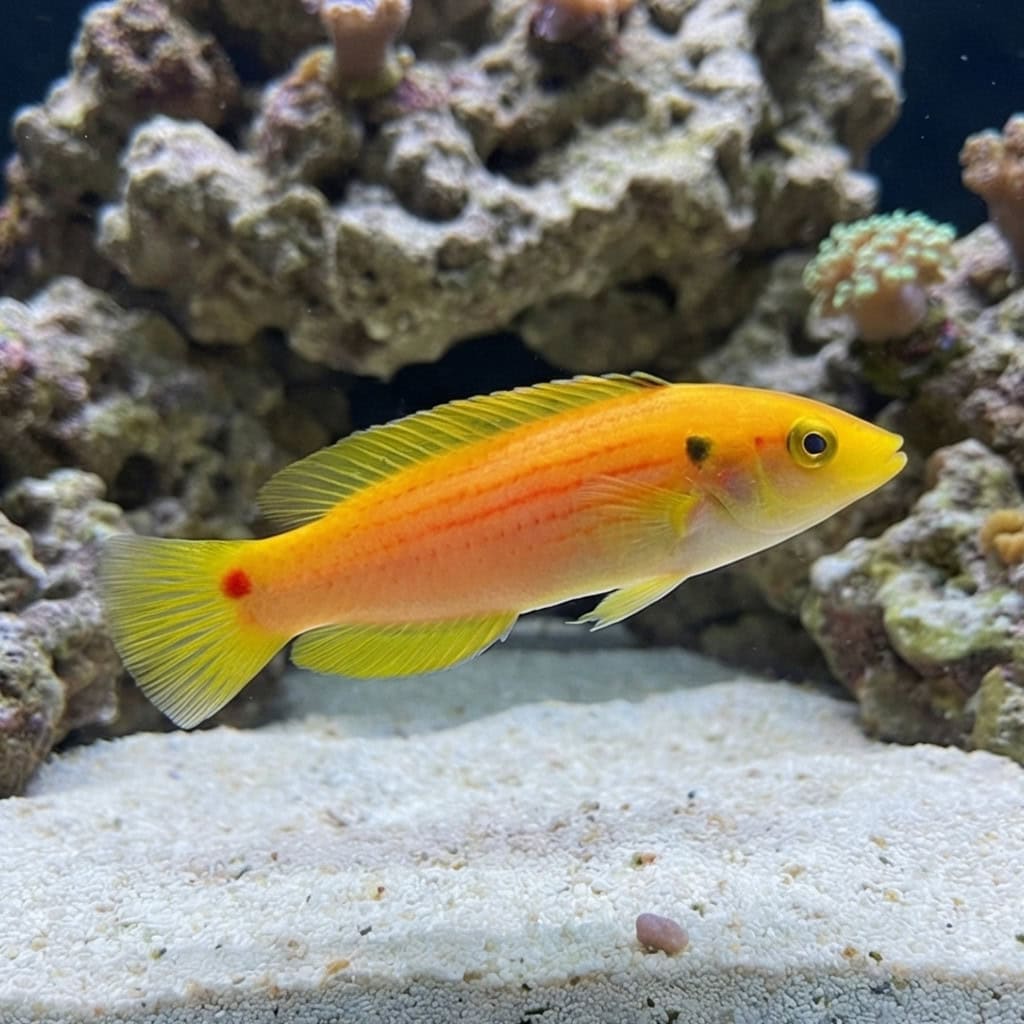
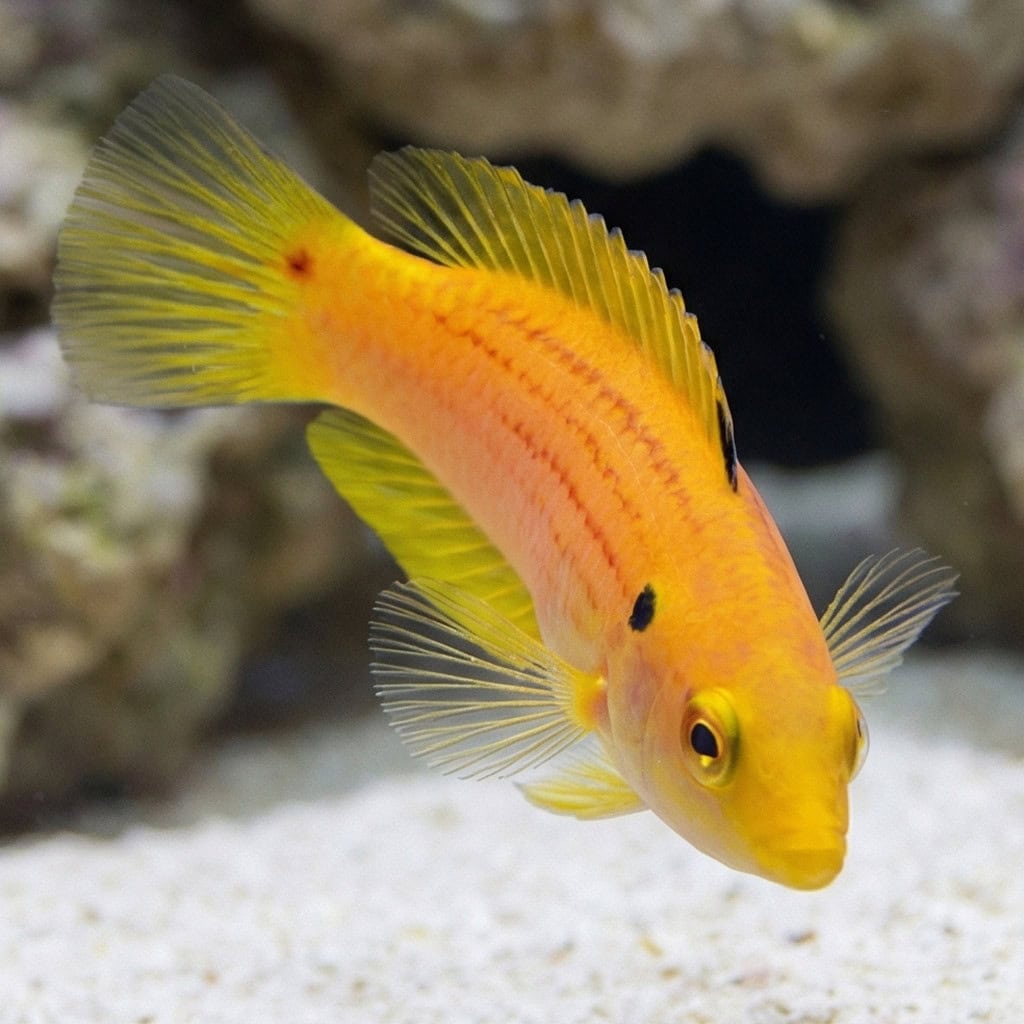
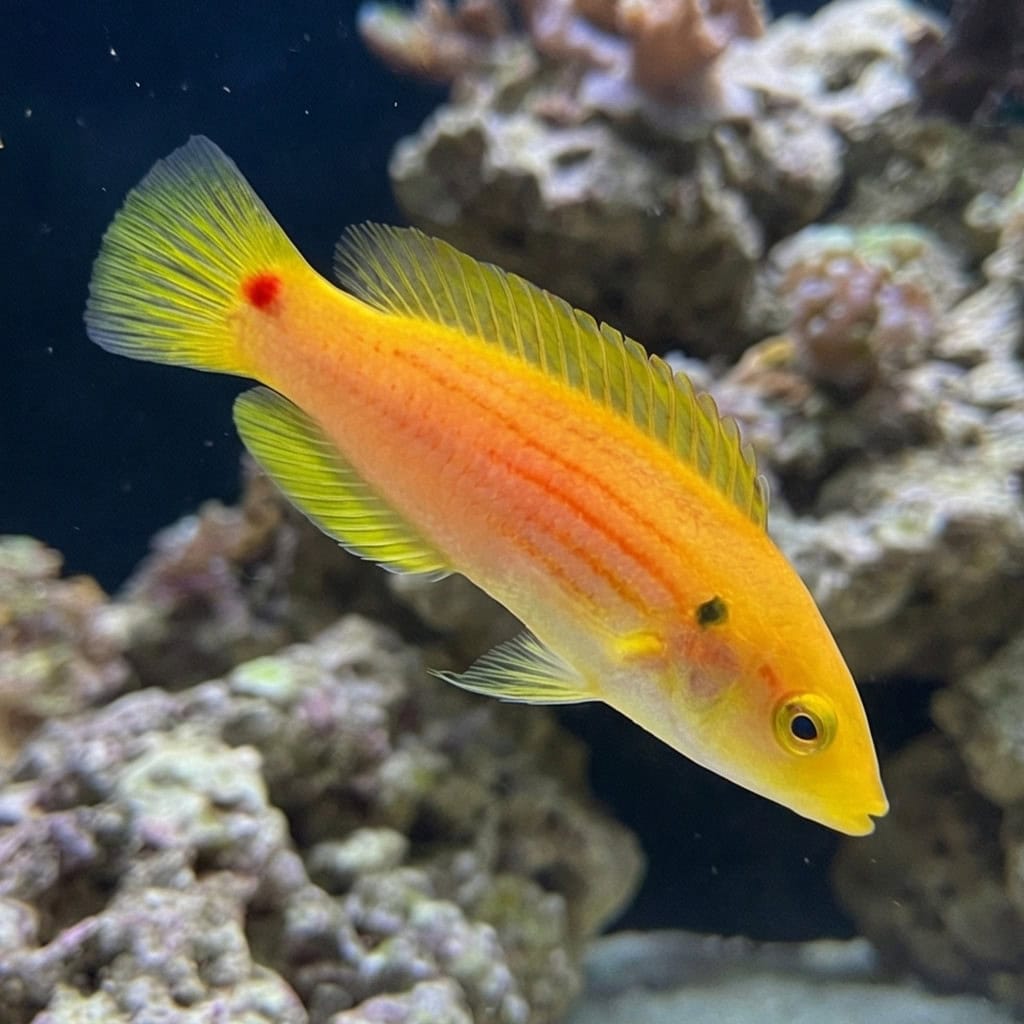
Twospot Candy Hogfish
Bodianus bimaculatus
| Stock | Variations | Price | Quantity | |
|---|---|---|---|---|
| Out of Stock | 2.25 - 3.5" - Indian Ocean | Original price was: $142.99.$74.99Current price is: $74.99. | Email me | |
| Out of Stock | 2.25" or smaller - Indian Ocean | Original price was: $127.99.$66.99Current price is: $66.99. | Email me | |
| Out of Stock | 2.25" or smaller - Indo-Pacific | Original price was: $133.99.$69.99Current price is: $69.99. | Email me |
Every order ships with our standard 3-hour live arrival guarantee. Need more time? Add our 5-Day Guarantee at checkout.
Full guarantee terms →Ships Monday – Thursday for next-day arrival at your nearest FedEx Hold location — typically ready by 9 AM. We monitor every delivery.
Shipping details →
Monday – Friday 8 AM – 9 PM
Saturday 12 PM – 4 PM
Sunday 12 PM – 9 PM
Healthy, stable animals from vetted suppliers — inspected before packing, shipped overnight. Decades of experience built this model so we can deliver premium livestock at 30%+ less than you'd pay elsewhere.
| Care Level | Easy |
|---|---|
| Temperament | Peaceful |
| Reef Safe | With Caution |
| Functional Benefit | Ornamental Only |
| Diet Type | Carnivore |
| Mininum Tank Size | 30 gallons |
| Max Size | 4 inches |
| Temperature | 72–78°F |
| pH Range | 8.1–8.4 |
| Specific Gravity | 1.022–1.025 |
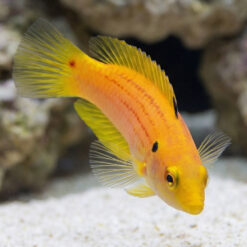
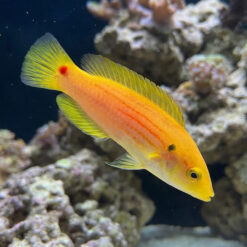
The Twospot Candy Hogfish (Bodianus bimaculatus) is a small Indo-Pacific hogfish often seen in yellow to yellow-orange tones with two dark “spots” (ocelli) that stand out clearly as it moves through the rockwork. It’s commonly listed as a Twinspot/Twospot Slender Hogfish and stays compact for a wrasse relative.
What You’ll Observe:
- Cruises the rockwork and lower water column, regularly dropping down to inspect sand and rubble zones
- Comes out quickly for food and learns feeding routines, often taking frozen foods directly from the water column
- May “shadow” other fish during feeding time and weave between corals without constantly perching in one spot
- In established tanks, hobbyists sometimes report occasional “cleaning-style” picking behavior on larger fish during calm moments
Provide a rockwork layout with open lanes for short, quick swims and a few sheltered pockets it can use as a retreat. Offer a steady rotation of small meaty foods and keep portions consistent so it can feed confidently alongside other active fish. It does best in a community where tankmates allow it space at feeding time.
Does it tend to hide for the first few days, and when does it usually start acting “normal”?
Many hobbyists report an initial adjustment period where it stays close to rockwork; once it recognizes feeding cues, it becomes much more visible in the open.
Can it be kept as a pair or in a small group?
Some keepers have maintained pairs and even small harem-style groupings in larger systems, especially when added together; long-term success is most consistent when each fish has space to establish its own routine.
Why does mine seem interested in grazing on algae sheets meant for tangs?
Some individuals investigate nori during feeding activity, likely treating it as an easy “bonus” item; it’s usually an occasional behavior rather than a full diet shift.
Is occasional “picking” on other fish a bad sign?
Light, brief picking that doesn’t cause chasing can be normal exploratory behavior in wrasses/hogfish; most keepers judge it by whether the other fish remains relaxed and unbothered.
Will it rearrange the sandbed or bother corals while it hunts?
It commonly inspects the sand and rubble line for edible bits, but it typically doesn’t bulldoze the substrate like dedicated sand-sifters; stable frags and secure rock placement help keep the tank looking the same day to day.
We work with trusted suppliers who keep our specimens healthy and well-fed before shipping.
Recently viewed products