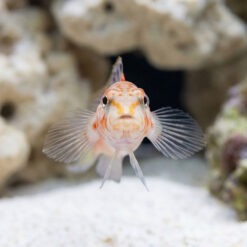
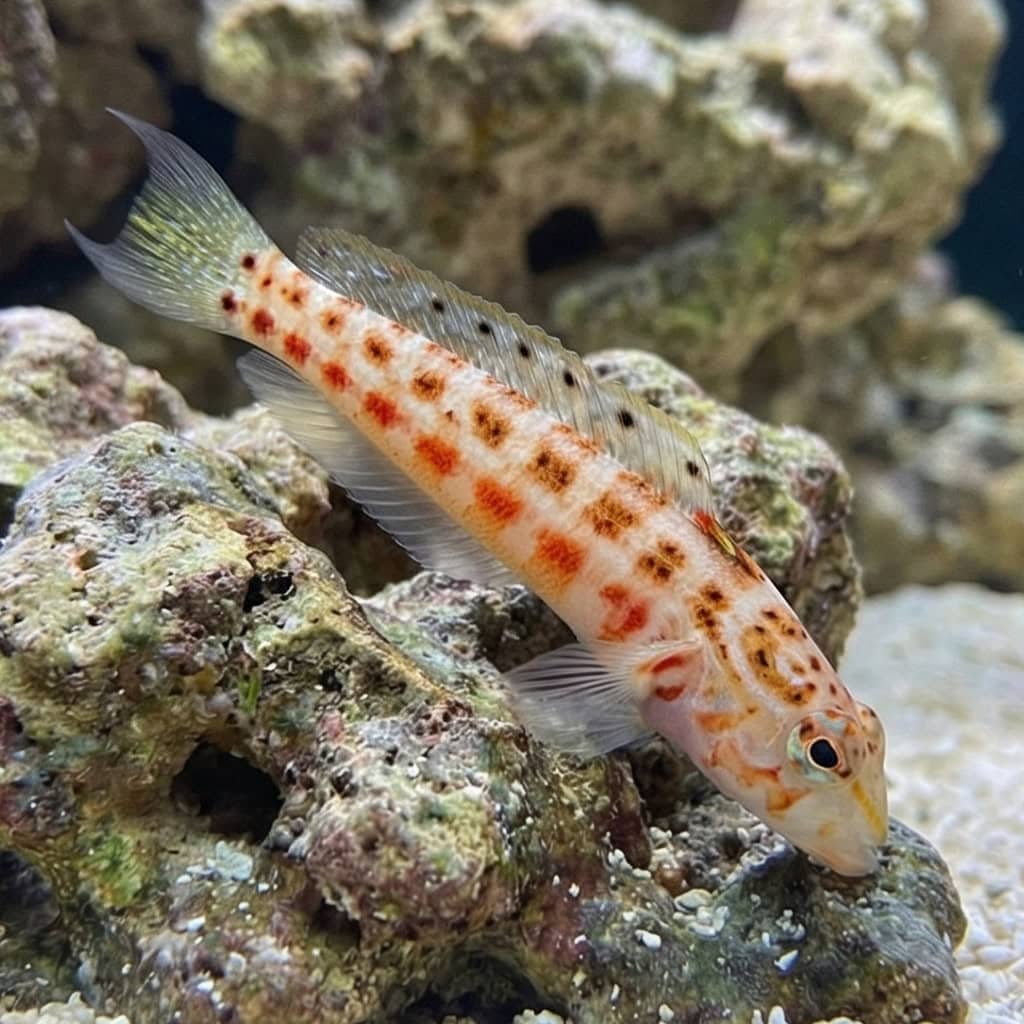
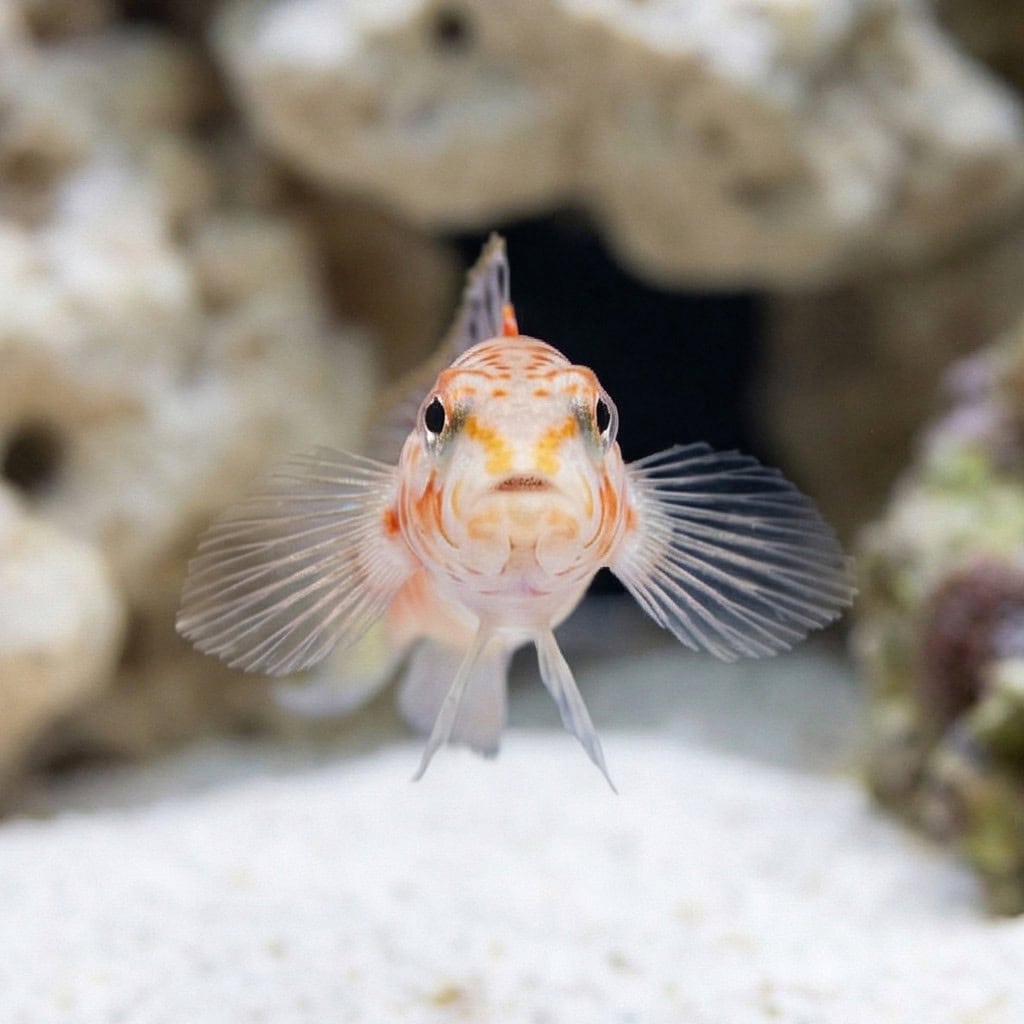
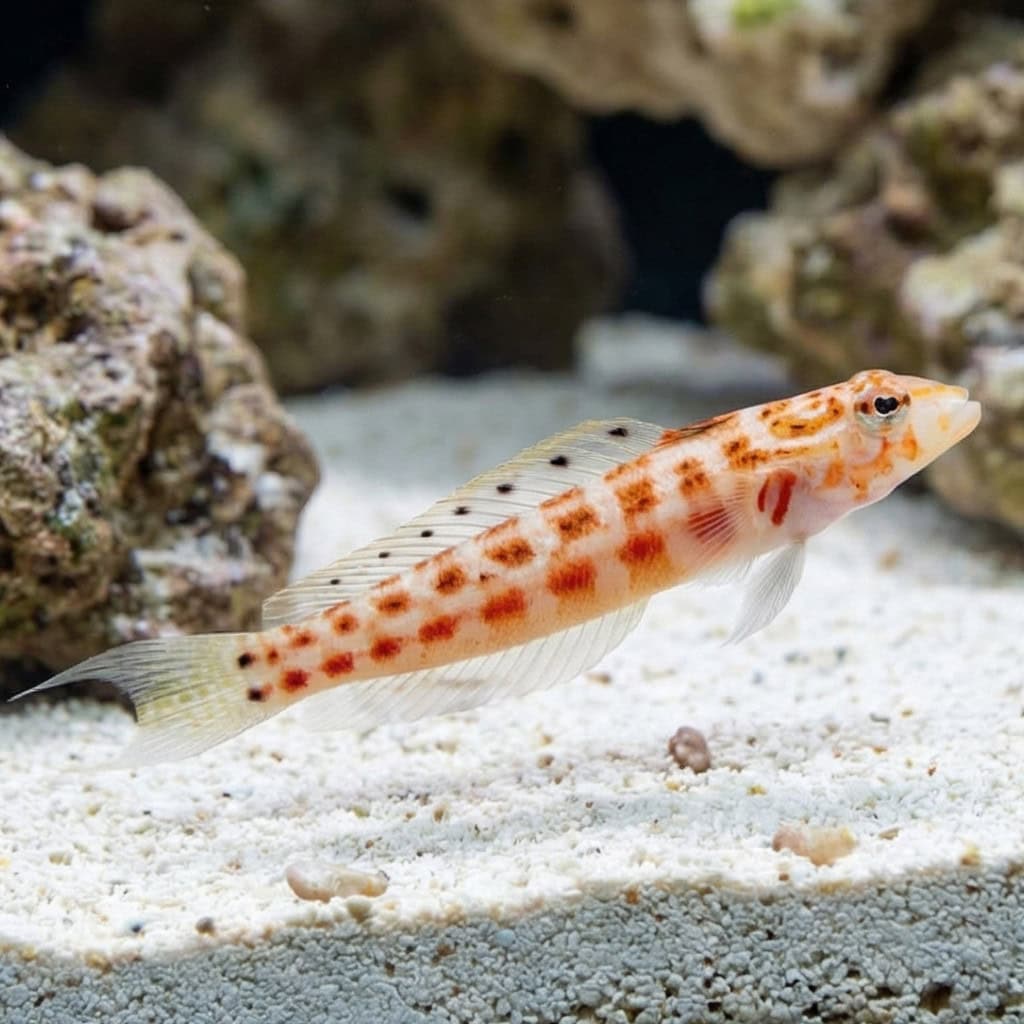
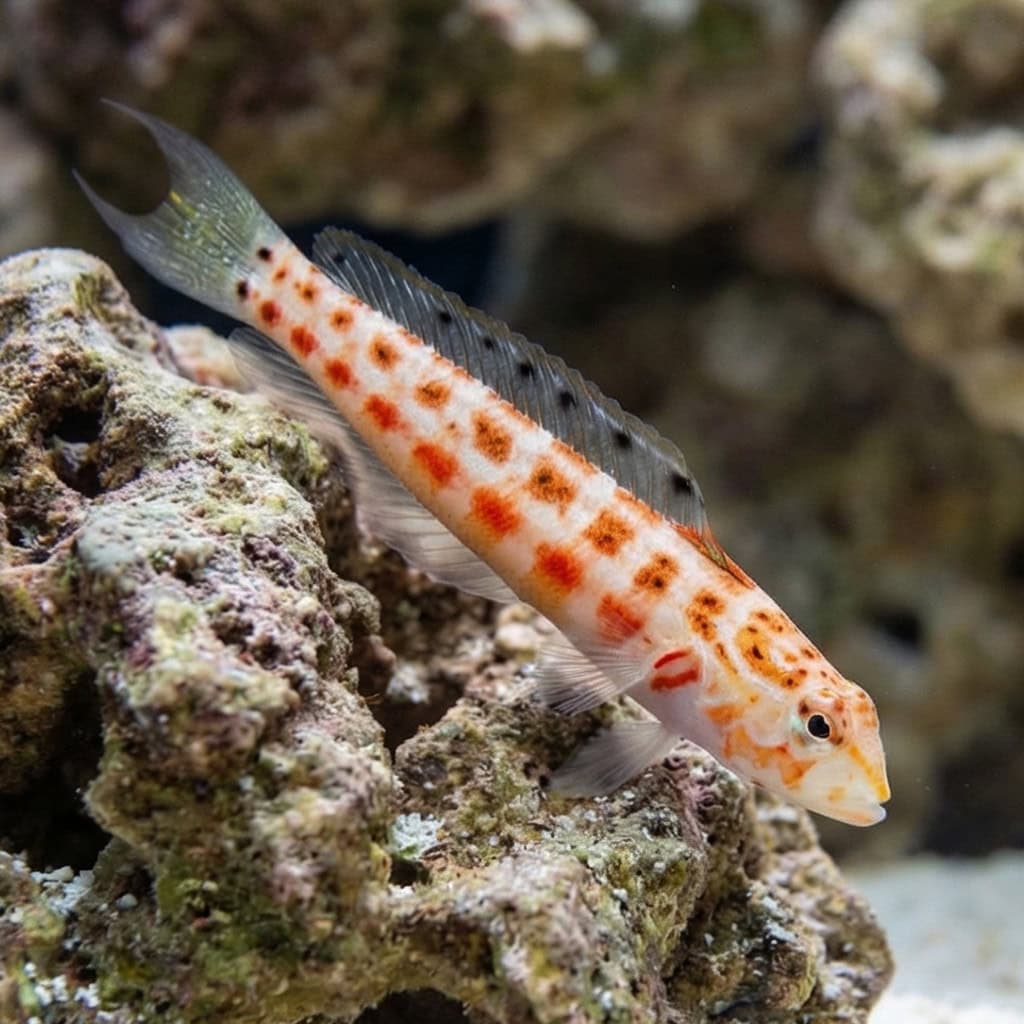
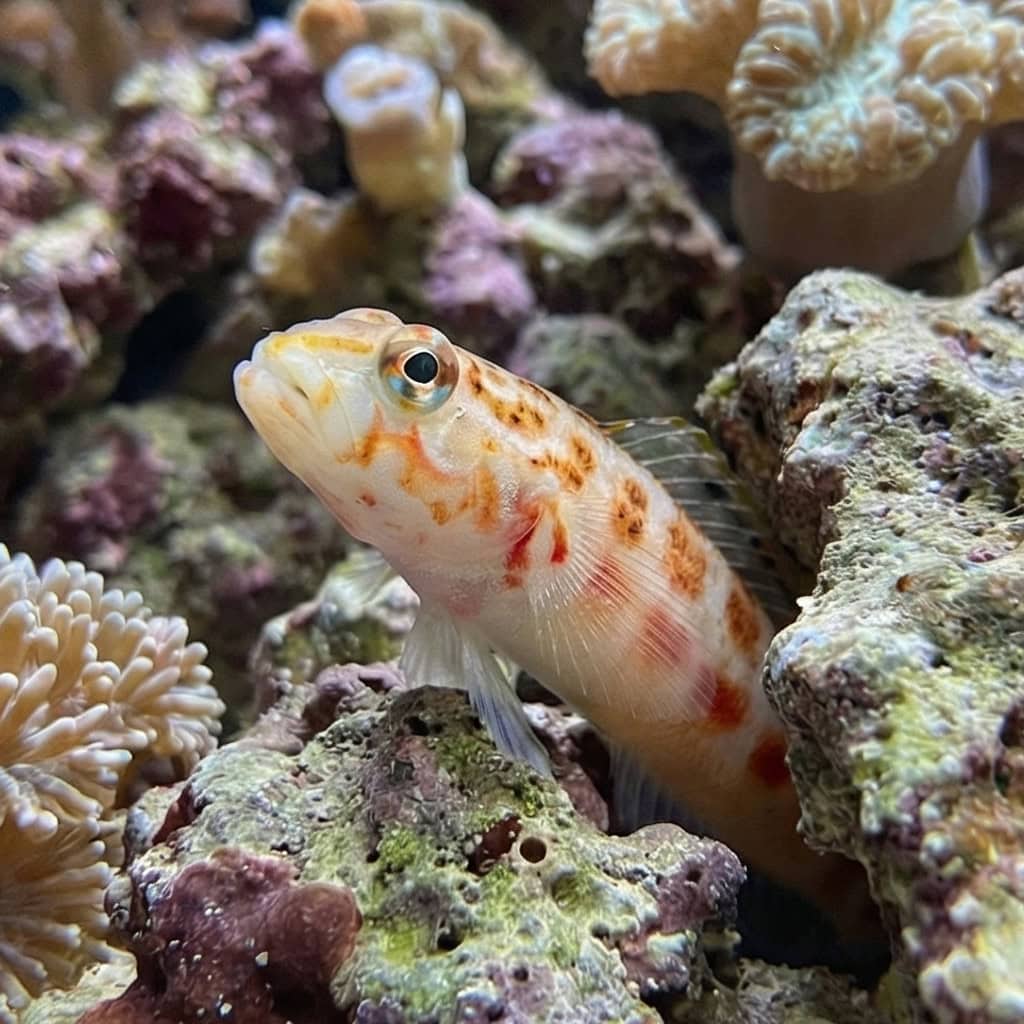


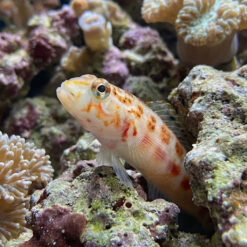
U Mark Sandperch
Parapercis snyderi
| Stock | Variations | Price | Quantity | |
|---|---|---|---|---|
| Out of Stock | 2.25 - 3.5" - Indian Ocean | Original price was: $79.99.$41.99Current price is: $41.99. | Email me |
Every order ships with our standard 3-hour live arrival guarantee. Need more time? Add our 5-Day Guarantee at checkout.
Full guarantee terms →Ships Monday – Thursday for next-day arrival at your nearest FedEx Hold location — typically ready by 9 AM. We monitor every delivery.
Shipping details →
Monday – Friday 8 AM – 9 PM
Saturday 12 PM – 4 PM
Sunday 12 PM – 9 PM
Healthy, stable animals from vetted suppliers — inspected before packing, shipped overnight. Decades of experience built this model so we can deliver premium livestock at 30%+ less than you'd pay elsewhere.
| Care Level | Easy |
|---|---|
| Temperament | Bold |
| Reef Safe | With Caution |
| Functional Benefit | Ornamental Only |
| Diet Type | Carnivore |
| Mininum Tank Size | 40 gallons |
| Max Size | 4 inches |
| Temperature | 72–78°F |
| pH Range | 8.1–8.4 |
| Specific Gravity | 1.022–1.025 |
The U Mark Sandperch (Parapercis snyderi) is a sandperch known for the distinctive U-shaped markings along its body and a low, bottom-oriented posture over sand and rubble. It’s native to the Western Pacific, including areas around northern Australia and Indonesia.
What You’ll Observe:
- Perching on rock ledges and “scooting” across open sand between resting spots
- Short, quick dashes to investigate movement near the bottom
- A watchful, head-turning posture that looks more like a perch-and-pivot than constant cruising
- Spending most of its time in the lower zones, with brief midwater excursions during feeding
Provide open sand or fine rubble areas with a few stable perches and shaded nooks so it can settle in and choose a routine. Offer small meaty foods that drift past its station (like mysis or finely chopped seafood) and keep feeding consistent so it stays engaged and active.
Why is this fish sometimes sold as a “Sandhopper Blenny” even though it isn’t a blenny?
In the trade it’s sometimes labeled like a blenny because it lives on the bottom and has a goby-like “perching” style, but it’s actually a sandperch (genus Parapercis).
Does it spend more time on sand or on rock?
Many individuals use both: open sand for moving between areas, and rock ledges for perching and surveying the tank.
Is the “perch-and-pivot” (head turning / watching) behavior normal?
Yes—this is a common, recognizable behavior pattern for sandperches and is part of what makes them fun to observe.
Can it be kept with other bottom-dwellers?
It often does best when other bottom fish have their own clearly separated zones (multiple perches and caves spread out helps).
Does their behavior stay the same over time?
Many keepers report they become more established and site-attached as they settle in, often choosing a few favorite perches and patrol routes.
Each fish is checked for strong appetite and activity before we approve it for your tank.
Recently viewed products