
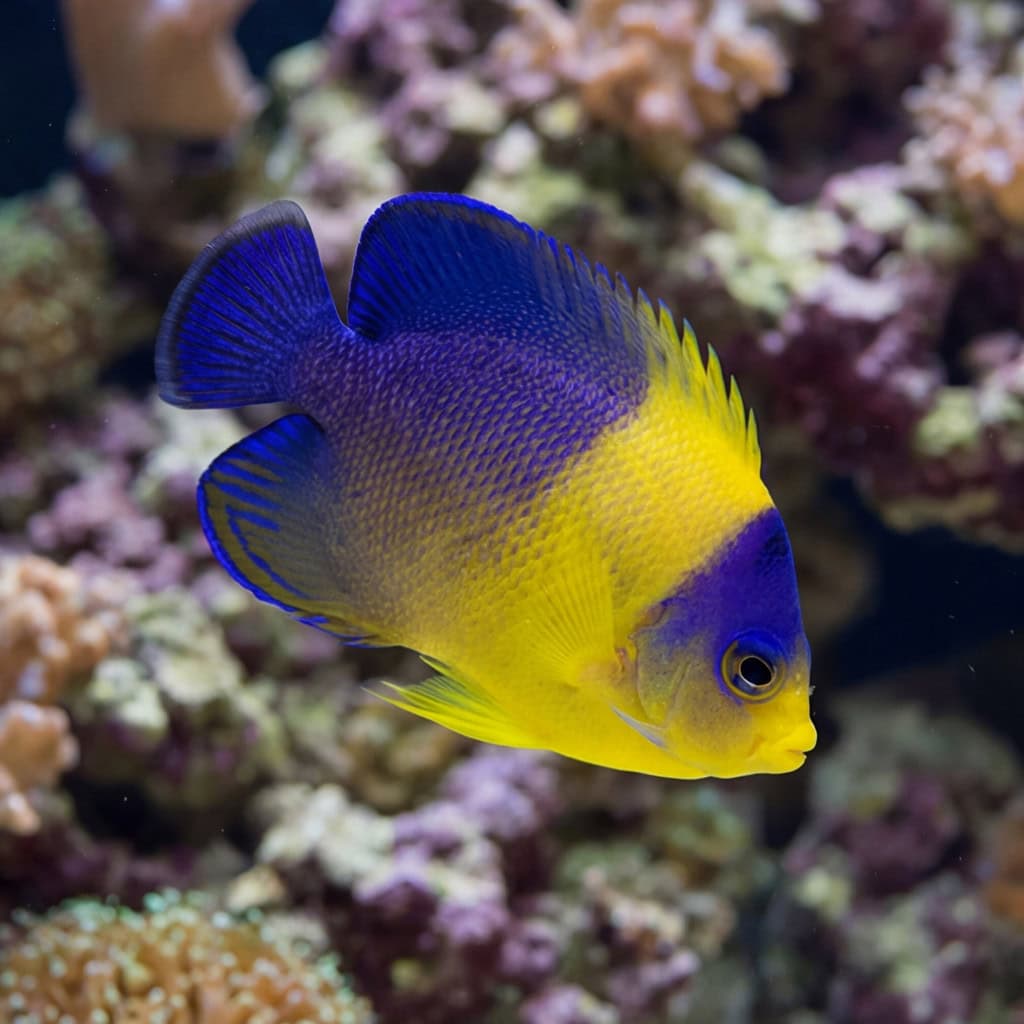
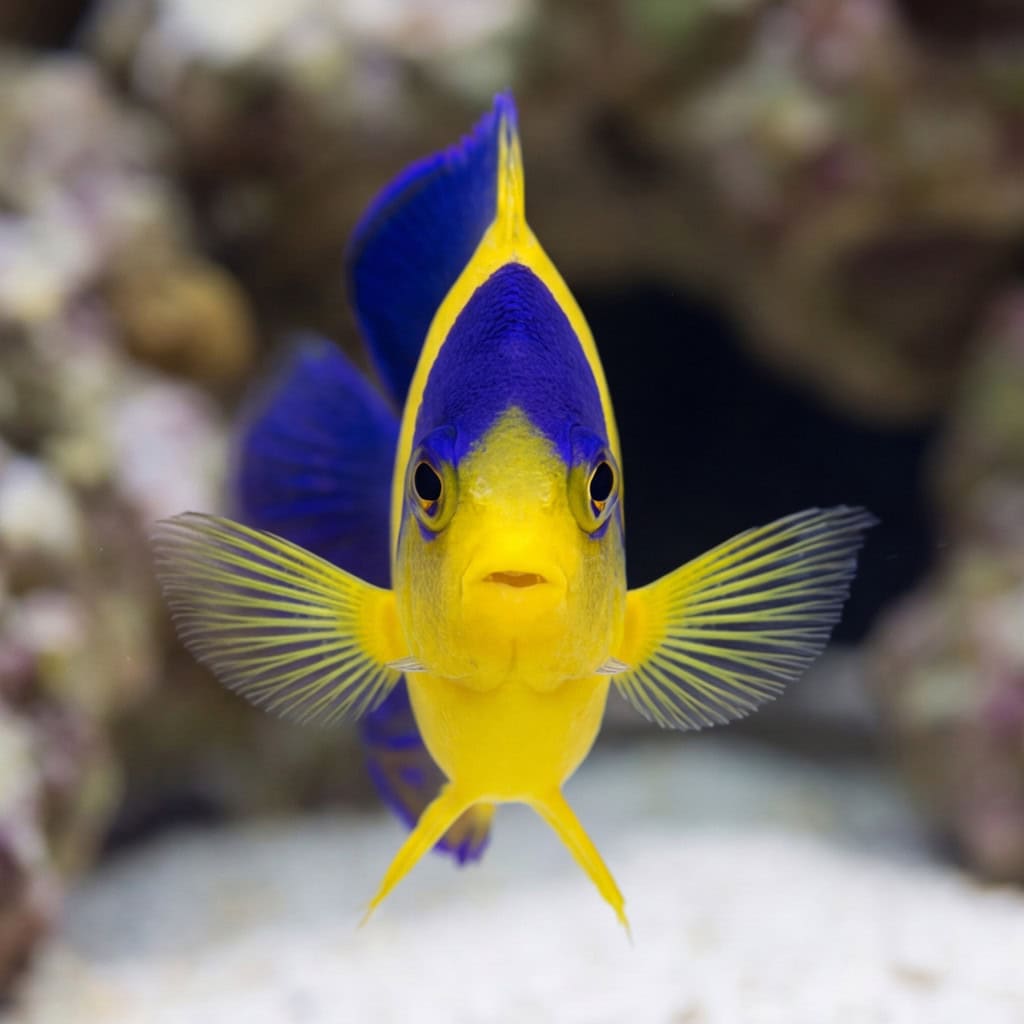
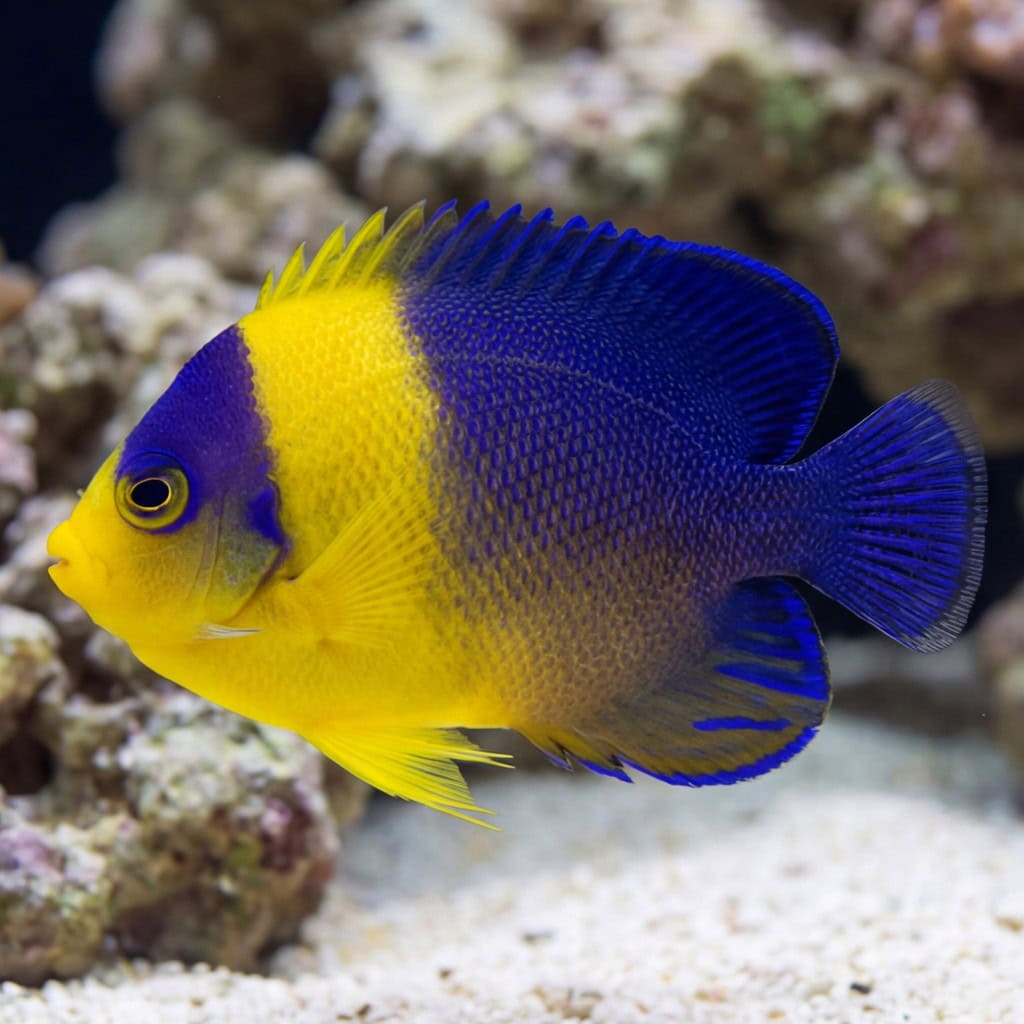
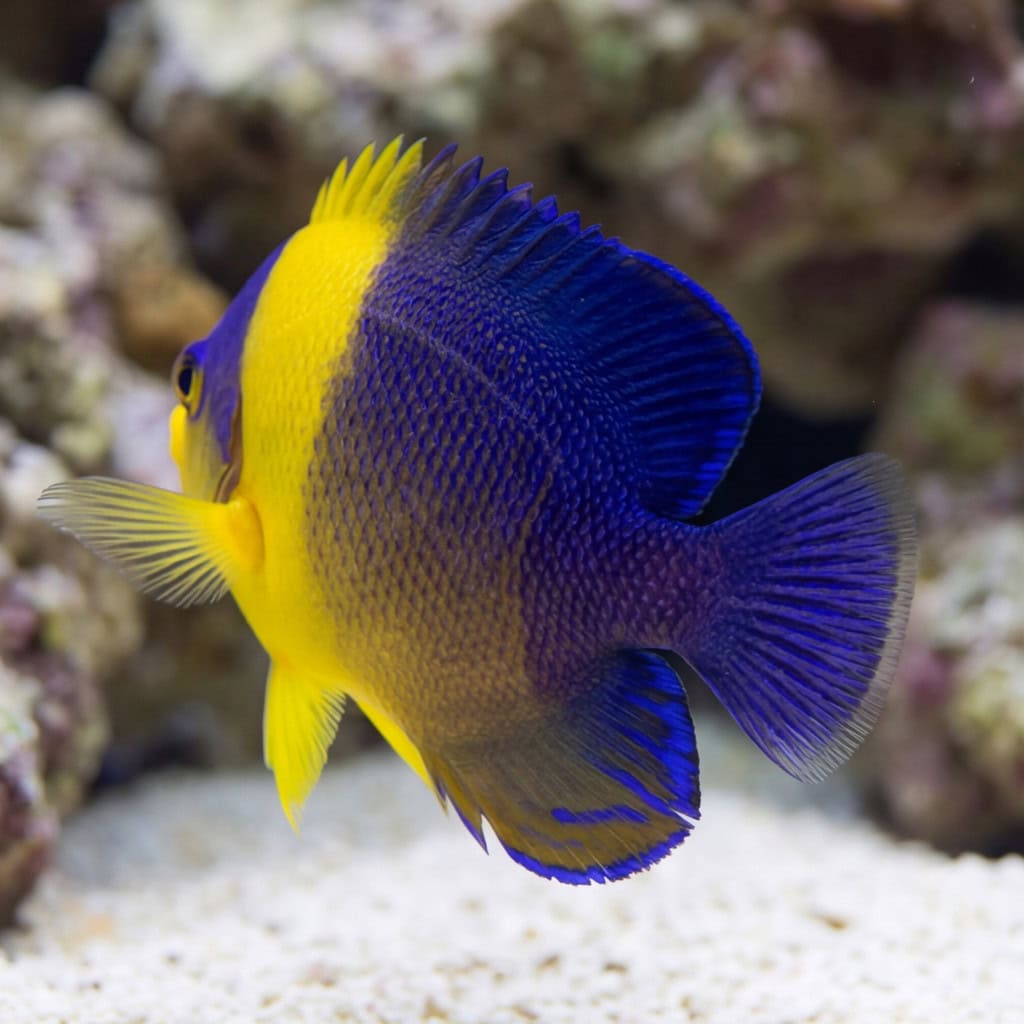
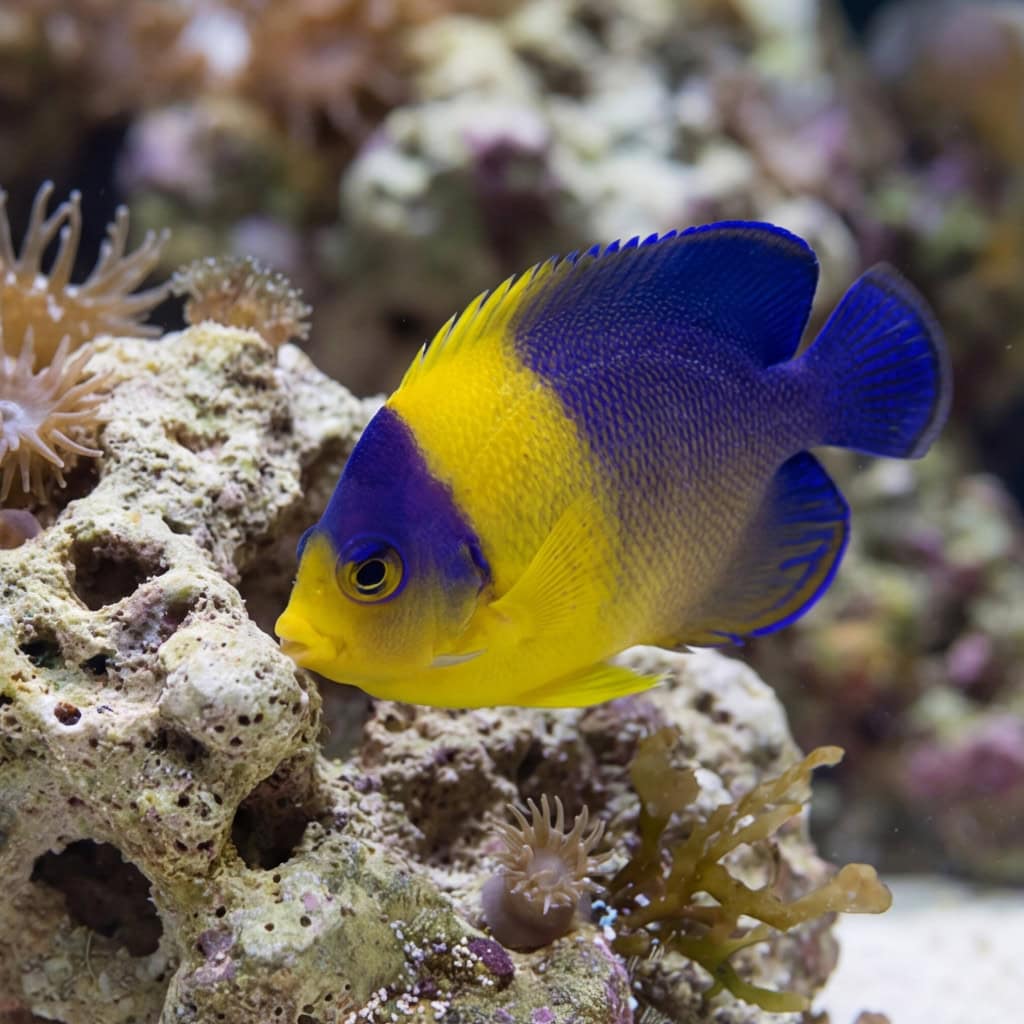
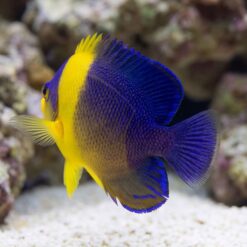
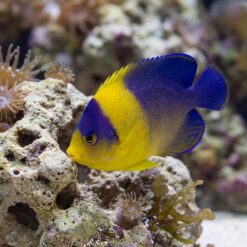
Venustus Angelfish
Paracentropyge venustus
Price range: $180.99 through $202.99
| Stock | Variations | Price | Quantity | |
|---|---|---|---|---|
| In Stock | 2 - 3" - Indo-Pacific | Original price was: $385.99.$202.99Current price is: $202.99. |
-
+
|
|
| Only 3 left | 2" or smaller - Indo-Pacific | Original price was: $343.99.$180.99Current price is: $180.99. |
-
+
|
Every order ships with our standard 3-hour live arrival guarantee. Need more time? Add our 5-Day Guarantee at checkout.
Full guarantee terms →Ships Monday – Thursday for next-day arrival at your nearest FedEx Hold location — typically ready by 9 AM. We monitor every delivery.
Shipping details →
Monday – Friday 8 AM – 9 PM
Saturday 12 PM – 4 PM
Sunday 12 PM – 9 PM
Healthy, stable animals from vetted suppliers — inspected before packing, shipped overnight. Decades of experience built this model so we can deliver premium livestock at 30%+ less than you'd pay elsewhere.
| Care Level | Expert |
|---|---|
| Temperament | Semi-Aggressive |
| Reef Safe | With Caution |
| Functional Benefit | Ornamental Only |
| Diet Type | Omnivore |
| Mininum Tank Size | 70 gallons |
| Max Size | 5 inches |
| Temperature | 72–78°F |
| pH Range | 8.1–8.4 |
| Specific Gravity | 1.022–1.025 |
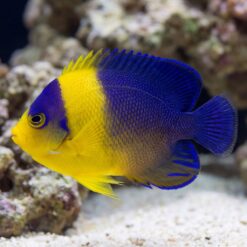
The Venustus Angelfish (Paracentropyge venustus) is a deep-reef dwarf angelfish with a yellow front half and a blue “mask” and back half that gives it the common “purple mask / blue-backed” look. It tends to stay close to rock structure and uses caves and overhangs as its home base.
What You’ll Observe:
- Short, deliberate foraging laps where it pecks at rock and shaded surfaces between breaks in cover
- A “favorite spot” under a ledge or inside a crevice that it returns to throughout the day
- More visible activity during calmer periods of the photoperiod (early/late) once it’s settled in
- A noticeable increase in confidence over the first few weeks as it learns the tank’s routine
To succeed, provide an established reef with open rockwork plus multiple caves/overhangs so it can browse and reset between feedings. Offer a varied menu of frozen meaty foods alongside prepared angelfish foods that include sponge, and feed small portions consistently.
Why does it hide for days (or longer) after introduction?
Many keepers report it spends extended time under ledges or in caves at first; as it learns the tank’s schedule, it typically shows itself more often.
What starter foods get the best first responses?
Common “first takes” are frozen mysis and finely chopped clam/shrimp, followed by prepared angelfish foods that contain sponge once it recognizes them as food.
Does it usually pick at SPS, LPS, or clams equally?
Reports are mixed by individual fish; some hobbyists see occasional test pecks on SPS or clam mantles, while others see little to no interest once the fish is eating well.
If I quarantine, what setup seems to work better for this species?
Keepers often do better when the fish has structure (PVC plus rock-like cover) and regular, low-pressure feeding opportunities rather than a wide-open, brightly lit box.
Is it normal for it to be most active in dimmer/low-traffic times?
Yes’many owners notice it cruises more when the tank is calm (early/late), and it tends to expand its “out in the open” time as it settles.
Our selection process means you get robust, well-adjusted specimens that settle in quickly.
Recently viewed products