
Volitan Lionfish Lunulata/Russelii
Pterois lunulata/russelii
| Stock | Variations | Price | Quantity |
|---|
Every order ships with our standard 3-hour live arrival guarantee. Need more time? Add our 5-Day Guarantee at checkout.
Full guarantee terms →Ships Monday – Thursday for next-day arrival at your nearest FedEx Hold location — typically ready by 9 AM. We monitor every delivery.
Shipping details →
Monday – Friday 8 AM – 9 PM
Saturday 12 PM – 4 PM
Sunday 12 PM – 9 PM
Healthy, stable animals from vetted suppliers — inspected before packing, shipped overnight. Decades of experience built this model so we can deliver premium livestock at 30%+ less than you'd pay elsewhere.
| Care Level | Moderate |
|---|---|
| Temperament | Semi-Aggressive |
| Reef Safe | With Caution |
| Functional Benefit | Ornamental Only |
| Diet Type | Carnivore |
| Mininum Tank Size | 120 gallons |
| Max Size | 12 inches |
| Temperature | 72–78°F |
| pH Range | 8.1–8.4 |
| Specific Gravity | 1.022–1.025 |
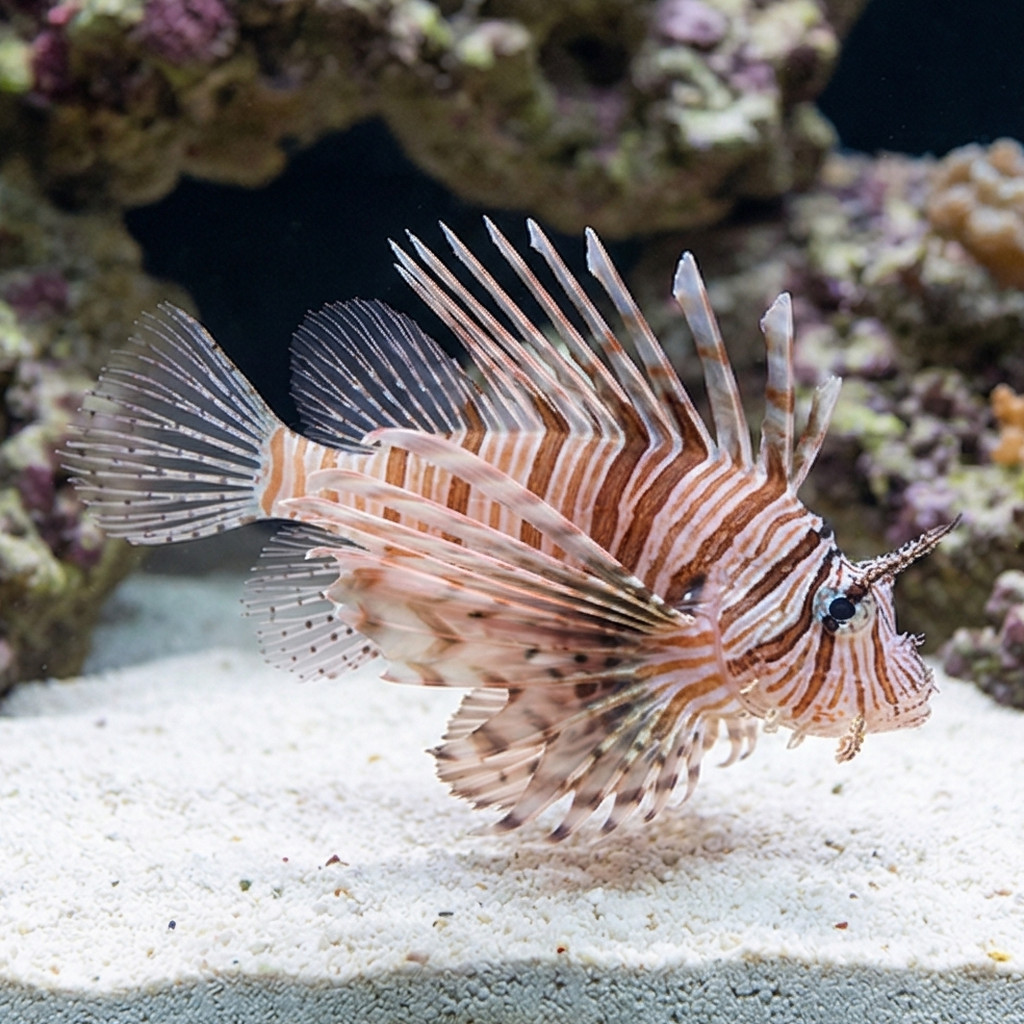
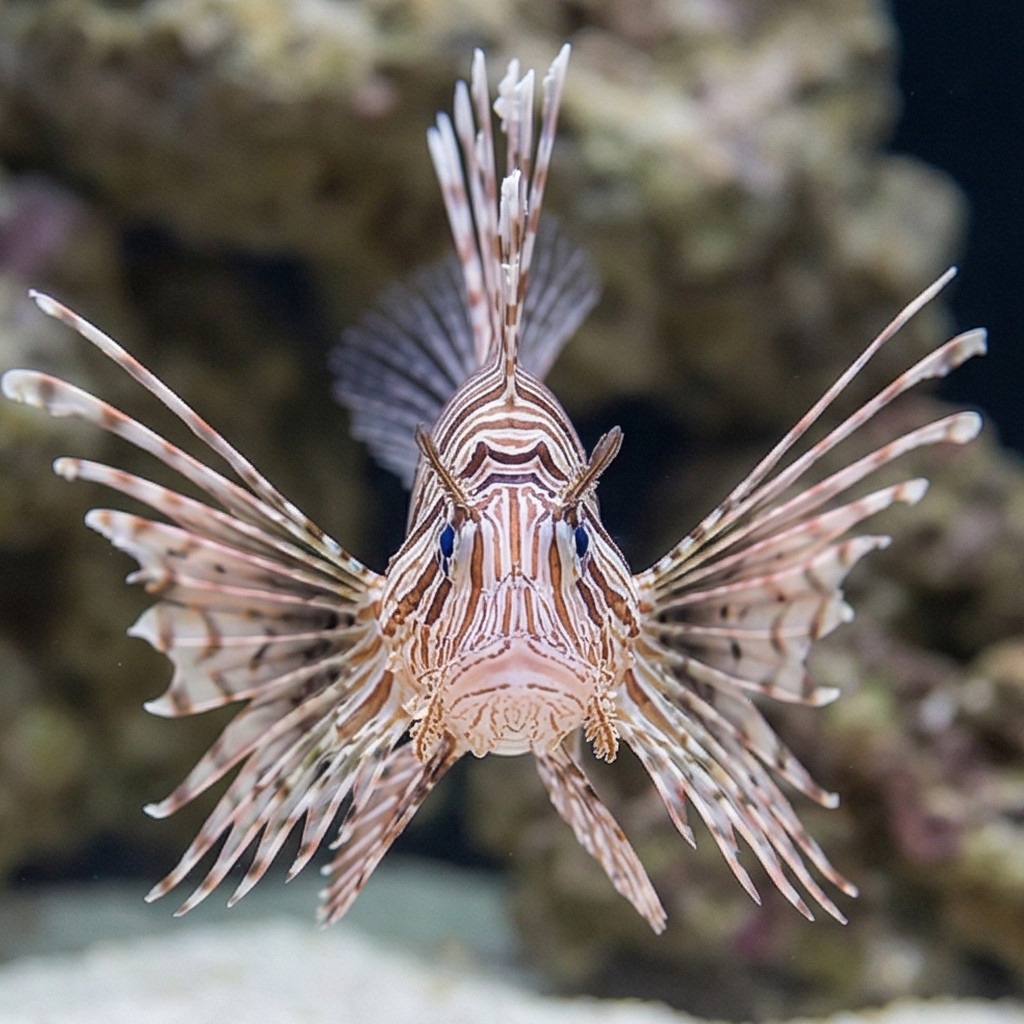
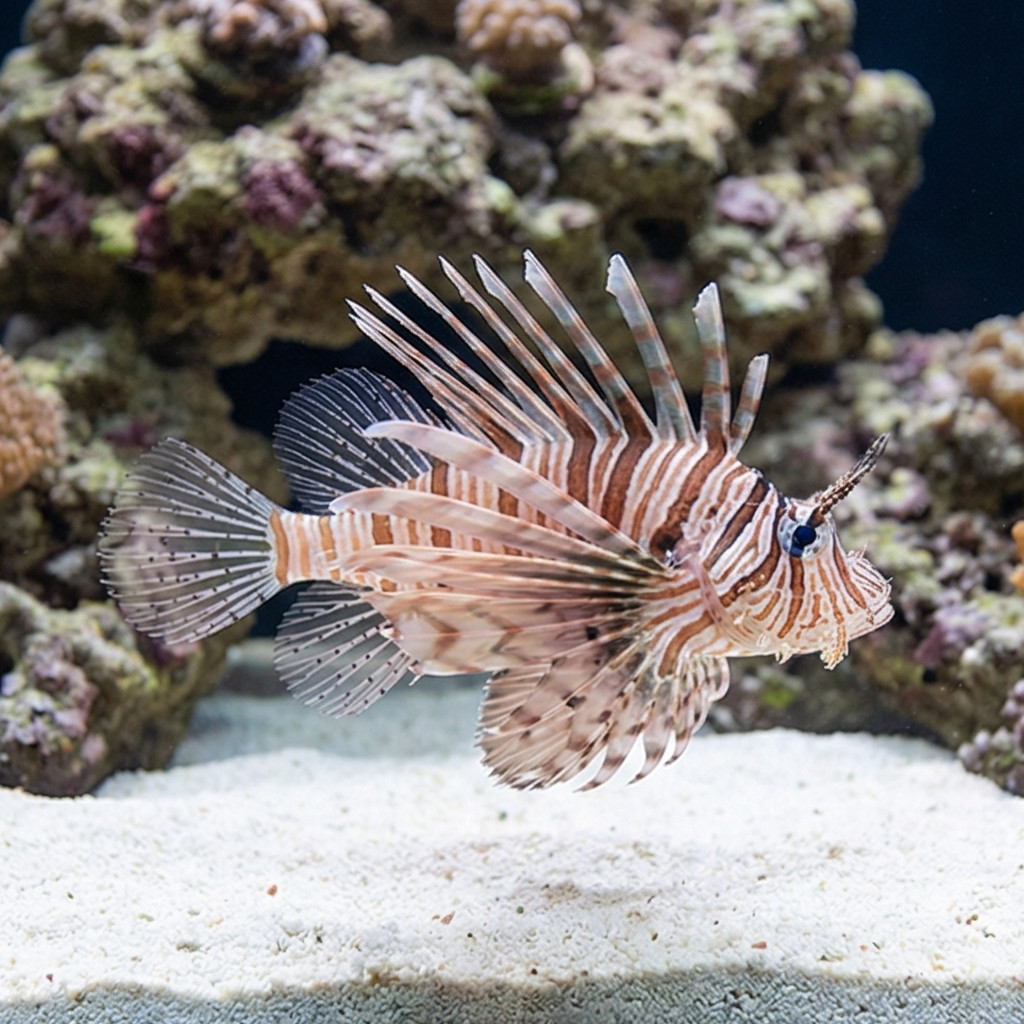
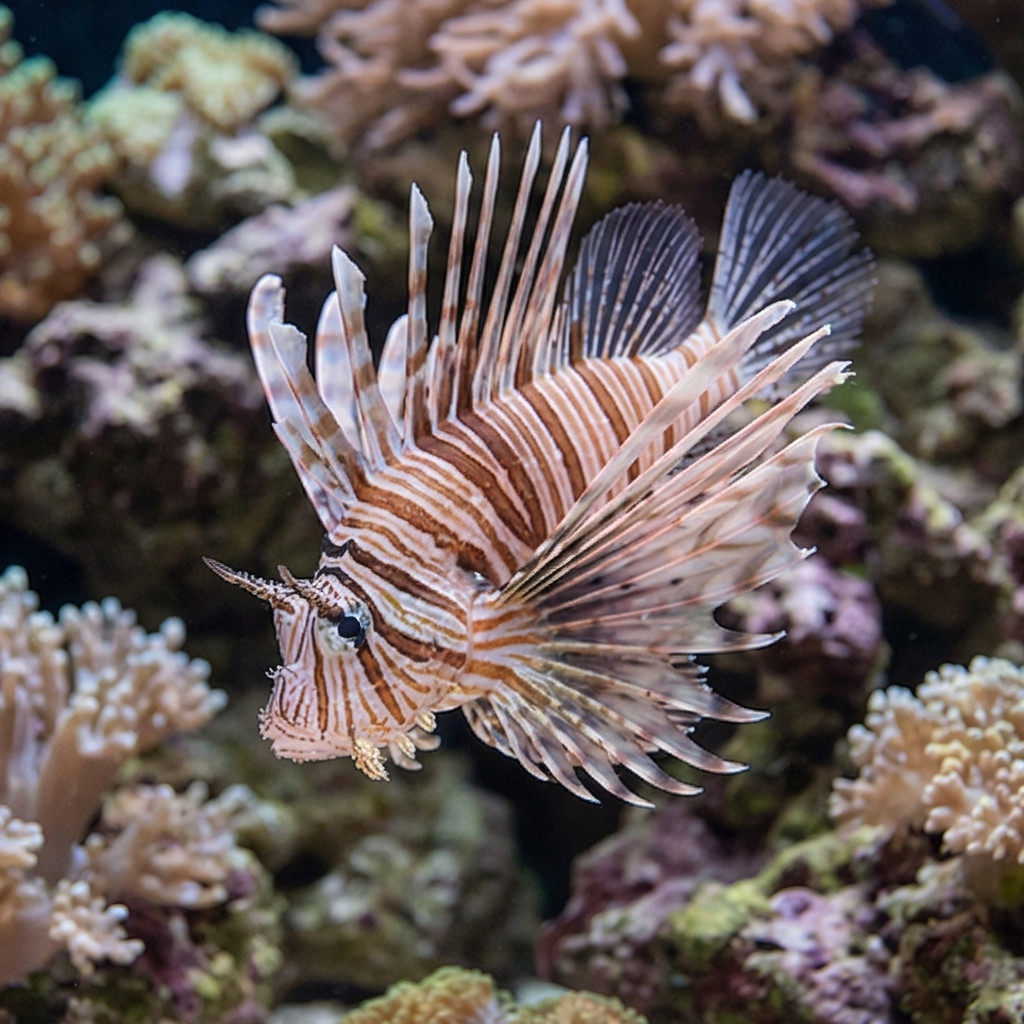
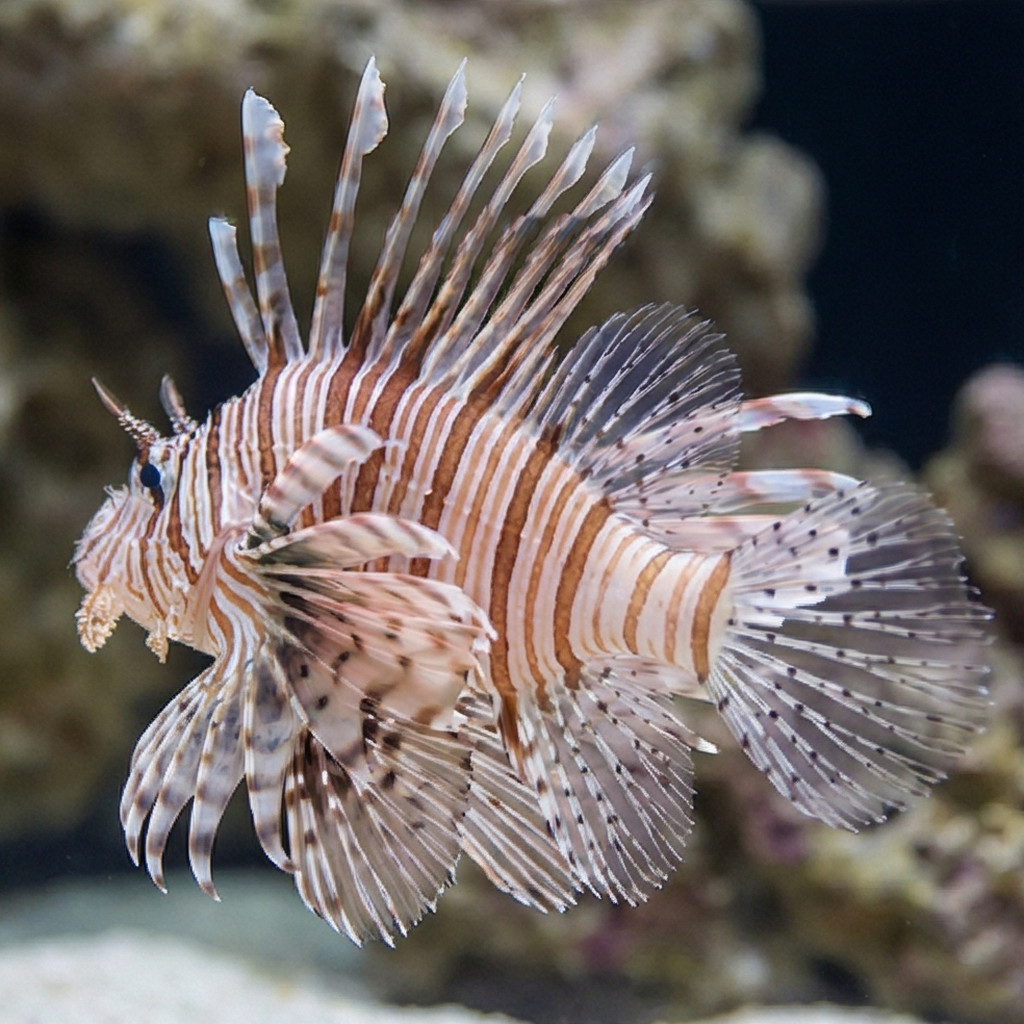
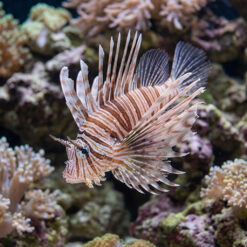
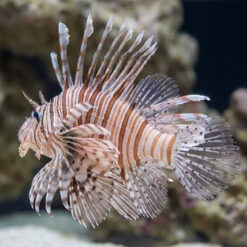
The Volitan Lionfish (Pterois lunulata/russelii) is a large, banded lionfish with wide, fan-like pectoral fins and long, upright dorsal spines that give it a “floating” look as it moves through the rockwork. It’s a classic predator-tank centerpiece that spends a lot of time perched on ledges and then glides out into the open at feeding time.
What You’ll Observe:
- Perching on rocks, overhangs, and corners, then repositioning to a new lookout spot
- Slow, controlled cruising punctuated by quick, precise feeding strikes
- Strong “food recognition” (it learns where you approach the tank from)
- More visible roaming during lower-light periods, with longer rests during the day
Provide stable rock structures with caves and shaded perches, plus open areas so it can turn and glide comfortably. Offer a variety of meaty marine foods (shrimp, squid, and similar) and present them in the water column with tongs or a feeding stick so it can strike naturally. Choose tankmates that are too large to fit in its mouth for the most consistent long-term compatibility.
Is it normal for a lionfish to perch sideways on rocks or glass?
Yes—many settle into “perch” positions that can look unusual, especially right after introduction, and then become more interactive around feeding time.
How long does it usually take to accept frozen or prepared foods?
Some begin taking offered foods quickly, while others respond better once they’ve learned a consistent feeding routine and the food is presented with movement.
Why does my lionfish sometimes miss or “spit” food during a strike?
Keepers often notice that strike accuracy improves with routine and consistent presentation; offering smaller pieces can make successful grabs more consistent.
Can I keep more than one Volitan-style lionfish together?
In larger systems, some hobbyists keep multiple lionfish successfully by adding them at similar sizes and maintaining predictable feeding so competition stays low.
Do the “horns”/antennae above the eyes always stay?
Many owners report these features can change with age and growth, and it’s common to see variation between individuals over time.
We work with trusted suppliers who keep our specimens healthy and well-fed before shipping.
Recently viewed products