
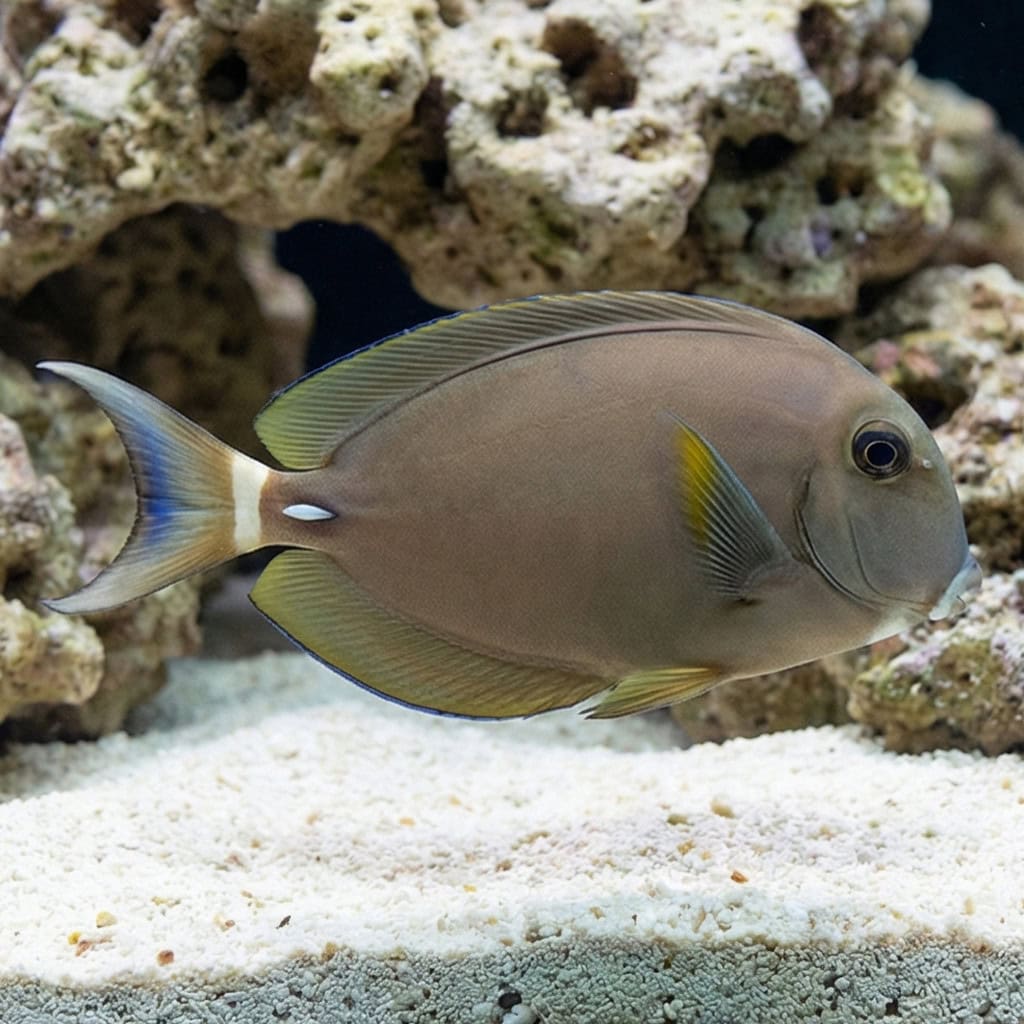
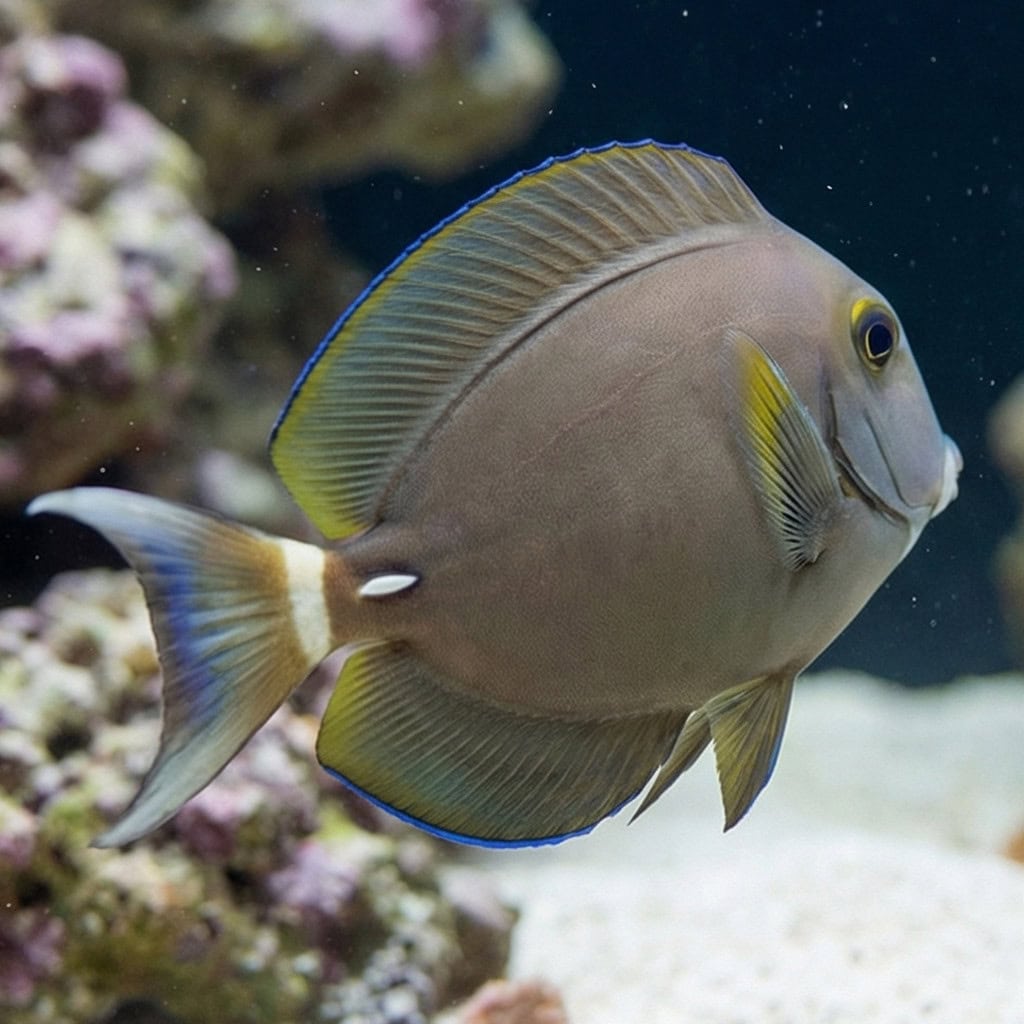
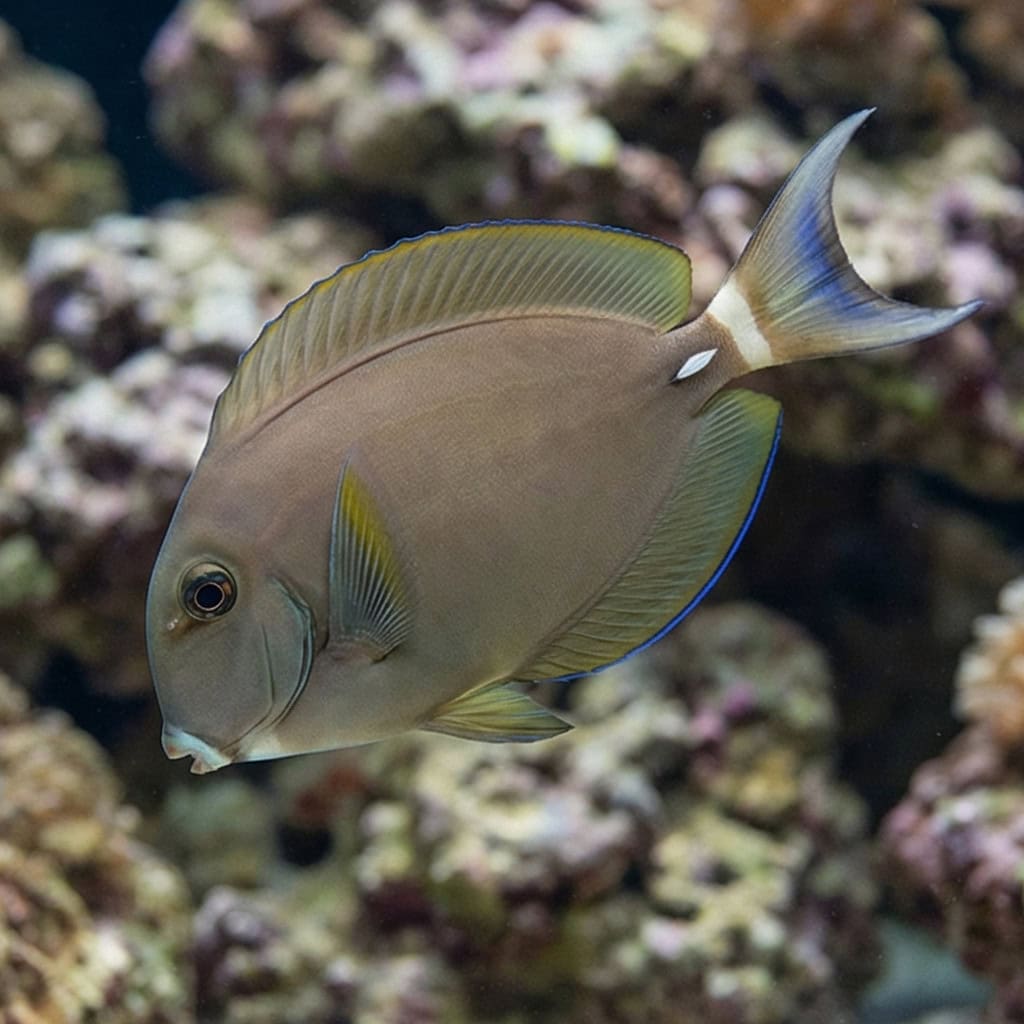
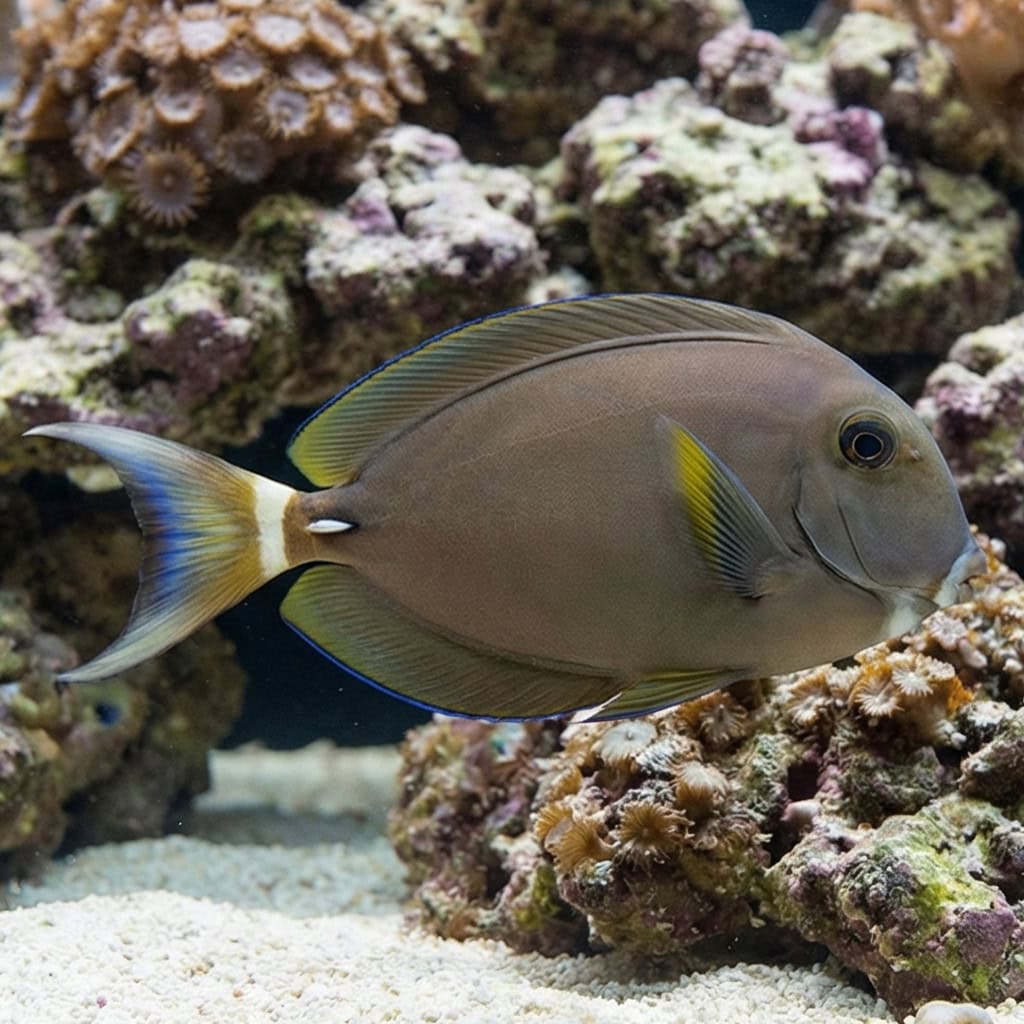
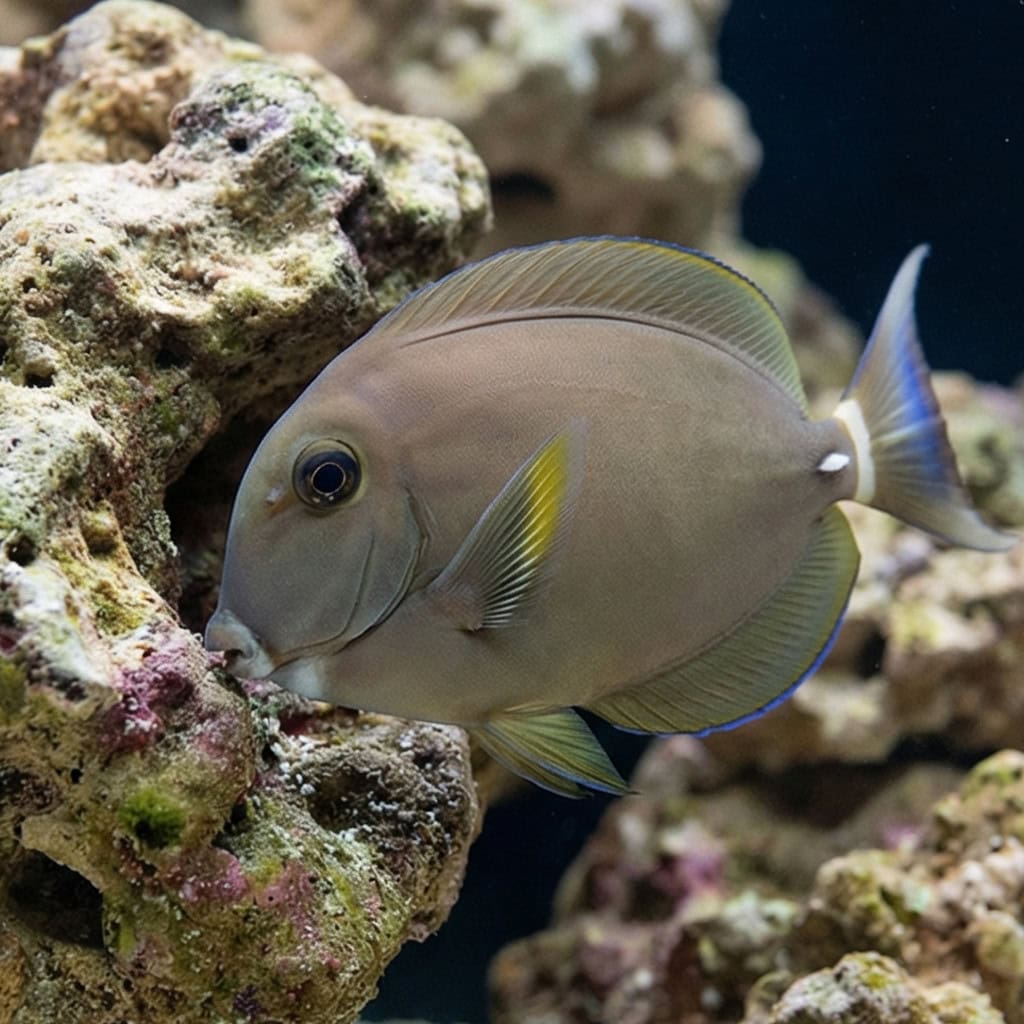
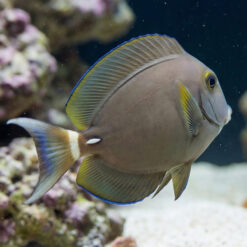
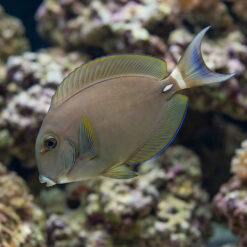
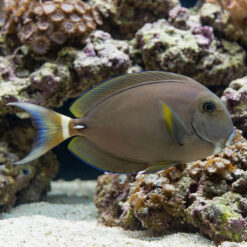
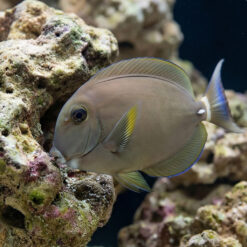
White Face Tang
Acanthurus leucocheilus
| Stock | Variations | Price | Quantity |
|---|
Every order ships with our standard 3-hour live arrival guarantee. Need more time? Add our 5-Day Guarantee at checkout.
Full guarantee terms →Ships Monday – Thursday for next-day arrival at your nearest FedEx Hold location — typically ready by 9 AM. We monitor every delivery.
Shipping details →
Monday – Friday 8 AM – 9 PM
Saturday 12 PM – 4 PM
Sunday 12 PM – 9 PM
Healthy, stable animals from vetted suppliers — inspected before packing, shipped overnight. Decades of experience built this model so we can deliver premium livestock at 30%+ less than you'd pay elsewhere.
| Care Level | Moderate |
|---|---|
| Temperament | Semi-Aggressive |
| Reef Safe | Yes |
| Functional Benefit | Algae Control |
| Diet Type | Herbivore |
| Mininum Tank Size | 180 gallons |
| Max Size | 18 inches |
| Temperature | 72–78°F |
| pH Range | 8.1–8.4 |
| Specific Gravity | 1.022–1.025 |
The White Face Tang (Acanthurus leucocheilus), also called the palelipped or white-spine surgeonfish, is a dark surgeonfish marked by pale lips, a lighter throat band, and a bright white tail “scalpel.” It’s a constant grazer that spends the day working rock surfaces and open sand edges, and it can reach about 18 inches as an adult.
What You’ll Observe:
- Steady, fast cruising with frequent “lap patrols” across the full length of the aquarium
- Regular picking at film algae on rockwork, overflows, and other hard surfaces
- A preferred “home zone” in the rock where it returns to rest, especially in the evening
- Clear interest in feeding stations and veggie clips once it learns your routine
To do well long-term, provide a 180-gallon aquarium with strong circulation, high oxygen, and long, open swim lanes plus mature rockwork for grazing. Offer nori daily along with herbivore pellets and mixed frozen foods in smaller feedings so it can graze between meals. In mixed-tang setups, it settles in best when introduced with a short acclimation-box period and plenty of feeding stations spread out in the tank.
Why is my White Face Tang swimming up and down the glass?
This is commonly tied to settling in and reacting to reflections. A background on the side panels and steady feeding routines often reduce the “patrol loop” behavior over time.
What if it ignores nori on a clip?
Try tearing smaller pieces and attaching them to a rock with a rubber band, or placing the clip near the area it already grazes. Some tangs start recognizing the clip faster when other fish feed from it first.
Is it normal for it to wedge into rockwork to sleep?
Yes—many tangs pick a tight ledge or cave and “park” there at night. Once it chooses a consistent sleeping spot, you’ll usually see it return to the same area.
How can I keep nori from getting ripped loose and floating away?
Fold the sheet into thicker layers, use two clips, or use a seaweed feeder grid so it has to graze instead of tearing. Removing leftover pieces after feeding time helps keep the system tidy.
What’s the smoothest way to add it if I already keep other tangs?
An acclimation box lets the existing fish see it without contact while it learns where food is offered. Rearranging a small section of rockwork and feeding from multiple stations can also help the group settle quickly.
Each fish is checked for strong appetite and activity before we approve it for your tank.
Recently viewed products