
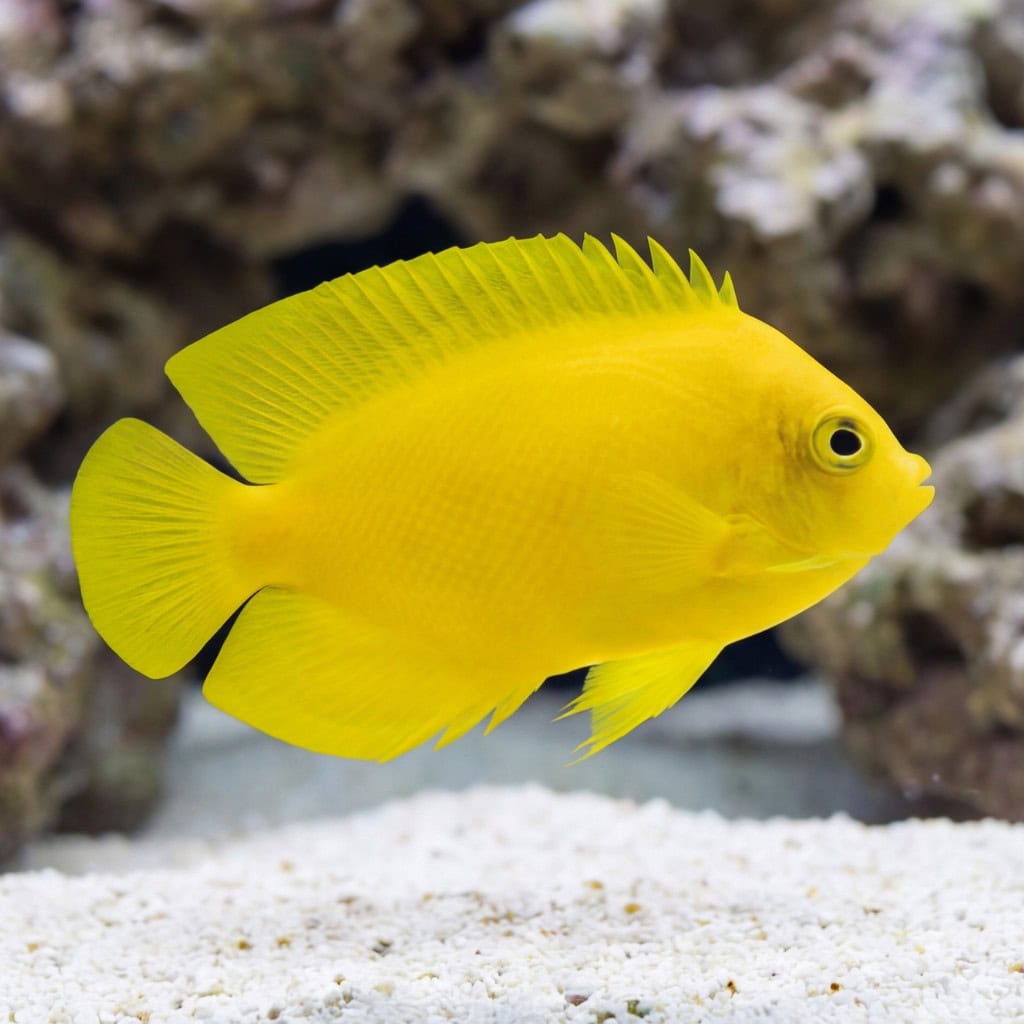
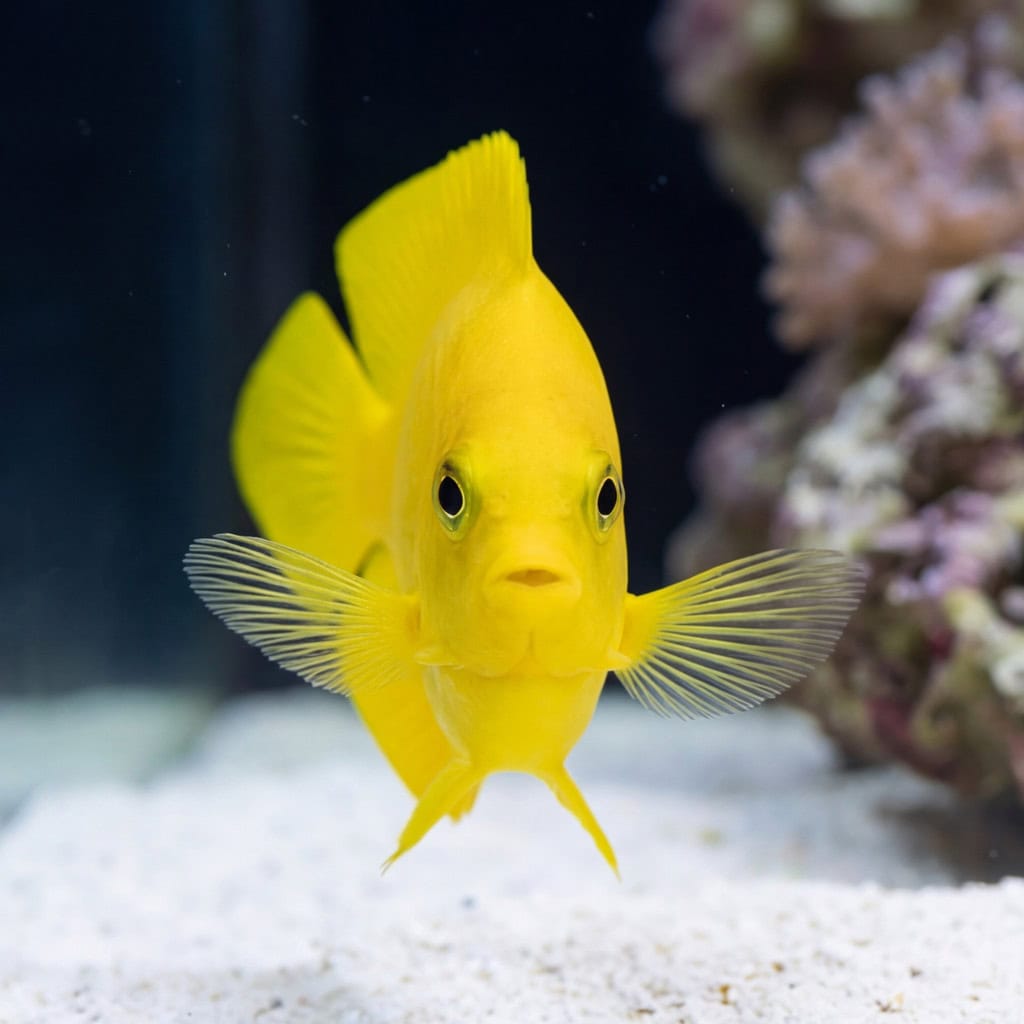
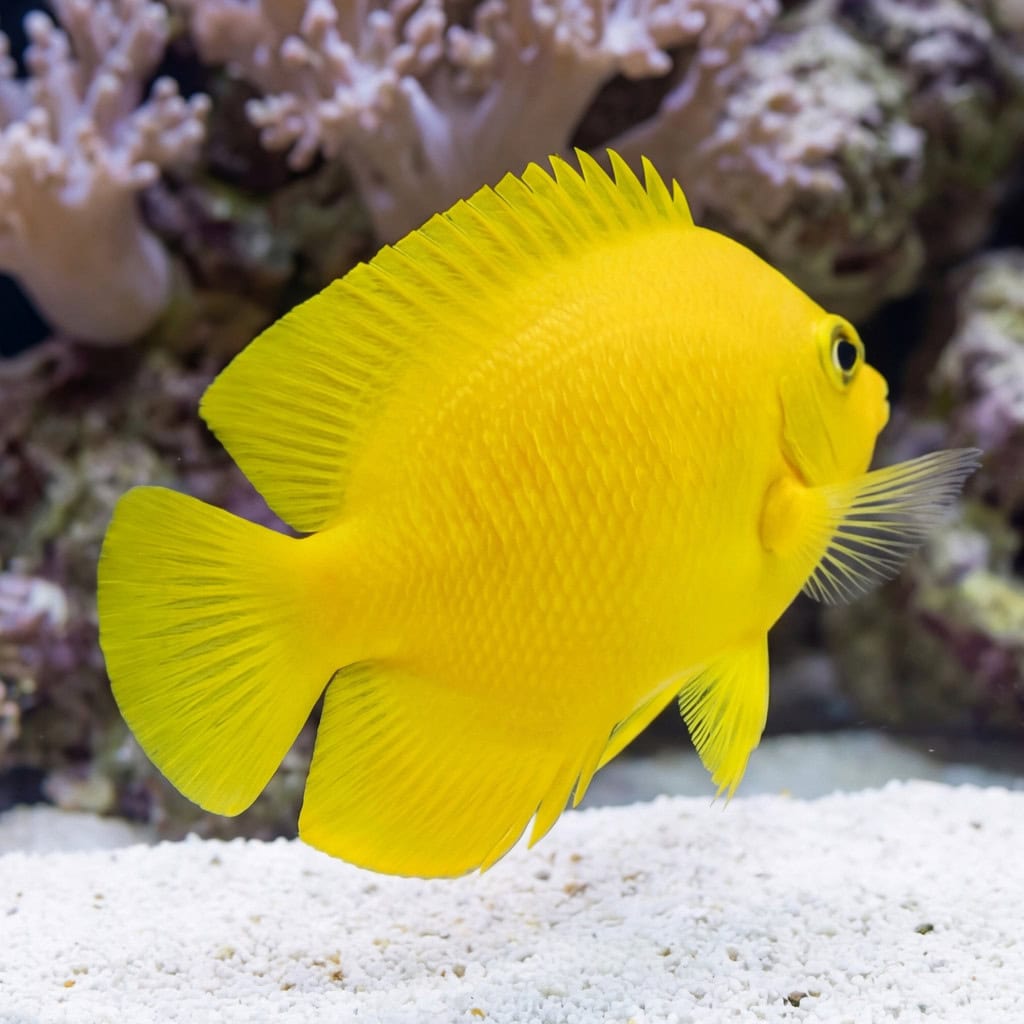
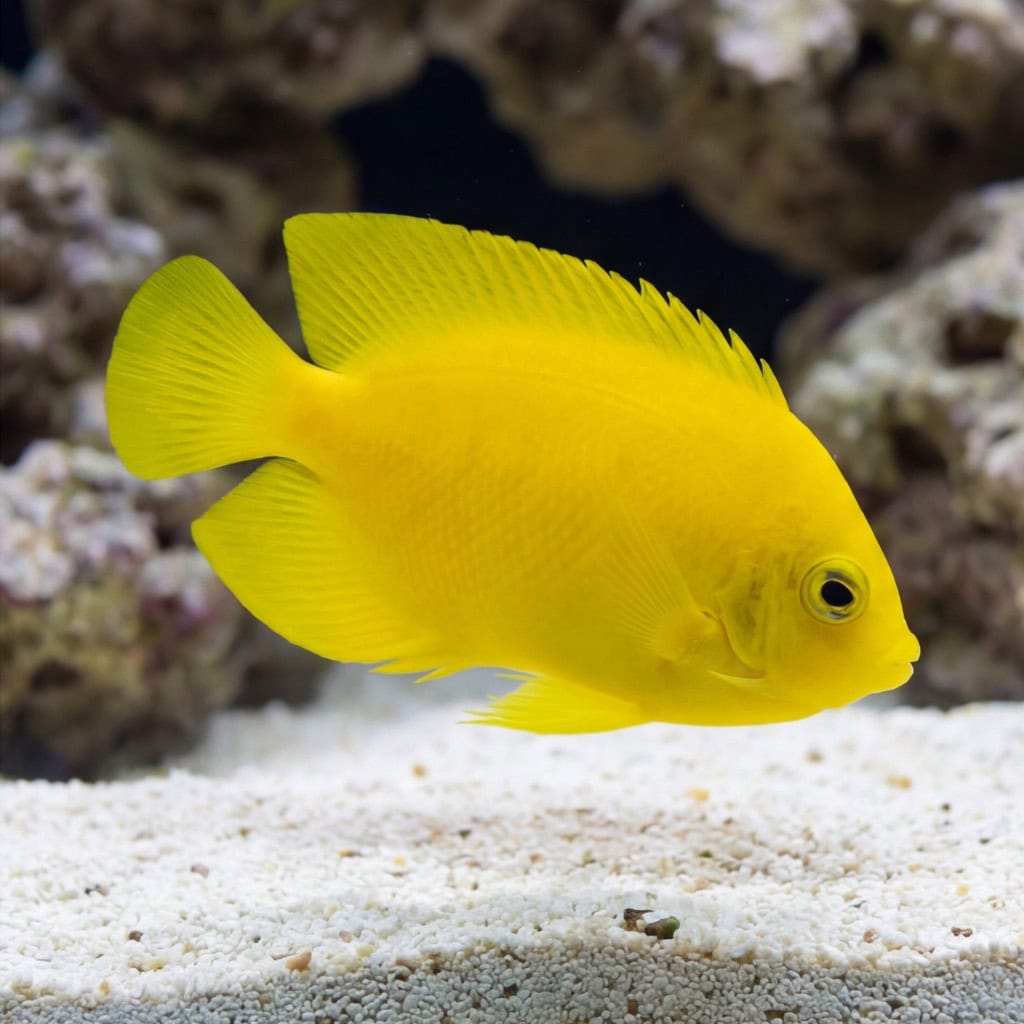
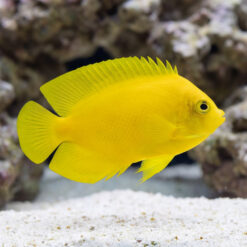
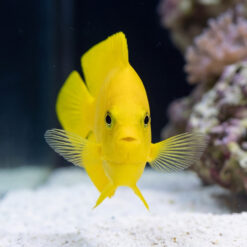
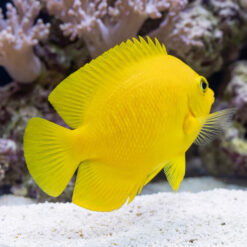
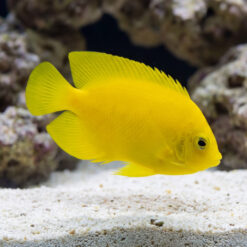
Yellow Angelfish
Centropyge heraldi
Price range: $38.99 through $46.99
| Stock | Variations | Price | Quantity | |
|---|---|---|---|---|
| Out of Stock | 3 - 4" - Indo-Pacific | Original price was: $98.99.$51.99Current price is: $51.99. | Email me | |
| In Stock | 2 - 3" - Indo-Pacific | Original price was: $88.99.$46.99Current price is: $46.99. |
-
+
|
|
| In Stock | 2" or smaller - Indo-Pacific | Original price was: $73.99.$38.99Current price is: $38.99. |
-
+
|
Every order ships with our standard 3-hour live arrival guarantee. Need more time? Add our 5-Day Guarantee at checkout.
Full guarantee terms →Ships Monday – Thursday for next-day arrival at your nearest FedEx Hold location — typically ready by 9 AM. We monitor every delivery.
Shipping details →
Monday – Friday 8 AM – 9 PM
Saturday 12 PM – 4 PM
Sunday 12 PM – 9 PM
Healthy, stable animals from vetted suppliers — inspected before packing, shipped overnight. Decades of experience built this model so we can deliver premium livestock at 30%+ less than you'd pay elsewhere.
| Care Level | Moderate |
|---|---|
| Temperament | Semi-Aggressive |
| Reef Safe | With Caution |
| Functional Benefit | Algae Control |
| Diet Type | Omnivore |
| Mininum Tank Size | 70 gallons |
| Max Size | 4 inches |
| Temperature | 72–78°F |
| pH Range | 8.1–8.4 |
| Specific Gravity | 1.022–1.025 |
The Yellow Angelfish (Centropyge heraldi), also called the Herald’s Angelfish or “False Lemonpeel,” is a dwarf angelfish with a mostly solid yellow body that stays easy to spot in a reef aquascape. It spends much of the day grazing film and microalgae from live rock, and some individuals show light dark edging on the fins as they mature.
What You’ll Observe:
- Short patrol loops through rockwork, with frequent stops to peck and graze on surfaces
- Regular “inspection” behavior’moving from ledges to caves, then back out into open water
- A consistent response at feeding time, often switching between the water column and grazing spots
- Periods of hovering near the rock face before resuming a steady foraging route
To do well long-term, provide established live rock with plenty of grazing area and multiple caves so it can move through the tank without feeling exposed. Offer a varied menu that includes spirulina-based foods, meaty frozen items, and an angelfish-style preparation so it can graze and take prepared foods daily. In mixed reefs, a well-fed fish with a busy rockscape is easier to keep focused on natural foraging.
Will this angelfish stay “solid yellow,” or will it develop darker fin edges over time?
Many stay mostly yellow, but some develop light dark edging or faint head/facial shading as they mature; this variation is normal.
Why does it peck at rock all day’does that mean it’s hungry?
Constant pecking is typical grazing behavior for dwarf angels and is part of how they spend their day, even in well-fed aquariums.
If it starts sampling a specific coral, does it usually target the whole tank?
Keepers commonly report “favorite” targets rather than random nipping everywhere; moving the affected coral and increasing grazing options can help shift its attention.
Do these do better when they’re added before or after other centerpiece fish?
A lot of hobbyists prefer adding dwarf angels after very shy fish but before highly territorial fish, so it can establish a routine without constant interference.
Is an acclimation box useful for this species?
Many reef keepers like using an acclimation box to let tankmates get used to the new angelfish and to reduce immediate chasing during introduction.
Each fish is checked for strong appetite and activity before we approve it for your tank.
Recently viewed products