
Yellow Head (Fimbriated) Moray Eel
Gymnothorax fimbriatus
| Stock | Variations | Price | Quantity |
|---|
Every order ships with our standard 3-hour live arrival guarantee. Need more time? Add our 5-Day Guarantee at checkout.
Full guarantee terms →Ships Monday – Thursday for next-day arrival at your nearest FedEx Hold location — typically ready by 9 AM. We monitor every delivery.
Shipping details →
Monday – Friday 8 AM – 9 PM
Saturday 12 PM – 4 PM
Sunday 12 PM – 9 PM
Healthy, stable animals from vetted suppliers — inspected before packing, shipped overnight. Decades of experience built this model so we can deliver premium livestock at 30%+ less than you'd pay elsewhere.
| Care Level | Moderate |
|---|---|
| Temperament | Aggressive |
| Reef Safe | No |
| Functional Benefit | Ornamental Only |
| Diet Type | Carnivore |
| Mininum Tank Size | 120 gallons |
| Max Size | 24 inches |
| Temperature | 72–78°F |
| pH Range | 8.1–8.4 |
| Specific Gravity | 1.022–1.025 |
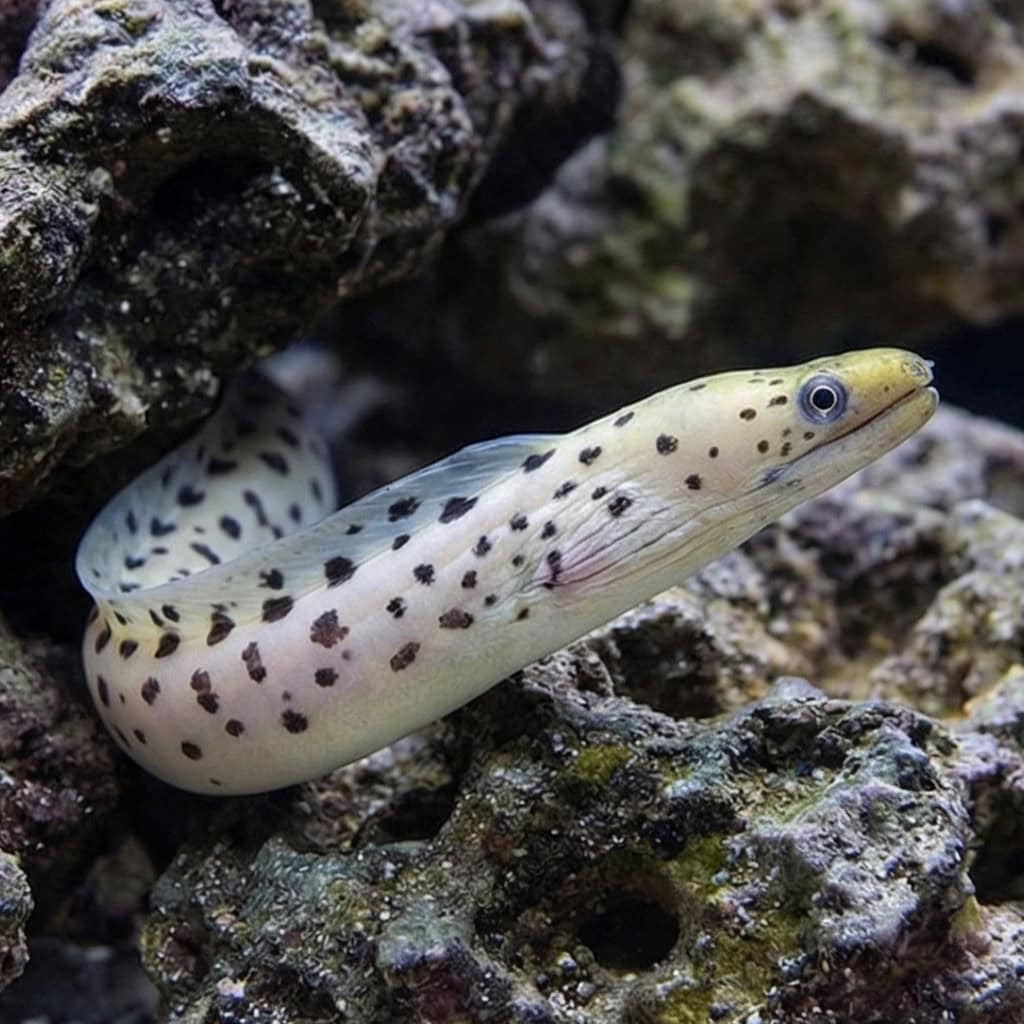
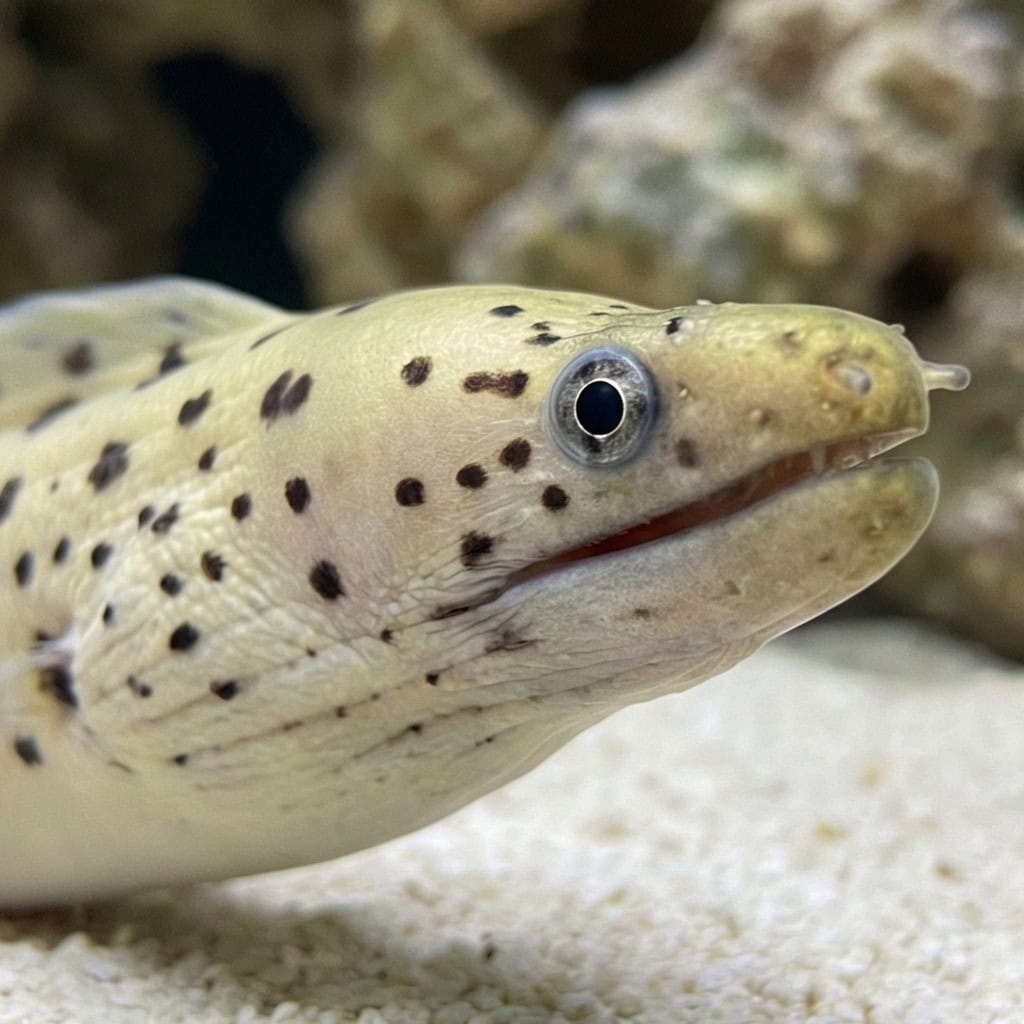
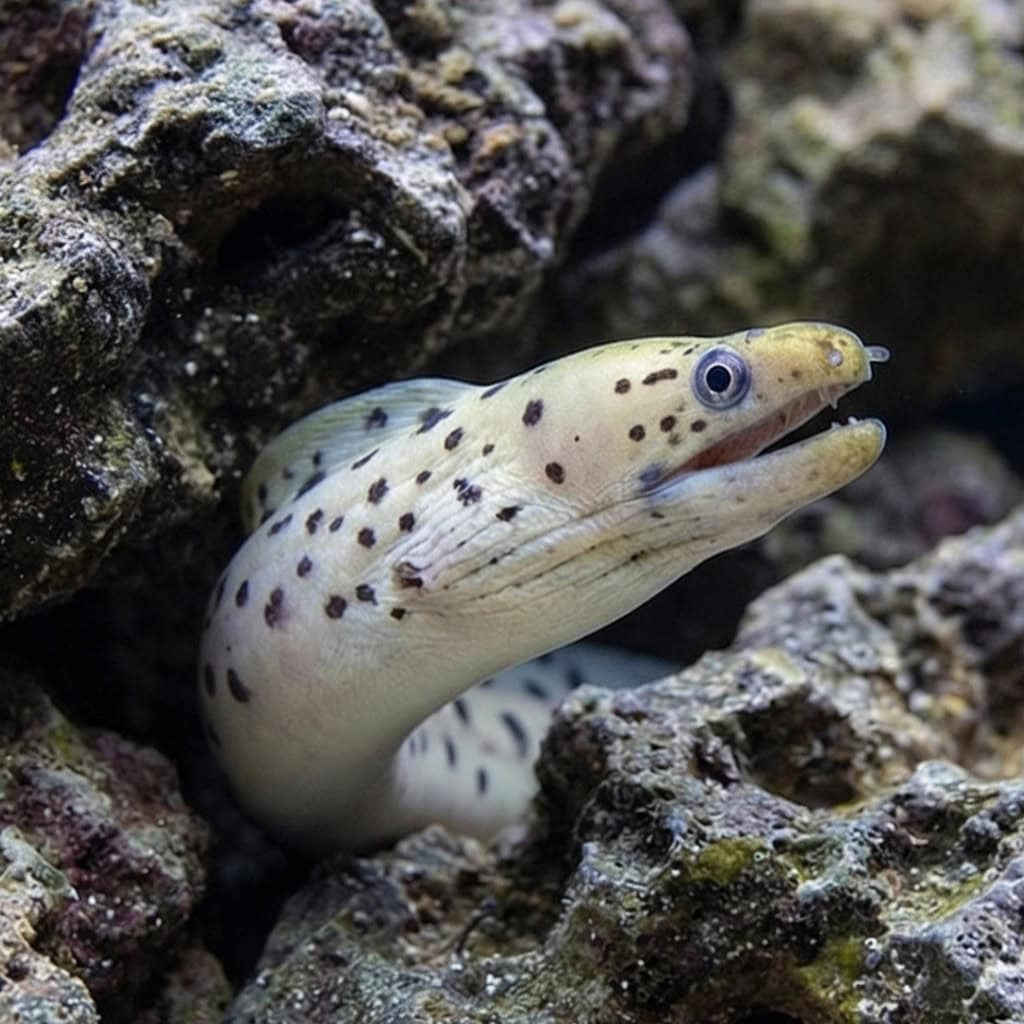
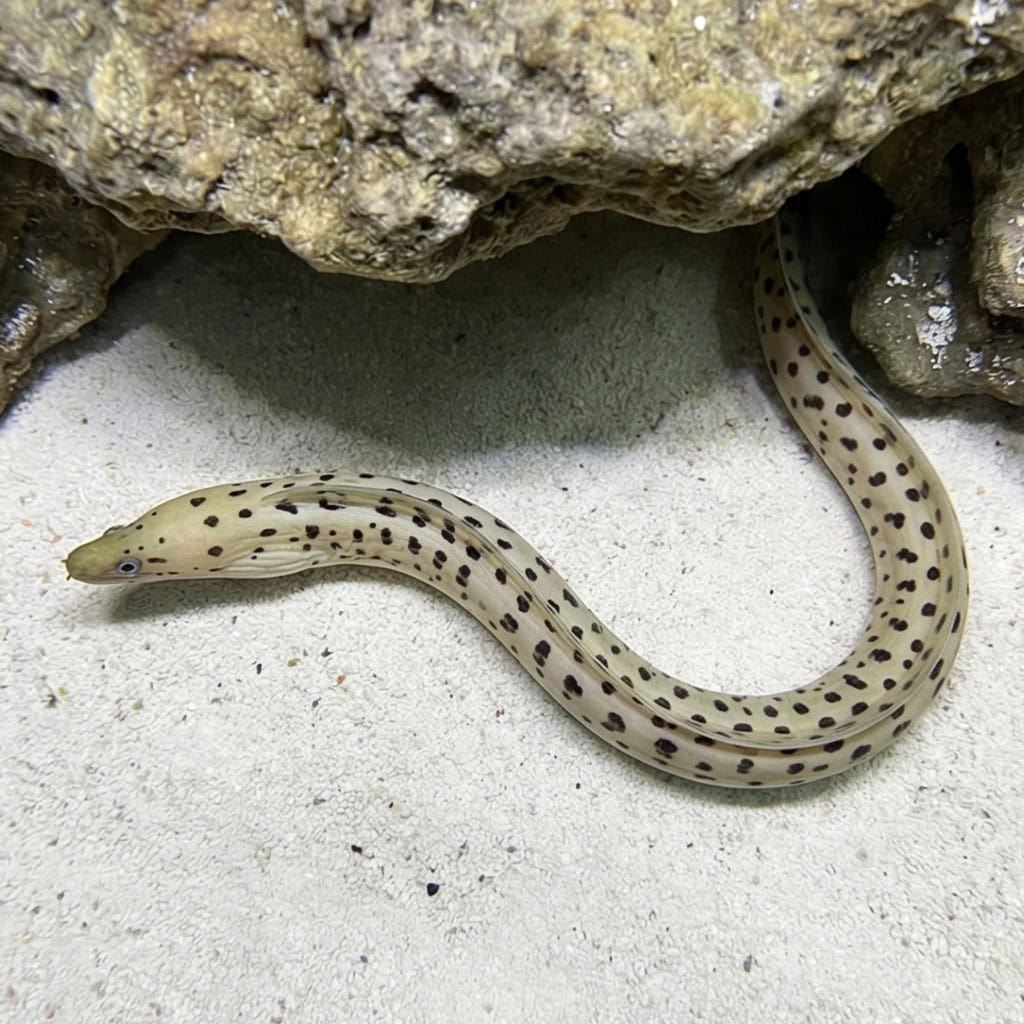
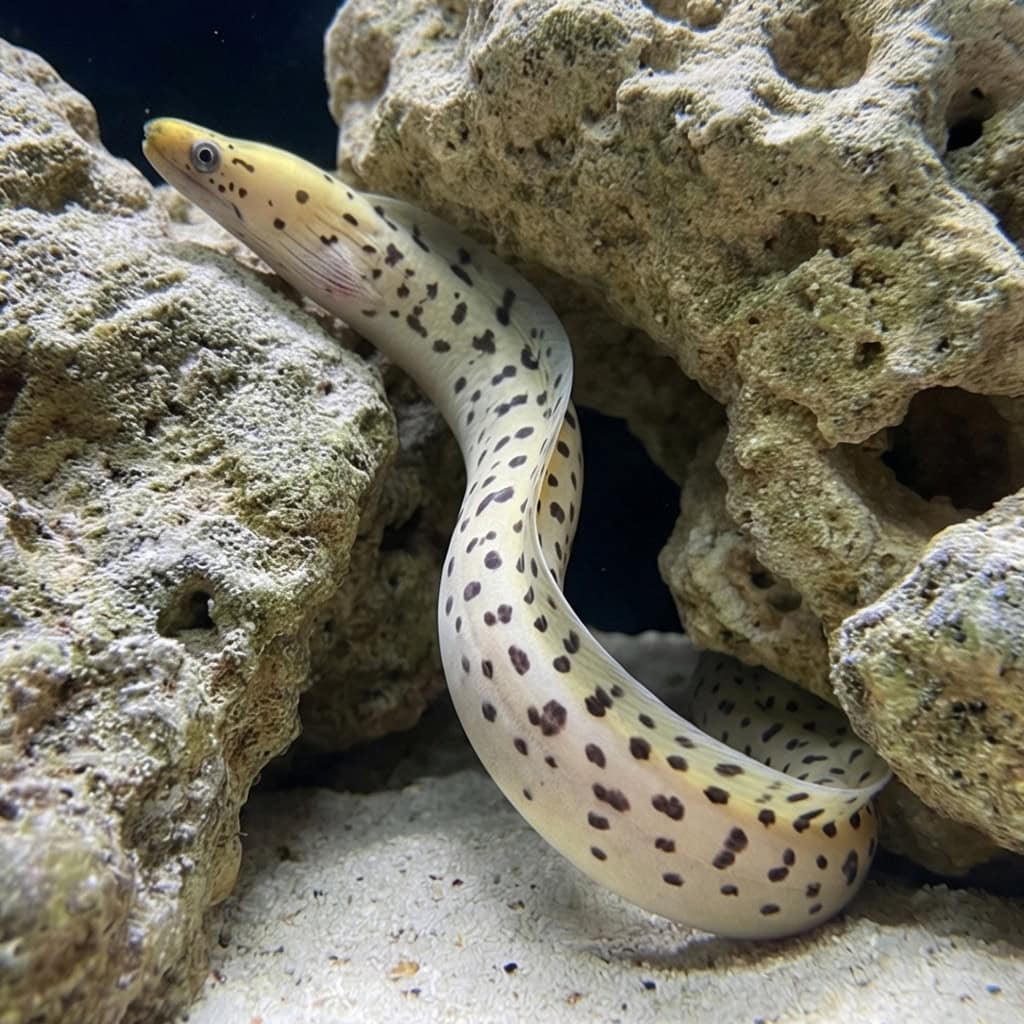
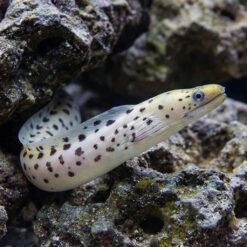
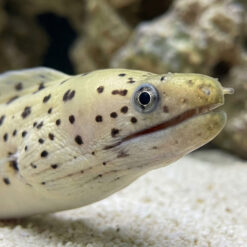
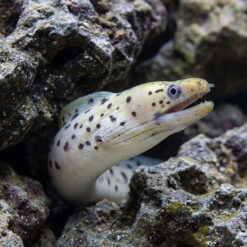
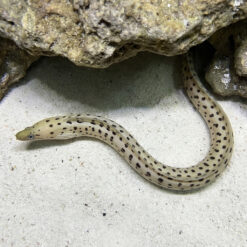
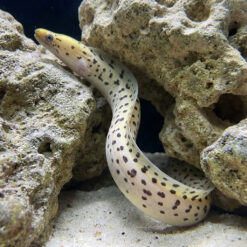
The Yellow Head (Fimbriated) Moray Eel (Gymnothorax fimbriatus) is a spot-faced moray with a pale body patterned in dark markings and a yellow-green head that often stays visible from its chosen cave. It comes from Indo-Pacific reef habitats and is typically kept as a single showcase predator in larger, rockwork-focused marine systems.
What You’ll Observe:
- Spending most daylight hours anchored in a crevice, with the head extended and the mouth gently opening and closing as it breathes
- Becoming more active as the tank room darkens, moving between caves and along the rock line
- Learning a consistent feeding routine and often meeting feeding tools at the same spot
- Using the same few hiding places repeatedly once it has selected “home” areas
Provide a tight, fully covered top and stable rockwork with multiple caves sized for the eel’s body to turn and rest comfortably. Feed with tongs or a feeding stick so food is placed accurately near its retreat, and keep meals consistent so it settles into a predictable routine. With a secure setup and a calm feeding rhythm, it typically becomes a reliable “cave resident” you’ll see every day.
Will it use PVC tubes, or does it need only live rock caves?
Many keepers use both’PVC can work as a consistent “home base” while the eel also adopts natural crevices once it feels established.
How do you transition one onto frozen foods without relying on live feeder fish?
Most hobbyists have the best results offering marine-origin meaty items on tongs and keeping the presentation consistent (same spot, same tool, similar size pieces).
Is it normal for it to refuse food right after shipping or a tank move?
Yes’many eels take time to settle into a new hiding spot before they resume a regular feeding response.
Why does it “yawn” or repeatedly open its mouth?
That behavior is commonly observed and is typically part of normal breathing and ventilation rather than a sign of aggression toward tankmates.
Can it be kept with ornamental shrimp if they’re introduced first?
Some aquarists report short-term success, but most plan around the idea that shrimp may eventually be treated as food as the eel gains confidence and size.
Our supplier network is chosen for consistent quality and ethical collection practices.
Recently viewed products