
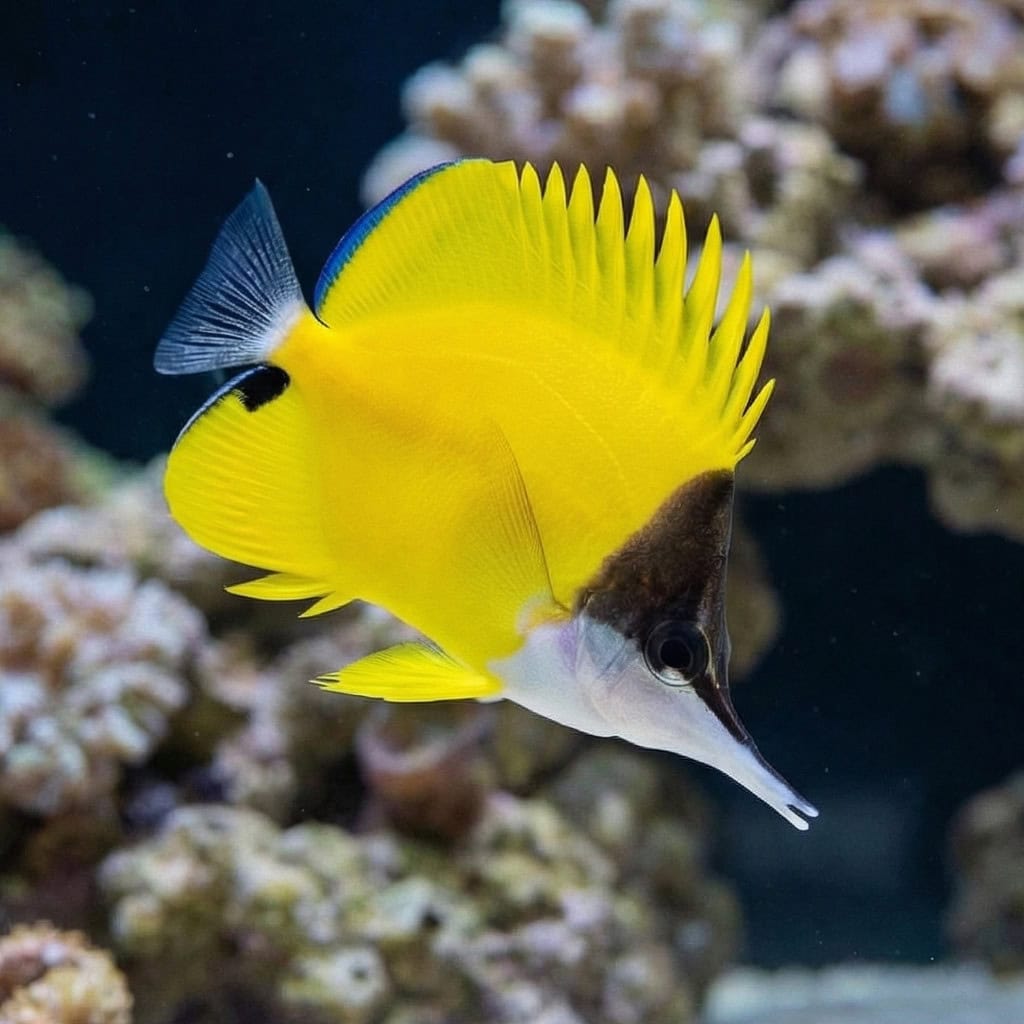
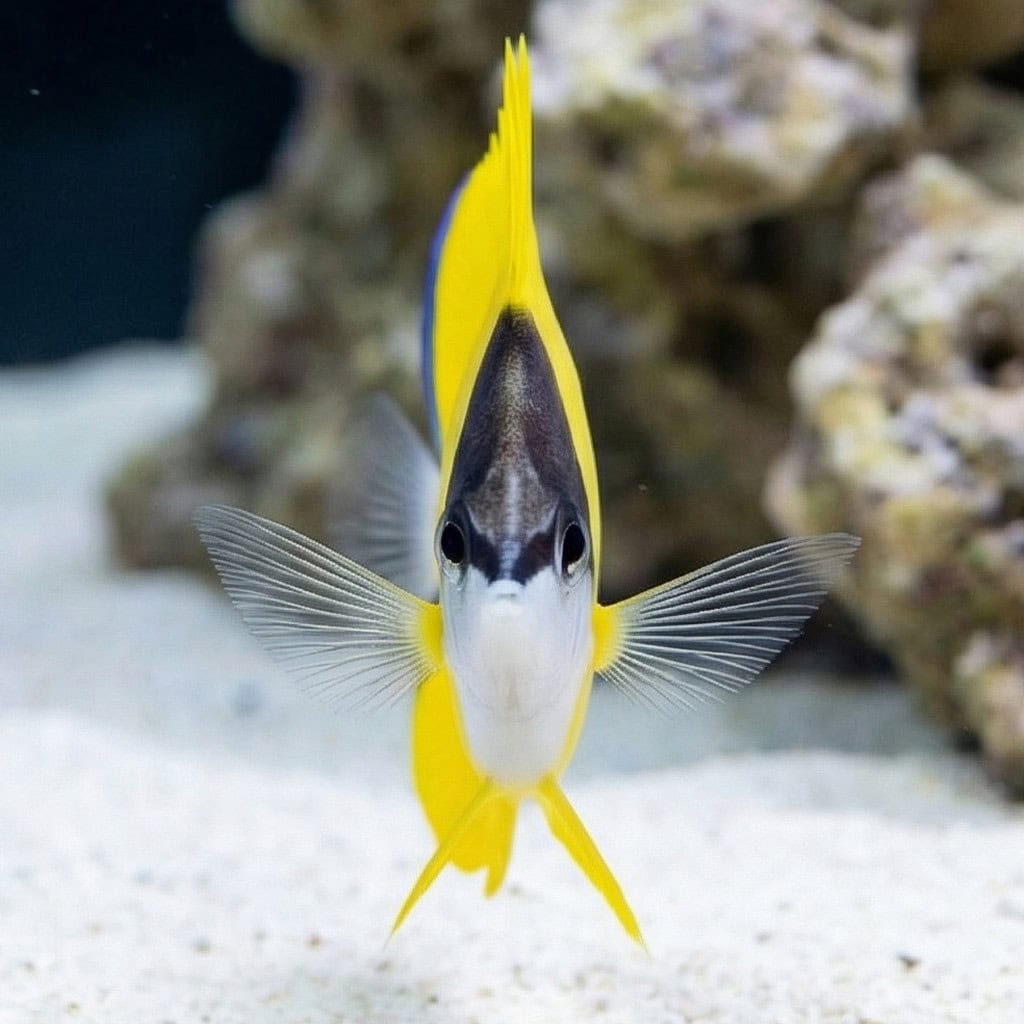
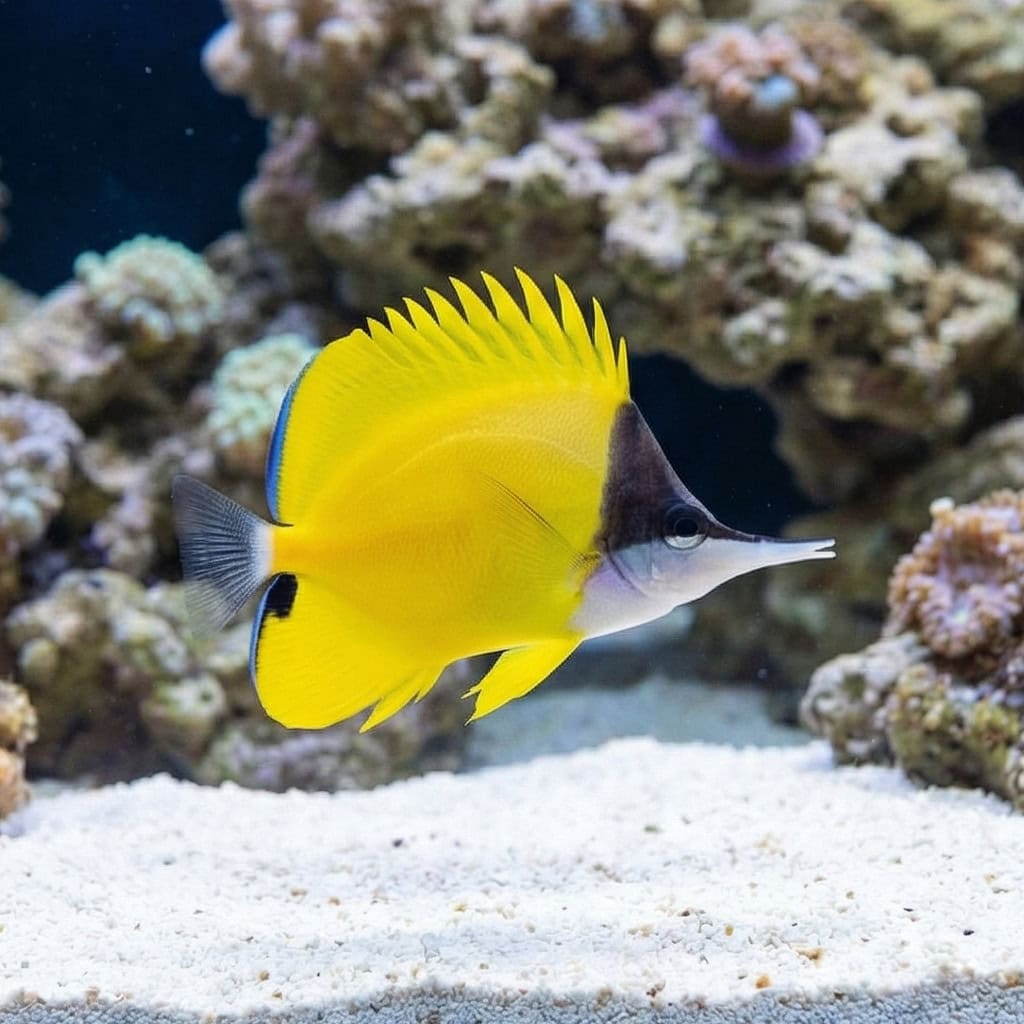
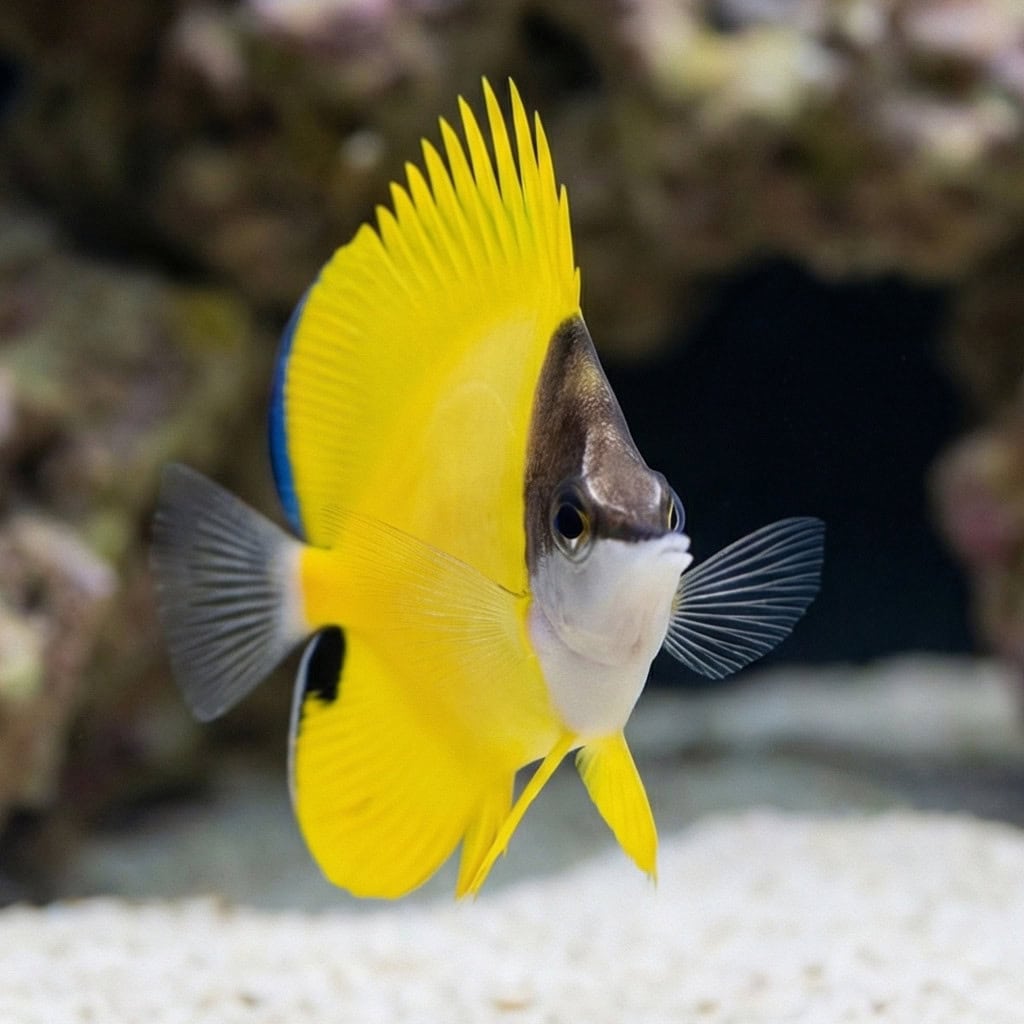
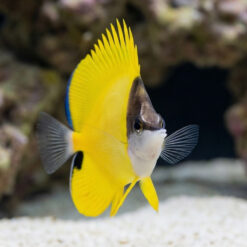
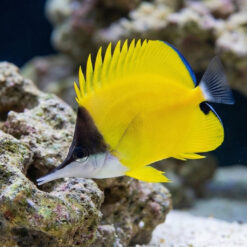
Yellow Longnose Butterfly
Forcipiger flavissimus
Original price was: $141.99.$74.99Current price is: $74.99.
| Stock | Variations | Price | Quantity | |
|---|---|---|---|---|
| Out of Stock | 4.25 - 6.25" - Indian Ocean | Original price was: $354.99.$185.99Current price is: $185.99. | Email me | |
| Out of Stock | 2.25 - 4.25" - Indian Ocean | Original price was: $212.99.$111.99Current price is: $111.99. | Email me | |
| Out of Stock | 4.25 - 6.25" - Indo-Pacific | Original price was: $155.99.$81.99Current price is: $81.99. | Email me | |
| Only 4 left | 2.25 - 4.25" - Indo-Pacific | Original price was: $141.99.$74.99Current price is: $74.99. |
-
+
|
Every order ships with our standard 3-hour live arrival guarantee. Need more time? Add our 5-Day Guarantee at checkout.
Full guarantee terms →Ships Monday – Thursday for next-day arrival at your nearest FedEx Hold location — typically ready by 9 AM. We monitor every delivery.
Shipping details →
Monday – Friday 8 AM – 9 PM
Saturday 12 PM – 4 PM
Sunday 12 PM – 9 PM
Healthy, stable animals from vetted suppliers — inspected before packing, shipped overnight. Decades of experience built this model so we can deliver premium livestock at 30%+ less than you'd pay elsewhere.
| Care Level | Moderate |
|---|---|
| Temperament | Peaceful |
| Reef Safe | With Caution |
| Functional Benefit | Ornamental Only |
| Diet Type | Carnivore |
| Mininum Tank Size | 120 gallons |
| Max Size | 10 inches |
| Temperature | 72–78°F |
| pH Range | 8.1–8.4 |
| Specific Gravity | 1.022–1.025 |
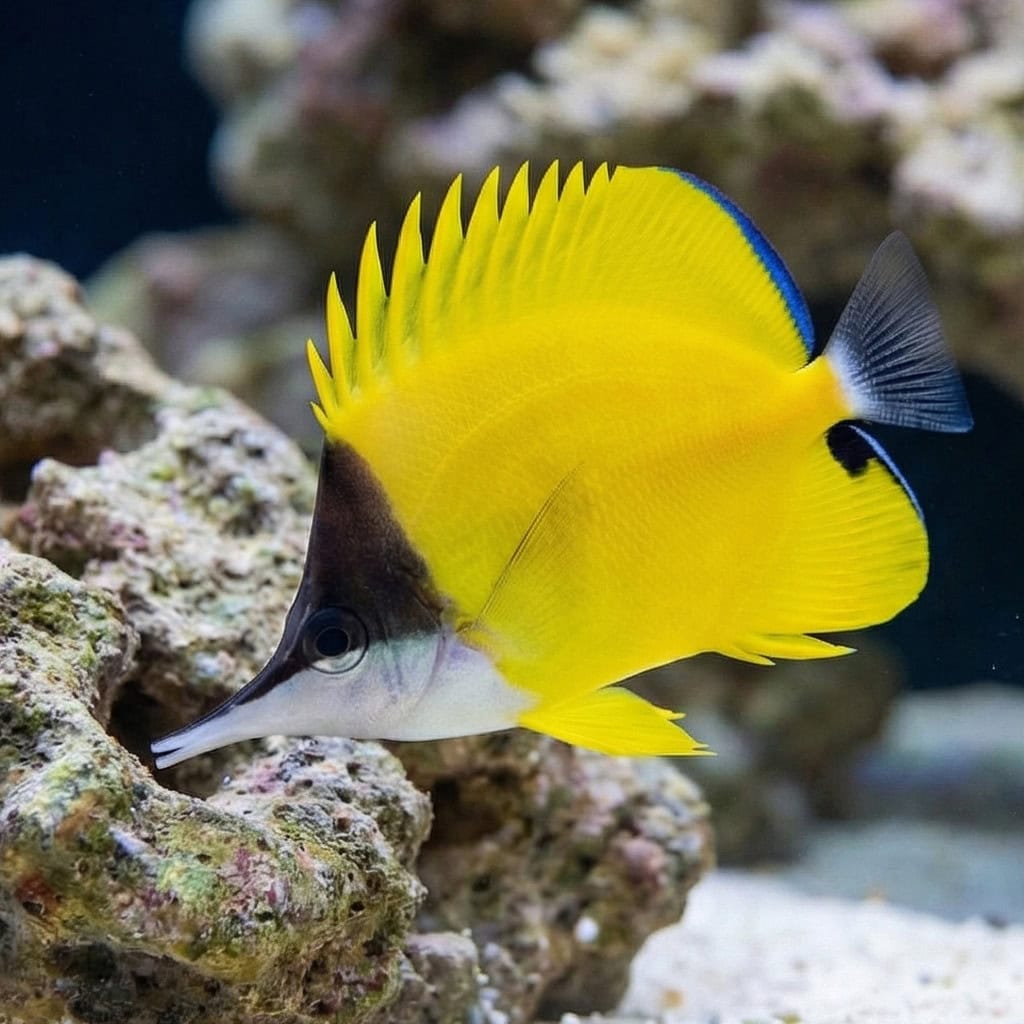
The Yellow Longnose Butterfly (Forcipiger flavissimus), often called the forceps fish, is recognized by its bright yellow body, black-and-white facial mask, and long, narrow snout built for precision feeding. In a larger saltwater aquarium with mature rockwork, it spends the day weaving between coral heads and crevices, inspecting every gap as it moves.
What You’ll Observe:
- A steady “patrol route” around the rockwork, pausing often to probe small holes with its snout
- Quick, accurate pecking at tiny items on rock surfaces and in tight spaces
- Most activity in open view during feeding times, then returning to methodical searching behavior
- Consistent interest in the same sections of the aquascape, especially areas with lots of caves and ledges
To help this butterflyfish do well long-term, provide plenty of established live rock with natural grazing zones and open lanes for comfortable cruising. Offer a varied mix of small meaty foods in multiple smaller feedings so it can eat at a natural pace and stay engaged throughout the day.
Will it eat from the water column right away, or only pick at rocks?
Many settle in by picking at rockwork first, then begin taking prepared foods more confidently once they recognize a feeding routine in your tank.
Do they prefer tiny foods compared to other butterflyfish?
Yes—keepers often notice they handle smaller pieces best, matching their narrow snout and small mouth opening.
Is occasional “testing” of corals or inverts normal?
Some will investigate corals, tube worms, or urchins while foraging; this is why they’re commonly treated as reef-safe with caution rather than a guaranteed reef-safe fish.
Can I keep more than one Yellow Longnose Butterfly together?
They’re most often kept singly; pairs are usually attempted only when a proven pair is available and the tank has ample space and structure to spread out.
Do they usually take pellets, or stick to frozen foods?
Many readily learn frozen foods, while pellet acceptance varies by individual—some take them later once fully conditioned to scheduled feeding.
Each fish is checked for strong appetite and activity before we approve it for your tank.
Recently viewed products