
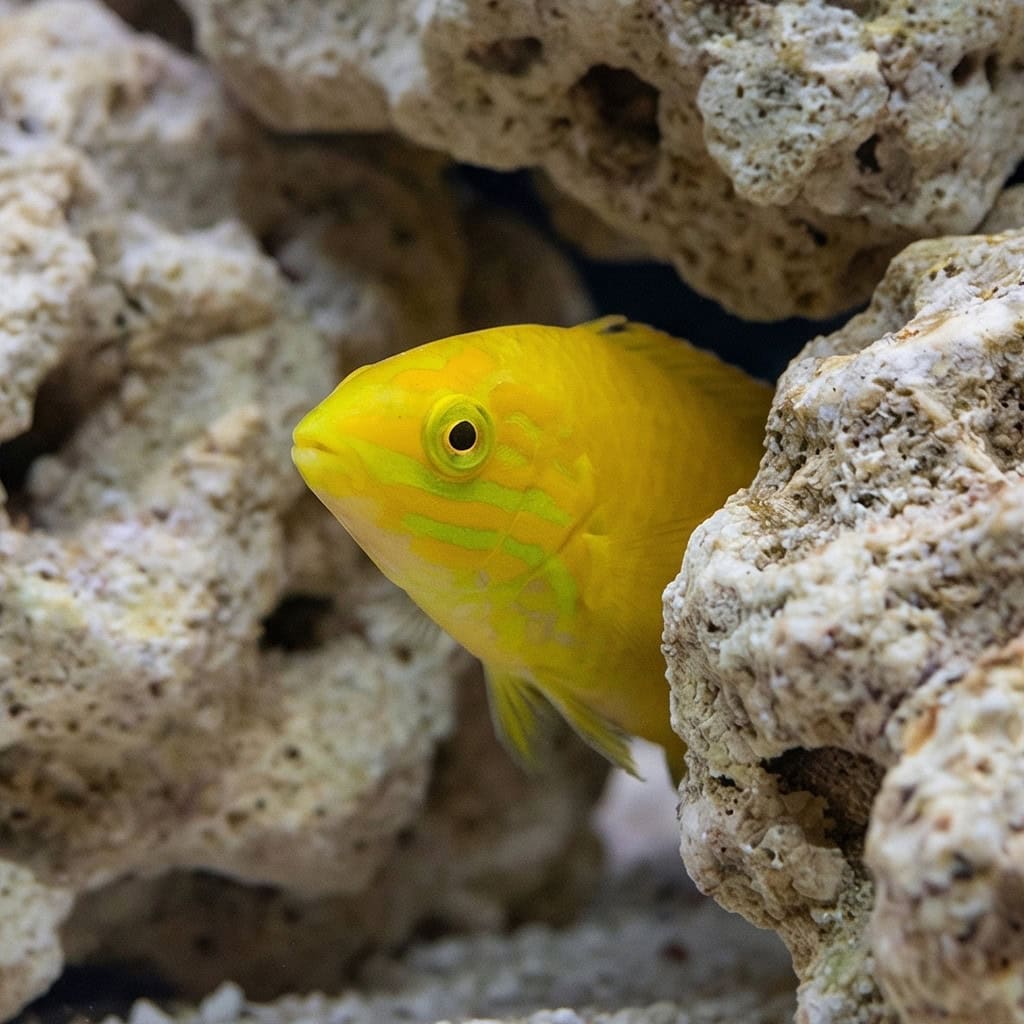
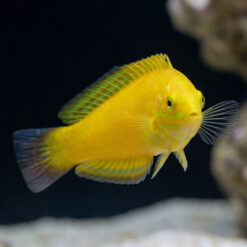
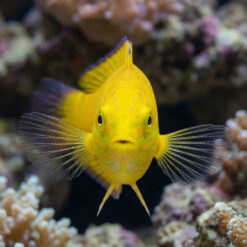
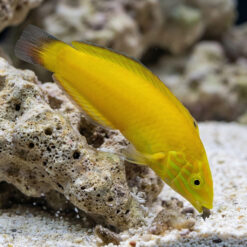
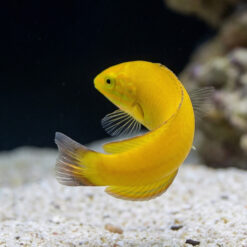
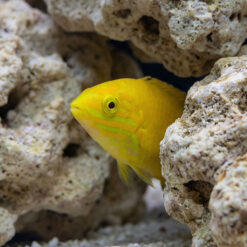
Yellow Wrasse
Halichoeres chrysus
Original price was: $70.99.$37.99Current price is: $37.99.
| Stock | Variations | Price | Quantity | |
|---|---|---|---|---|
| Out of Stock | 2 - 3" - Indo-Pacific | Original price was: $88.99.$46.99Current price is: $46.99. | Email me | |
| In Stock | 2" or smaller - Indo-Pacific | Original price was: $70.99.$37.99Current price is: $37.99. |
-
+
|
Every order ships with our standard 3-hour live arrival guarantee. Need more time? Add our 5-Day Guarantee at checkout.
Full guarantee terms →Ships Monday – Thursday for next-day arrival at your nearest FedEx Hold location — typically ready by 9 AM. We monitor every delivery.
Shipping details →
Monday – Friday 8 AM – 9 PM
Saturday 12 PM – 4 PM
Sunday 12 PM – 9 PM
Healthy, stable animals from vetted suppliers — inspected before packing, shipped overnight. Decades of experience built this model so we can deliver premium livestock at 30%+ less than you'd pay elsewhere.
| Care Level | Easy |
|---|---|
| Temperament | Peaceful |
| Reef Safe | With Caution |
| Functional Benefit | Pest Control |
| Diet Type | Carnivore |
| Mininum Tank Size | 55 gallons |
| Max Size | 5 inches |
| Temperature | 72–78°F |
| pH Range | 8.1–8.4 |
| Specific Gravity | 1.022–1.025 |
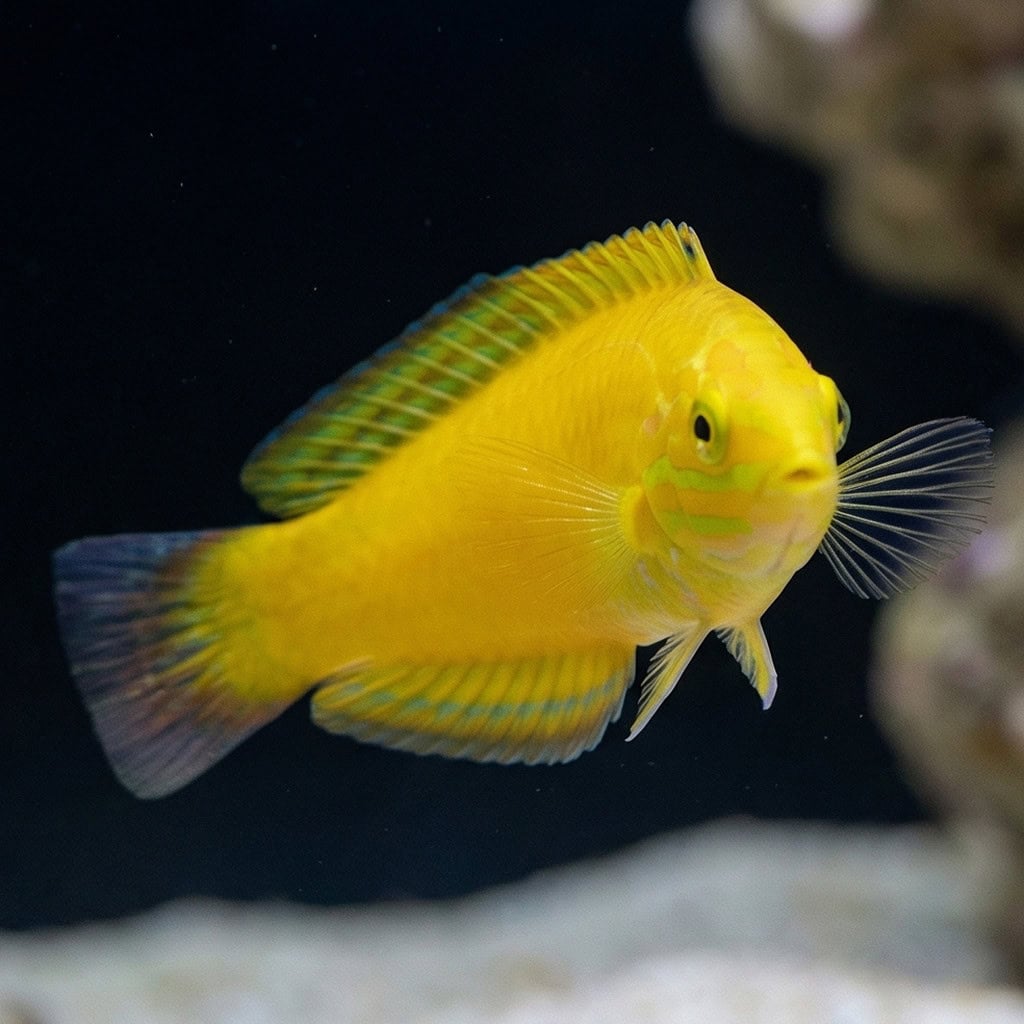
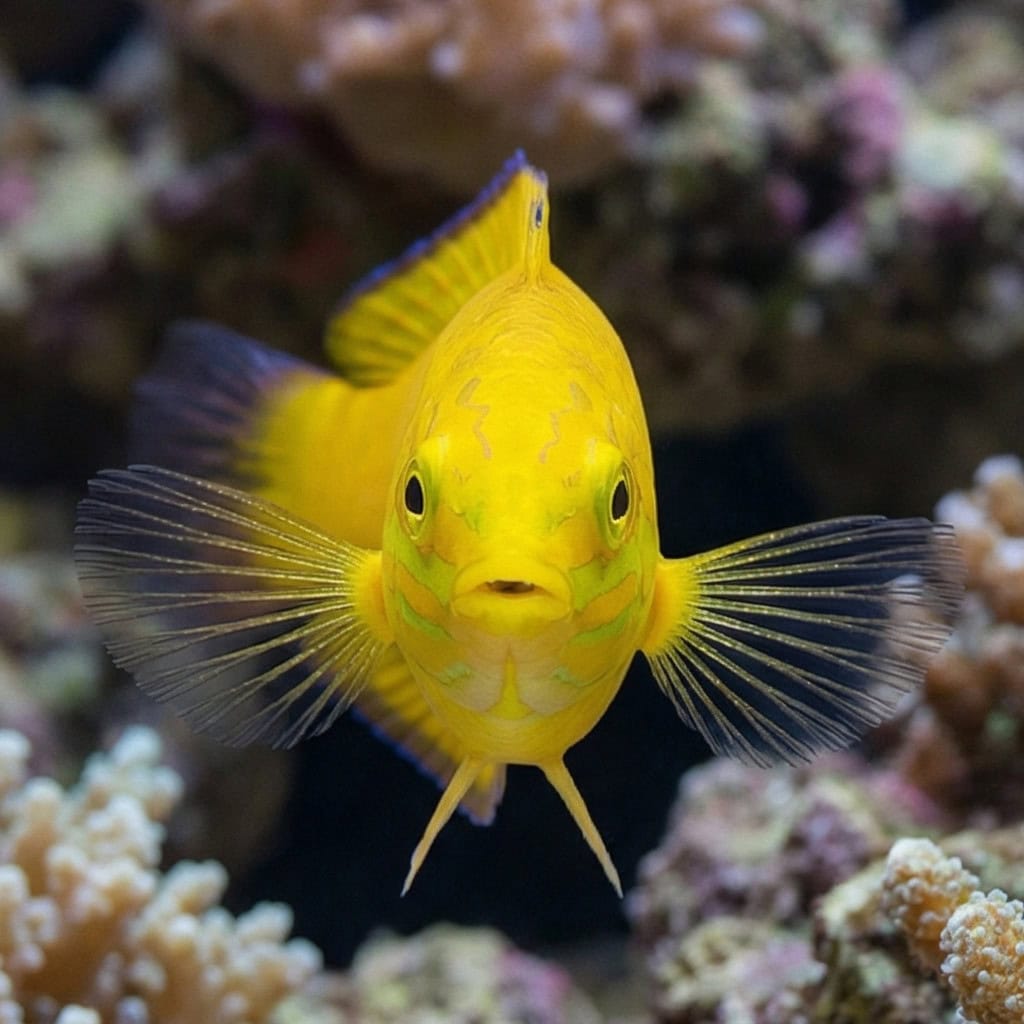
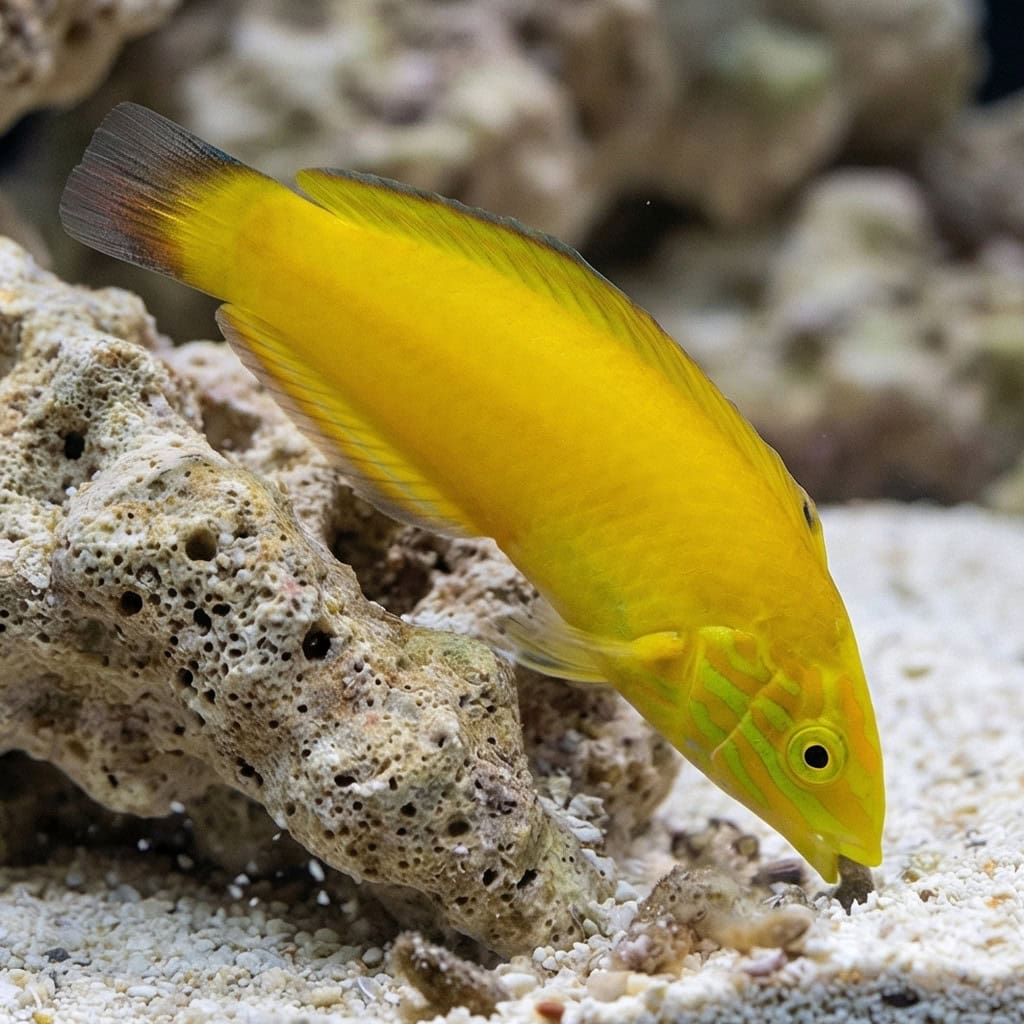
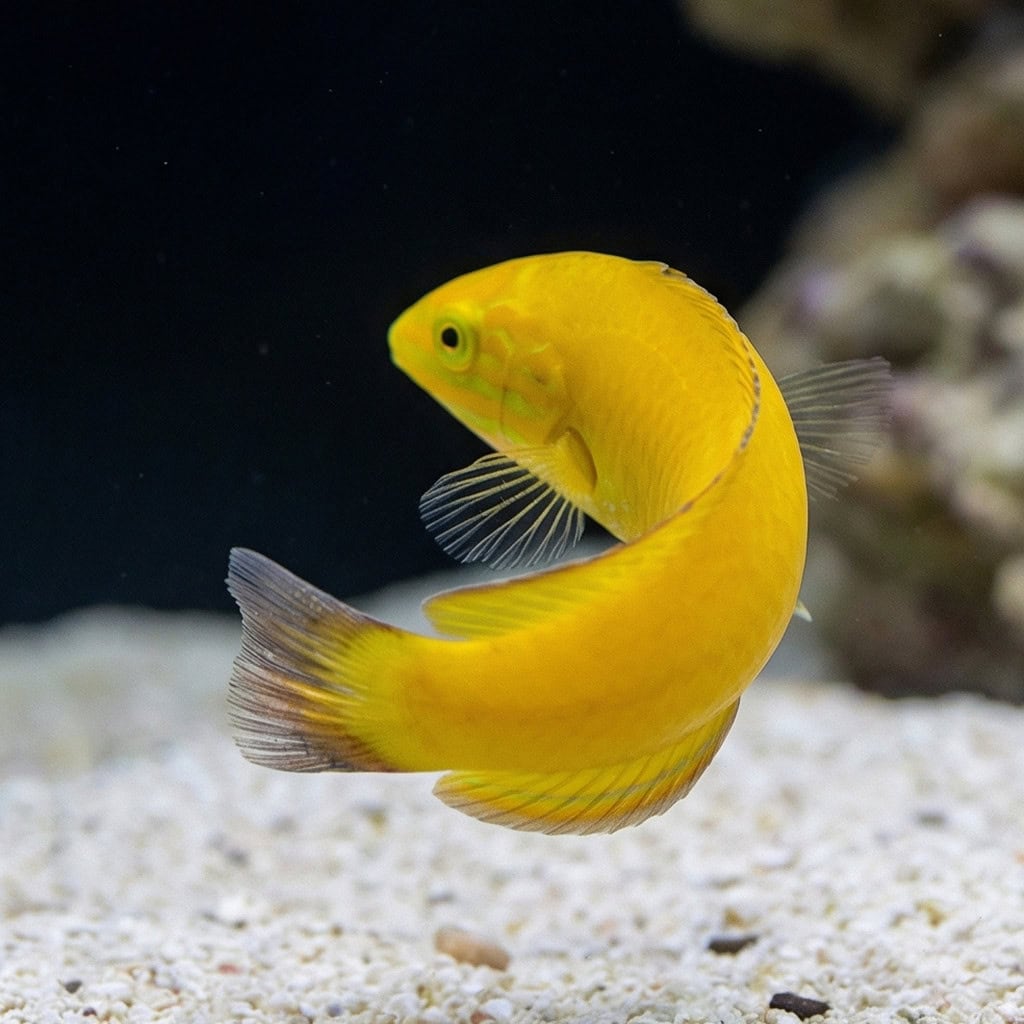
Yellow Wrasse (Halichoeres chrysus), often sold as the Yellow Coris or Canary Wrasse, is a bright yellow sand-sleeping wrasse that stays active along the rockwork and substrate. It’s commonly added to reef tanks for pest control, where it hunts small invertebrates and may help keep certain hitchhikers in check.
What You’ll Observe:
- Short “patrol loops” over the sand and lower rockwork, with frequent stops to inspect crevices
- Regular sand-diving in the evening, and quick burrowing when startled
- A settling-in period where it may spend extended time out of sight, then begins appearing more predictably
- Active foraging between feedings, pecking at the substrate as it searches for small foods
To succeed long-term, provide open sand plus rockwork, along with a 2–3 inch sandy area so it can bury naturally at night. Offer a varied menu of meaty foods (like mysis, brine, and other finely chopped marine foods) and keep feeding portions small and consistent. If you keep ornamental shrimp or similar invertebrates, choose sturdy specimens and provide plenty of hiding structure.
Why does a Yellow Wrasse “disappear” after being added?
Many individuals immediately bury in the sand as part of normal settling behavior, then begin showing themselves more regularly once they’ve established a routine.
Is it normal if it only comes out briefly, then dives back into the sand?
Yes—early on, they may make short appearances, forage, and then bury again as they get comfortable with the tank’s activity and light cycle.
Will it bother cleaner shrimp or feather duster worms?
Some Yellow Wrasses ignore larger ornamental shrimp, but they are natural invertebrate hunters and may treat small shrimp, fan worms, and similar items as food if encountered.
Can I keep more than one Yellow Wrasse together?
In some systems they can coexist, especially when introduced with enough space and multiple “sleeping spots” in the sand so each fish can settle into its own routine.
Do I really need a tight-fitting lid if it sleeps in the sand?
A secure cover is still important—this species is regularly described as needing a tight-fitting lid as part of its ideal setup.
Shipped with pure oxygen and temperature control so it arrives stress-free and ready to eat.
Recently viewed products