
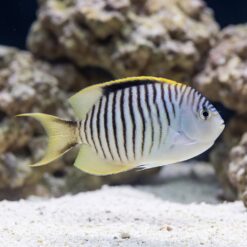
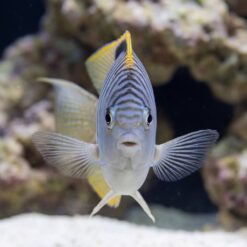
Zebra Angelfish
Genicanthus caudovittatus
| Stock | Variations | Price | Quantity | |
|---|---|---|---|---|
| Out of Stock | 2.75 - 3.75" - Female - Indo-Pacific | Original price was: $588.99.$309.99Current price is: $309.99. | Email me |
Every order ships with our standard 3-hour live arrival guarantee. Need more time? Add our 5-Day Guarantee at checkout.
Full guarantee terms →Ships Monday – Thursday for next-day arrival at your nearest FedEx Hold location — typically ready by 9 AM. We monitor every delivery.
Shipping details →
Monday – Friday 8 AM – 9 PM
Saturday 12 PM – 4 PM
Sunday 12 PM – 9 PM
Healthy, stable animals from vetted suppliers — inspected before packing, shipped overnight. Decades of experience built this model so we can deliver premium livestock at 30%+ less than you'd pay elsewhere.
| Care Level | Moderate |
|---|---|
| Temperament | Peaceful |
| Reef Safe | With Caution |
| Functional Benefit | Ornamental Only |
| Diet Type | Planktivore |
| Mininum Tank Size | 90 gallons |
| Max Size | 8 inches |
| Temperature | 72–78°F |
| pH Range | 8.1–8.4 |
| Specific Gravity | 1.022–1.025 |
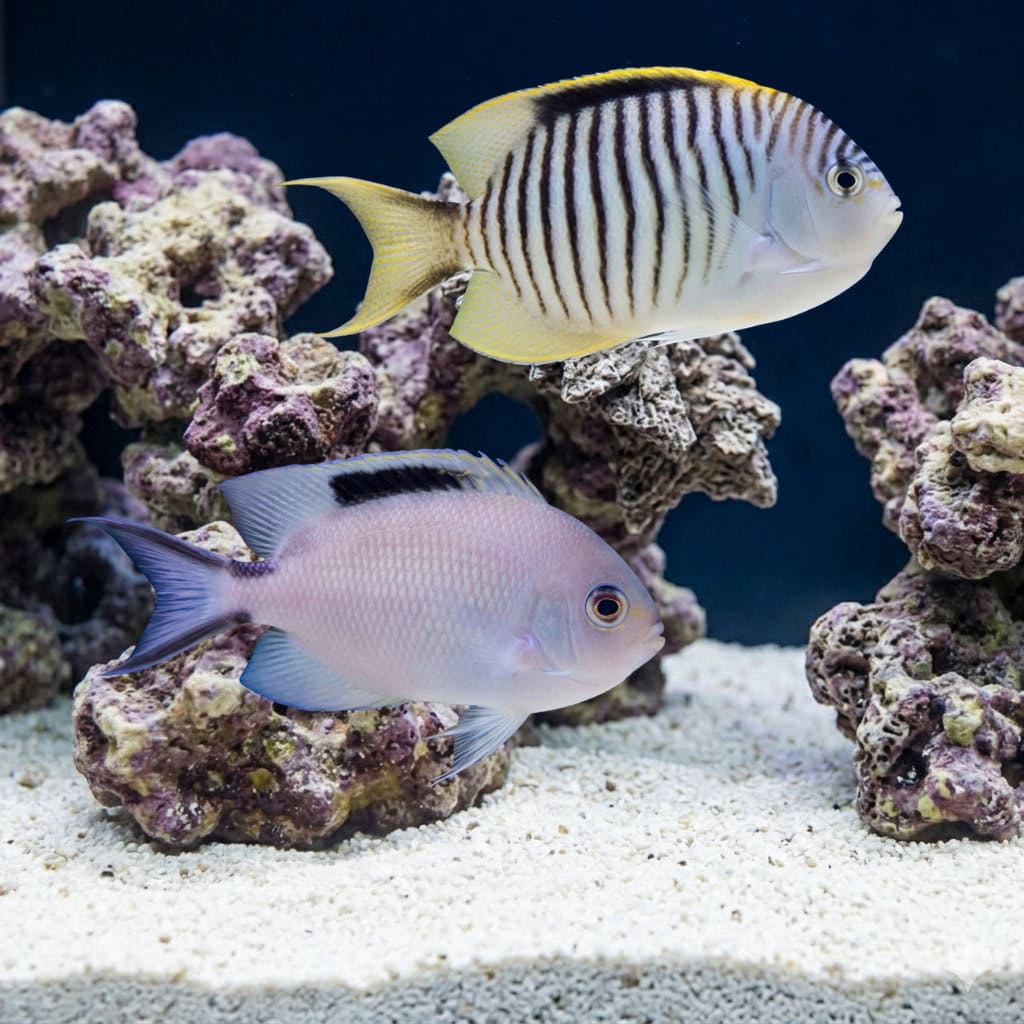
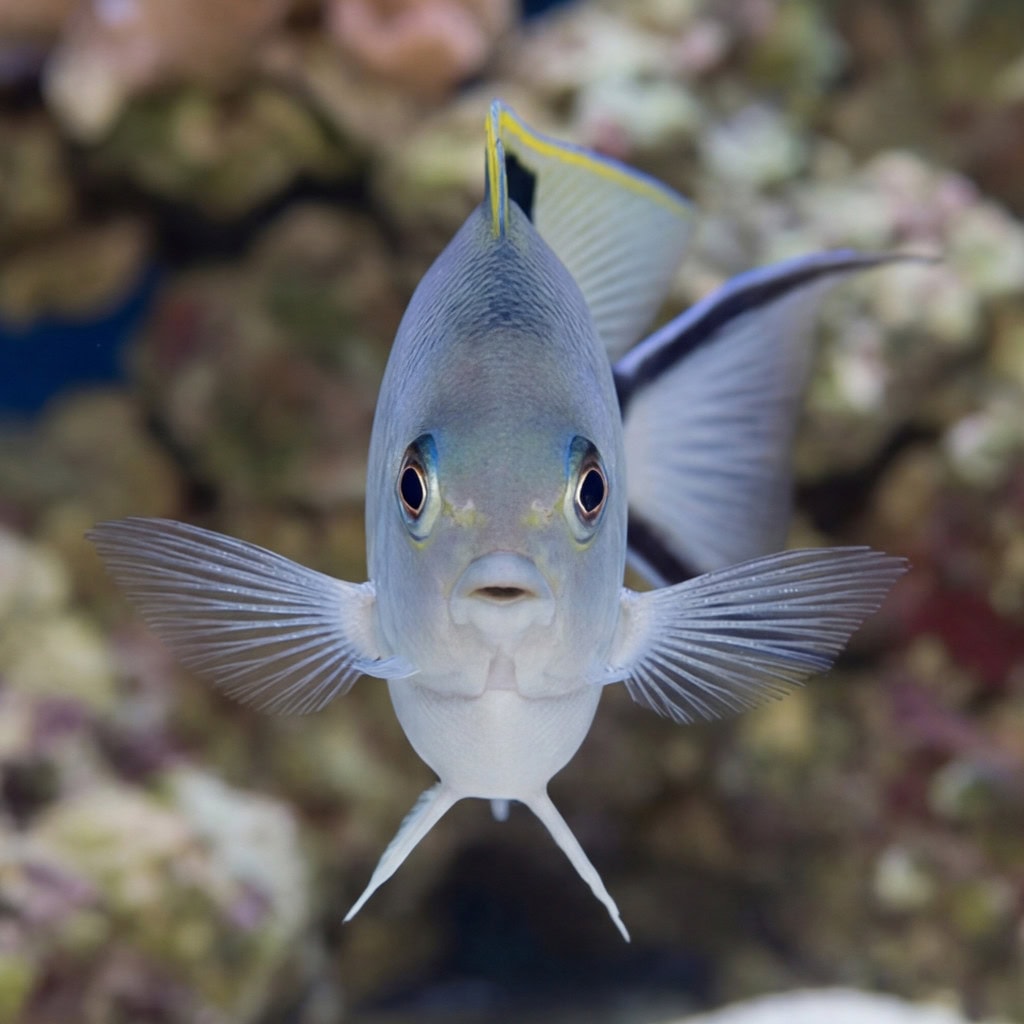
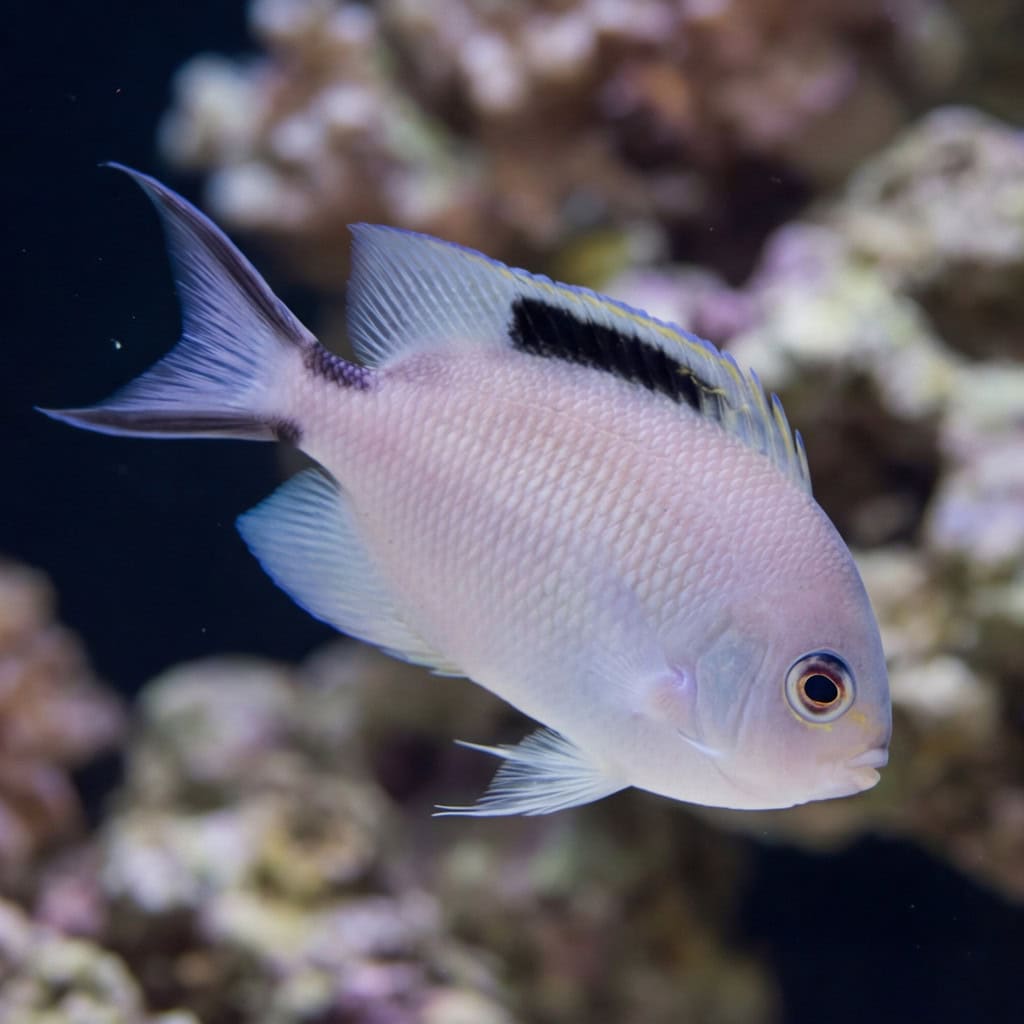
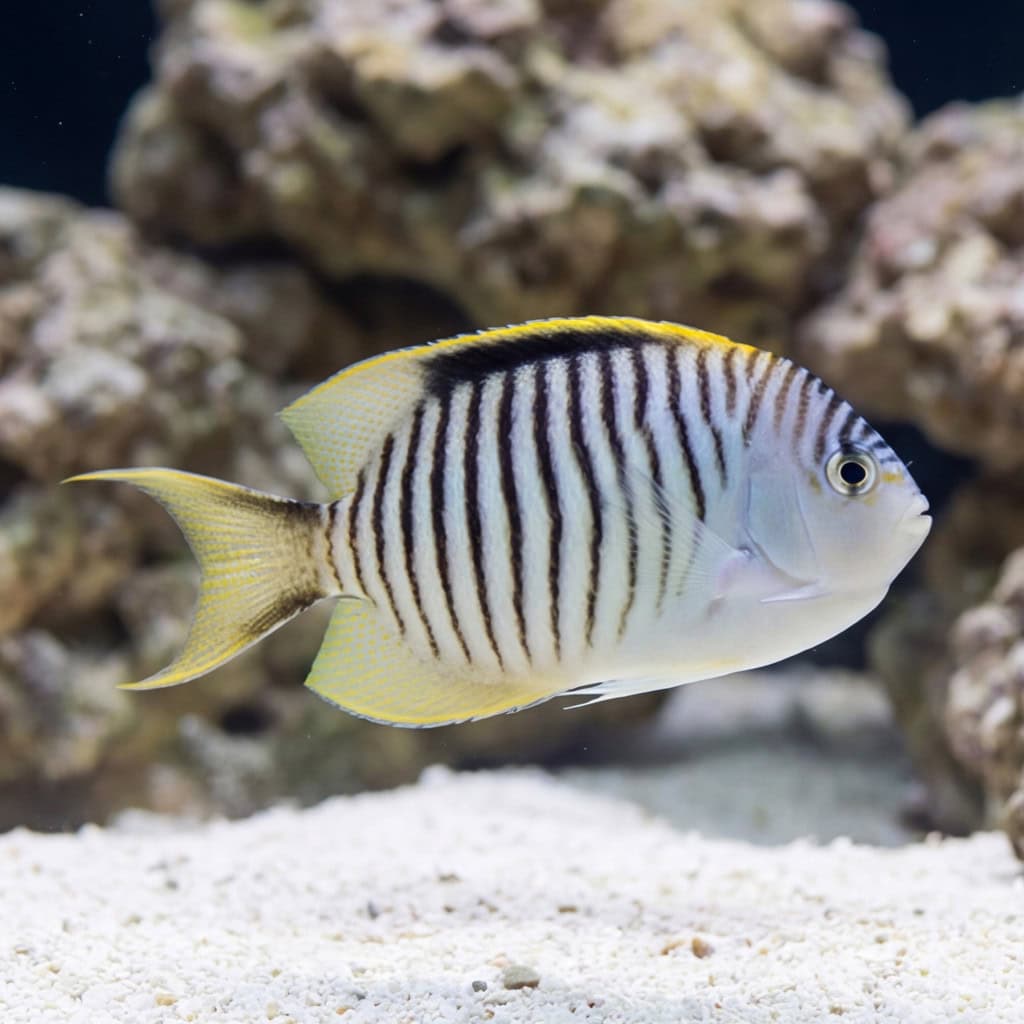
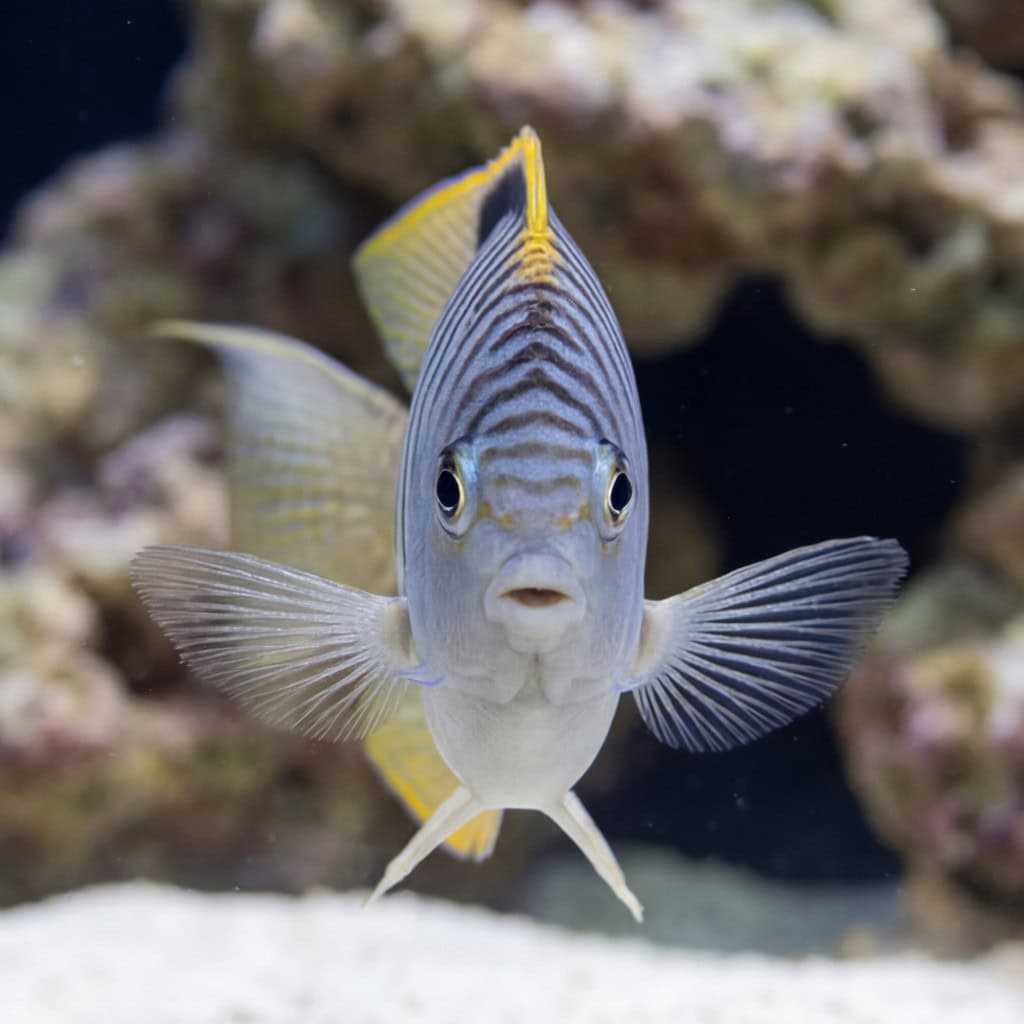
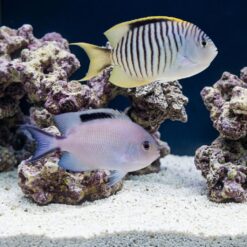
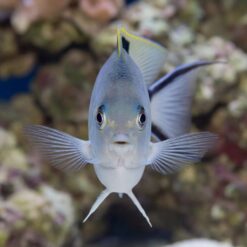
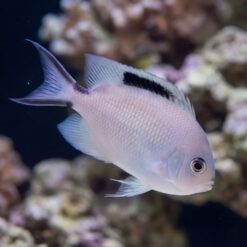
The Zebra Angelfish (Genicanthus caudovittatus), also sold as the Red Sea Swallowtail Angelfish, is a midwater planktivore known for strong sexual differences in pattern and color. Males show distinct zebra-like striping, while females are more subdued with bold dark markings around the eye and tail edges. This species is found in the western Indian Ocean, including the Red Sea region.
What You’ll Observe:
- Spends most of its time cruising in the open water column rather than staying tight to the rocks
- Moves in smooth loops and often “faces into” flow, hovering when the current is stronger
- Rises quickly for broadcast feeding and picks suspended foods as they drift by
- In larger systems, you may notice pairing/harem-style behavior with one dominant fish taking the lead
To help it settle in, provide open swimming lanes with rockwork nearby for quick retreats and shaded areas. Offer small meaty foods (and quality pellets once accepted) in 2–3 feedings per day so it can graze throughout the day like a natural plankton feeder. It does best in calm community stocking where it can feed without being rushed.
Do Zebra Angelfish stay out in the open all day, or do they hide?
Many spend most of the day in midwater once acclimated, using rockwork more as a quick “reset” spot than a home base.
Will it ever show interest in zoas, Xenia, or other soft corals?
Some hobbyists report occasional sampling of certain soft corals, while many never observe it—tank-to-tank behavior varies and tends to be intermittent rather than constant.
Can I keep two together if I buy a “pair”?
In bigger aquariums, two can work well when introduced thoughtfully; many keepers aim for two females (or a smaller and a larger fish) rather than two established males.
Do they usually accept pellets, or is it frozen-only long term?
Most learn pellets once they recognize floating foods as edible—mix pellets into frozen feedings so they associate pellets with the same feeding response.
Why does one fish “turn into” the dominant one over time?
Genicanthus angelfish commonly organize socially, and the dominant individual can develop into the male role as the group structure stabilizes.
Shipped with pure oxygen and temperature control so it arrives stress-free and ready to eat.
Recently viewed products