
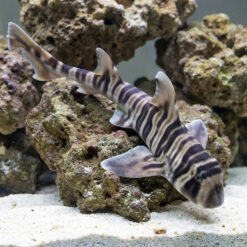
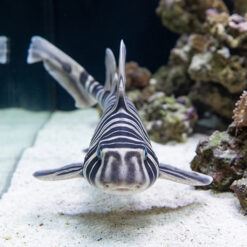
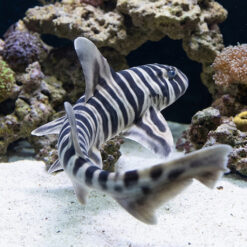
Zebra Bullhead Shark
Heterodontus zebra
| Stock | Variations | Price | Quantity |
|---|
Every order ships with our standard 3-hour live arrival guarantee. Need more time? Add our 5-Day Guarantee at checkout.
Full guarantee terms →Ships Monday – Thursday for next-day arrival at your nearest FedEx Hold location — typically ready by 9 AM. We monitor every delivery.
Shipping details →
Monday – Friday 8 AM – 9 PM
Saturday 12 PM – 4 PM
Sunday 12 PM – 9 PM
Healthy, stable animals from vetted suppliers — inspected before packing, shipped overnight. Decades of experience built this model so we can deliver premium livestock at 30%+ less than you'd pay elsewhere.
| Care Level | Expert |
|---|---|
| Temperament | Semi-Aggressive |
| Reef Safe | No |
| Functional Benefit | Ornamental Only |
| Diet Type | Carnivore |
| Mininum Tank Size | 300 gallons+ |
| Max Size | 24 inches |
| Temperature | 70–74°F |
| pH Range | 8.1–8.4 |
| Specific Gravity | 1.022–1.025 |
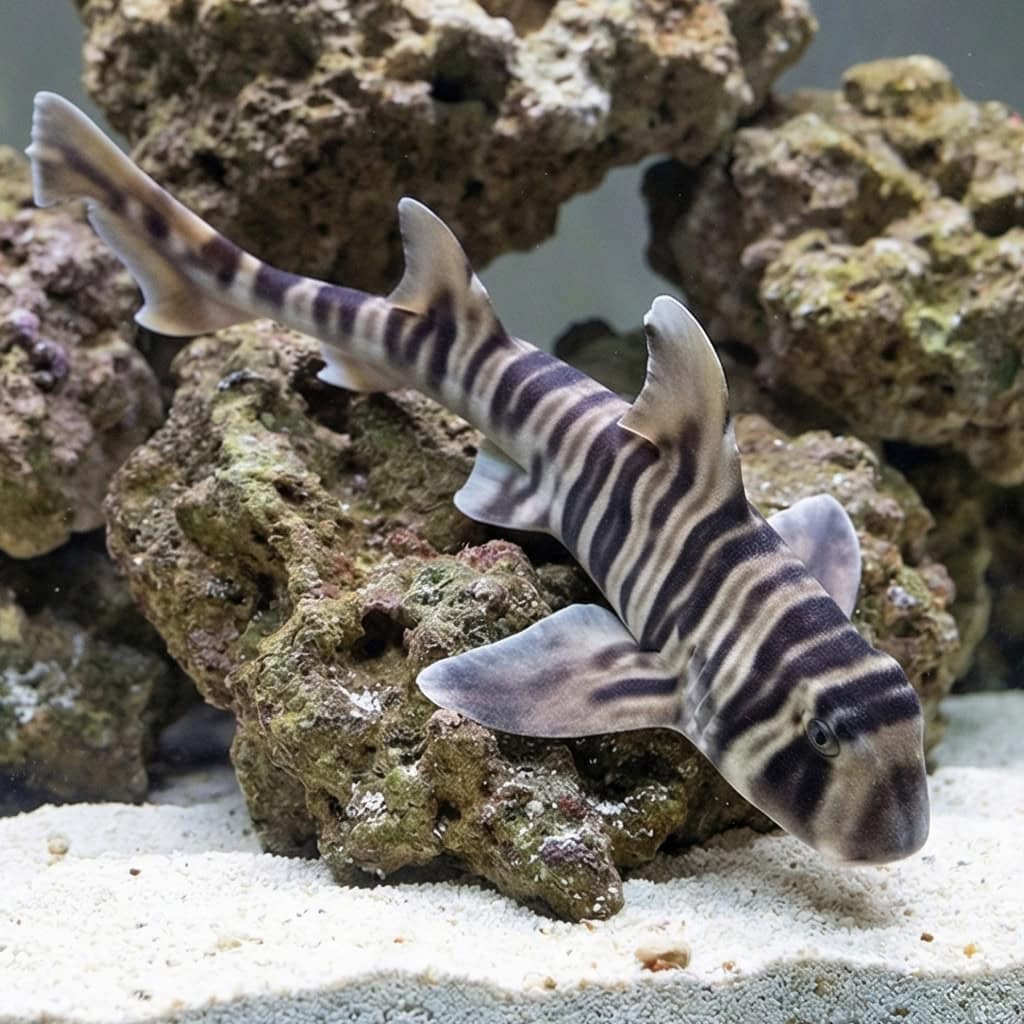
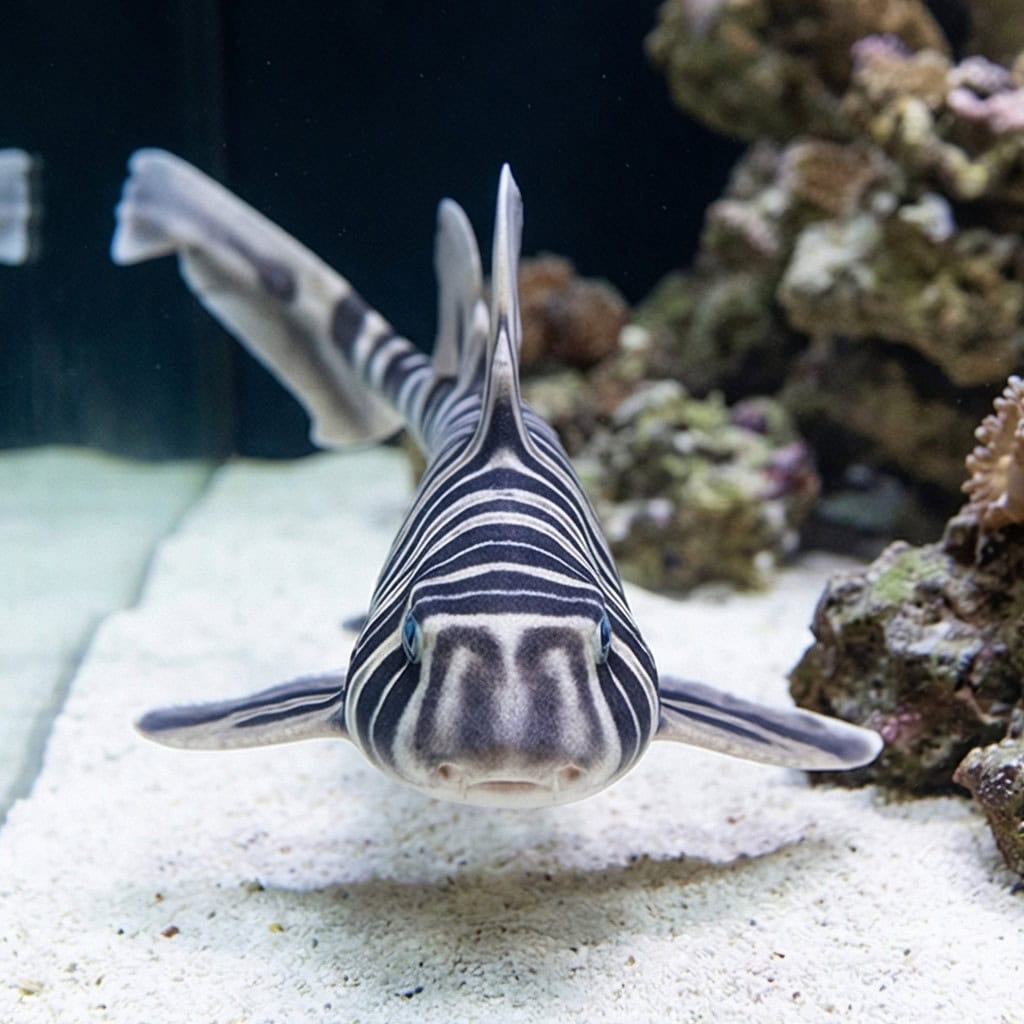
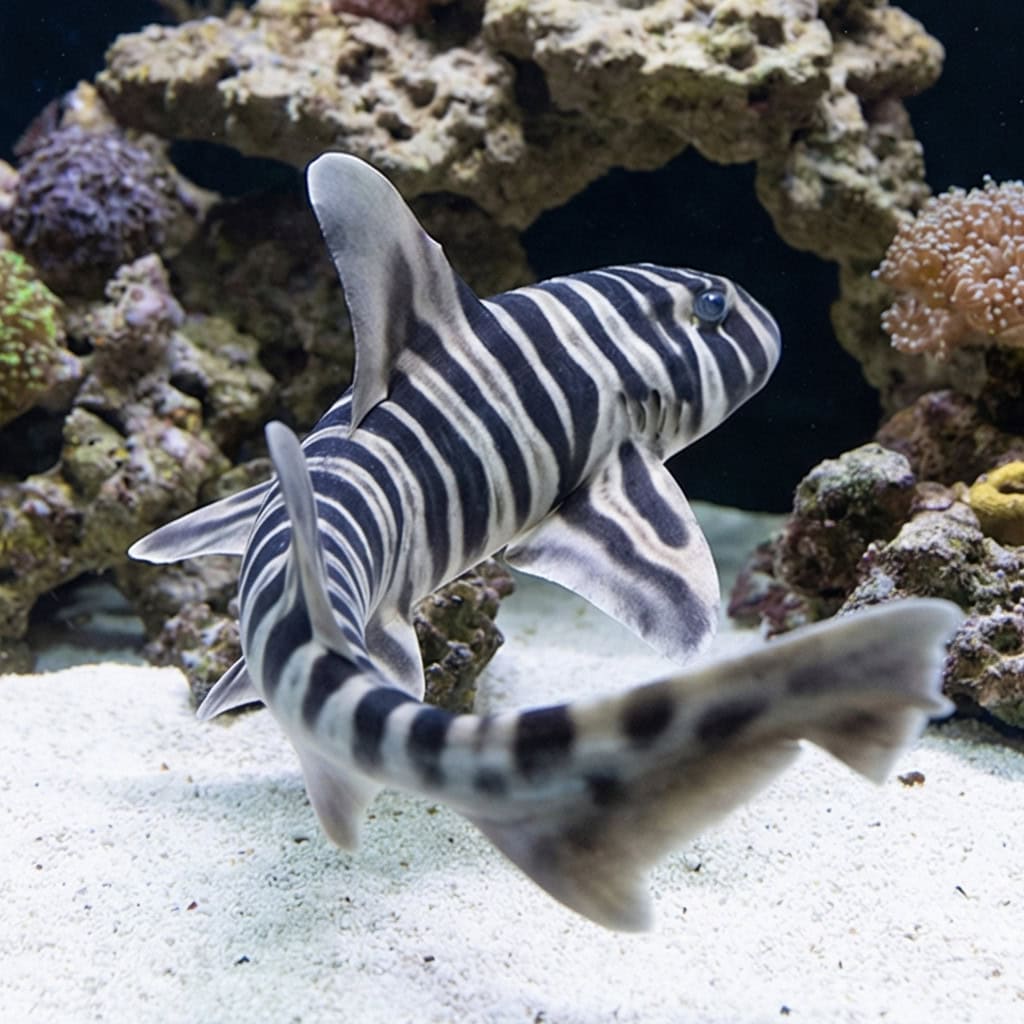
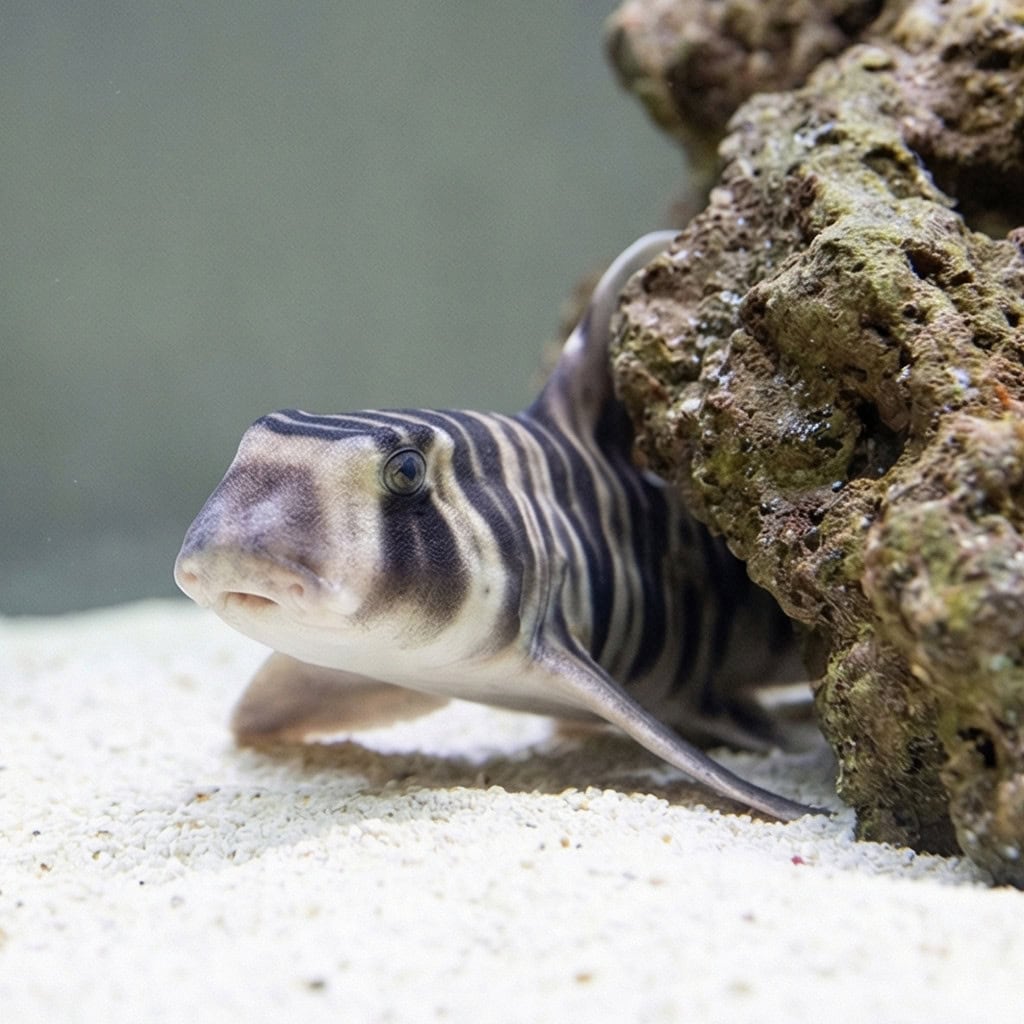
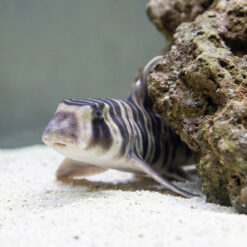
The Zebra Bullhead Shark (Heterodontus zebra), also called the zebra horn shark, is a bottom-dwelling hornshark with a pale body marked by narrow, dark vertical bands. It’s a demersal, rock-and-sand prowler that spends long stretches tucked into cover and becomes more active as lighting dims.
What You’ll Observe:
- Resting under ledges or in caves for much of the day, then cruising the bottom at dusk and after lights-out
- Slow, deliberate “walking” over the substrate with short bursts between hiding spots
- Investigating crevices and rock edges as it searches for food on the bottom
- Learning a routine and showing up when it recognizes feeding time (especially with tong feeding)
Provide a large, wide-footprint system with open sand, sturdy rockwork, and multiple caves so it can rest fully out of view. Many keepers run these sharks in cooler, well-oxygenated water with a chiller rather than a standard tropical reef temperature. Offer a variety of marine meaty foods (shrimp, squid, krill, clam) and use feeding tongs to place food where it can take bites calmly.
Is it normal if this shark “does nothing” for hours?
Yes—hornsharks commonly rest for long periods and become more active in the evening and at night.
Does it have to be hand-fed with tongs?
Not required, but many owners find tong feeding helps the shark learn where food appears and reduces food drifting into rockwork.
Will it dig or rub in the sand?
It often settles directly on the bottom; smoother sand is commonly preferred for bottom-dwelling sharks so resting and turning stays comfortable.
Can it learn a “feeding station”?
Yes—placing food in the same open area builds a predictable routine and makes it easier to confirm it’s eating well.
Can it be kept with other predators like rays or eels?
Some hobbyists keep hornsharks with larger, compatible predators; feeding multiple spots helps each animal get its share without crowding.
Shipped with pure oxygen and temperature control so it arrives stress-free and ready to eat.
Recently viewed products