
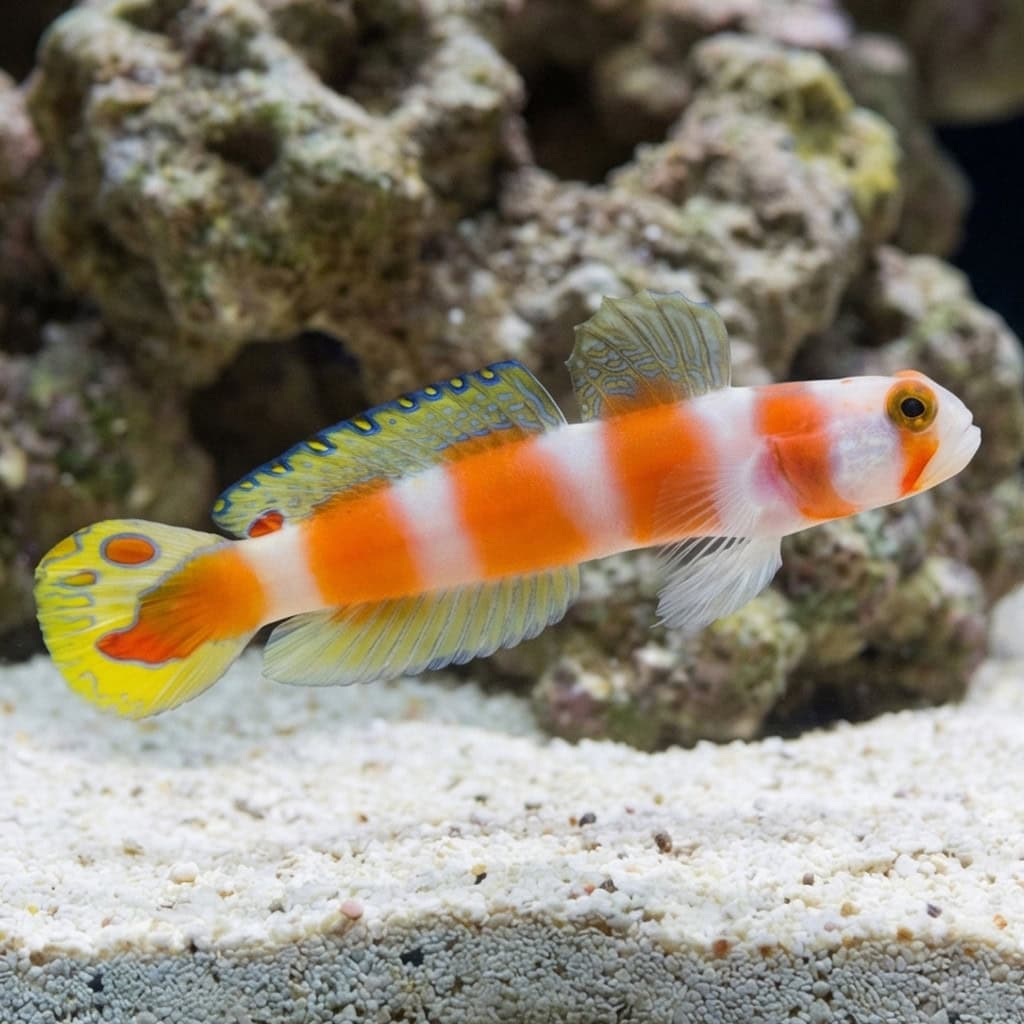
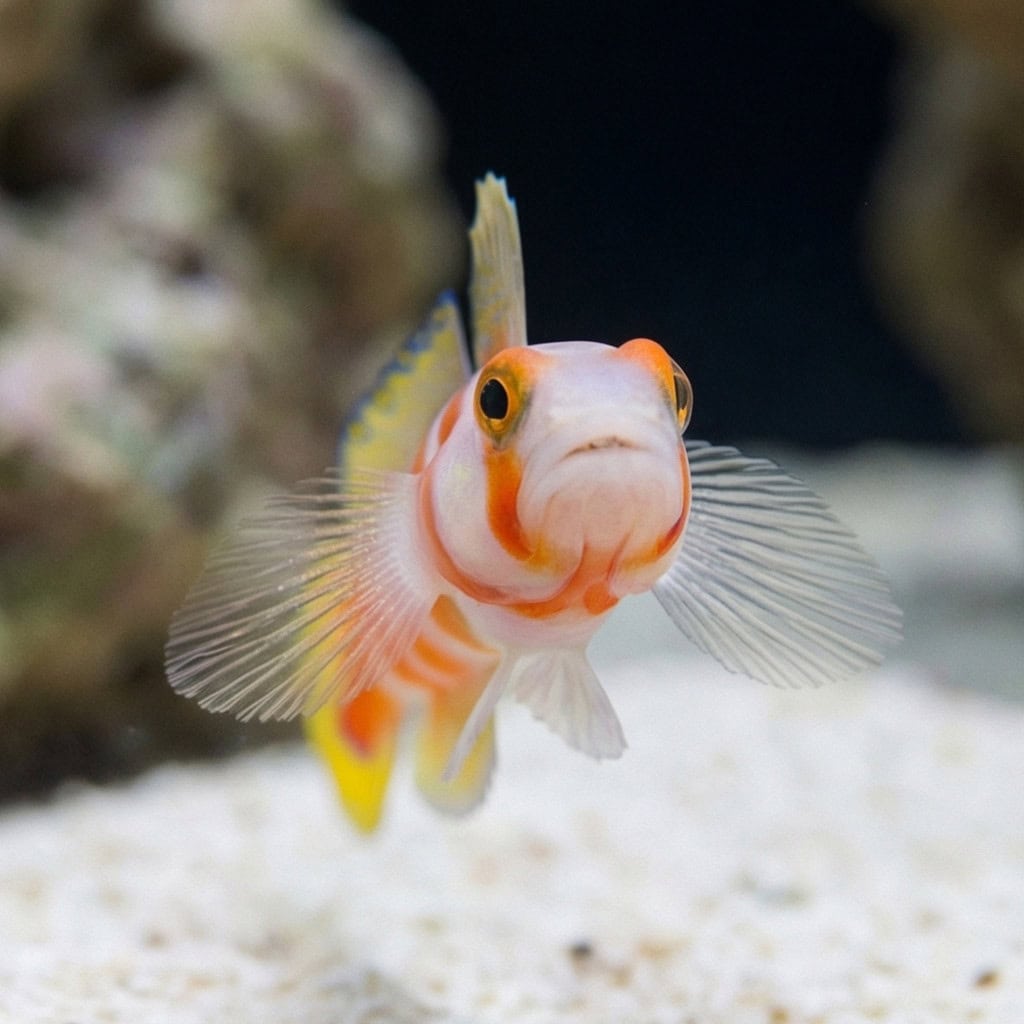
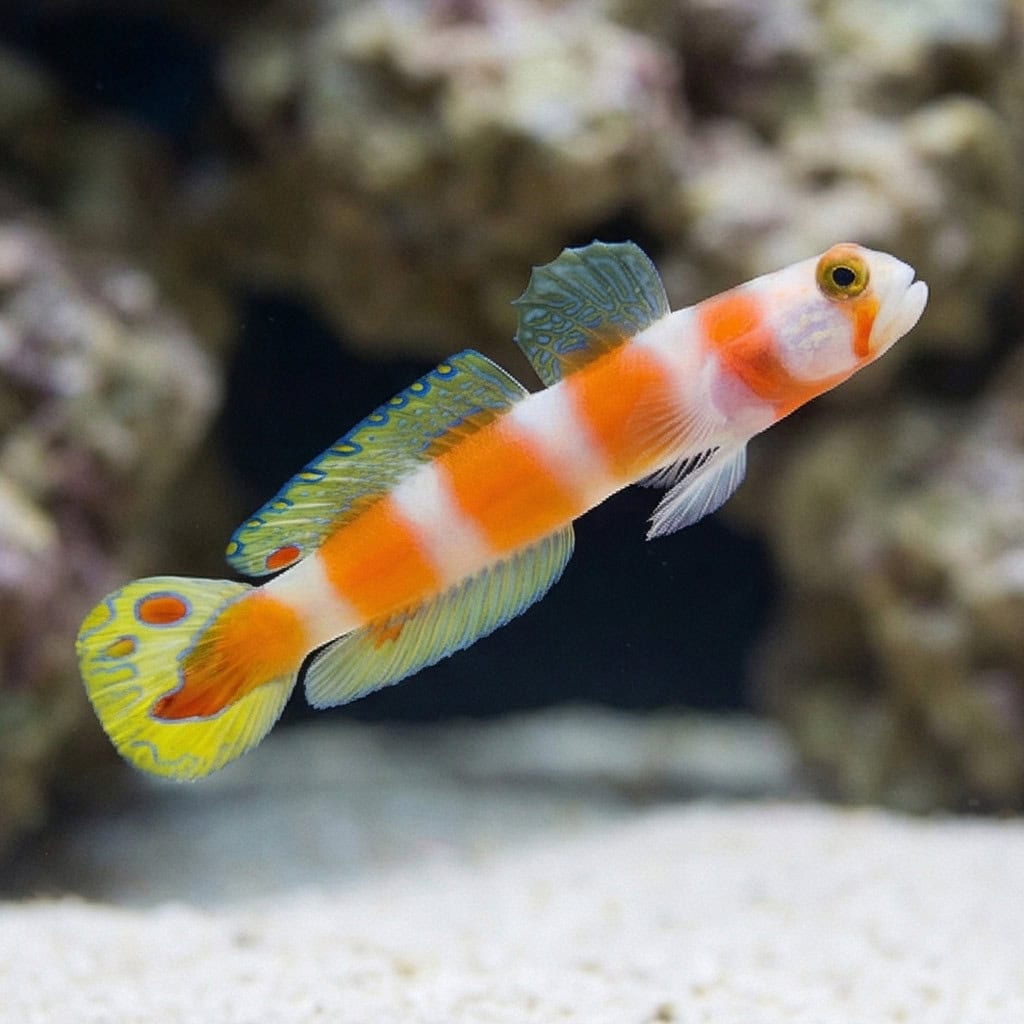
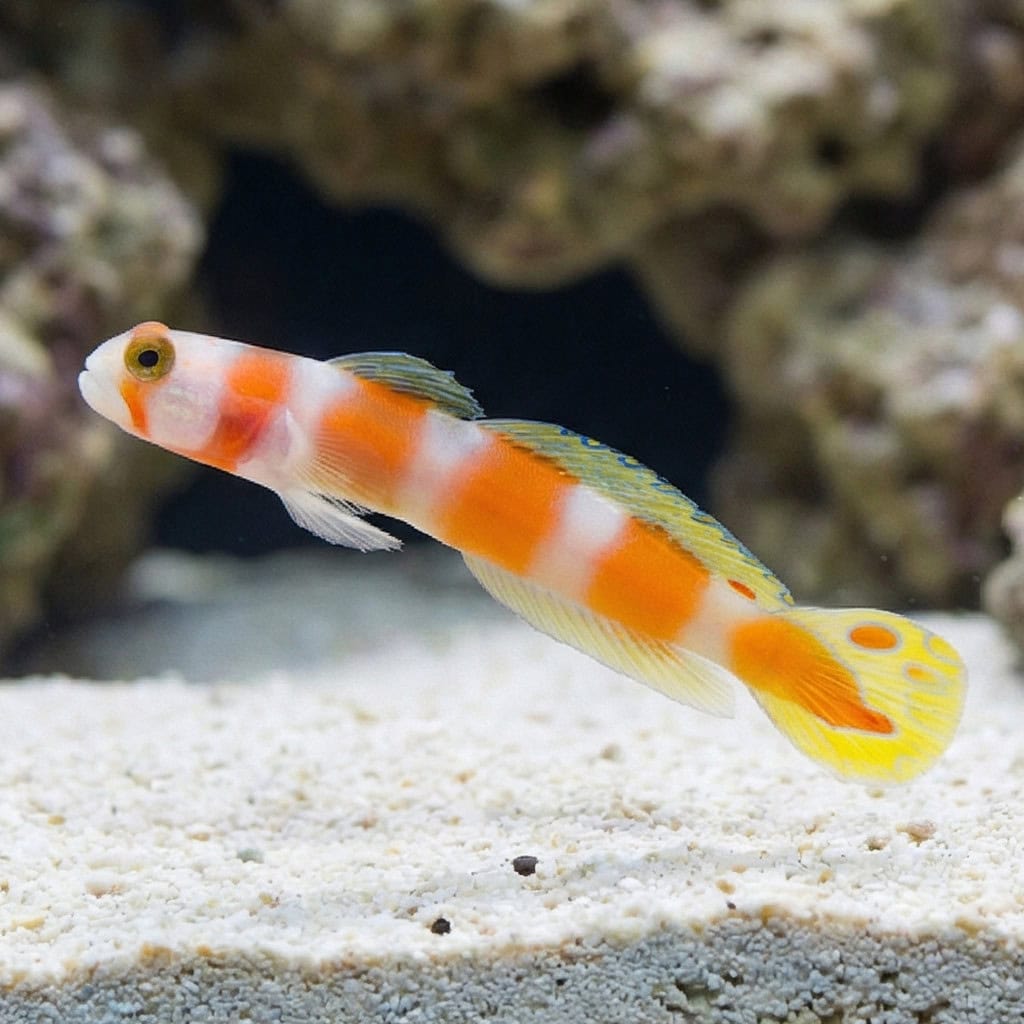
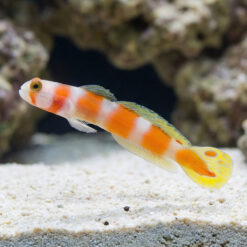
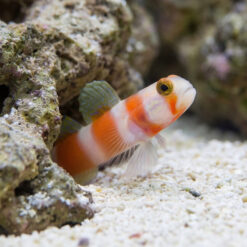
Orange Banded Prawn Goby
Amblyeleotris aurora
Original price was: $141.99.$74.99Current price is: $74.99.
| Stock | Variations | Price | Quantity | |
|---|---|---|---|---|
| Only 4 left | 2.25 - 3.5" - Indian Ocean | Original price was: $141.99.$74.99Current price is: $74.99. |
-
+
|
Every order ships with our standard 3-hour live arrival guarantee. Need more time? Add our 5-Day Guarantee at checkout.
Full guarantee terms →Ships Monday – Thursday for next-day arrival at your nearest FedEx Hold location — typically ready by 9 AM. We monitor every delivery.
Shipping details →
Monday – Friday 8 AM – 9 PM
Saturday 12 PM – 4 PM
Sunday 12 PM – 9 PM
Healthy, stable animals from vetted suppliers — inspected before packing, shipped overnight. Decades of experience built this model so we can deliver premium livestock at 30%+ less than you'd pay elsewhere.
| Care Level | Easy |
|---|---|
| Temperament | Peaceful |
| Reef Safe | Yes |
| Functional Benefit | Ornamental Only |
| Diet Type | Carnivore |
| Mininum Tank Size | 10 gallons |
| Max Size | 4 inches |
| Temperature | 72–78°F |
| pH Range | 8.1–8.4 |
| Specific Gravity | 1.022–1.025 |
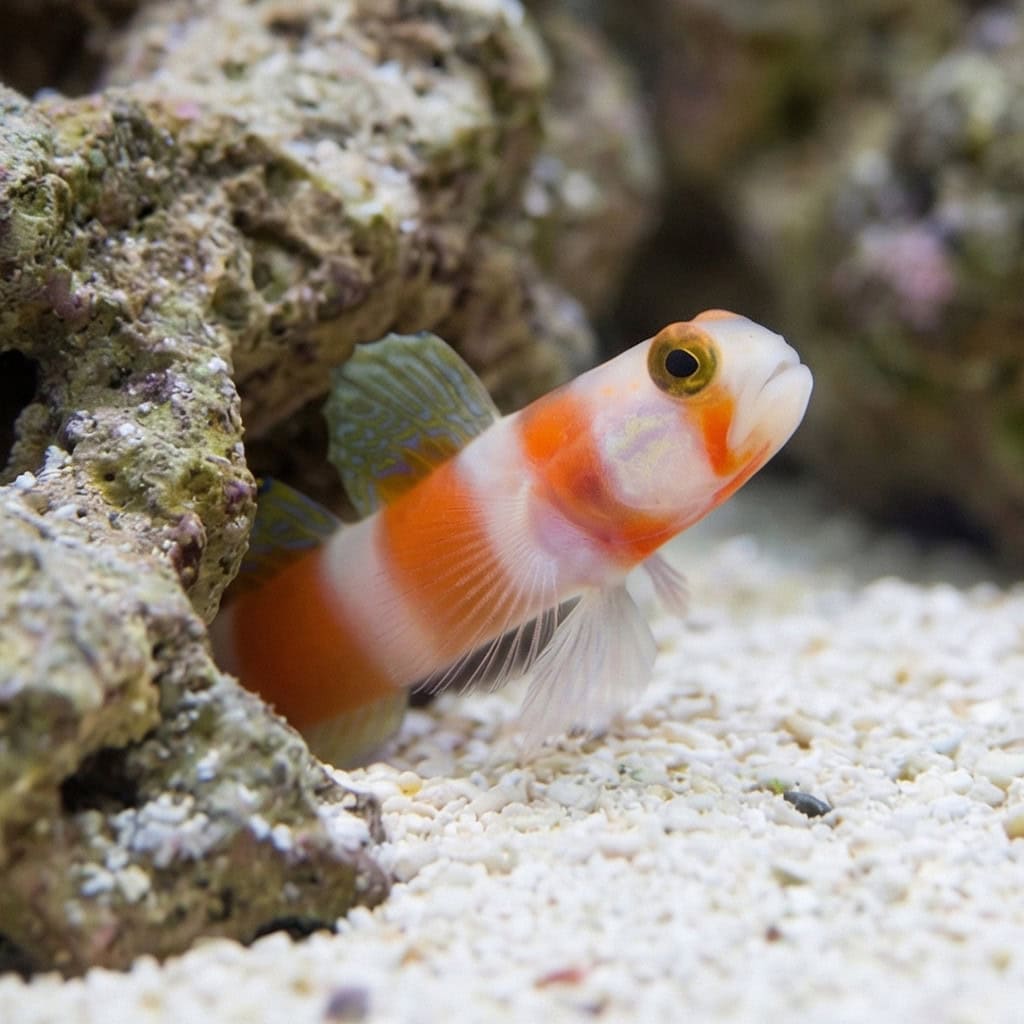
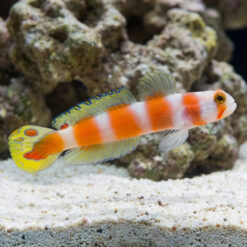
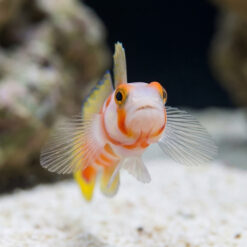
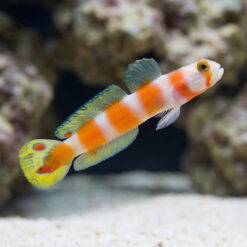
The Orange Banded Prawn Goby (Amblyeleotris aurora), also sold as the Pinkbar Goby or shrimp goby, is a small sand-perching goby with a pale body marked by orange-to-pink bands and a yellow tail that can show bright pink spotting. It typically chooses a sandy patch near rockwork and uses a burrow as its home base.
What You’ll Observe:
- Perching at the burrow entrance and making short “hops” across the sand before returning to the same spot
- Quick retreats into the burrow when the tank is approached, followed by steady re-appearing as it settles in
- A consistent routine of watching the water column for food, then grabbing pieces that land near the substrate
- If paired with a pistol shrimp, shared burrow behavior where the fish stands guard while the shrimp maintains the tunnel
How to Succeed: Provide a sandy bottom with a few small rubble pieces so it can establish a secure burrow area near the rockwork. Offer small meaty foods (like mysis and other finely sized frozen foods) so pieces can drift past its perch, and keep tankmates calm enough that it can feed in the open. Use a tight-fitting lid to support confident, normal day-to-day activity.
Will it always stay visible in the open?
Many individuals go through “in-and-out” phases, spending longer stretches at the burrow after changes in lighting, aquascape, or nearby activity, then returning to regular perching once the area feels familiar.
Is it normal if a pistol shrimp and goby stop sharing the same burrow?
Yes—pairs sometimes separate temporarily when the burrow collapses, the shrimp relocates, or the goby chooses a nearby entrance; they often reconnect once a new tunnel is established.
How can I tell this fish apart from similar shrimp gobies sold under close common names?
Color patterns can overlap between species, but keepers often focus on the banding style and tail markings for ID; if you want certainty, compare your fish to multiple verified photos of A. aurora.
Can I keep two prawn/shrimp gobies together?
A bonded pair can work well, while two unpaired individuals often prefer separate burrows and may posture over prime entrance spots; extra hiding zones helps them space out naturally.
What’s a practical way to make sure it gets its share of food in a busy reef?
Try gently delivering food near its perch with a baster or feeding tube so pieces drift past the burrow entrance, then repeat a couple small passes rather than one large feeding.
Each fish is checked for strong appetite and activity before we approve it for your tank.
Recently viewed products