
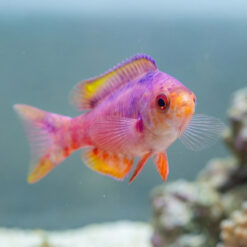
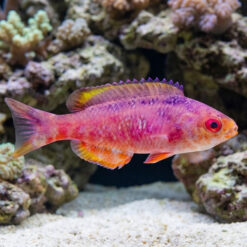
Blue Diamond Creole Wrasse
Clepticus parrae
Original price was: $68.99.$36.99Current price is: $36.99.
| Stock | Variations | Price | Quantity | |
|---|---|---|---|---|
| Out of Stock | 2.25 - 3.5" - Juvenile - Caribbean | Original price was: $83.99.$43.99Current price is: $43.99. | Email me | |
| In Stock | 2.25" or smaller - Juvenile - Caribbean | Original price was: $68.99.$36.99Current price is: $36.99. |
-
+
|
Every order ships with our standard 3-hour live arrival guarantee. Need more time? Add our 5-Day Guarantee at checkout.
Full guarantee terms →Ships Monday – Thursday for next-day arrival at your nearest FedEx Hold location — typically ready by 9 AM. We monitor every delivery.
Shipping details →
Monday – Friday 8 AM – 9 PM
Saturday 12 PM – 4 PM
Sunday 12 PM – 9 PM
Healthy, stable animals from vetted suppliers — inspected before packing, shipped overnight. Decades of experience built this model so we can deliver premium livestock at 30%+ less than you'd pay elsewhere.
| Care Level | Moderate |
|---|---|
| Temperament | Peaceful |
| Reef Safe | Yes |
| Functional Benefit | Ornamental Only |
| Diet Type | Planktivore |
| Mininum Tank Size | 120 gallons |
| Max Size | 12 inches |
| Temperature | 72–78°F |
| pH Range | 8.1–8.4 |
| Specific Gravity | 1.022–1.025 |
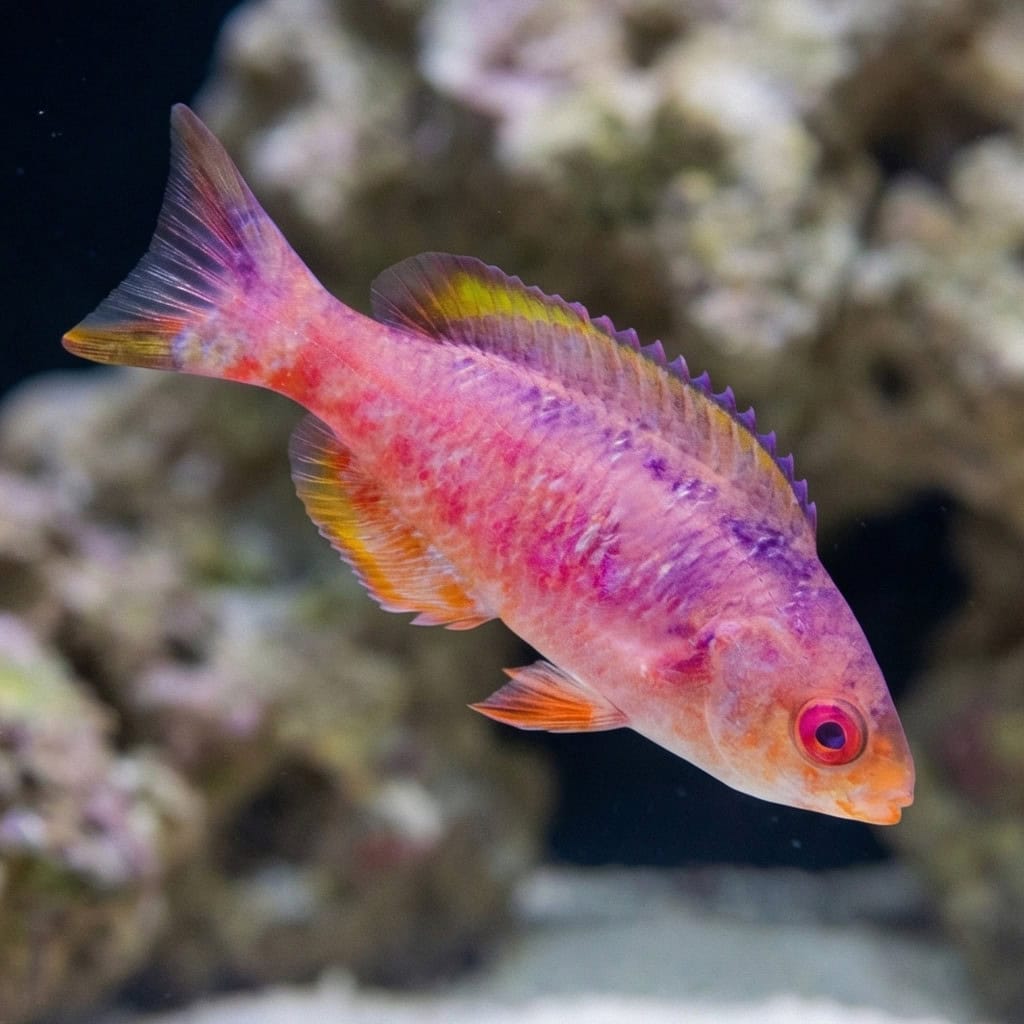
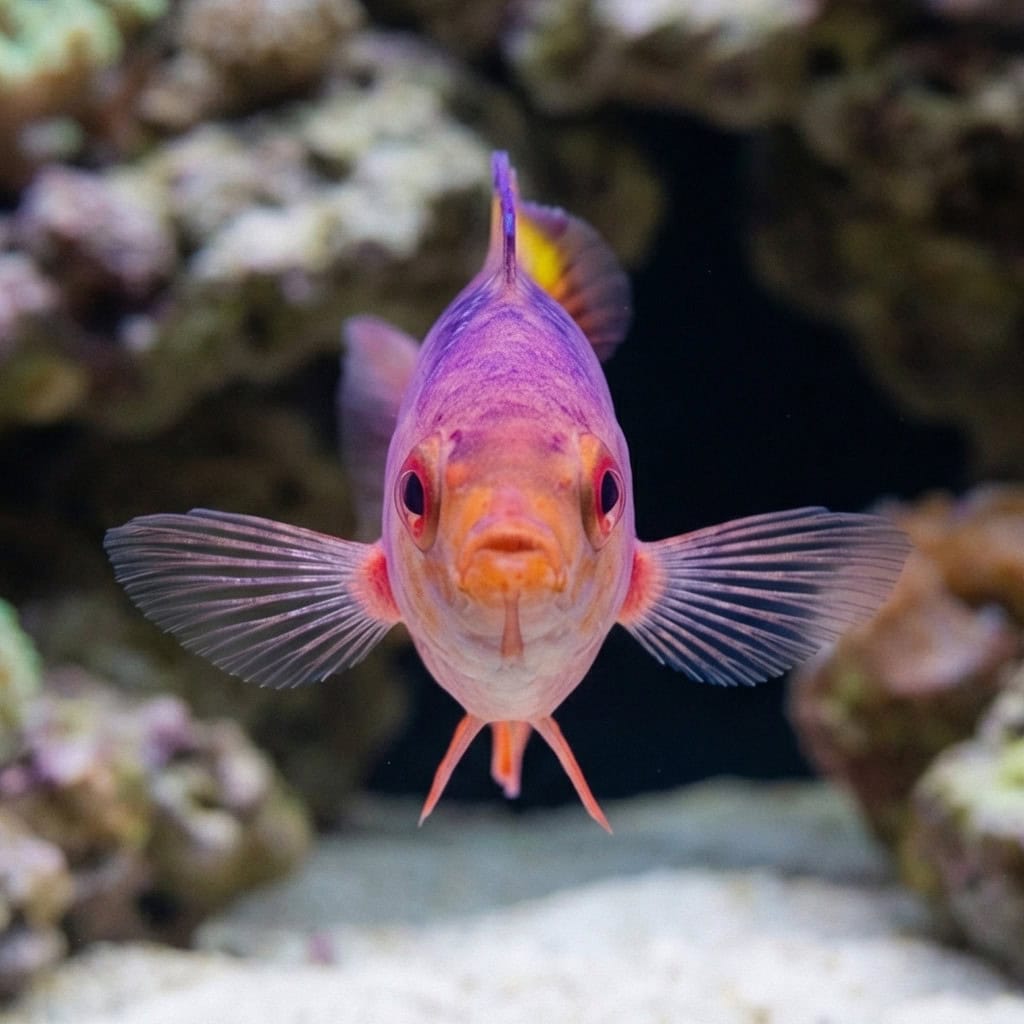
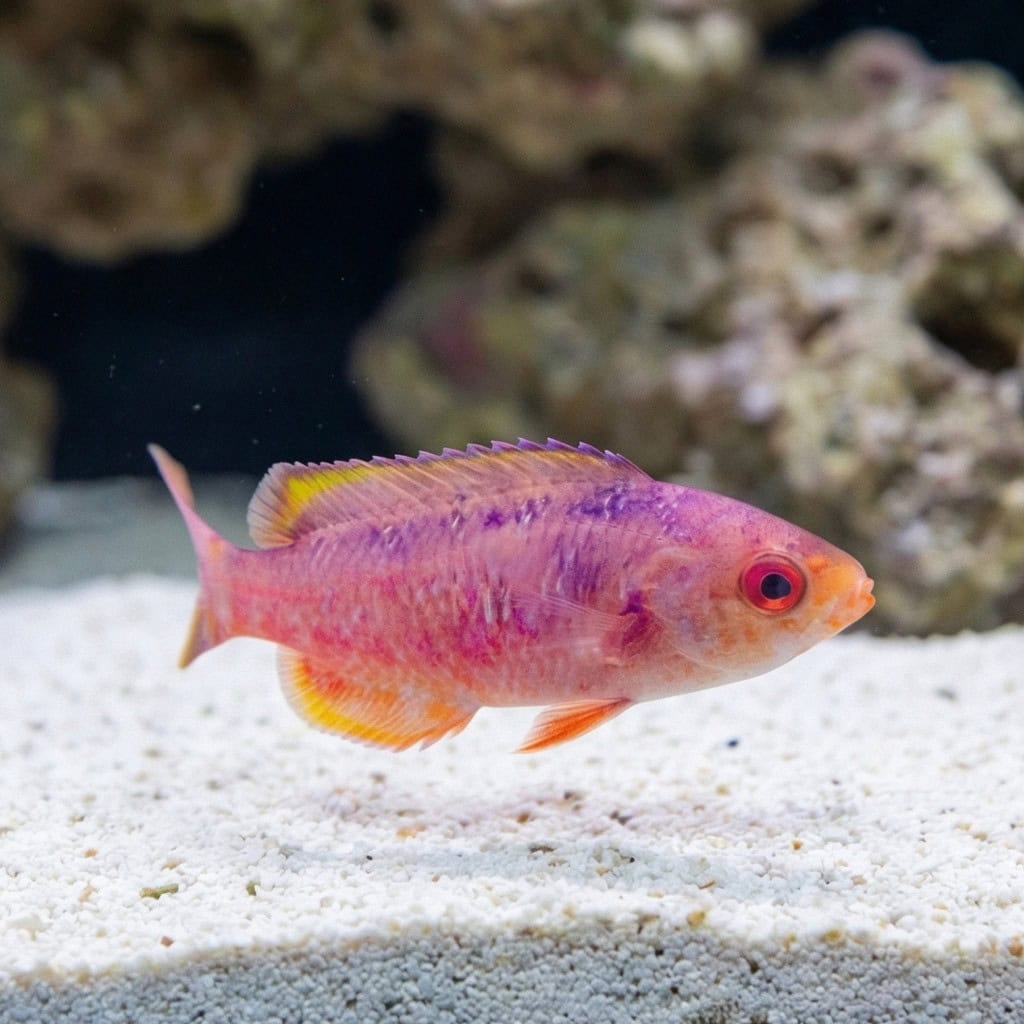
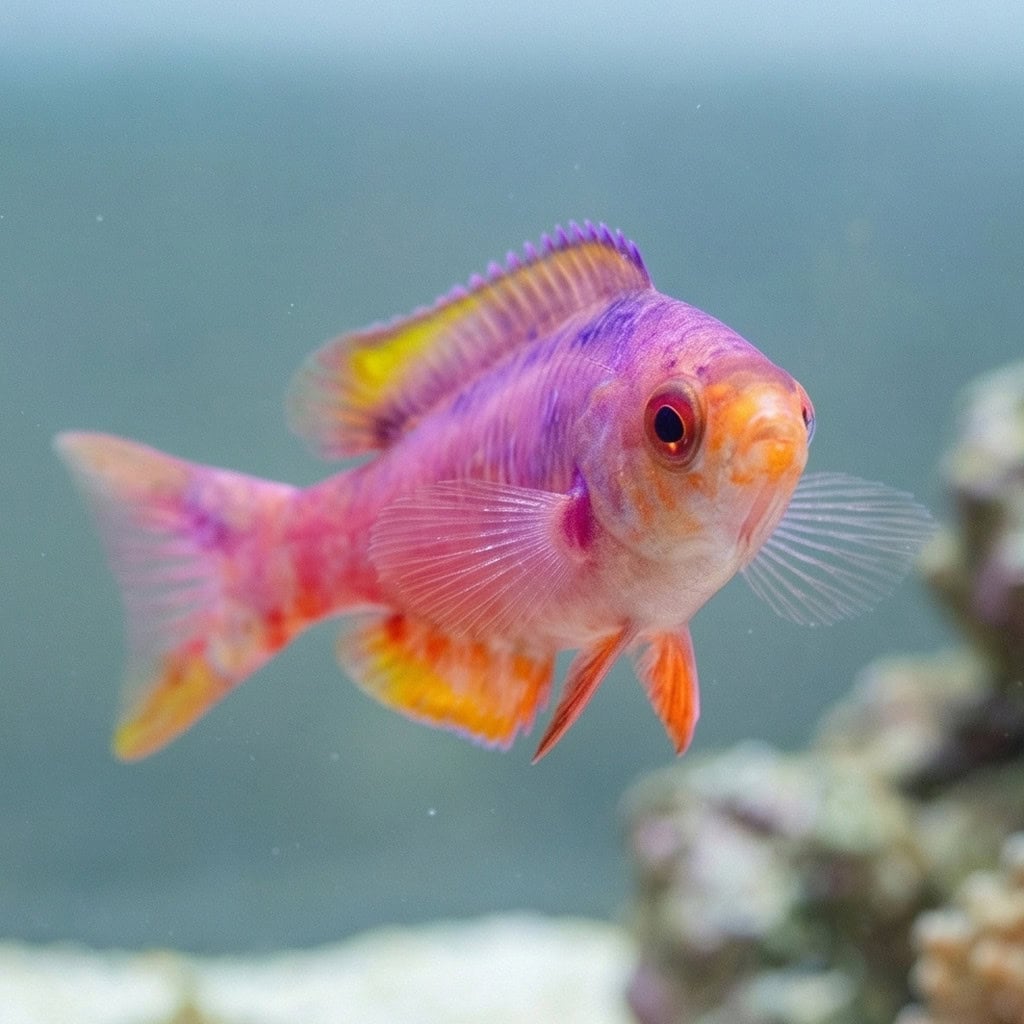
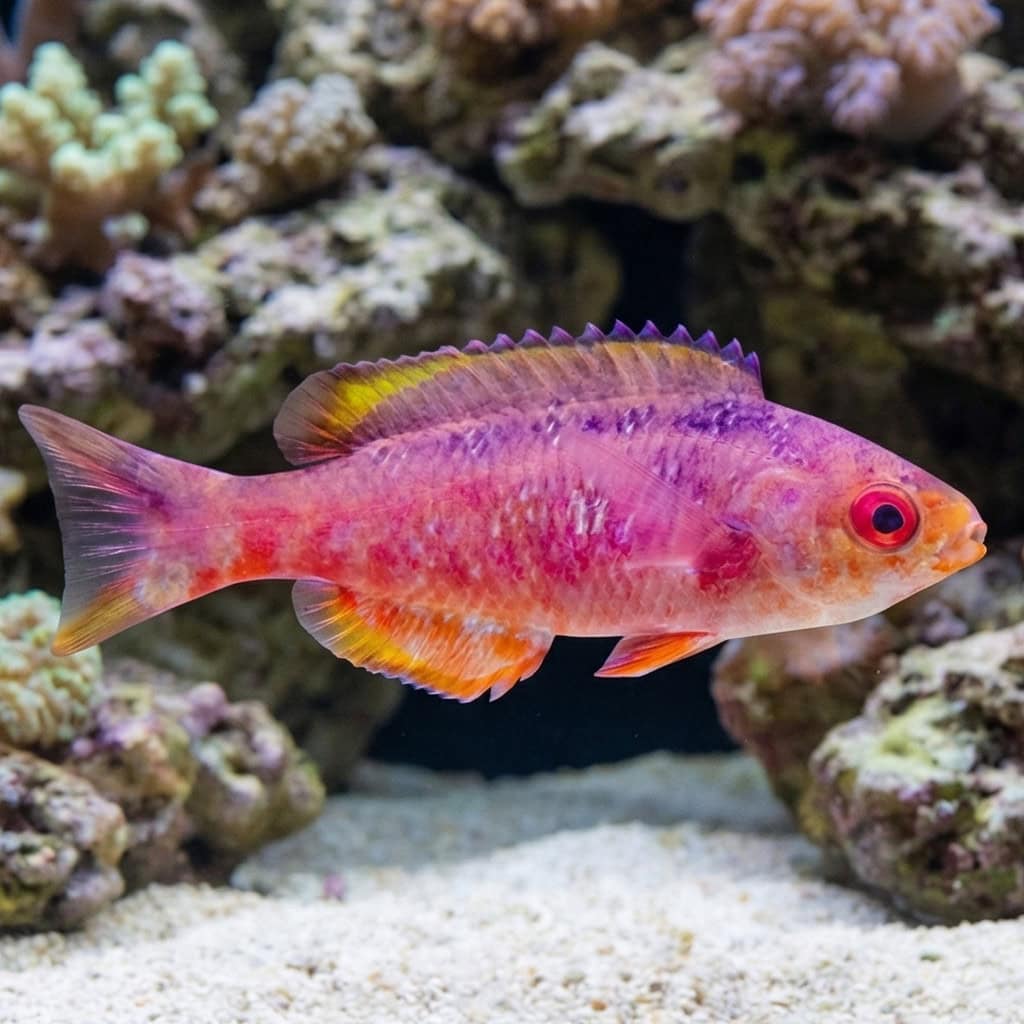
The Blue Diamond Creole Wrasse (Clepticus parrae) is a Caribbean planktivore that spends most of its time cruising in the water column above reef structure. Adults show a deep blue to violet body tone with a contrasting yellow patch toward the rear, while younger fish often start out more uniformly purple.
What You’ll Observe:
- Active, open-water swimming that gives a reef tank constant midwater motion
- Loose grouping behavior when housed with other calm, midwater fish
- Quick, “snap-and-swallow” feeding strikes in the current during meal times
- A predictable daily routine—out and moving during the day, then settling into the rockwork to rest
To do well long-term, provide open swimming room plus plenty of rockwork with shaded gaps. Offer small, meaty plankton-style foods in multiple feedings each day (or use an auto-feeder and supplement with frozen foods) so it can graze throughout the light cycle. In larger systems, adding more than one can create a more natural, group-oriented display.
Will a Blue Diamond Creole Wrasse stay “anthias-sized,” or does it grow out fast?
Many hobbyists see them sold as small juveniles; with steady feeding and space, expect a gradual growth curve rather than an overnight jump in size.
Do they actually school in home aquariums?
Keepers commonly report more natural grouping when multiple are kept together, but a true “hundreds-fish” school display typically requires a very large aquarium footprint.
Why do these get misidentified at stores?
Juveniles are frequently confused with anthias or basslets because of their shape and color, and the common names used in the trade aren’t always consistent.
What’s the most practical feeding approach day-to-day?
A mix of small frozen foods plus a quality small pellet/flake offered several times daily (often with an auto-feeder) matches the “constant plankton” style feeding people discuss.
Can they be kept with other planktivores like anthias and chromis?
Most discussions center on keeping them with other peaceful, midwater feeders; the key is creating enough “feeding lanes” in the flow so everyone gets food without crowding.
Each fish is checked for strong appetite and activity before we approve it for your tank.
Recently viewed products