
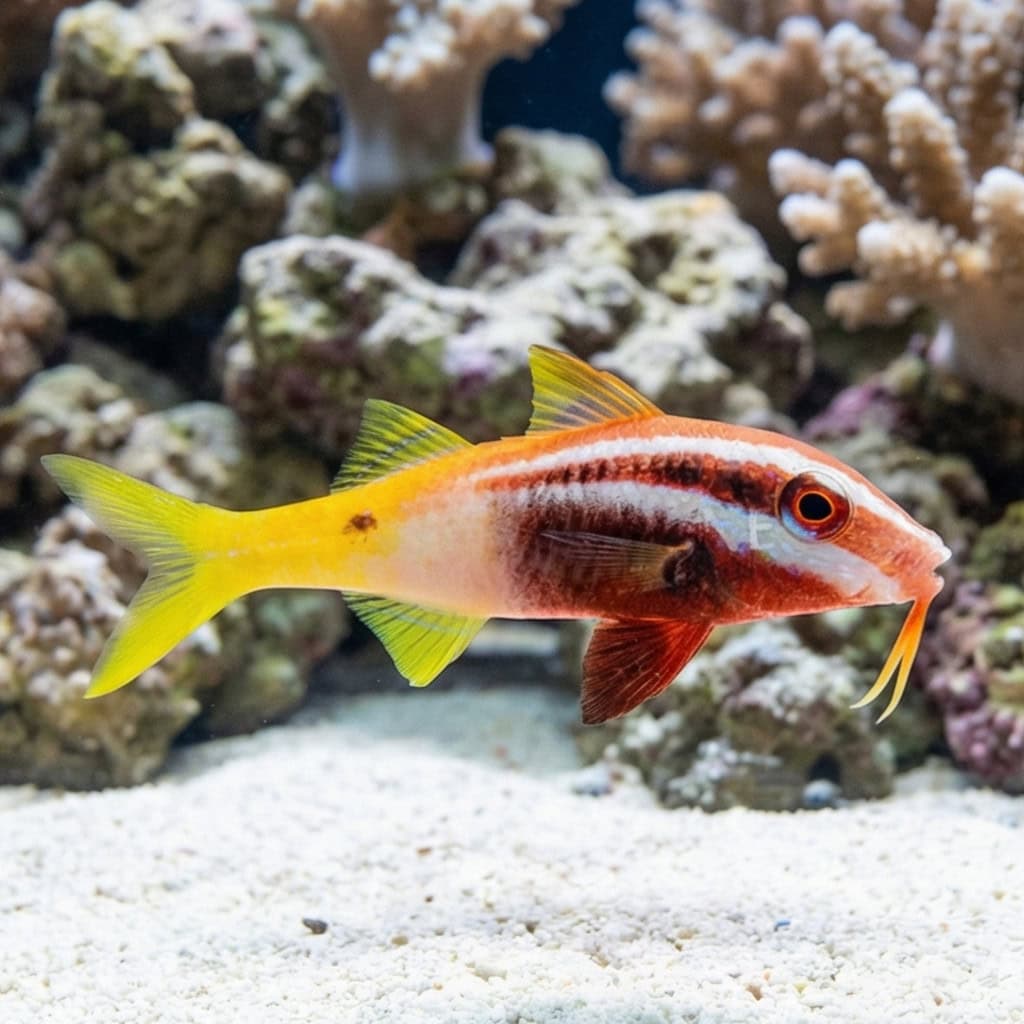
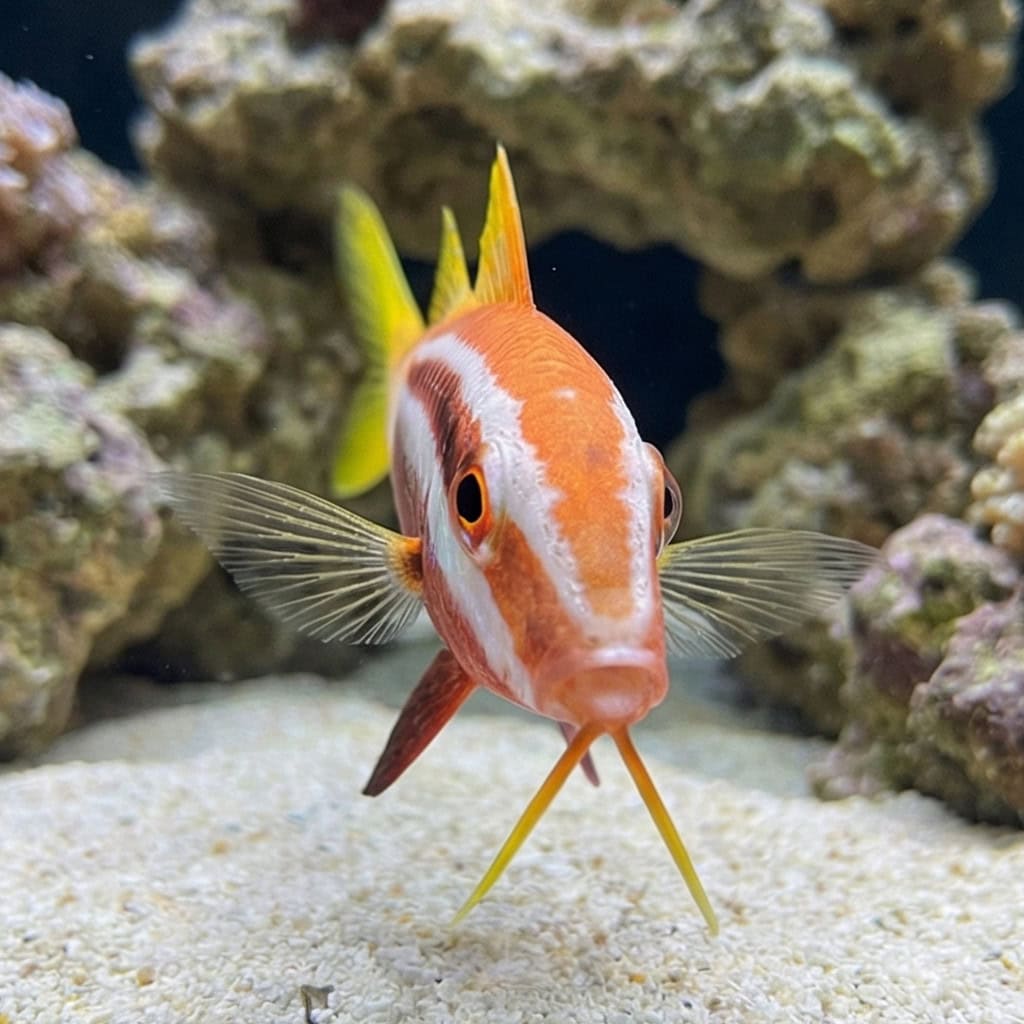
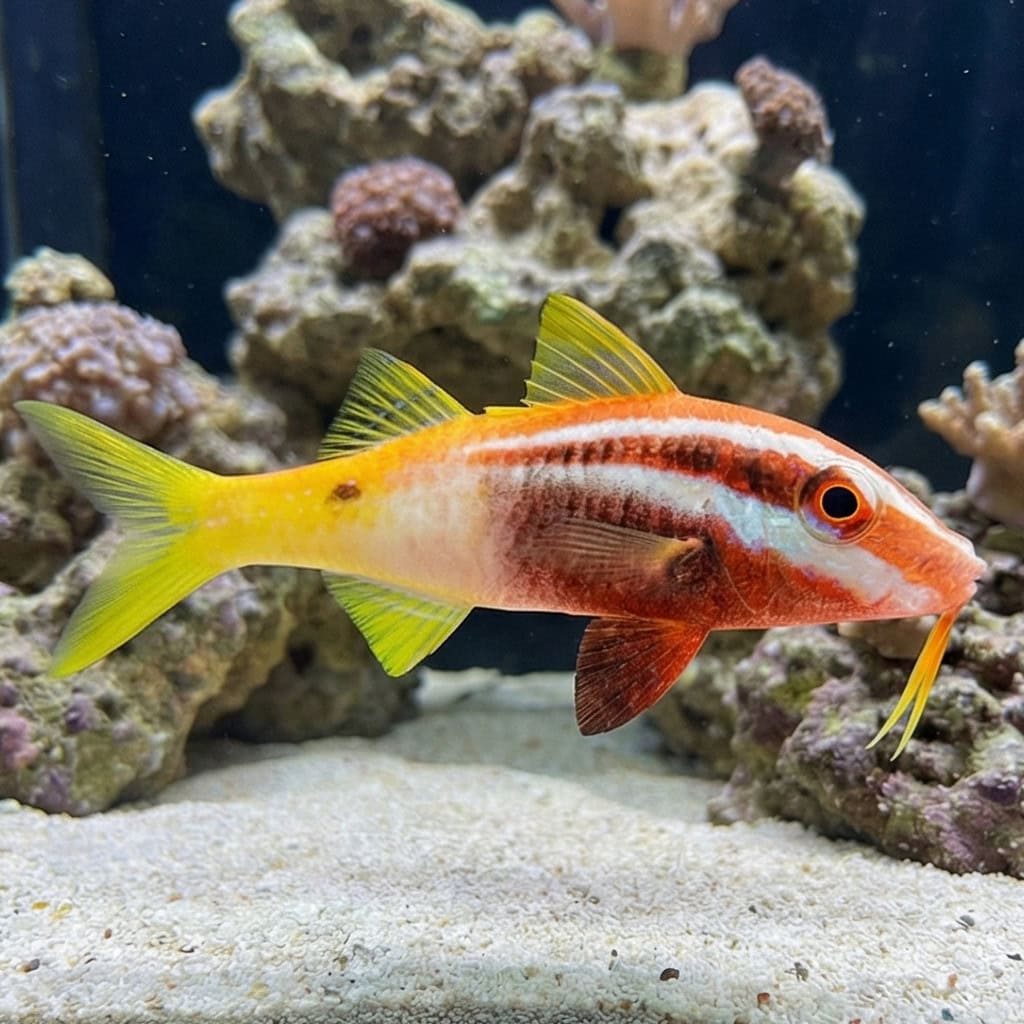
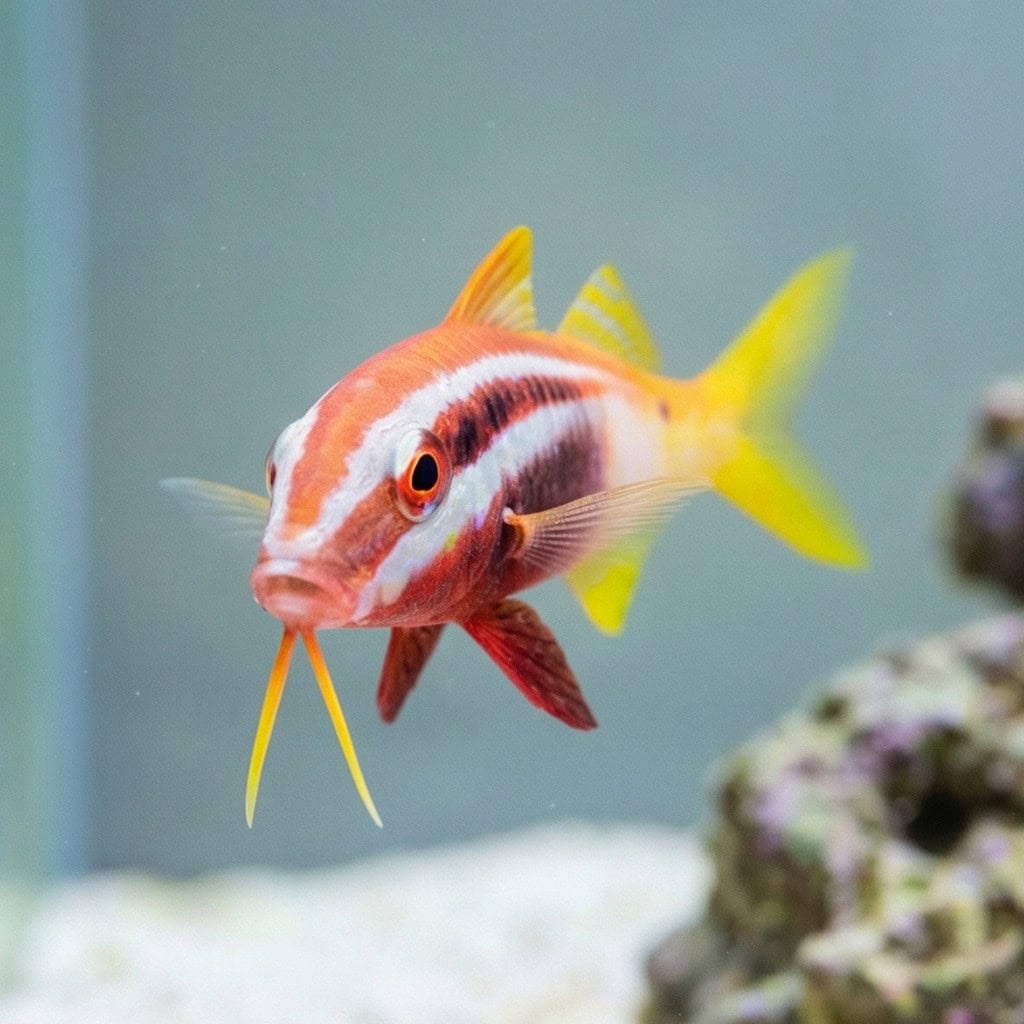
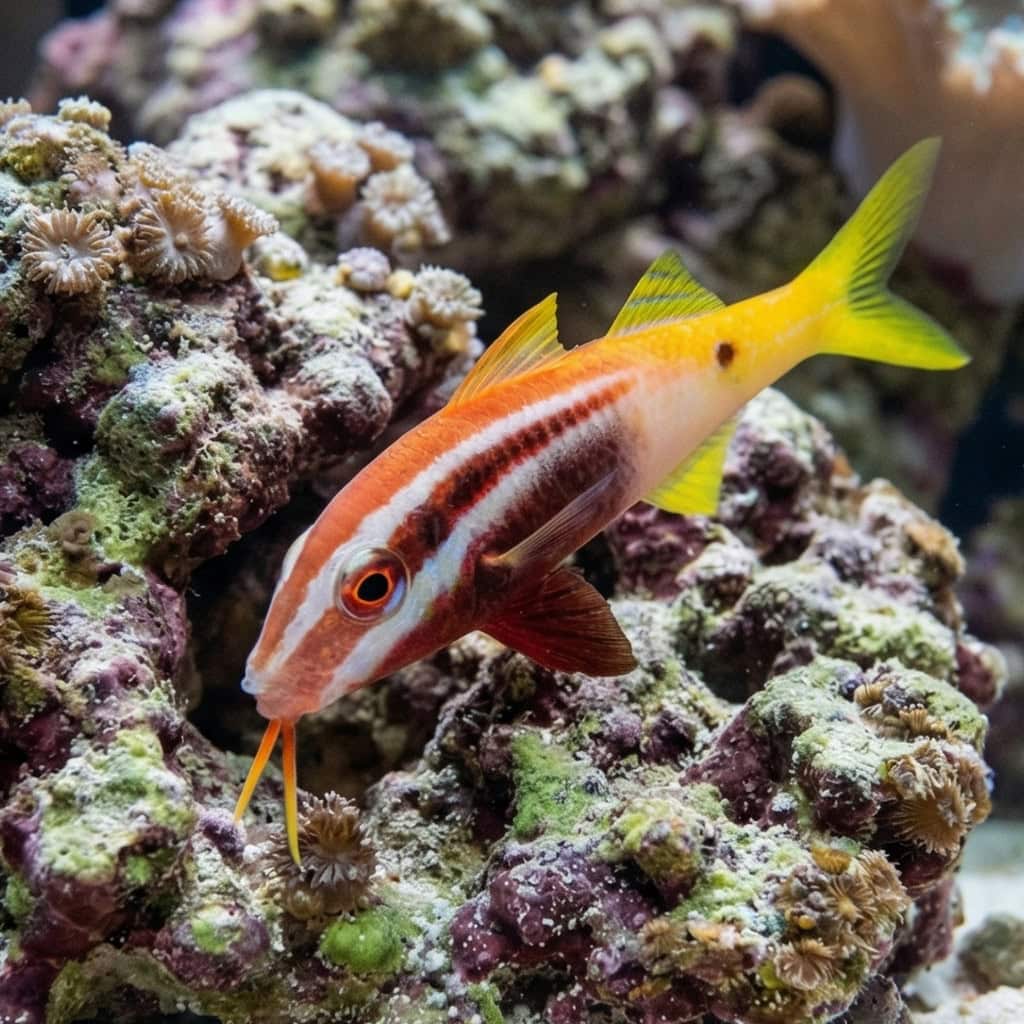
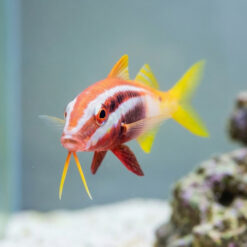
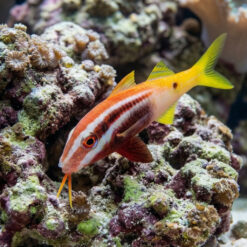
Bicolor Goatfish
Parupeneus barberinoides
Original price was: $79.99.$41.99Current price is: $41.99.
| Stock | Variations | Price | Quantity | |
|---|---|---|---|---|
| Out of Stock | 2 - 3" - SSC Certified - Central Pacific | Original price was: $84.99.$44.99Current price is: $44.99. | Email me | |
| Out of Stock | 3 - 4" - Central Pacific | Original price was: $196.99.$103.99Current price is: $103.99. | Email me |
Every order ships with our standard 3-hour live arrival guarantee. Need more time? Add our 5-Day Guarantee at checkout.
Full guarantee terms →Ships Monday – Thursday for next-day arrival at your nearest FedEx Hold location — typically ready by 9 AM. We monitor every delivery.
Shipping details →
Monday – Friday 8 AM – 9 PM
Saturday 12 PM – 4 PM
Sunday 12 PM – 9 PM
Healthy, stable animals from vetted suppliers — inspected before packing, shipped overnight. Decades of experience built this model so we can deliver premium livestock at 30%+ less than you'd pay elsewhere.
| Care Level | Moderate |
|---|---|
| Temperament | Peaceful |
| Reef Safe | With Caution |
| Functional Benefit | Sand Sifting |
| Diet Type | Carnivore |
| Mininum Tank Size | 120 gallons |
| Max Size | 10 inches |
| Temperature | 72–78°F |
| pH Range | 8.1–8.4 |
| Specific Gravity | 1.022–1.025 |
The Bicolor Goatfish is an active sand-sifting fish that patrols the bottom and turns over the substrate while it searches for food. It shows a burgundy front half and yellow rear half separated by a pale band, with dash and dot markings that stand out in larger reef tanks.
What You’ll Observe:
- Constant cruising along the sand line, stopping often to probe with its chin barbels
- Mouthfuls of sand taken in and released as it searches for edible bits
- A predictable patrol route around rock edges, open sand, and along the front glass
- Quick interest at feeding time, especially when smaller meaty foods hit the bottom
- Steady daytime activity that keeps the lower third of the tank feeling busy
Provide an established aquarium with open swimming room and a soft sandbed so it can forage naturally while it sifts. Offer small meaty foods multiple times per day to match its all-day searching routine. With calm tankmates and consistent feeding, it settles into a reliable bottom-patrolling pattern.
Will it move sand onto corals or frags?
Expect regular sand shifting as it forages. Place frags on stable rock or on raised plugs so light sand movement doesn’t dust them.
Does it need a mature sandbed to do well?
It typically forages throughout the day, so an established sandbed helps support its natural hunting routine. Many keepers still rely on scheduled feedings so it gets consistent calories.
How do I keep it from thinning out over time?
Feed smaller portions more often, and make sure food reaches the bottom where it hunts. Spreading food across the tank can help it find meals without competition.
What cleanup will it do in the sand?
It will sift and hunt through the substrate and may reduce small worms and tiny crustaceans it finds. This is normal for its foraging style and part of why it stays active on the bottom.
Is it normal for it to ignore food at first and just keep searching?
Yes—new arrivals often spend time exploring and sifting before locking onto a feeding routine. Once it associates you with feeding, it usually becomes much more direct at mealtimes.
Each fish is checked for strong appetite and activity before we approve it for your tank.
Recently viewed products