
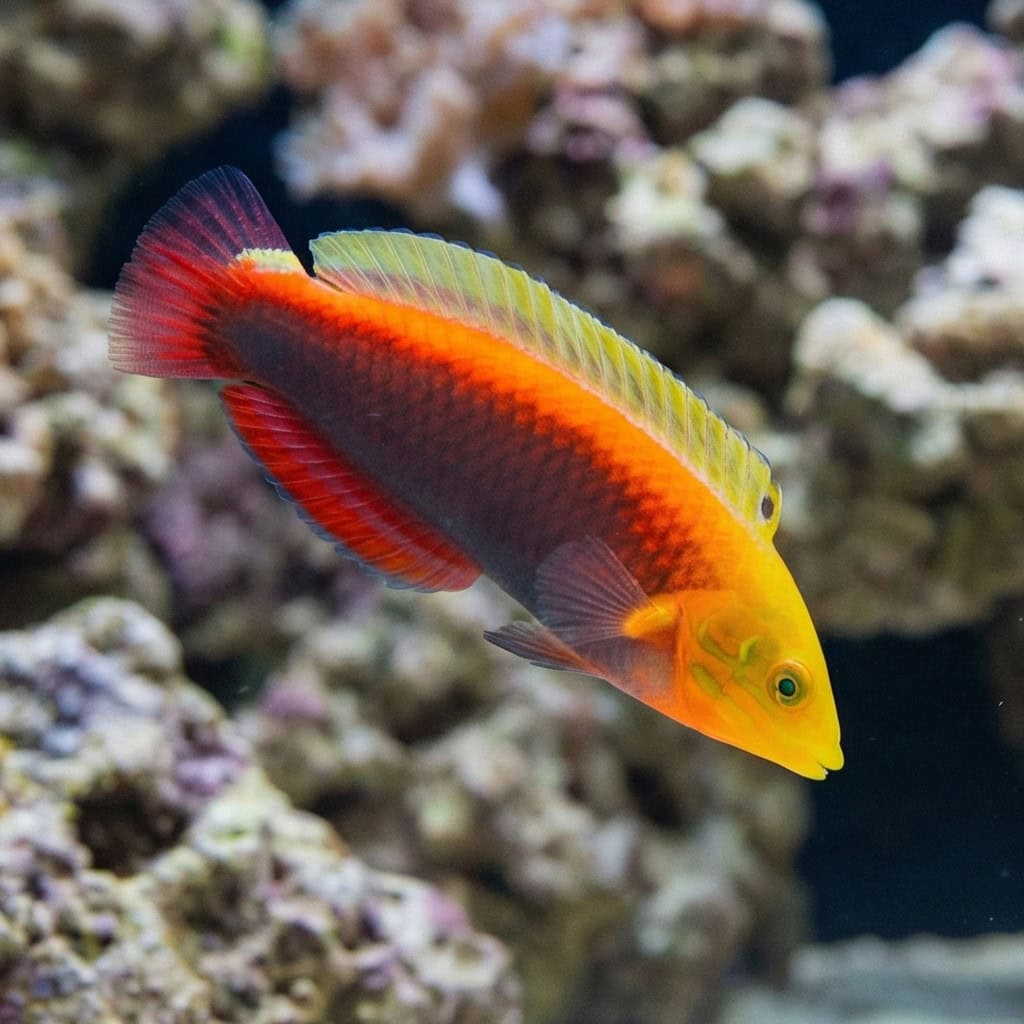
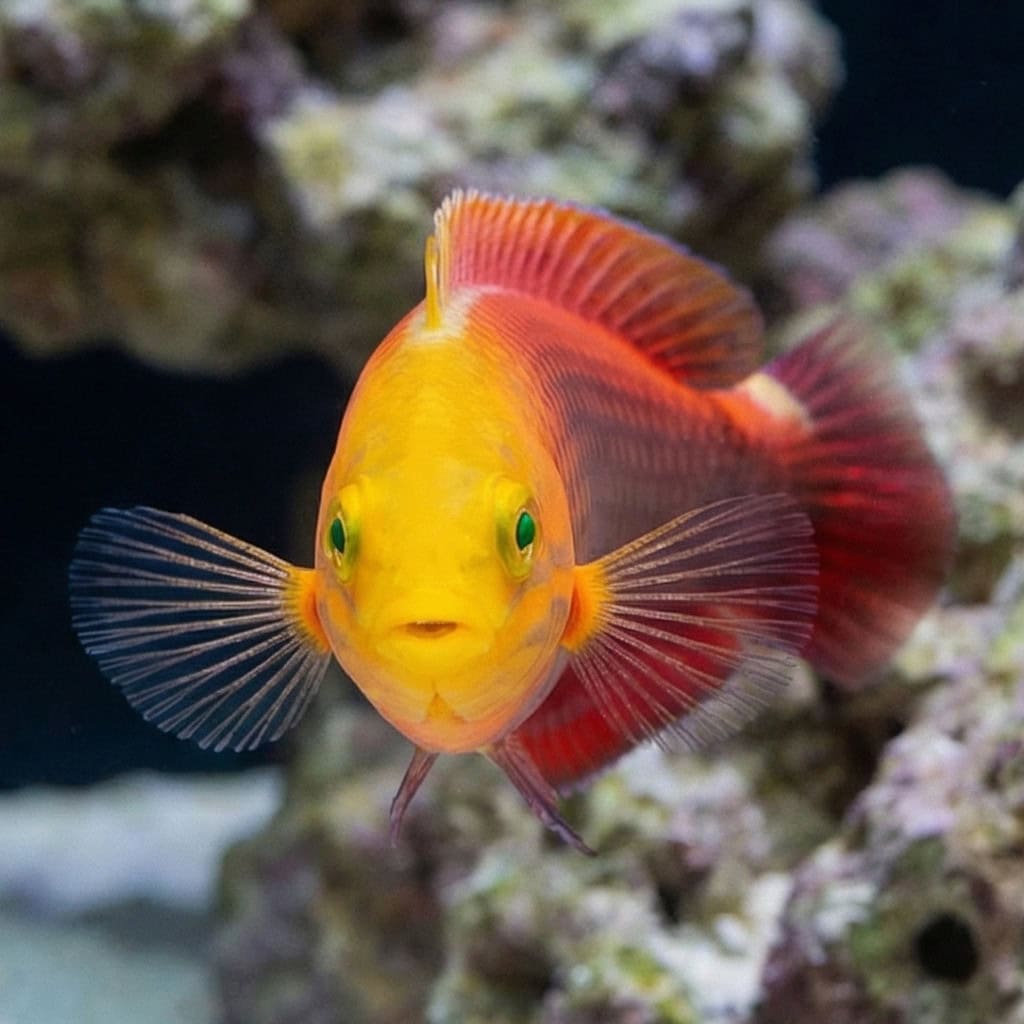
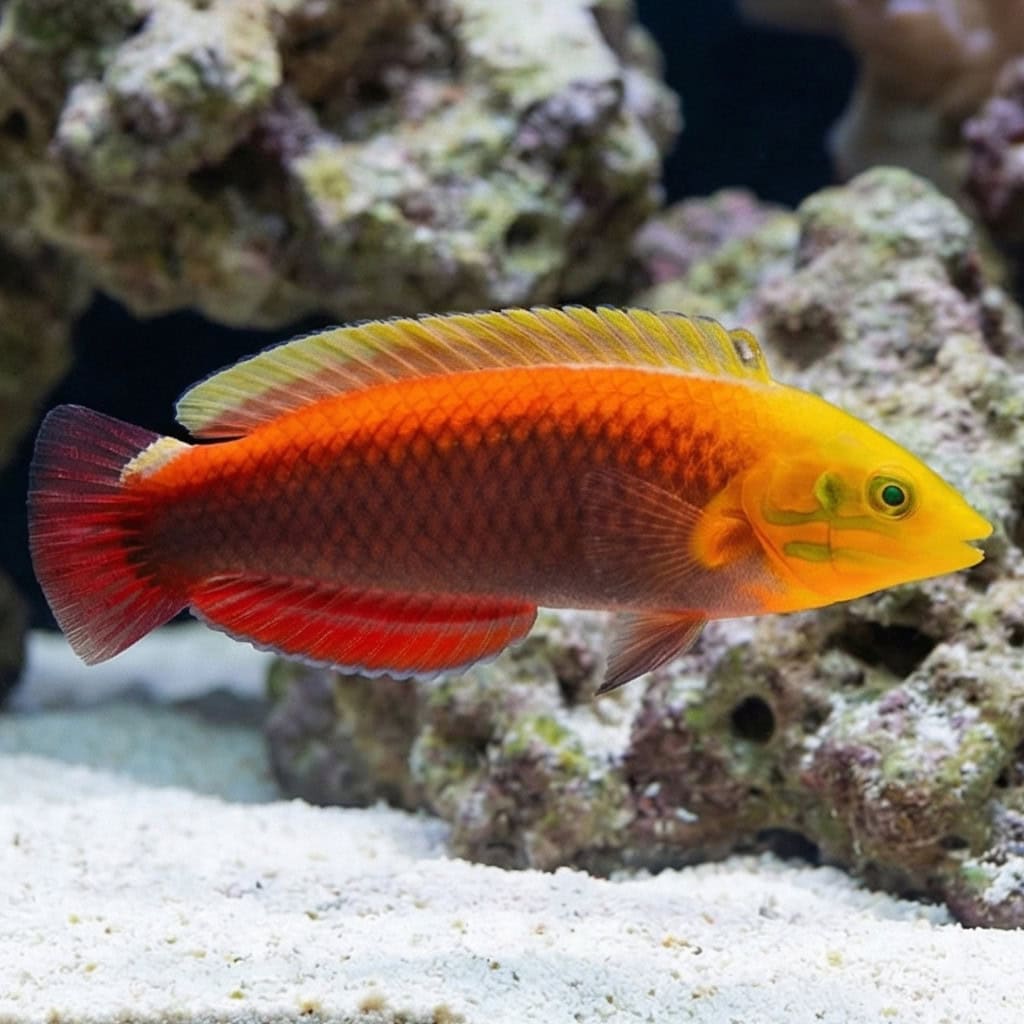
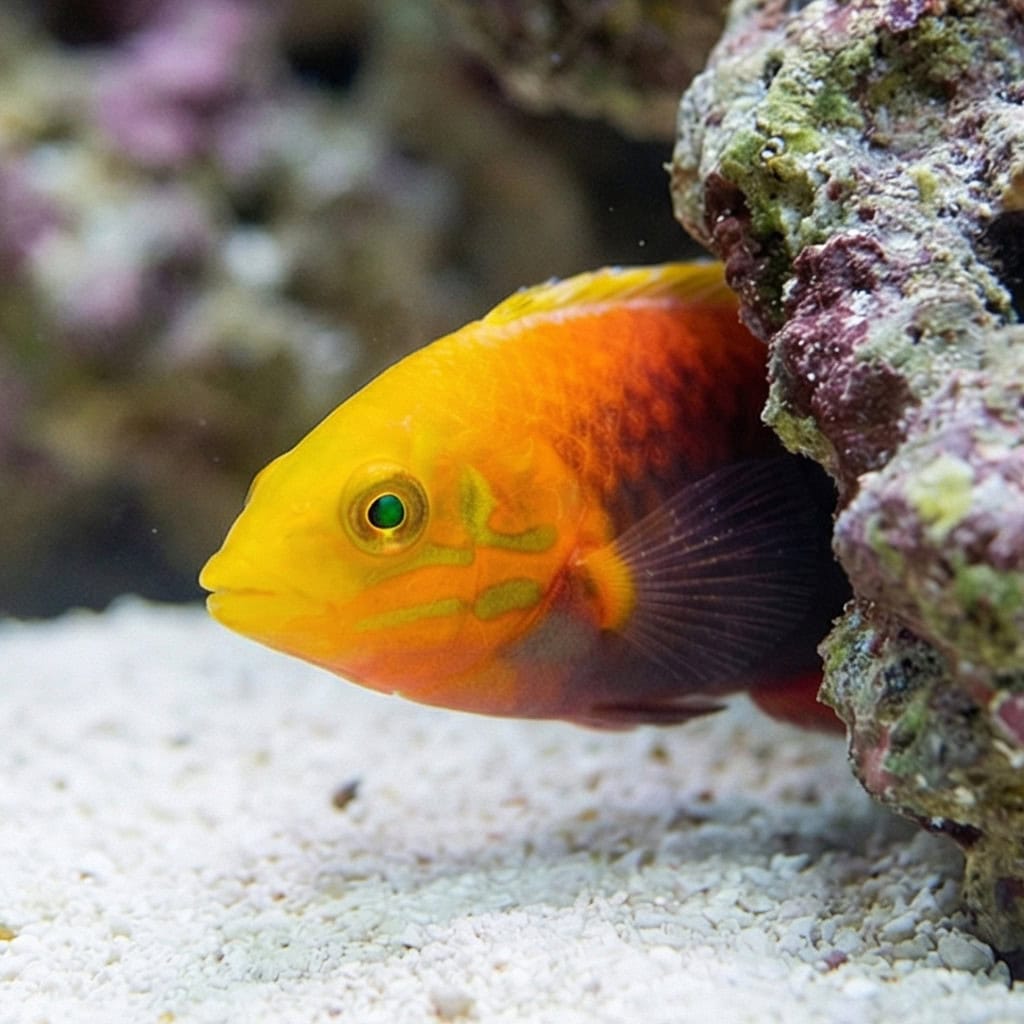
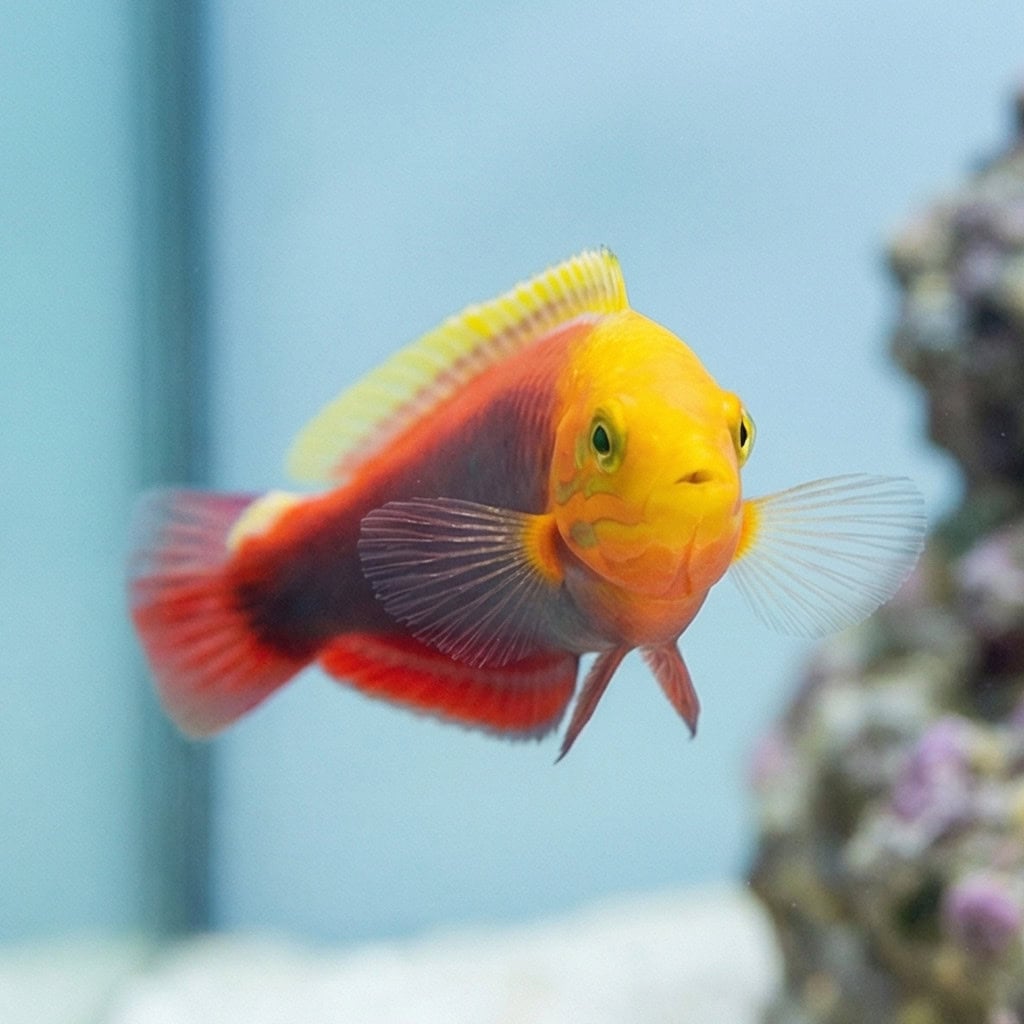
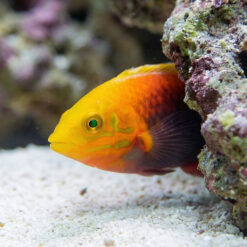
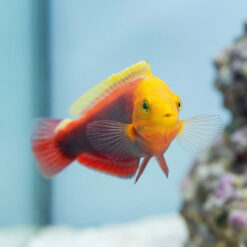
Radiant Wrasse
Halichoeres iridis
| Stock | Variations | Price | Quantity | |
|---|---|---|---|---|
| Out of Stock | 2.25 - 3.5" - Africa | Original price was: $163.99.$86.99Current price is: $86.99. | Email me | |
| Out of Stock | 2.25" or smaller - Africa | Original price was: $146.99.$76.99Current price is: $76.99. | Email me |
Every order ships with our standard 3-hour live arrival guarantee. Need more time? Add our 5-Day Guarantee at checkout.
Full guarantee terms →Ships Monday – Thursday for next-day arrival at your nearest FedEx Hold location — typically ready by 9 AM. We monitor every delivery.
Shipping details →
Monday – Friday 8 AM – 9 PM
Saturday 12 PM – 4 PM
Sunday 12 PM – 9 PM
Healthy, stable animals from vetted suppliers — inspected before packing, shipped overnight. Decades of experience built this model so we can deliver premium livestock at 30%+ less than you'd pay elsewhere.
| Care Level | Easy |
|---|---|
| Temperament | Peaceful |
| Reef Safe | With Caution |
| Functional Benefit | Pest Control |
| Diet Type | Carnivore |
| Mininum Tank Size | 55 gallons |
| Max Size | 5 inches |
| Temperature | 72–78°F |
| pH Range | 8.1–8.4 |
| Specific Gravity | 1.022–1.025 |
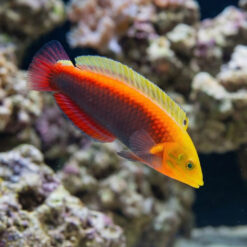
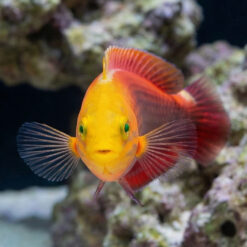
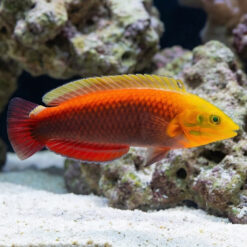
The Radiant Wrasse (Halichoeres iridis) is a reef-safe wrasse with a practical role in pest control, spending much of the day picking through rockwork and sand for small unwanted hitchhikers. It’s a sand-sleeping Halichoeres wrasse, known for an orange-toned head and fine, contrasting body lines that show well under reef lighting.
What You’ll Observe:
- Quick, purposeful cruising along the rockwork, with frequent “pecking” at the surface while foraging
- A regular routine of diving into the sand at lights-out, then reappearing shortly after the tank brightens
- Bursts of speed between hiding spots, followed by hovering and searching along the lower third of the tank
- More active foraging during feeding times, often circling the same areas of rock repeatedly
To succeed with this species, provide a mature reef tank with plenty of live rock, open sand to sleep in, and a tight-fitting lid. Offer small meaty foods in a few smaller feedings each day to keep it engaged and active. Peaceful tankmates and a consistent day/night schedule help it settle into a predictable routine.
Is it normal if I don’t see it right after introduction?
Yes—many sand-sleeping wrasses spend time buried as they learn the tank’s rhythm, then begin showing up more reliably on a daily schedule.
Will it bother my cleaner shrimp or snails?
It often ignores larger, established invertebrates, but very small shrimp and delicate worms can be viewed as food depending on the individual.
Does it actually help with flatworms or nudibranchs?
Many hobbyists keep Halichoeres wrasses for this reason, and they can contribute by hunting as they patrol rock and sand, but results vary by tank and pest type.
Can I keep it with other wrasses?
Often yes in a community reef, especially when there are multiple distinct hiding areas and plenty of space so each wrasse can establish its own routine.
Why does it “dive” into the sand at night?
That’s its normal sleeping behavior; you’ll typically see a quick sand-dive at dusk and a reappearance after the lights come on.
Each fish is checked for strong appetite and activity before we approve it for your tank.
Recently viewed products