
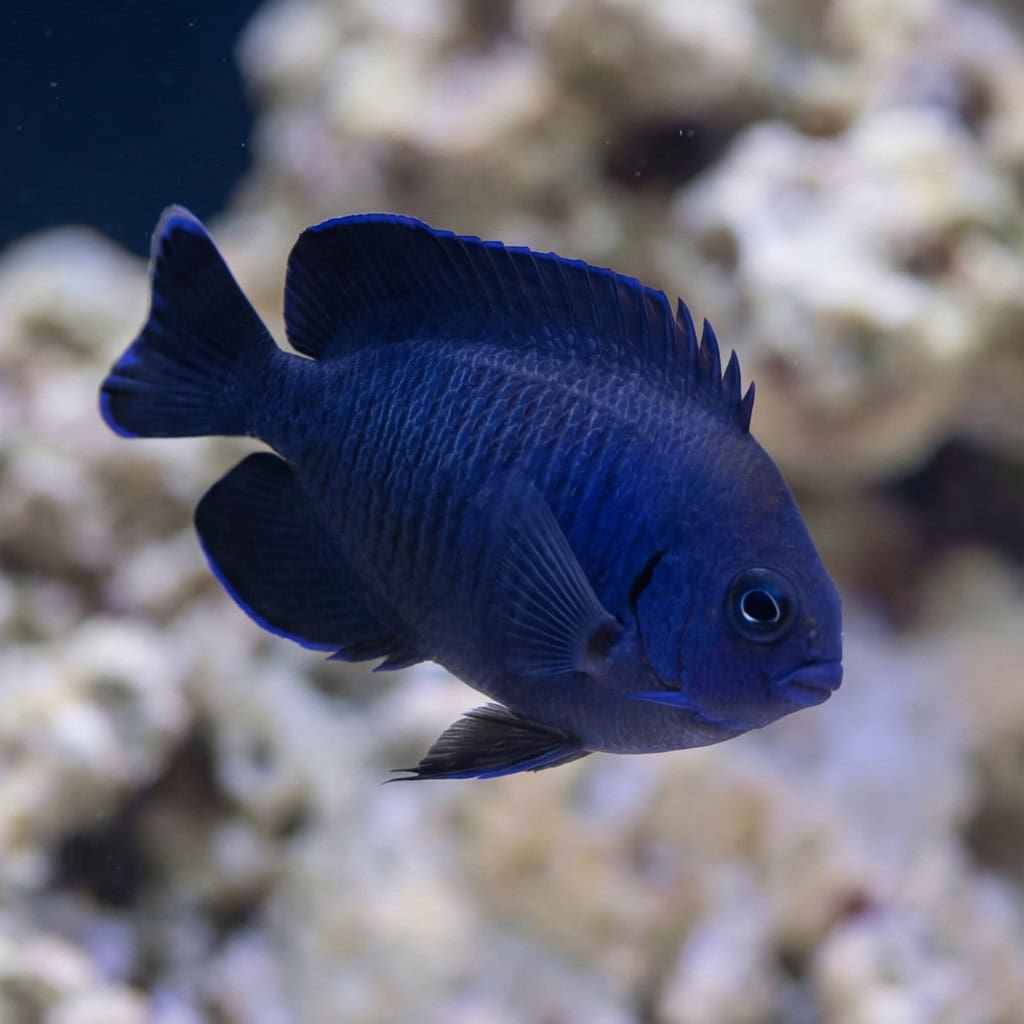
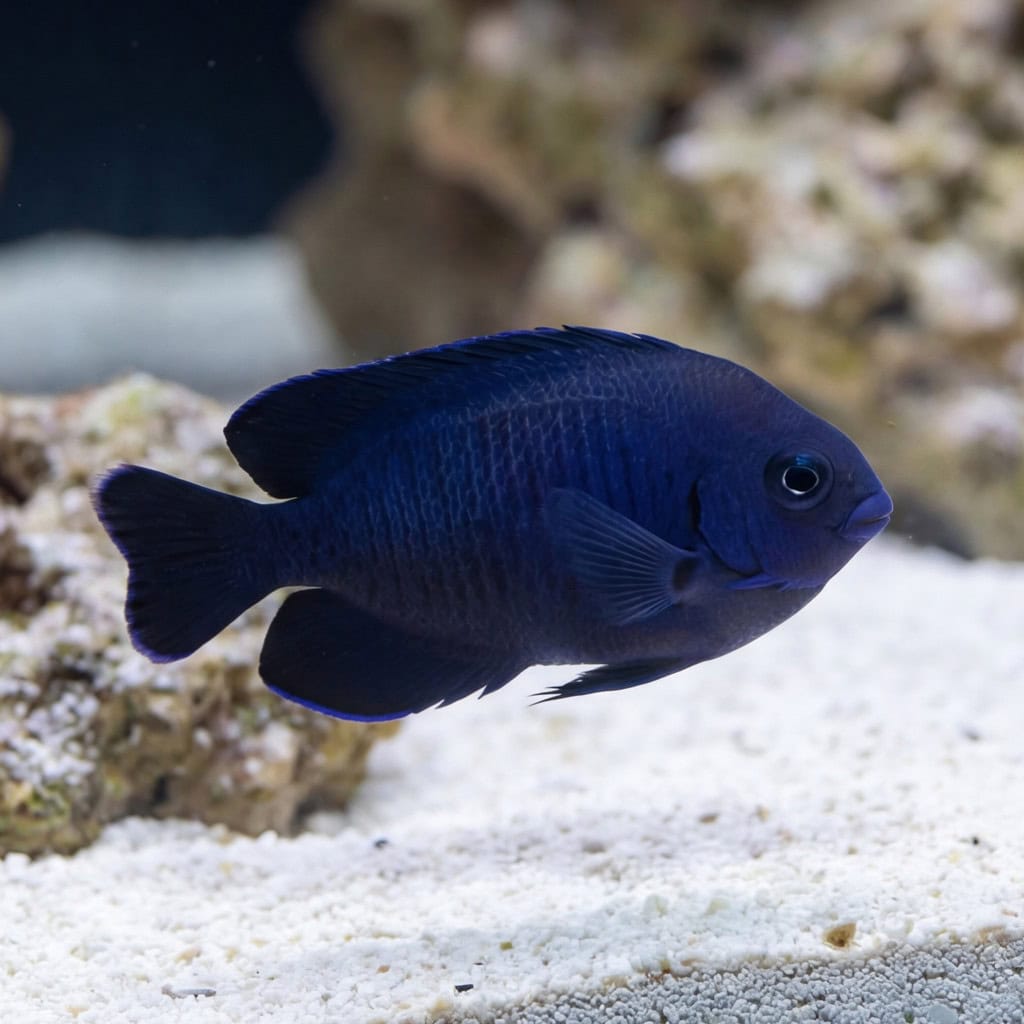
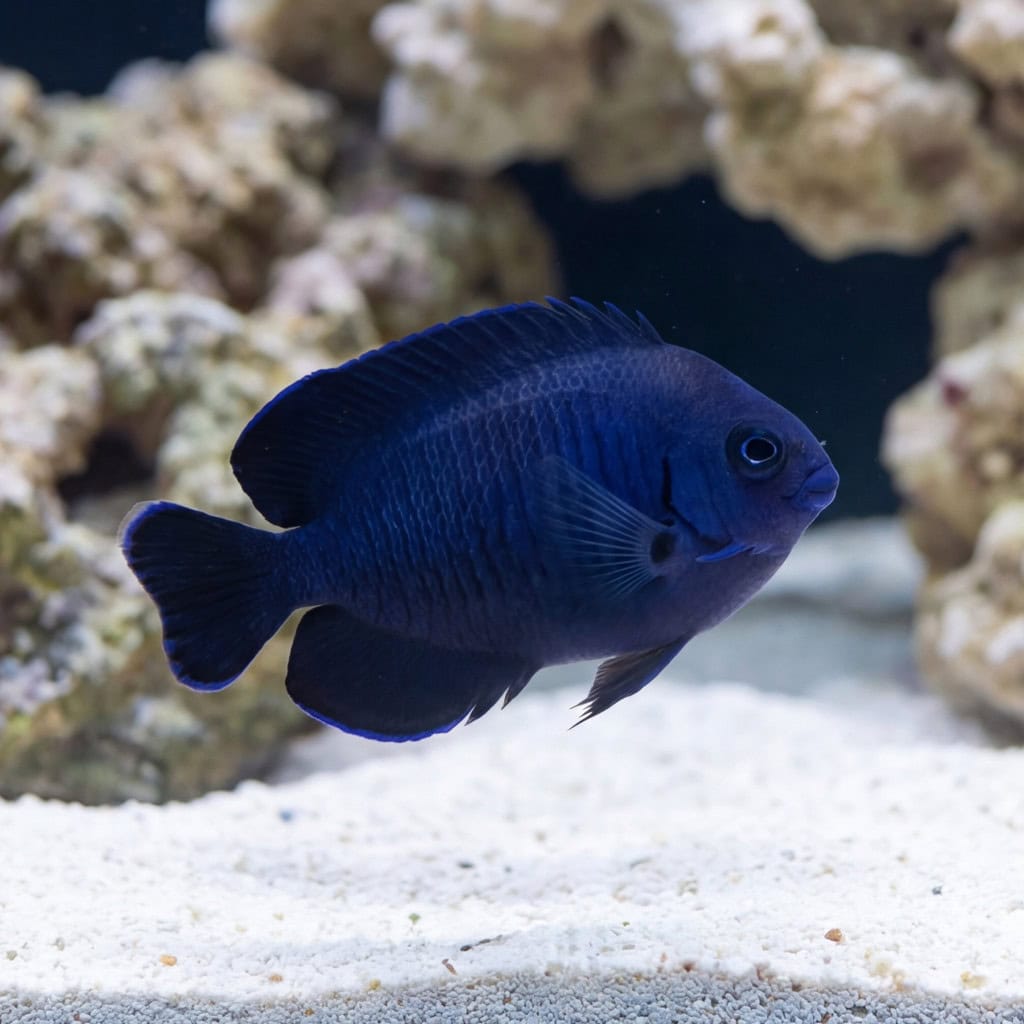
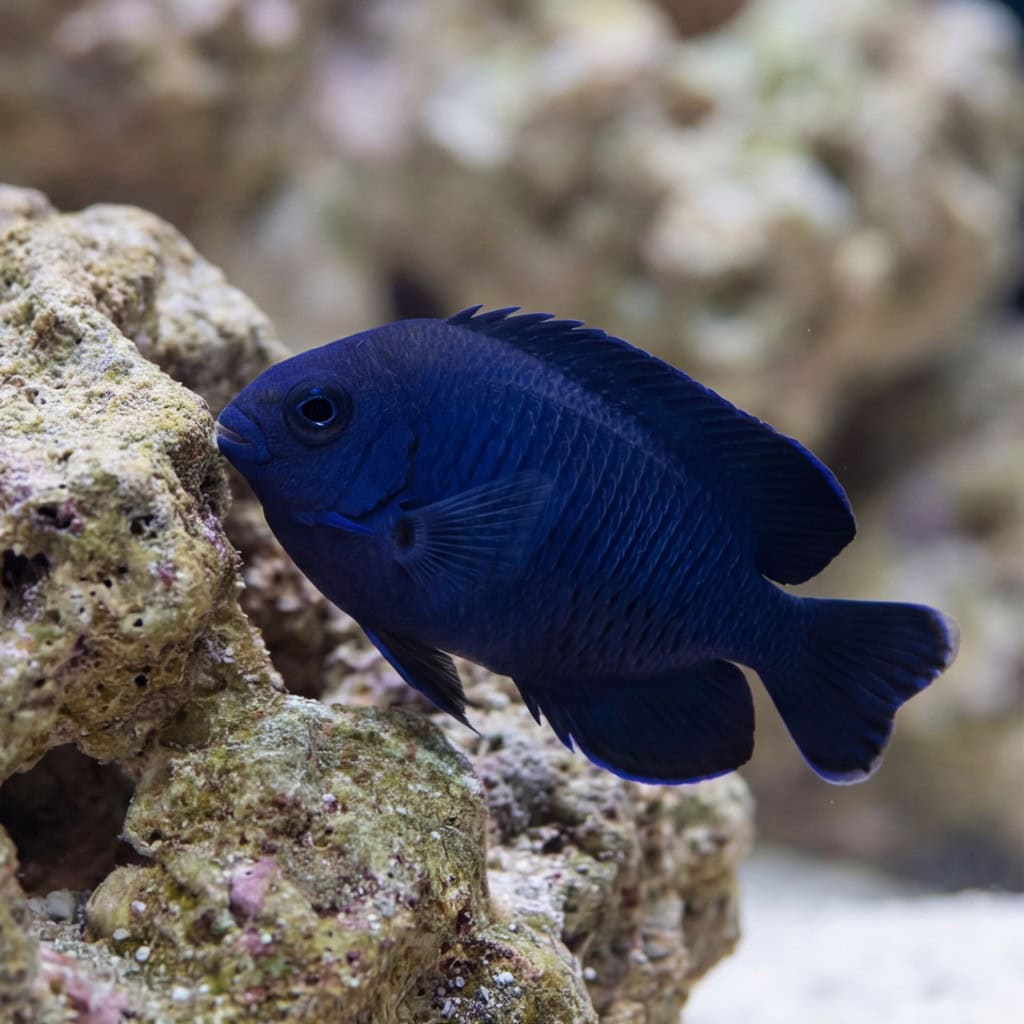
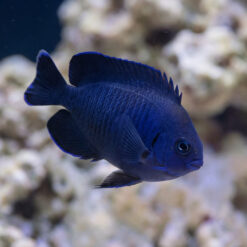
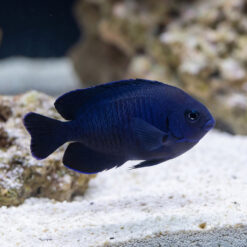
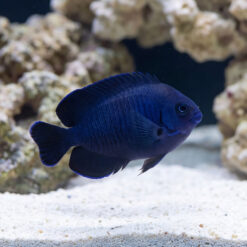
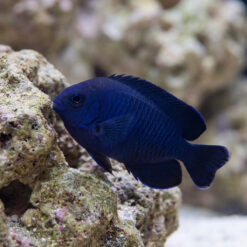
Blue Velvet Angelfish
Centropyge deborae
| Stock | Variations | Price | Quantity | |
|---|---|---|---|---|
| Out of Stock | 2 - 3" - Central Pacific | Original price was: $157.99.$82.99Current price is: $82.99. | Email me |
Every order ships with our standard 3-hour live arrival guarantee. Need more time? Add our 5-Day Guarantee at checkout.
Full guarantee terms →Ships Monday – Thursday for next-day arrival at your nearest FedEx Hold location — typically ready by 9 AM. We monitor every delivery.
Shipping details →
Monday – Friday 8 AM – 9 PM
Saturday 12 PM – 4 PM
Sunday 12 PM – 9 PM
Healthy, stable animals from vetted suppliers — inspected before packing, shipped overnight. Decades of experience built this model so we can deliver premium livestock at 30%+ less than you'd pay elsewhere.
| Care Level | Moderate |
|---|---|
| Temperament | Semi-Aggressive |
| Reef Safe | With Caution |
| Functional Benefit | Ornamental Only |
| Diet Type | Omnivore |
| Mininum Tank Size | 70 gallons |
| Max Size | 3 inches |
| Temperature | 72–78°F |
| pH Range | 8.1–8.4 |
| Specific Gravity | 1.022–1.025 |
The Blue Velvet Angelfish (Centropyge deborae) is a dark, bluish-black pygmy angelfish known from Fiji. In typical aquarium lighting it often reads as black, but under brighter white lighting and at certain angles it can show a deep navy “velvet” sheen along the body and fins.
What You’ll Observe:
- Short cruising loops along rock faces, with frequent pauses to inspect crevices and ledges
- Regular grazing and pecking at rockwork throughout the day as it works a route around the tank
- Color shifts as it turns—appearing darker head-on and more blue when side-lit
- A pattern of “patrol and return,” often circling back to a preferred section of the aquascape
For best results, provide a mature reef with plenty of live rock and caves so it always has grazing surfaces and defined lanes to move through. Offer a varied menu that mixes algae-based foods with meaty items, and include angelfish-focused preparations to keep feeding consistent.
How can I help the “blue velvet” color show up more often?
Use brighter, whiter daytime lighting and strong side/front lighting; many keepers notice the navy sheen most when the fish turns under direct light rather than under dim or very blue-only viewing.
Is it normal if it mostly stays close to the rockwork at first?
Yes—many dwarf angels start by mapping the rockscape and then expand their routes as they settle in, especially once feeding times become predictable.
Will it usually take pellets right away?
Some do, but many transition faster if you start with small frozen foods and angelfish blends, then mix in pellets gradually so it associates the pellet with the rest of the meal.
Can I keep it with other dwarf angelfish in the same system?
It’s often simplest to keep one Centropyge per tank; if mixing, hobbyists report better results when the aquascape has multiple separated “zones” and introductions are planned carefully.
What’s a good feeding rhythm once it’s settled?
Many hobbyists have the best consistency with smaller portions offered more than once per day, which matches the fish’s natural graze-and-pick routine and keeps it engaged with prepared foods.
Each fish is checked for strong appetite and activity before we approve it for your tank.
Recently viewed products