
-
×
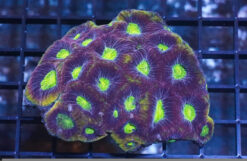 Favia Brain Coral: Frag - Grade A, Size Small
1 × $44.99
Favia Brain Coral: Frag - Grade A, Size Small
1 × $44.99 -
×
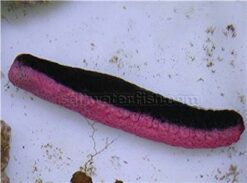 Pink and Black Cucumber - Indian Ocean, Size Medium
1 × $34.99
Pink and Black Cucumber - Indian Ocean, Size Medium
1 × $34.99

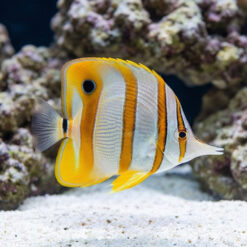
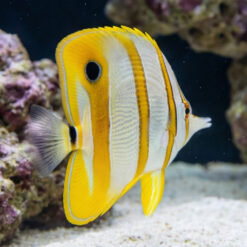
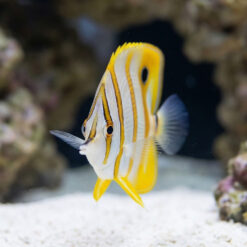
Copperband Butterfly
Chelmon rostratus
Original price was: $137.99.$72.99Current price is: $72.99.
| Stock | Variations | Price | Quantity | |
|---|---|---|---|---|
| Out of Stock | 2.25 - 3.5" - Indo-Pacific | Original price was: $163.99.$86.99Current price is: $86.99. | Email me | |
| Only 6 left | 2.25" or smaller - Indo-Pacific | Original price was: $137.99.$72.99Current price is: $72.99. |
-
+
|
|
| Out of Stock | 3.5 - 4.75" - Indo-Pacific | Original price was: $199.99.$104.99Current price is: $104.99. | Email me |
Arrives Alive. Guaranteed.
▼
Every order ships with our standard 3-hour live arrival guarantee. Need more time? Add our 5-Day Guarantee at checkout.
Full guarantee terms →
FedEx Overnight. Every Order.
▼
Ships Monday – Thursday for next-day arrival at your nearest FedEx Hold location — typically ready by 9 AM. We monitor every delivery.
Shipping details →
Real People. 7 Days a Week.
▼
Monday – Friday 8 AM – 9 PM
Saturday 12 PM – 4 PM
Sunday 12 PM – 9 PM
Phone
Chat
Email
Text
Contact us →
Aquarium-Ready Livestock
▼
Healthy, stable animals from vetted suppliers — inspected before packing, shipped overnight. Decades of experience built this model so we can deliver premium livestock at 30%+ less than you'd pay elsewhere.
| Care Level | Expert |
|---|---|
| Temperament | Peaceful |
| Reef Safe | With Caution |
| Functional Benefit | Pest Control |
| Diet Type | Carnivore |
| Mininum Tank Size | 120 gallons |
| Max Size | 8 inches |
| Temperature | 72–78°F |
| pH Range | 8.1–8.4 |
| Specific Gravity | 1.021–1.024 |
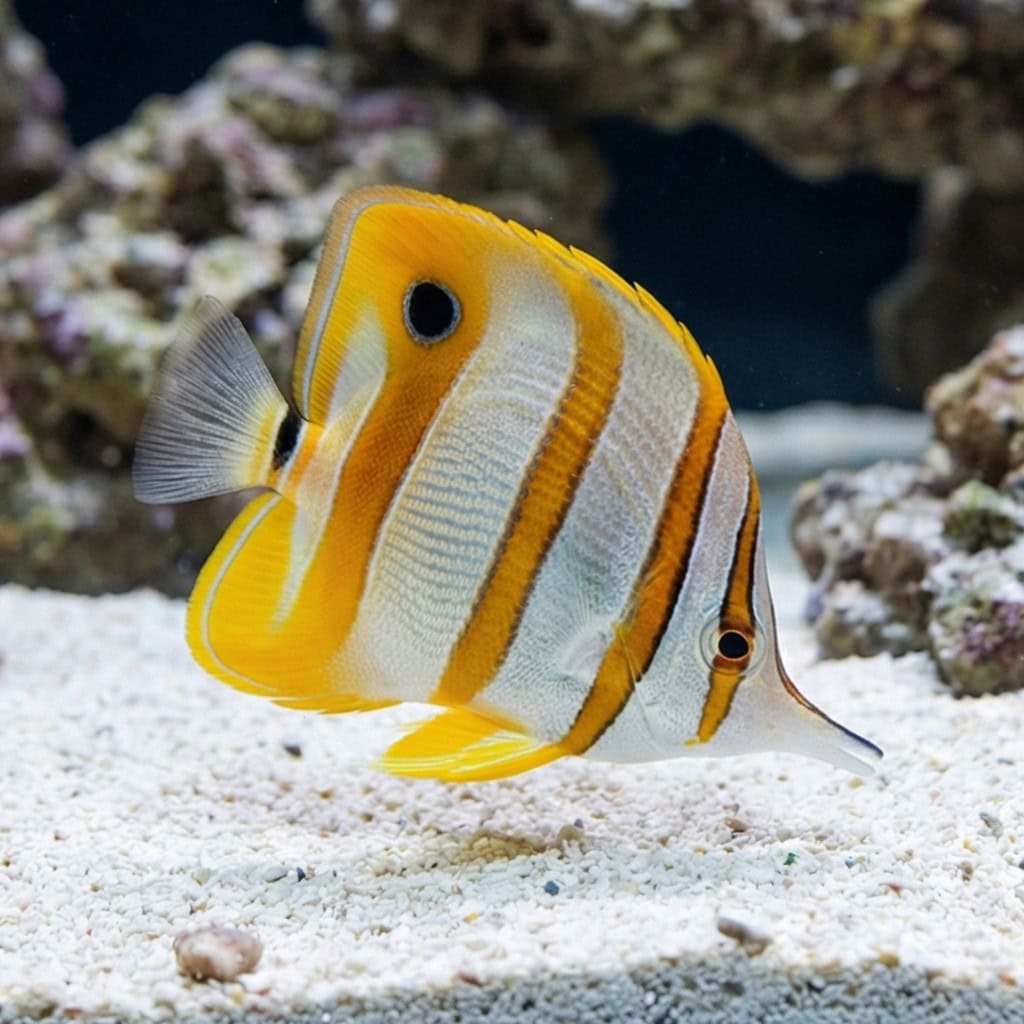
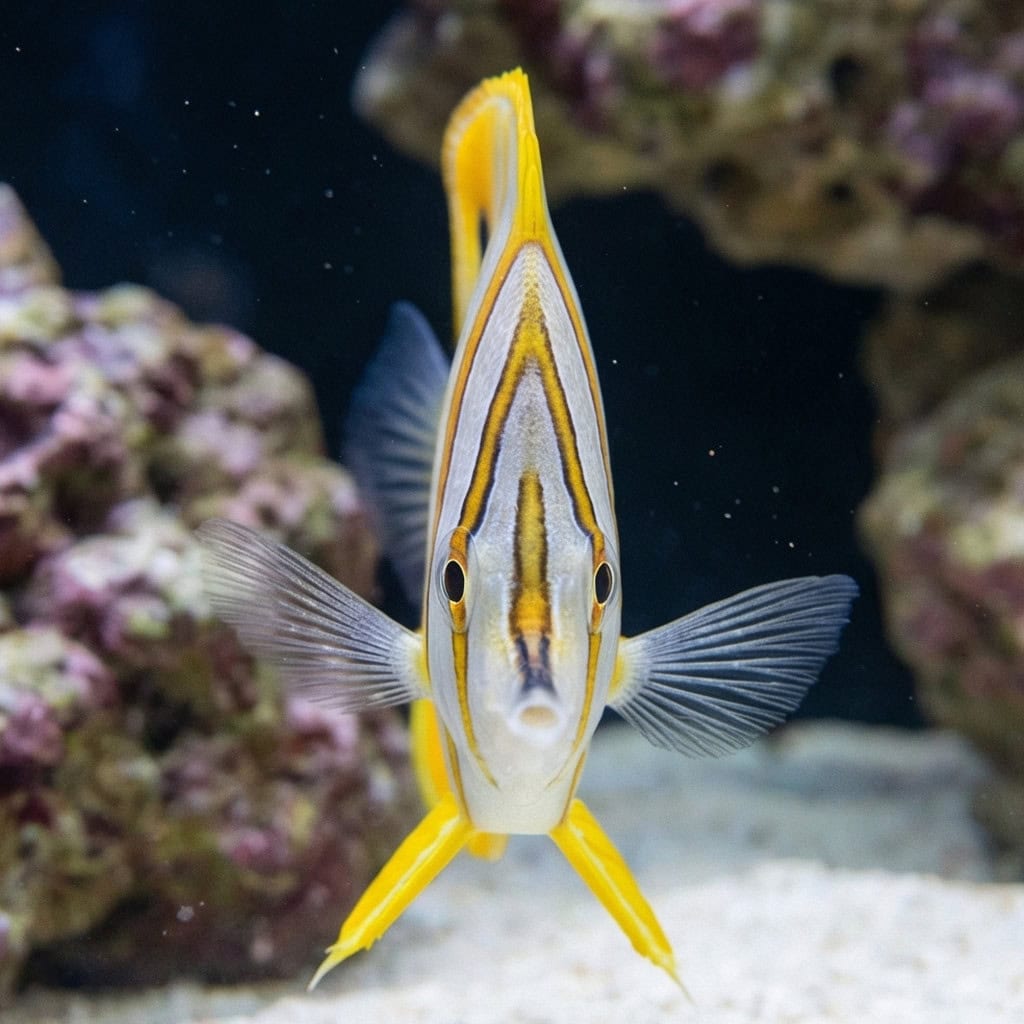
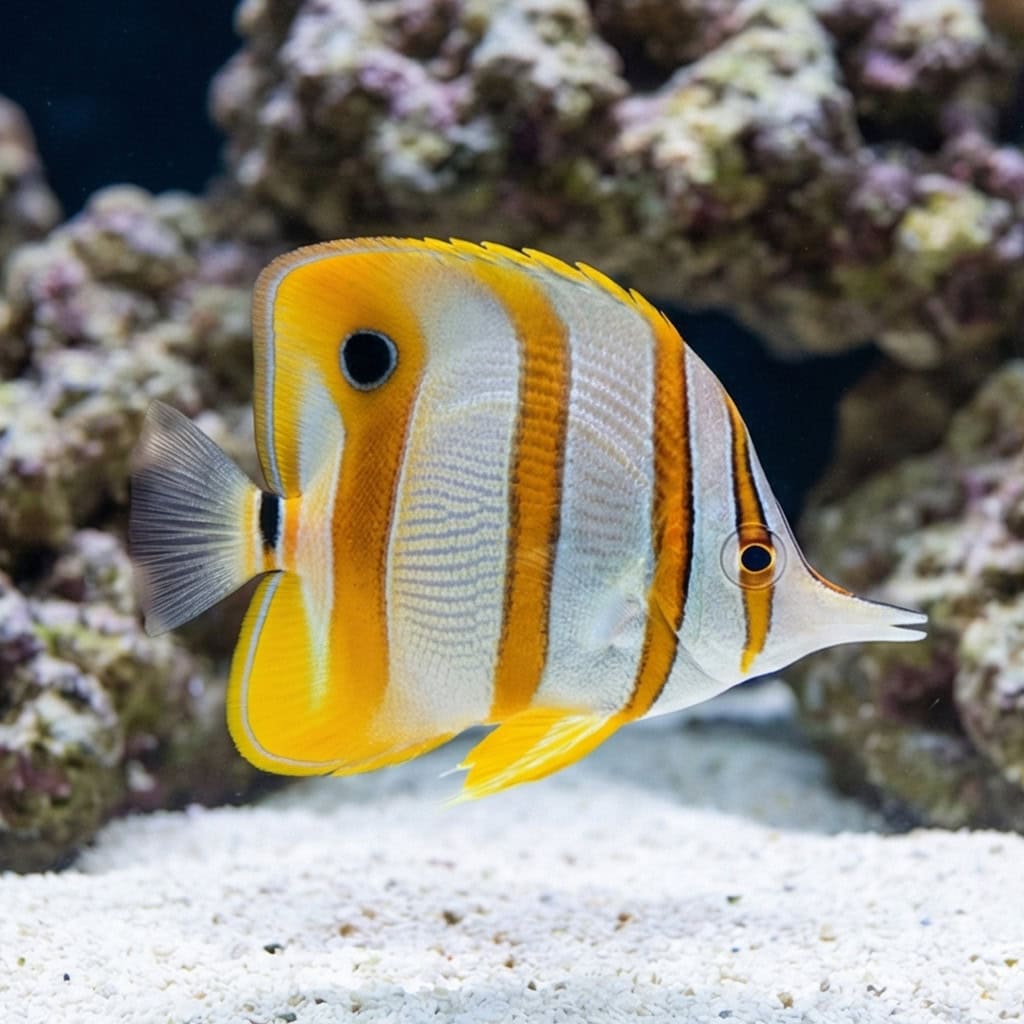
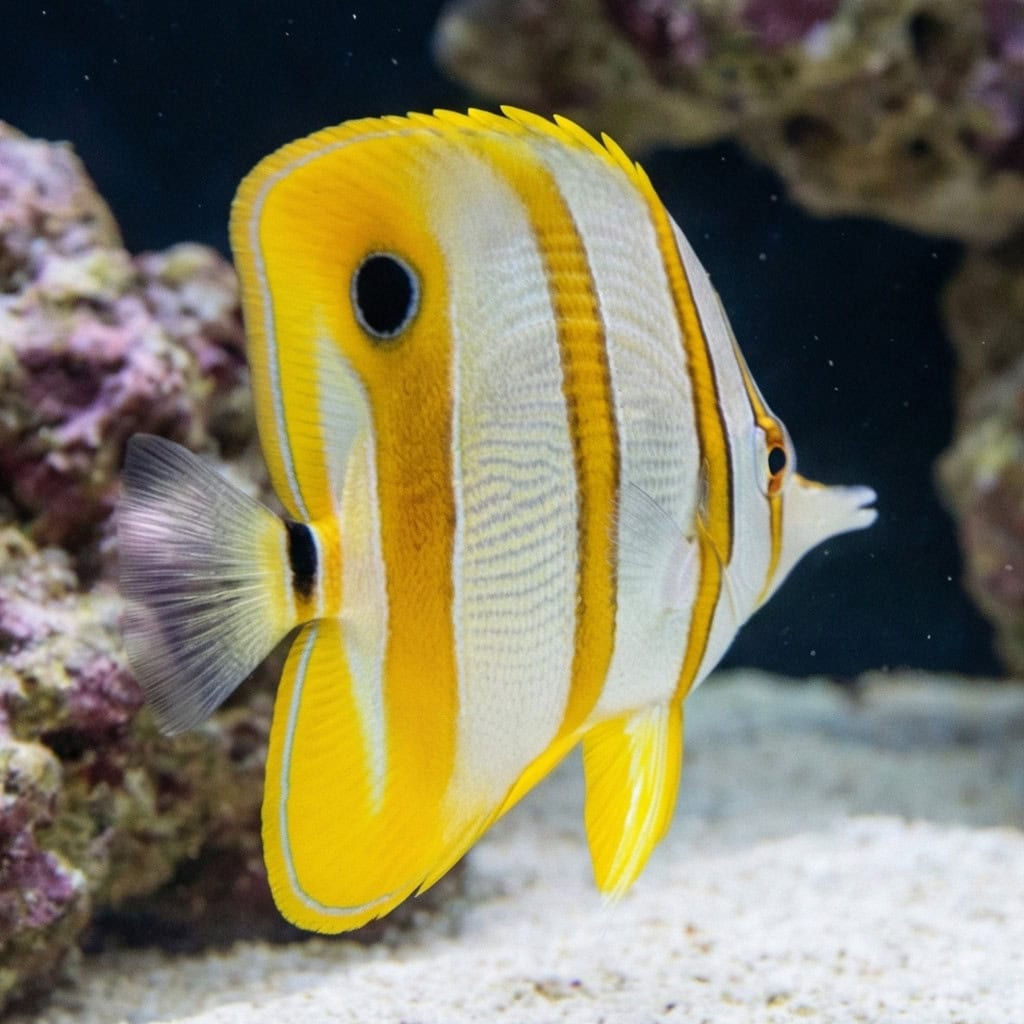
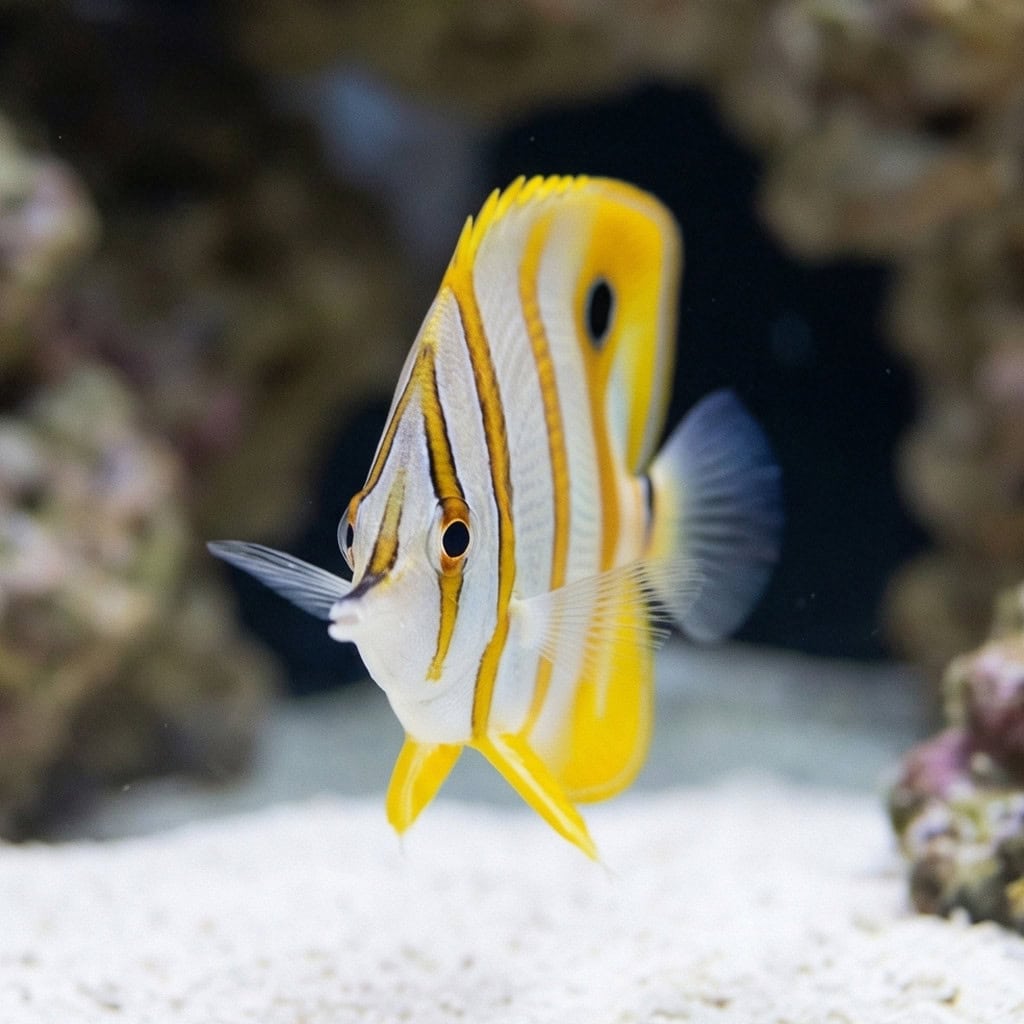
Often chosen for pest control in reef tanks, the Copperband Butterfly (Chelmon rostratus) spends its day picking through rockwork for small prey and may help reduce Aiptasia in established systems. It has a long, narrow snout and bold copper-orange vertical banding over a bright body, with a dark eyespot near the rear dorsal area.
What You’ll Observe:
- Slow, methodical “hunting” as it probes crevices with its beak-like mouth
- Repeated patrol routes around live rock and along the front glass
- Short bursts of swimming between inspection stops, then hovering to peck again
- More confident feeding when food is placed into rock gaps or a feeding station
- Periods of focused picking at specific spots (often where pests or worms are present)
To succeed, provide mature live rock with lots of natural grazing surfaces and open lanes for cruising. Offer small meaty foods multiple times daily (mysis, finely chopped clam or mussel, and other soft marine fare), and present some of it in crevices so it can feed in a natural way. Maintain a calm feeding environment so it has time to eat without being rushed.
Will it eat frozen mysis right away, or does it need “training”?
Many settle in faster when frozen foods are presented in a way that mimics hunting—pressed into rock crevices or offered from a Copperband feeder/feeding station.
If it clears the Aiptasia, what should I feed long-term?
Plan on a consistent routine of small meaty foods (like mysis and chopped clam/mussel) so it doesn’t rely on pests as its main food source.
Is it normal for a Copperband to pace the glass or follow reflections at first?
It’s commonly observed during the first days as it maps the tank and reacts to its reflection; steady routines and a consistent feeding spot usually help it focus on foraging.
How do I keep tankmates from interrupting it at feeding time?
Using a dedicated feeding station, turning flow down briefly, and feeding a little in multiple spots can help it get a full share without competing head-to-head.
Do they actually use their snout to pull food from tight spaces?
Yes—many owners notice they feed best when food is tucked into holes or gaps, because that matches how they naturally probe rockwork for prey.
Shipped with pure oxygen and temperature control so it arrives stress-free and ready to eat.
Recently viewed products
Copperband Butterfly (Chelmon rostratus)
Starting at: $72.99
This product has multiple variants. The options may be chosen on the product page
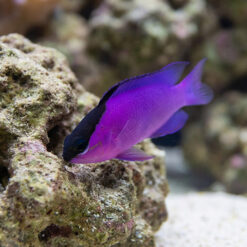
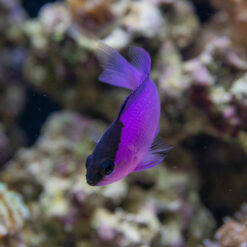
Blackcap Basslet (Gramma melacara)
Starting at: $104.99
This product has multiple variants. The options may be chosen on the product page
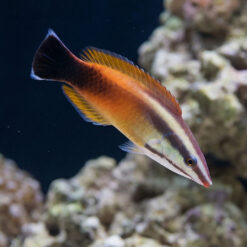
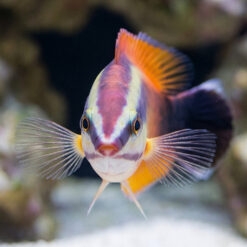
Out of stock
Tahitian Cleaner Wrasse (Labroides rubrolabiatus)
Starting at: $85.99
This product has multiple variants. The options may be chosen on the product page