
-
×
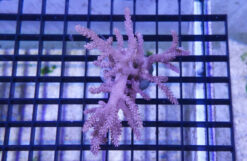 Kenya Tree Coral - Aquacultured, Size Small
1 × $32.99
Kenya Tree Coral - Aquacultured, Size Small
1 × $32.99 -
×
 Tusk, Harlequin 5 inches
1 × $199.98
Tusk, Harlequin 5 inches
1 × $199.98 -
×
 Stylocoeniella Ultra 1.75 inches
1 × $33.98
Stylocoeniella Ultra 1.75 inches
1 × $33.98
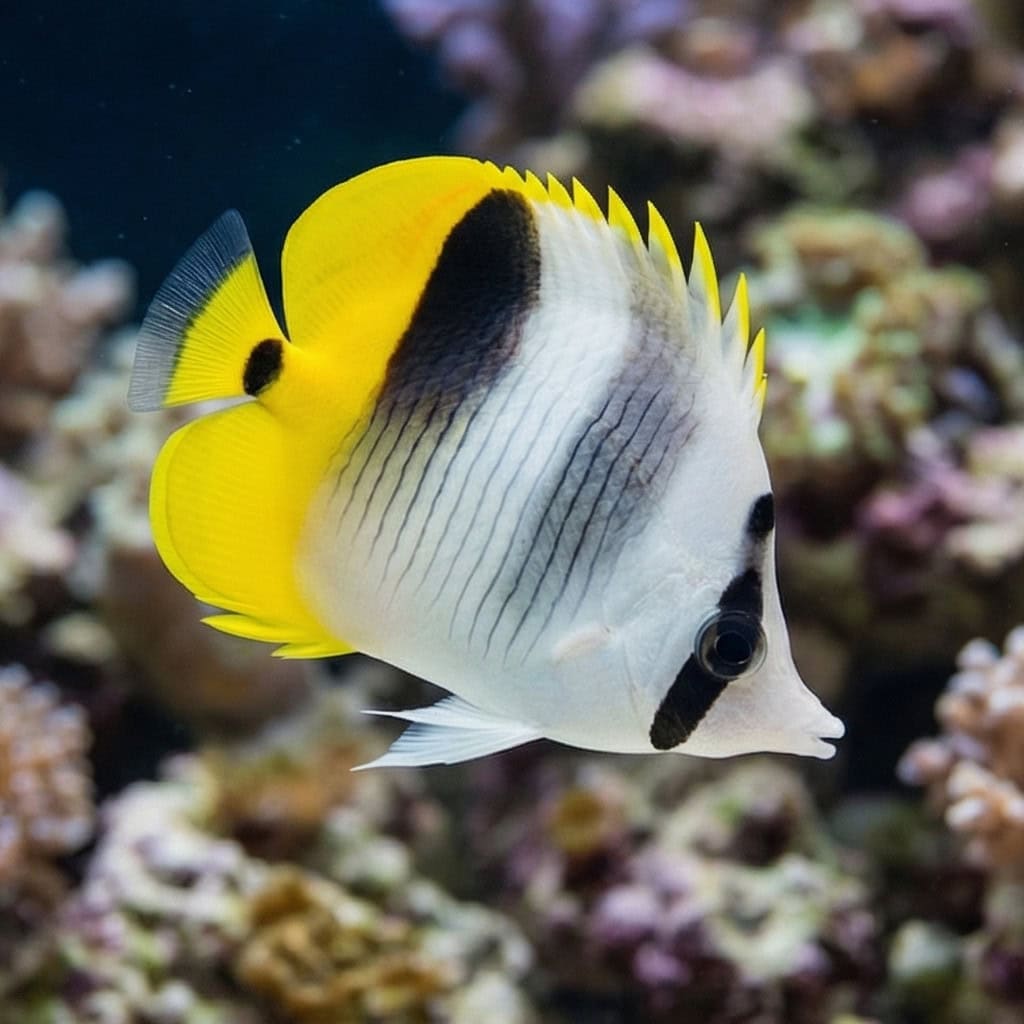
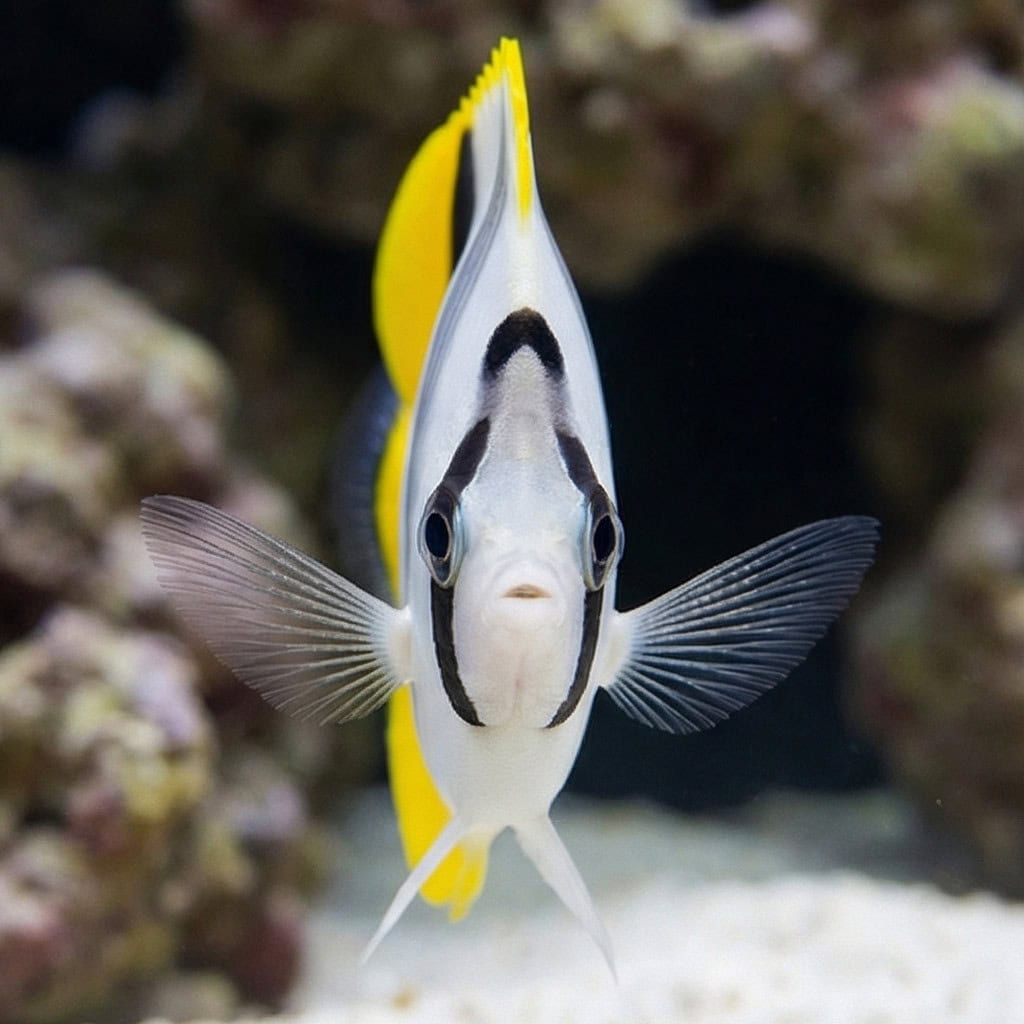
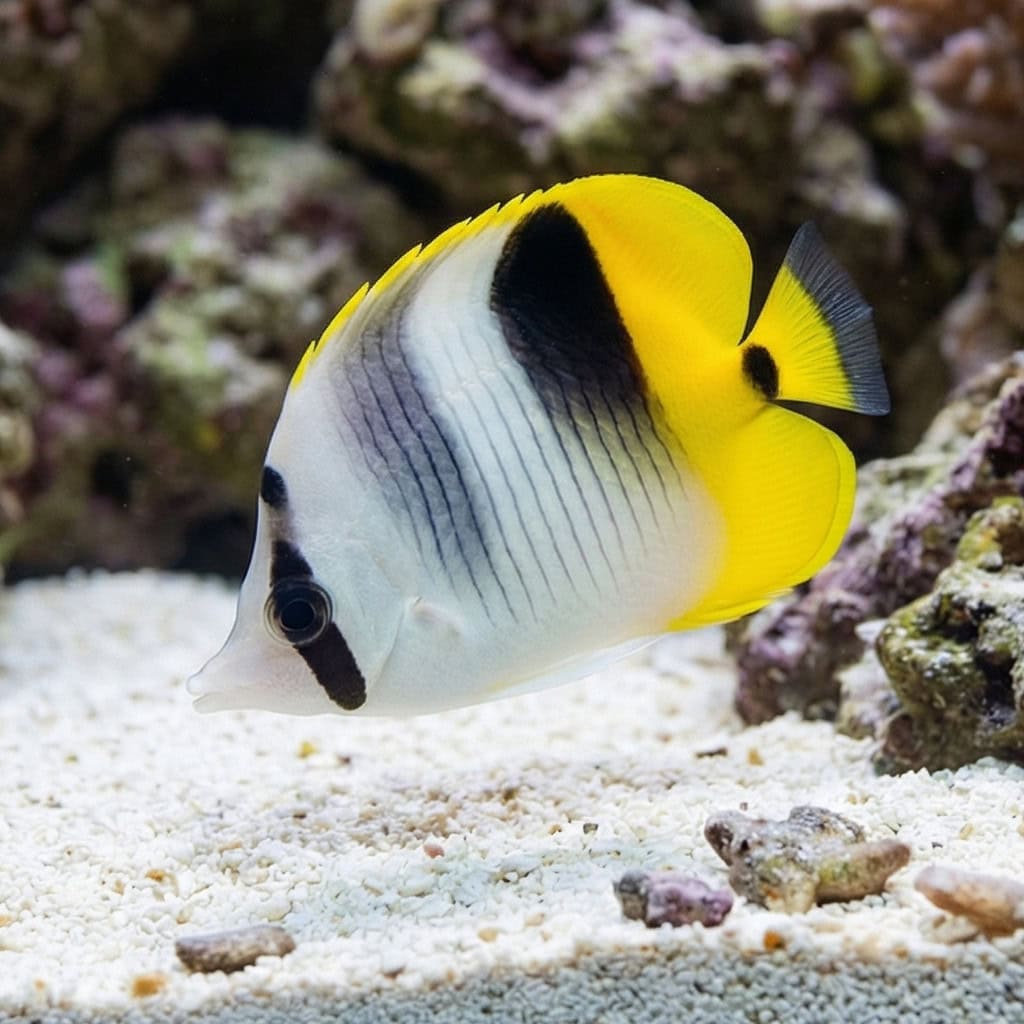
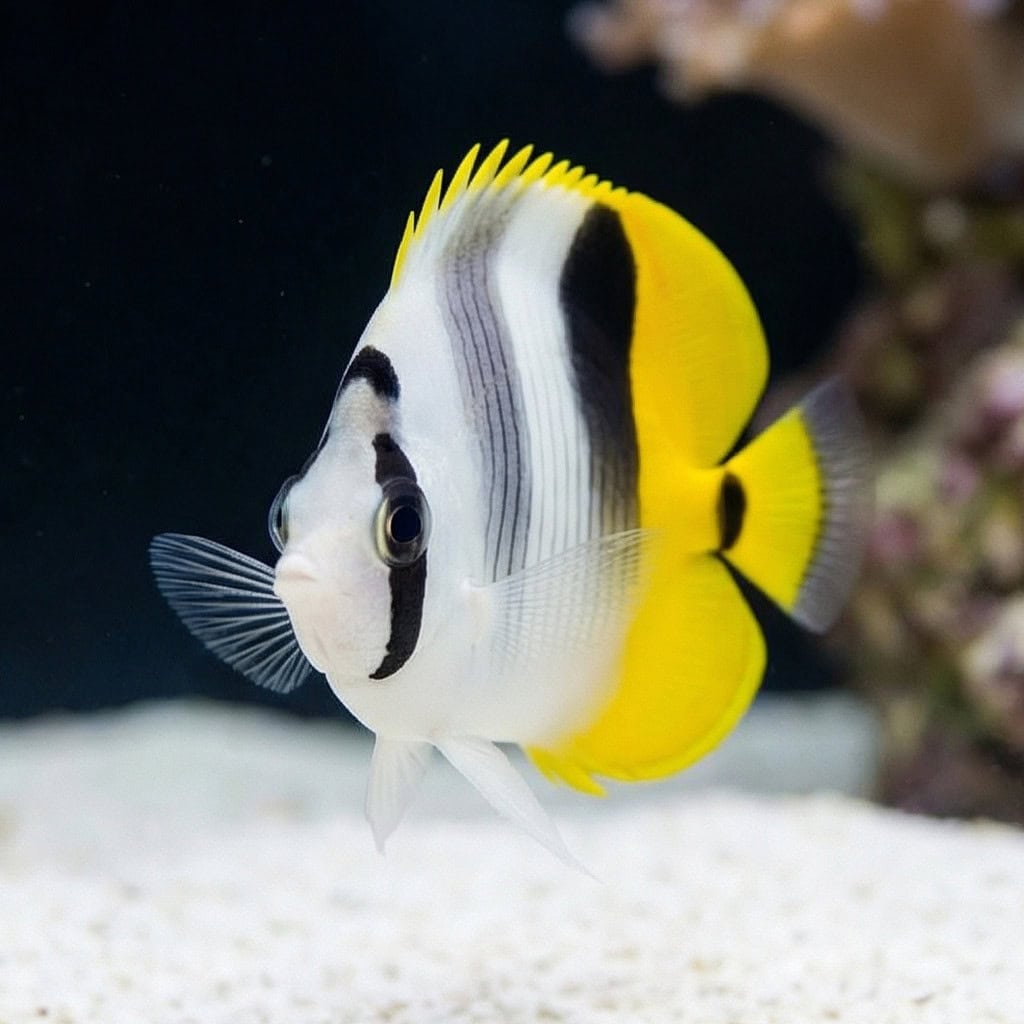
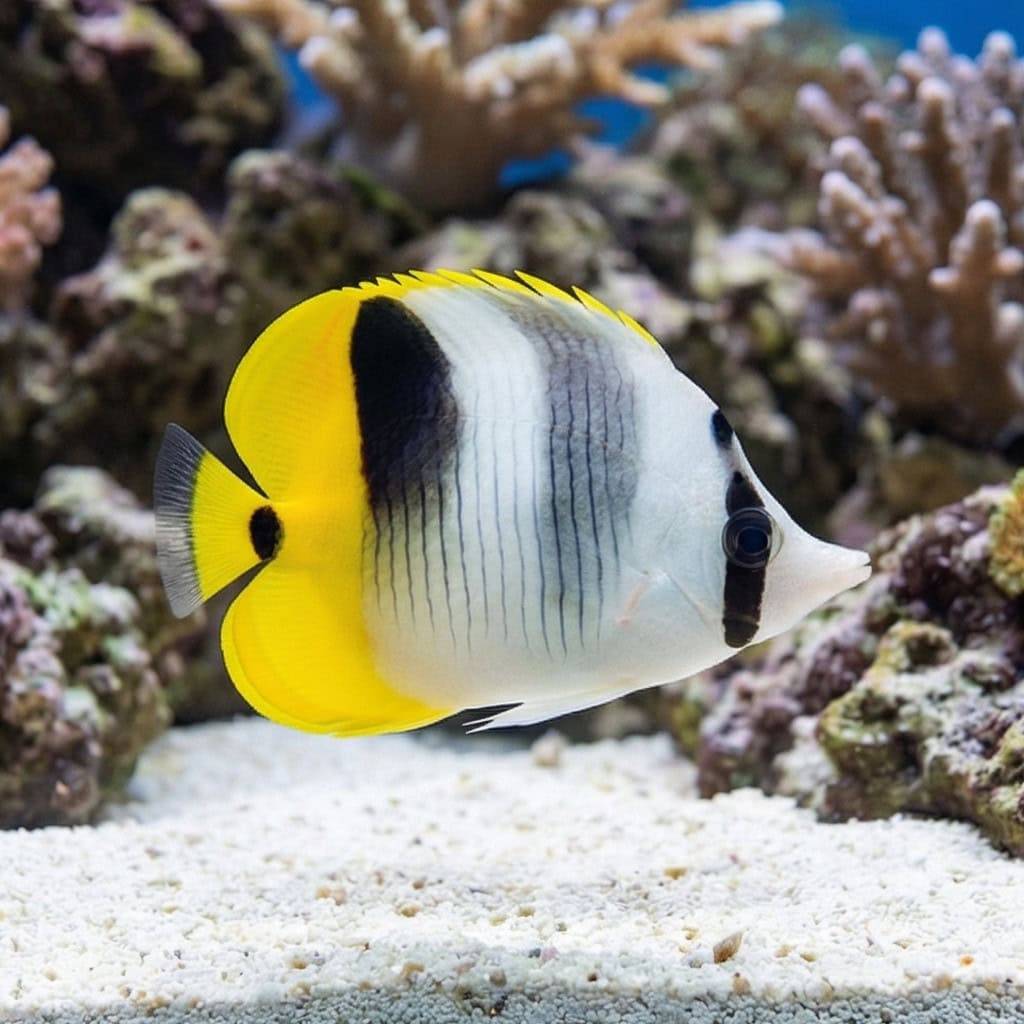

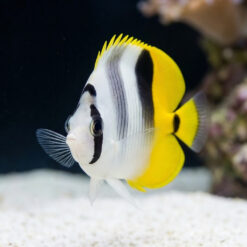

False Double Saddle Butterfly
Chaetodon ulietensis
Price range: $38.99 through $61.99
| Stock | Variations | Price | Quantity | |
|---|---|---|---|---|
| Out of Stock | 3.5 - 4.75" - Central Pacific | Original price was: $126.99.$66.99Current price is: $66.99. | Email me | |
| Only 1 left | 2.25 - 3.5" - Central Pacific | Original price was: $116.99.$61.99Current price is: $61.99. |
-
+
|
|
| Out of Stock | 2.25" or smaller - Central Pacific | Original price was: $102.99.$53.99Current price is: $53.99. | Email me | |
| Out of Stock | 3.5 - 4.75" - SSC Certified - Central Pacific | Original price was: $171.99.$90.99Current price is: $90.99. | Email me | |
| Out of Stock | 2.25 - 3.5" - SSC Certified - Central Pacific | Original price was: $93.99.$48.99Current price is: $48.99. | Email me | |
| Only 3 left | 2.25" or smaller - SSC Certified - Central Pacific | Original price was: $73.99.$38.99Current price is: $38.99. |
-
+
|
Arrives Alive. Guaranteed.
▼
Every order ships with our standard 3-hour live arrival guarantee. Need more time? Add our 5-Day Guarantee at checkout.
Full guarantee terms →
FedEx Overnight. Every Order.
▼
Ships Monday – Thursday for next-day arrival at your nearest FedEx Hold location — typically ready by 9 AM. We monitor every delivery.
Shipping details →
Real People. 7 Days a Week.
▼
Monday – Friday 8 AM – 9 PM
Saturday 12 PM – 4 PM
Sunday 12 PM – 9 PM
Phone
Chat
Email
Text
Contact us →
Aquarium-Ready Livestock
▼
Healthy, stable animals from vetted suppliers — inspected before packing, shipped overnight. Decades of experience built this model so we can deliver premium livestock at 30%+ less than you'd pay elsewhere.
| Care Level | Moderate |
|---|---|
| Temperament | Peaceful |
| Reef Safe | No |
| Functional Benefit | Pest Control |
| Diet Type | Omnivore |
| Mininum Tank Size | 120 gallons |
| Max Size | 6 inches |
| Temperature | 72–78°F |
| pH Range | 8.1–8.4 |
| Specific Gravity | 1.022–1.025 |
Some hobbyists use the False Double Saddle Butterfly (Chaetodon ulietensis) to help reduce nuisance anemones such as Aiptasia and Majano. It has a white body with fine vertical dark lines, two dark saddles along the back, and a yellow rear section with a dark spot near the tail base.
What You’ll Observe:
- Cruises rockwork and open lanes, stopping to pick at surfaces
- Settles into a steady routine and becomes very food-aware at feeding time
- Often stays near ledges and swim-throughs, especially after lights-out
- May show the most interest in the tank’s busiest feeding areas
To do well long term, provide open swimming room with plenty of rockwork passages and shaded overhangs. Offer a varied mix of meaty frozen foods plus quality prepared foods, and feed in small portions multiple times per day. This species does best in a stable, established system where it can browse naturally between meals.
How can I tell a Double Saddle from a Falcula Butterfly when buying?
Double Saddle (C. ulietensis) is the false falcula and is commonly confused at shops; comparing photos of the saddle shape and the amount of yellow toward the rear helps confirm the ID.
What does normal settling in behavior look like during the first week?
Many keepers report an early phase of staying close to structure and moving in short, quick loops, followed by a noticeable shift to more confident, open swimming once it learns the feeding schedule.
Will it take pellets, or should I plan on frozen foods only?
Several hobbyists report a gradual transition to pellets after consistent feedings; frozen foods are still useful for variety and for getting a strong feeding response early on.
Can it be kept with other butterflyfish successfully?
Reports suggest it can work with other butterflyfish in larger systems when each fish has space and the introduction is handled thoughtfully, rather than adding it into a crowded social dynamic.
Why does it seem to inspect coral bases and rock edges so closely?
That close, methodical picking is part of its natural foraging style—many keepers see it as normal browsing, especially in established tanks with lots of micro-life on the rocks.
Shipped with pure oxygen and temperature control so it arrives stress-free and ready to eat.
Recently viewed products
False Double Saddle Butterfly (Chaetodon ulietensis)
Starting at: $38.99
This product has multiple variants. The options may be chosen on the product page
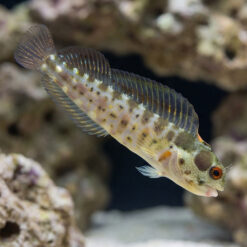
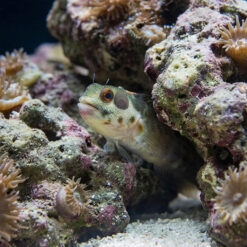
Panamic Barnacle Blenny (Acanthemblemaria hancocki)
Starting at: $38.99
This product has multiple variants. The options may be chosen on the product page
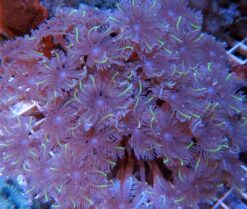
Clove (Daisy) Polyp: Gold Stripe – Indo Pacific, Size Medium (Clavularia sp.)
Sale price: $180.99