
Ignitus Anthias
Nemanthias ignitus
| Stock | Variations | Price | Quantity | |
|---|---|---|---|---|
| Out of Stock | 2.25 - 3.5" - Indian Ocean | Original price was: $101.99.$53.99Current price is: $53.99. | Email me | |
| Out of Stock | 2.25" or smaller - Indian Ocean | Original price was: $75.99.$39.99Current price is: $39.99. | Email me |
Every order ships with our standard 3-hour live arrival guarantee. Need more time? Add our 5-Day Guarantee at checkout.
Full guarantee terms →Ships Monday – Thursday for next-day arrival at your nearest FedEx Hold location — typically ready by 9 AM. We monitor every delivery.
Shipping details →
Monday – Friday 8 AM – 9 PM
Saturday 12 PM – 4 PM
Sunday 12 PM – 9 PM
Healthy, stable animals from vetted suppliers — inspected before packing, shipped overnight. Decades of experience built this model so we can deliver premium livestock at 30%+ less than you'd pay elsewhere.
| Care Level | Moderate |
|---|---|
| Temperament | Peaceful |
| Reef Safe | Yes |
| Functional Benefit | Ornamental Only |
| Diet Type | Planktivore |
| Mininum Tank Size | 70 gallons |
| Max Size | 4 inches |
| Temperature | 72–78°F |
| pH Range | 8.1–8.4 |
| Specific Gravity | 1.022–1.025 |
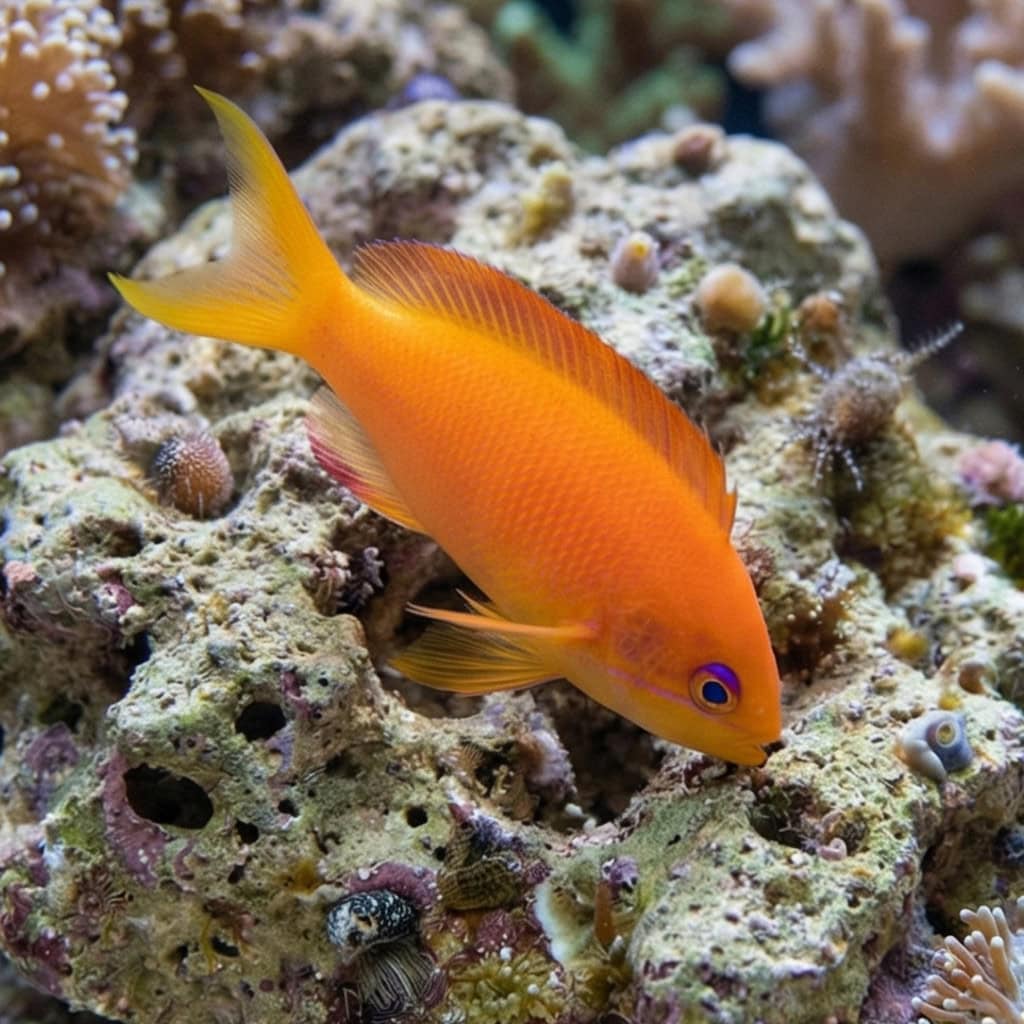
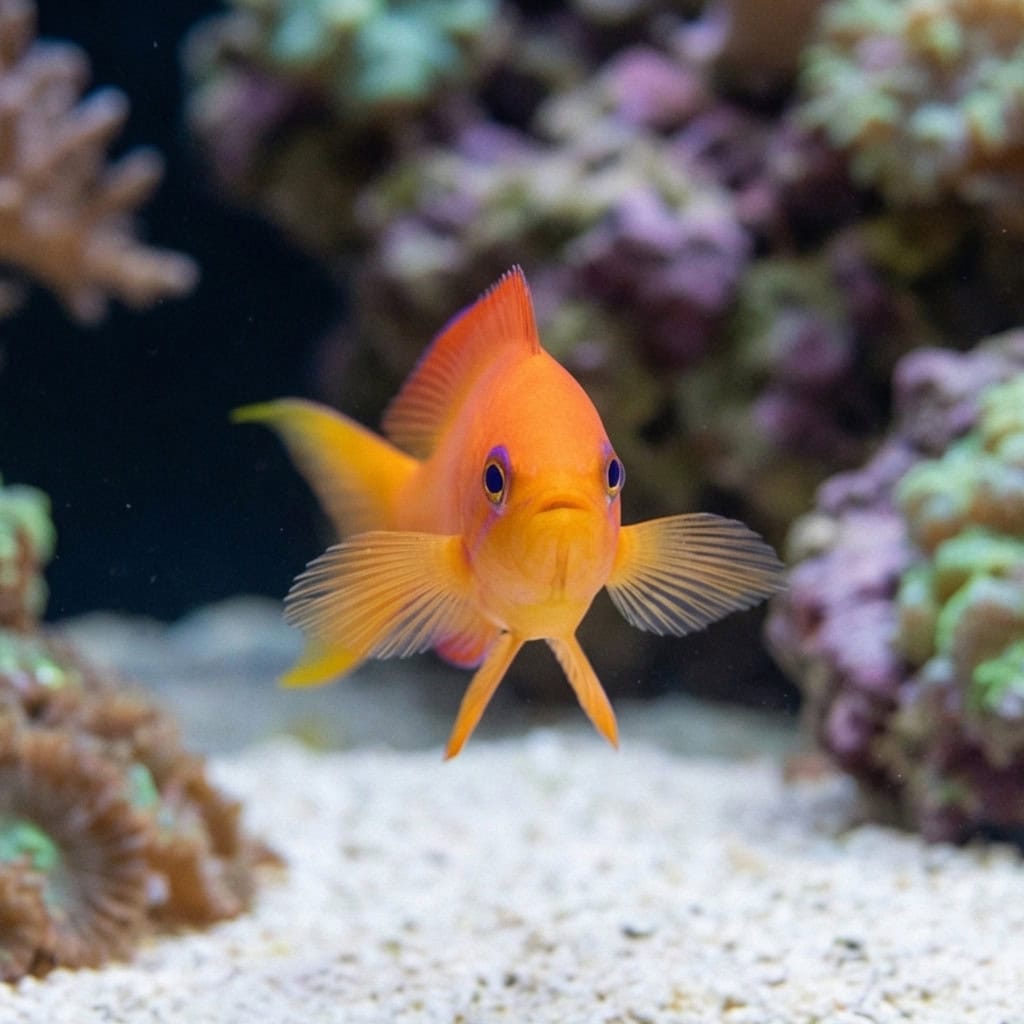
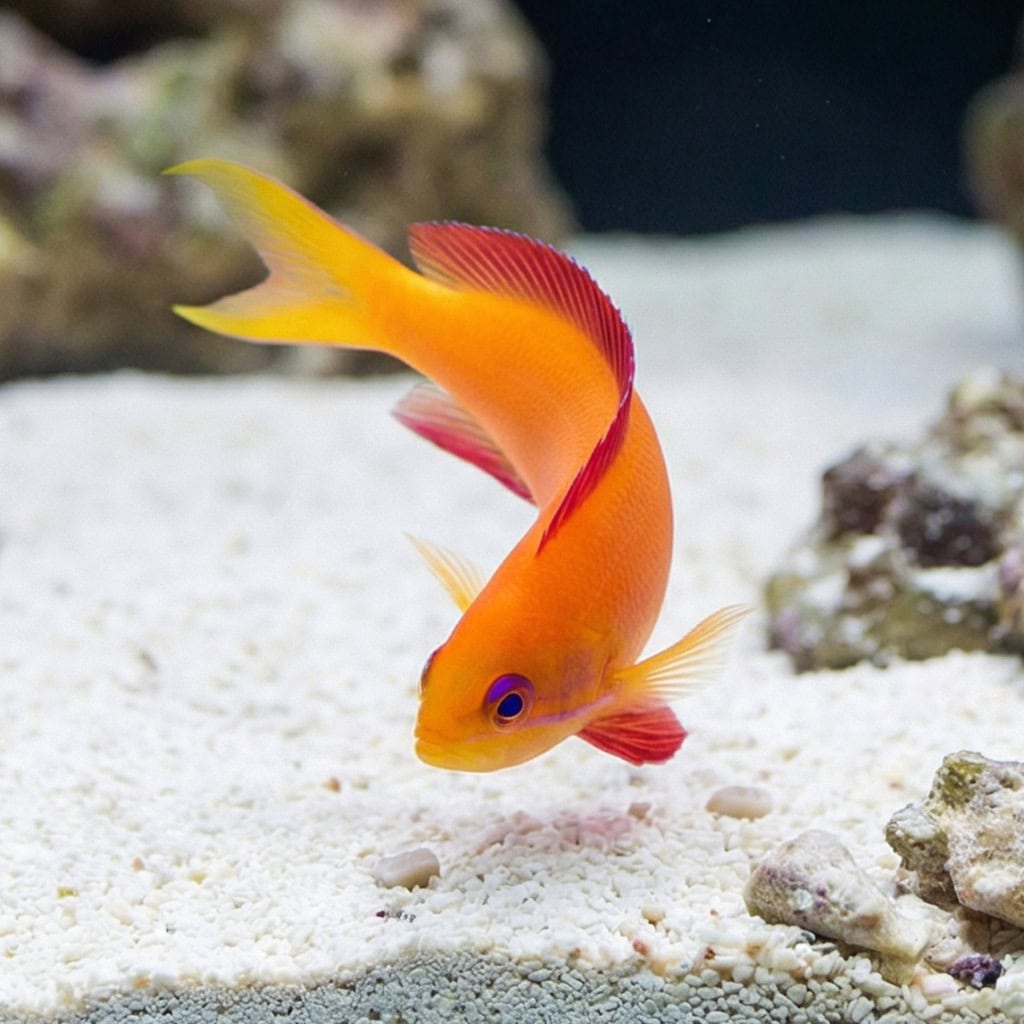
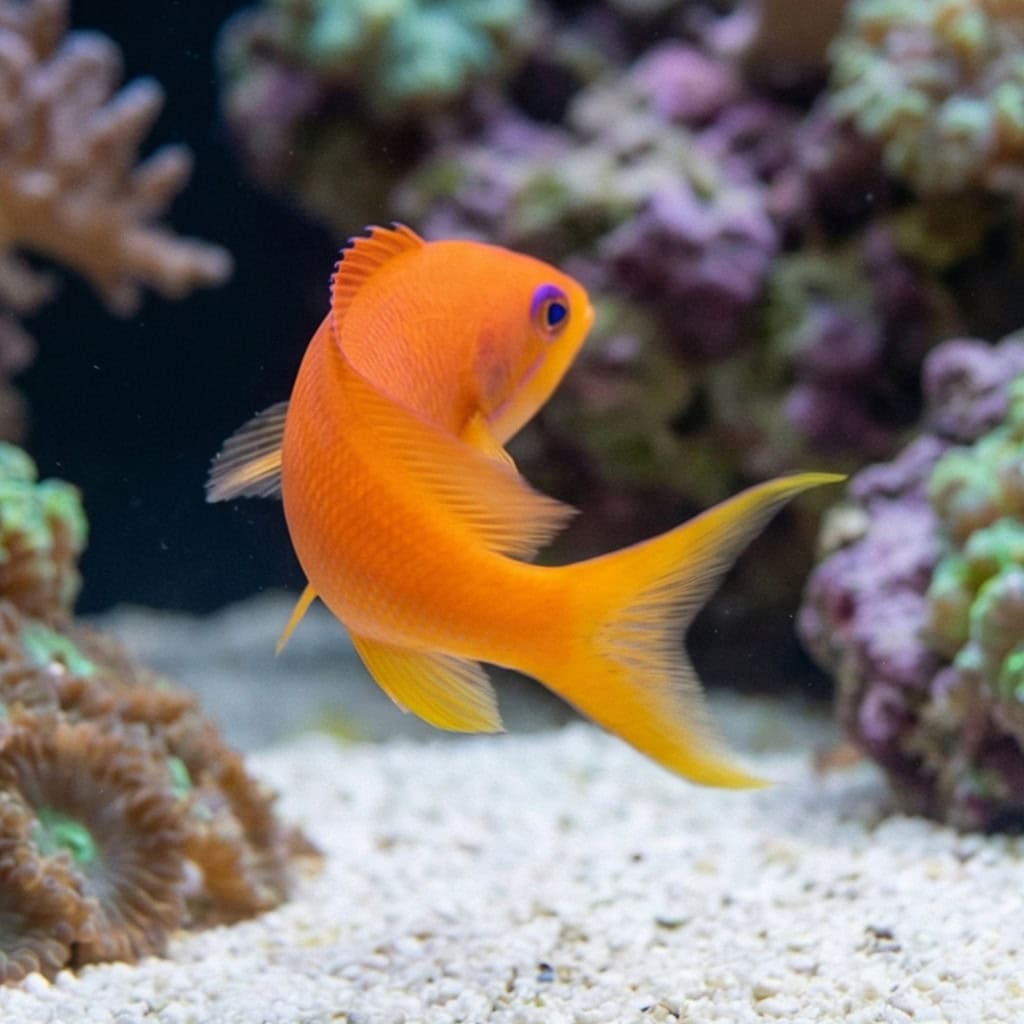
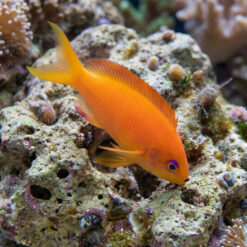
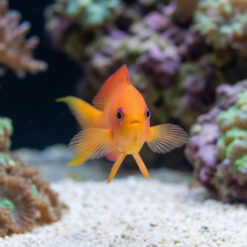
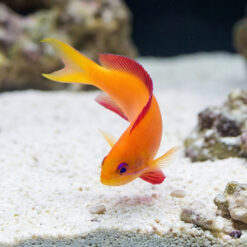
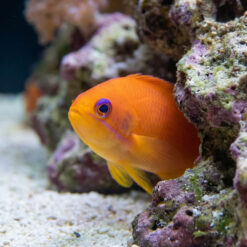
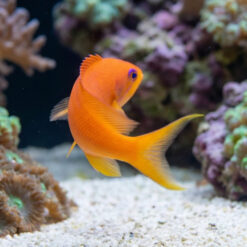
The Ignitus Anthias (Nemanthias ignitus), also called the Flame Anthias, is a small anthias with an orange-to-reddish body and subtle lavender tones along the belly and fins. In nature it’s found on outer reef slopes in clear Indo-Pacific waters, where it spends much of the day feeding in the water column on zooplankton.
What You’ll Observe:
- Hovering and cruising in open water, then making quick, controlled dashes back to rockwork between passes
- A steady “water-column feeding” routine where it rises into the flow to intercept small foods
- Clear social behavior when kept in a small group, with one fish typically becoming the dominant male over time
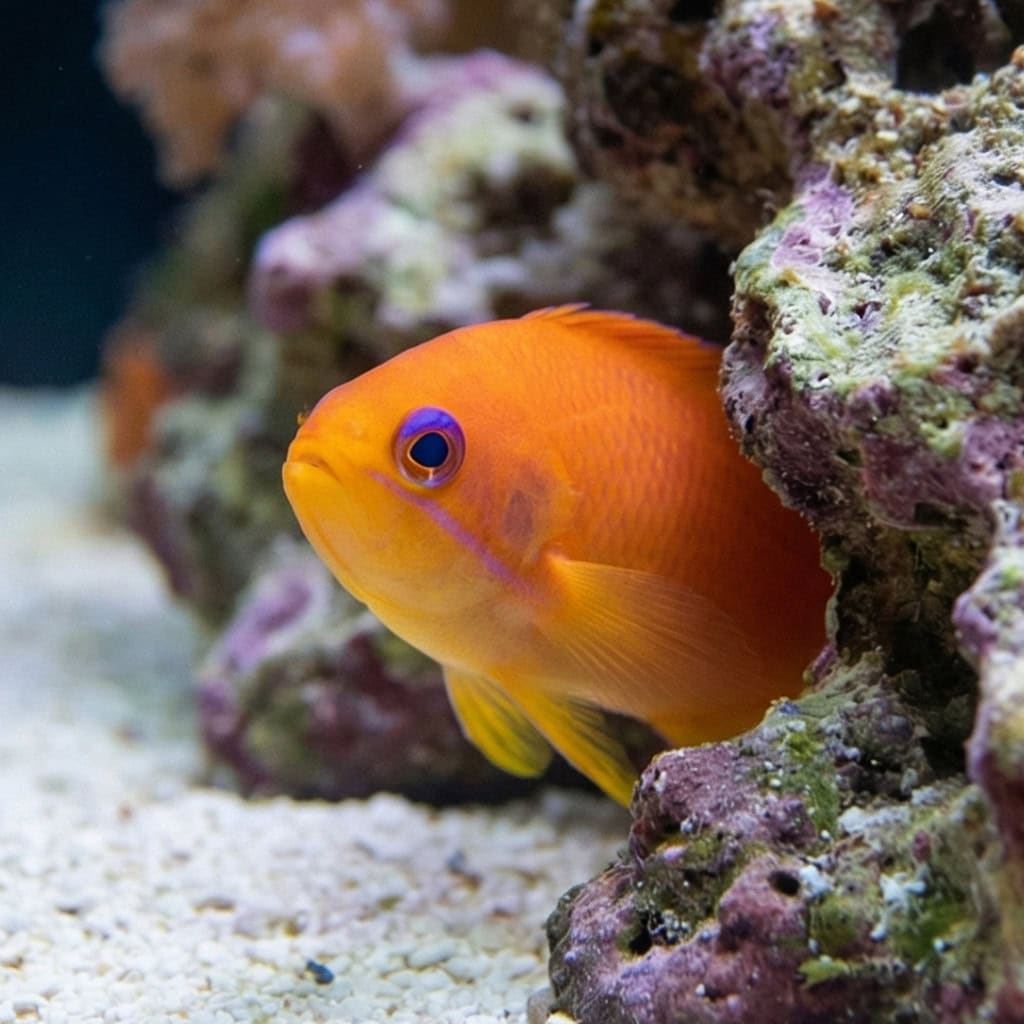
- Using crevices as a fast retreat space when surprised, then returning to normal swimming shortly after
Provide plenty of live rock structure with multiple caves and swim-throughs so your Ignitus Anthias can move confidently between open water and shelter. Offer small meaty foods (fine mysis, calanus, roe, and other small carnivore blends) in multiple small feedings per day to match its natural planktivore feeding style. A covered tank helps keep their normal “dart and settle” behavior from turning into an escape attempt during sudden startles.
Do Ignitus Anthias do better singly, in pairs, or in groups?
Most keepers report the most natural, settled behavior in small groups (a loose harem), where attention is spread out and the fish spend more time out in the water column.
Will an all-female group stay all-female?
Over time, one typically becomes dominant and transitions to male, so an all-female start is a common way hobbyists build a group.
How do I get them to take pellets or prepared foods consistently?
Many aquarists start with small frozen foods in the flow, then mix in tiny pellets/crumbs during the same feeding window so the fish “samples” them while already in feeding mode.
Is it normal for them to vanish into the rocks at first?
Yes’many owners see a “rockwork-first” routine early on, with more midwater swimming as the fish learns the tank’s traffic patterns and feeding schedule.
Can I add another Ignitus Anthias later to an established group?
It often goes best when the new fish is similar in size and introduced with plenty of rockwork cover, so it can join the group’s swimming pattern without becoming the sole focus.
Shipped with pure oxygen and temperature control so it arrives stress-free and ready to eat.
Recently viewed products