Tunicate: Colored
Polycarpa sp.
| Stock | Variations | Price | Quantity | |
|---|---|---|---|---|
| Out of Stock | 2.25" or smaller - Captive Bred - Indo-Pacific | Original price was: $48.99.$25.99Current price is: $25.99. | Email me |
Every order ships with our standard 3-hour live arrival guarantee. Need more time? Add our 5-Day Guarantee at checkout.
Full guarantee terms →Ships Monday – Thursday for next-day arrival at your nearest FedEx Hold location — typically ready by 9 AM. We monitor every delivery.
Shipping details →
Monday – Friday 8 AM – 9 PM
Saturday 12 PM – 4 PM
Sunday 12 PM – 9 PM
Healthy, stable animals from vetted suppliers — inspected before packing, shipped overnight. Decades of experience built this model so we can deliver premium livestock at 30%+ less than you'd pay elsewhere.
| Care Level | Moderate |
|---|---|
| Temperament | Peaceful |
| Reef Safe | Yes |
| Functional Benefit | Ornamental Only |
| Diet Type | Omnivore |
| Mininum Tank Size | 30 gallons |
| Max Size | 6 inches |
| Temperature | 72–78°F |
| pH Range | 8.1–8.4 |
| Specific Gravity | 1.023–1.026 |
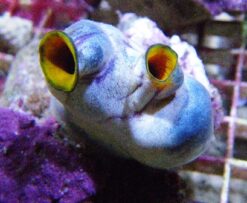
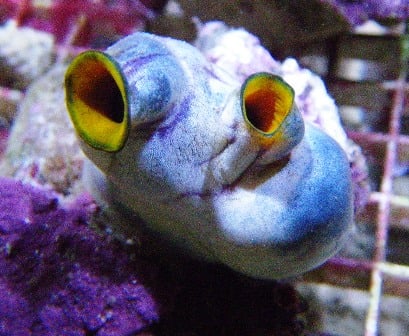
Polycarpa sp. (Sea Squirt / Tunicate) is a stationary, filter-feeding invertebrate that adds an unusual living rock look to a reef aquarium. Its body forms a firm, rounded shape with two visible siphons that open as it pumps water and captures suspended microfoods.
What You’ll Observe:
- Siphons opening into clear, round mouths, then closing quickly when disturbed
- Subtle inflation/deflation as it moves water through its body
- A strong preference for staying tucked into rockwork once it settles
- Periods of steady, consistent pumping followed by short resting phases
To succeed with colored tunicates, provide a mature, stable aquarium with moderate-to-strong flow that carries suspended foods past the siphons. Place it in a crevice or between rocks so it can attach securely. Offer small, water-column foods (liquid plankton and fine particulate blends) consistently to match its filter-feeding lifestyle.
Is it normal for a sea squirt to close up when I’m working in the tank?
Yes’closing the siphons is a normal response to movement or touch, and most reopen once the area is calm again.
How can I tell which opening is doing what?
You’ll usually see two siphons: one draws water in and the other expels it after filtering; the out siphon may briefly pulse as it releases water.
Can I reposition it after it attaches?
Yes’support the base and gently move it while submerged, then wedge it back into rockwork so it can settle and reattach.
Does it need to be target-fed, or is broadcast feeding fine?
Broadcast feeding works well when flow carries microfoods across it; some hobbyists also use gentle, nearby feeding to increase food density around the siphons.
Will it spread like a mat over the rocks?
Most Polycarpa-type sea squirts are solitary and grow as individual animals rather than spreading as an encrusting sheet.
Shipped with pure oxygen and temperature control so it arrives stress-free and ready to eat.
Recently viewed products