
Yellow-Fin Flasher Wrasse
Paracheilinus flavianalis
Price range: $51.99 through $58.99
| Stock | Variations | Price | Quantity | |
|---|---|---|---|---|
| In Stock | 2 - 3" - Indo-Pacific | Original price was: $110.99.$58.99Current price is: $58.99. |
-
+
|
|
| Only 2 left | 2" or smaller - Indo-Pacific | Original price was: $97.99.$51.99Current price is: $51.99. |
-
+
|
Every order ships with our standard 3-hour live arrival guarantee. Need more time? Add our 5-Day Guarantee at checkout.
Full guarantee terms →Ships Monday – Thursday for next-day arrival at your nearest FedEx Hold location — typically ready by 9 AM. We monitor every delivery.
Shipping details →
Monday – Friday 8 AM – 9 PM
Saturday 12 PM – 4 PM
Sunday 12 PM – 9 PM
Healthy, stable animals from vetted suppliers — inspected before packing, shipped overnight. Decades of experience built this model so we can deliver premium livestock at 30%+ less than you'd pay elsewhere.
| Care Level | Easy |
|---|---|
| Temperament | Peaceful |
| Reef Safe | Yes |
| Functional Benefit | Ornamental Only |
| Diet Type | Carnivore |
| Mininum Tank Size | 55 gallons |
| Max Size | 4 inches |
| Temperature | 72–78°F |
| pH Range | 8.1–8.4 |
| Specific Gravity | 1.022–1.025 |
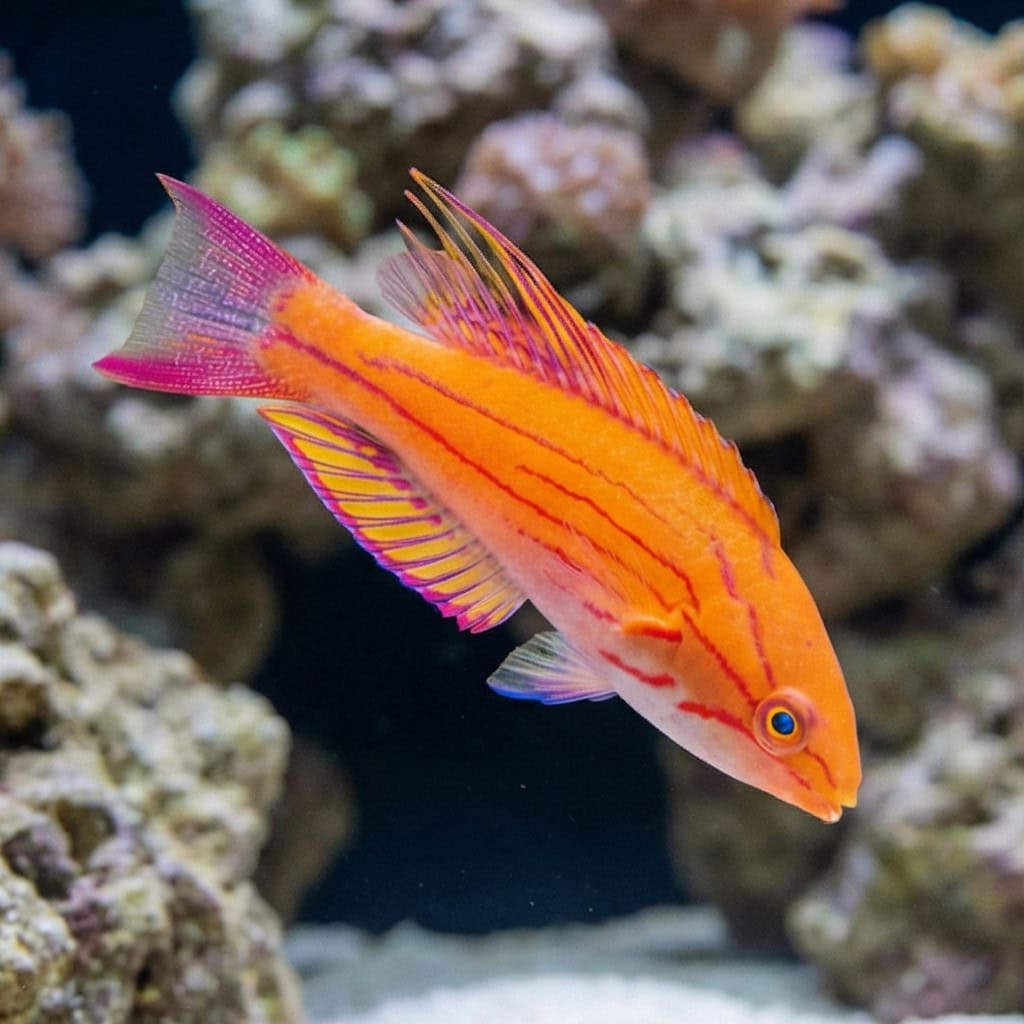
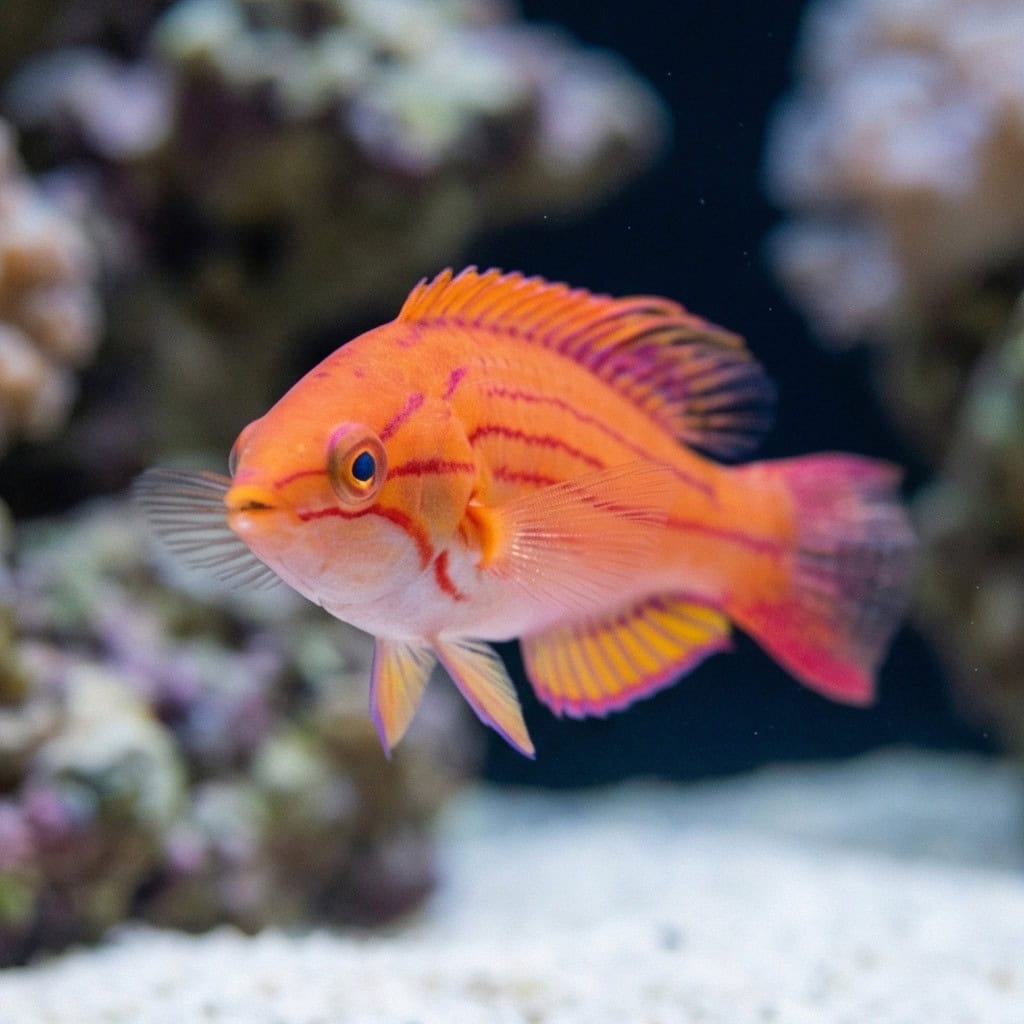
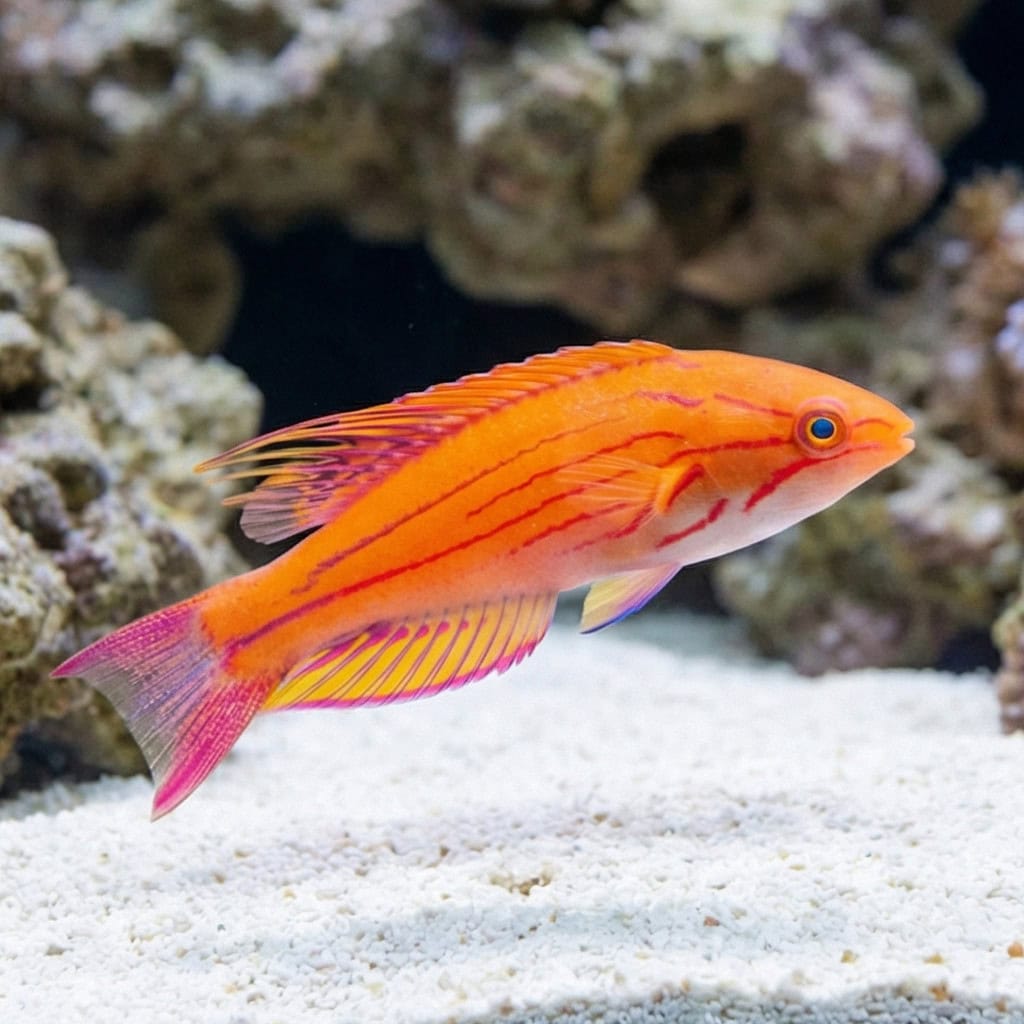
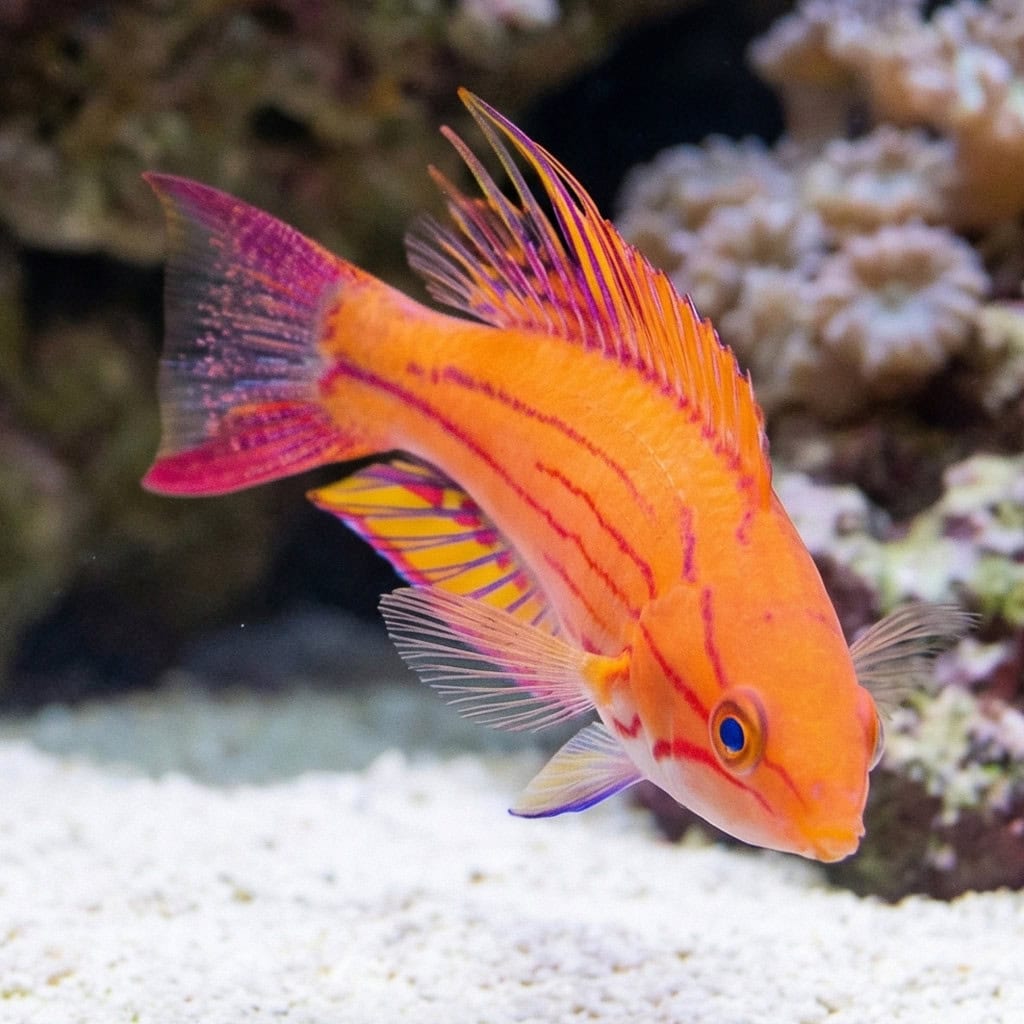
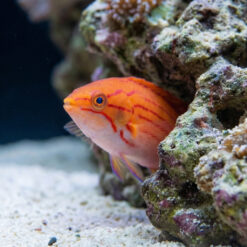
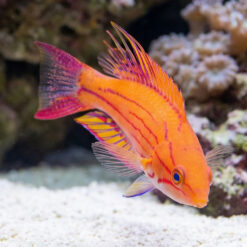
The Yellow-Fin Flasher Wrasse (Paracheilinus flavianalis) is a reef-safe flasher wrasse known for a red body with blue accents, yellow fin highlights, and an extended dorsal fin that stands out when it’s on the move. In a community reef tank, it adds constant midwater activity and quick “display” moments, especially when interacting with tankmates.
What You’ll Observe:
- Active swimming in the open water column, often weaving in and out of rockwork
- Short display bursts where the fins extend and colors intensify during social moments
- Quick, confident feeding response once it learns your routine
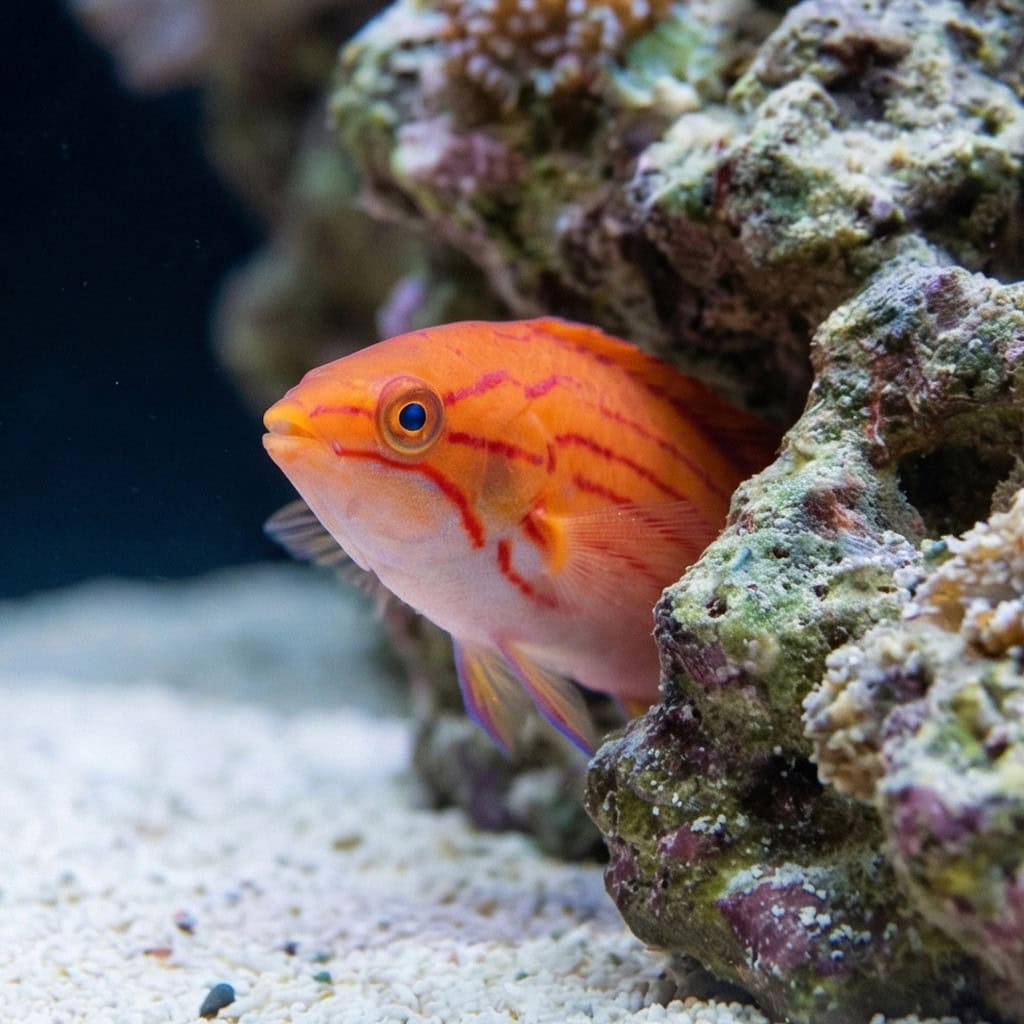
- A consistent day/night rhythm—active under lighting, then settling into the rockwork to rest
Provide open swimming space with plenty of rockwork for quick retreats and sight breaks. Offer a variety of small meaty foods in multiple small feedings to match its active lifestyle. For a more natural social setup, this species can be kept singly or as a male with females introduced first.
Will a Yellow-Fin Flasher Wrasse jump out of an uncovered tank?
Many keepers treat flasher wrasses as “high-energy jumpers,” especially around feeding time or sudden movement. A tight-fitting mesh top that also covers small gaps is commonly used.
How can I encourage the “flashing” display?
Displays are most commonly noticed near the end of the light cycle and during social interactions. Some hobbyists use a mirror for short sessions to prompt brief displaying behavior.
Does it need a sand bed to sleep?
Flasher wrasses typically rest by tucking into rockwork rather than burying in sand. A sand bed can still be used in the aquarium, but it isn’t usually a requirement for this type of wrasse.
Will it eat pellets and flakes, or only frozen foods?
Many will take frozen foods right away, then learn to accept small pellets or flakes over time. Mixing prepared foods into frozen feedings is a common approach.
Can I keep it with other flasher or fairy wrasses?
Mixing wrasses is often done successfully when the tank has space, rockwork, and a thoughtful introduction plan. Many keepers avoid housing two males of the same flasher species together in smaller systems.
Each fish is checked for strong appetite and activity before we approve it for your tank.
Recently viewed products