
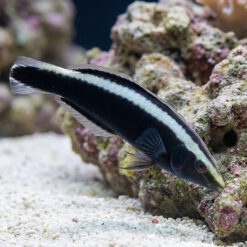
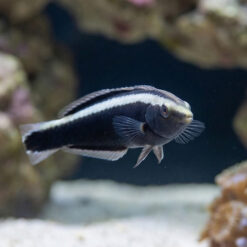
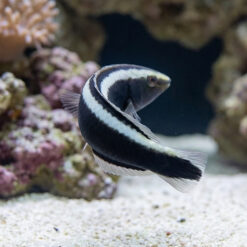
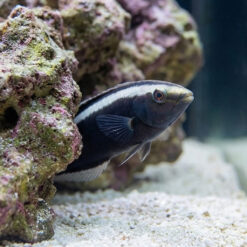
Ringed Wrasse
Hologymnosus annulatus
| Stock | Variations | Price | Quantity |
|---|
Every order ships with our standard 3-hour live arrival guarantee. Need more time? Add our 5-Day Guarantee at checkout.
Full guarantee terms →Ships Monday – Thursday for next-day arrival at your nearest FedEx Hold location — typically ready by 9 AM. We monitor every delivery.
Shipping details →
Monday – Friday 8 AM – 9 PM
Saturday 12 PM – 4 PM
Sunday 12 PM – 9 PM
Healthy, stable animals from vetted suppliers — inspected before packing, shipped overnight. Decades of experience built this model so we can deliver premium livestock at 30%+ less than you'd pay elsewhere.
| Care Level | Moderate |
|---|---|
| Temperament | Semi-Aggressive |
| Reef Safe | With Caution |
| Functional Benefit | Ornamental Only |
| Diet Type | Carnivore |
| Mininum Tank Size | 180 gallons |
| Max Size | 18 inches |
| Temperature | 72–78°F |
| pH Range | 8.1–8.4 |
| Specific Gravity | 1.022–1.025 |
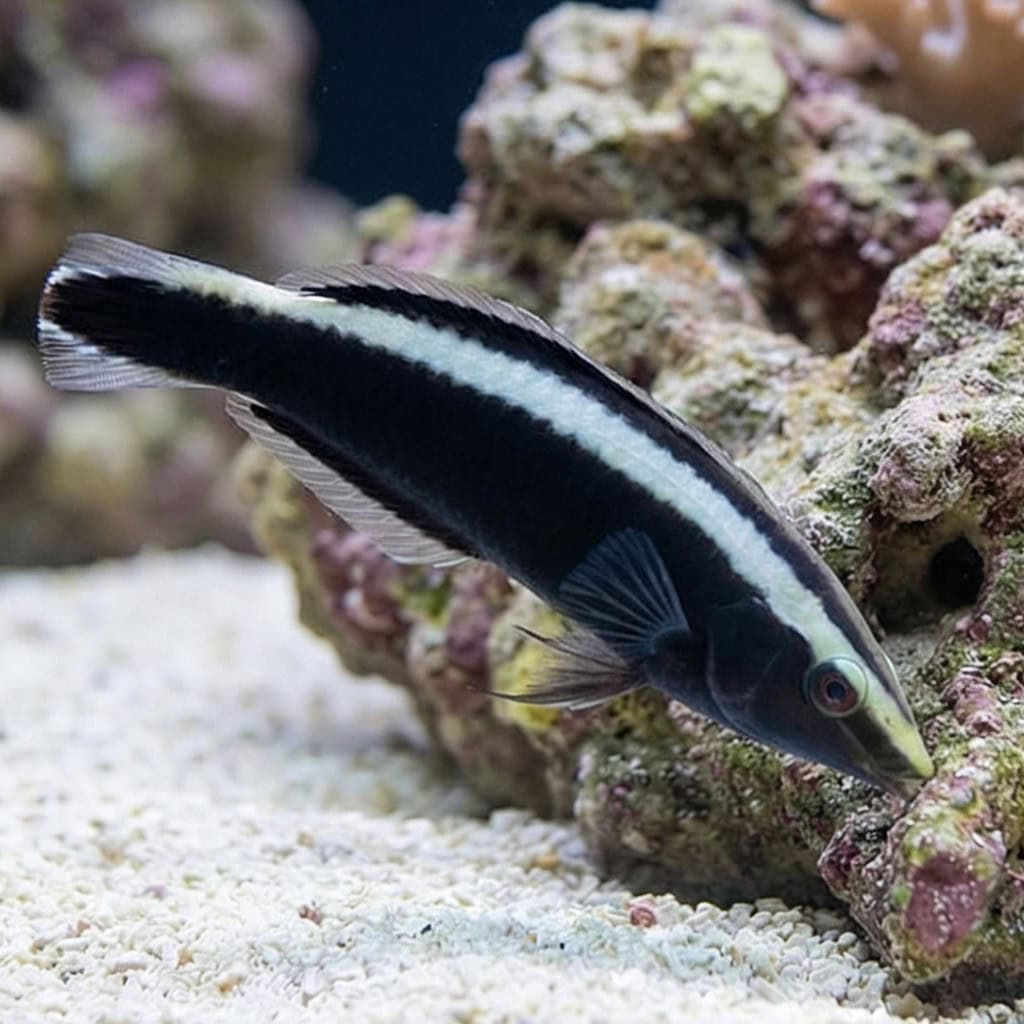
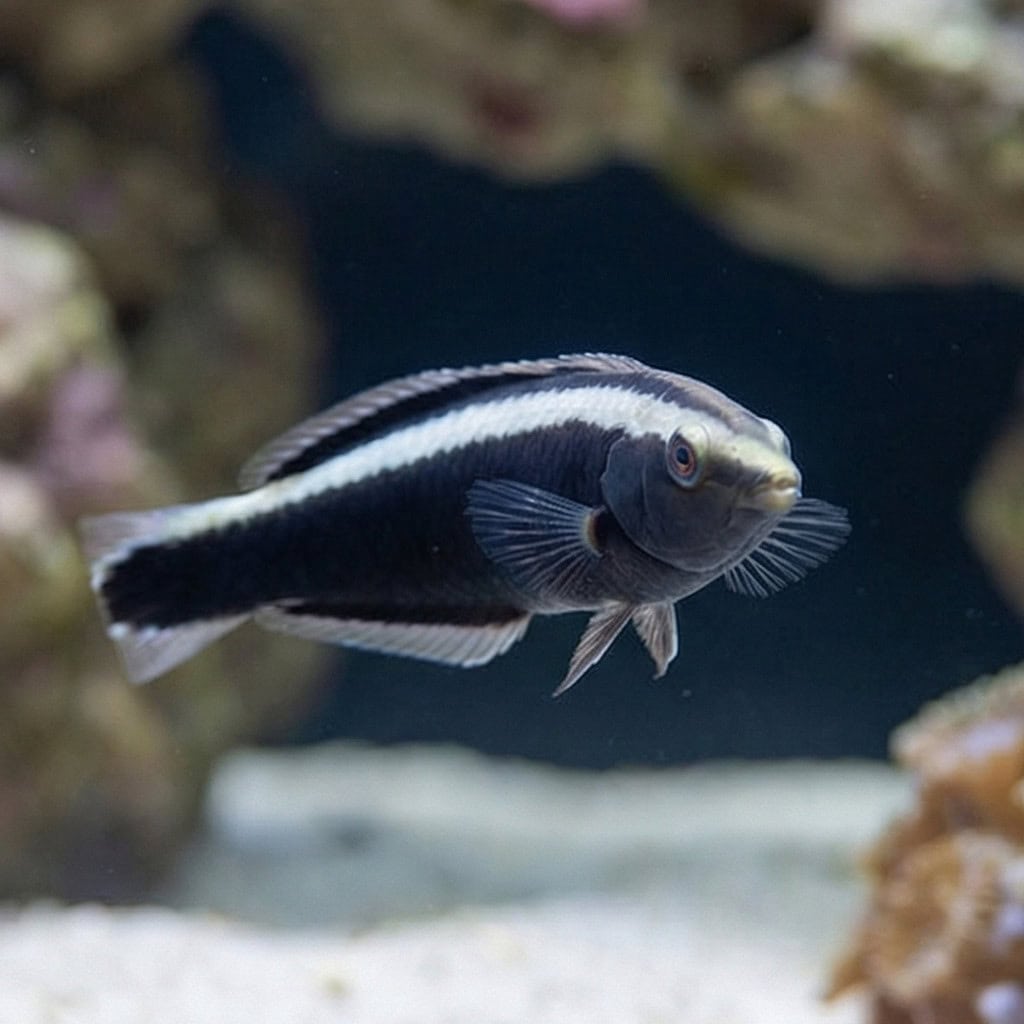
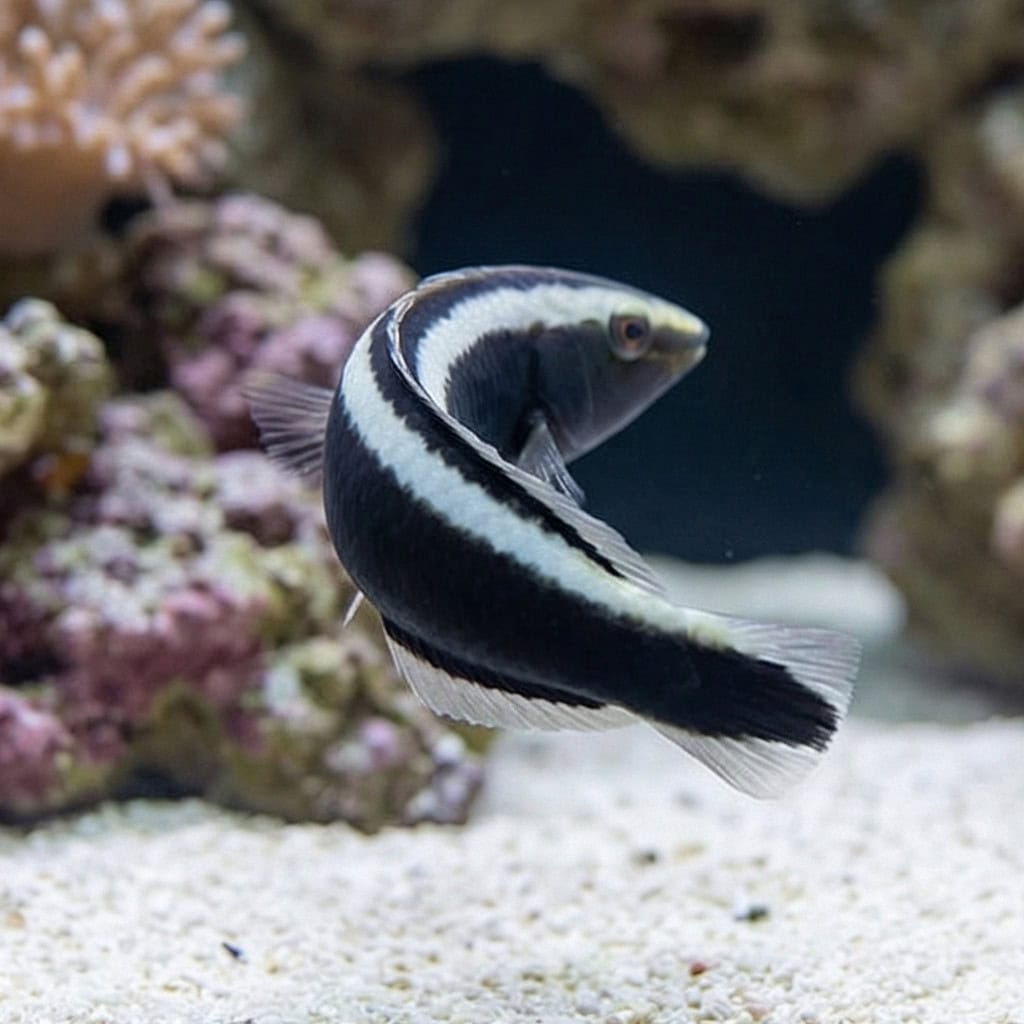
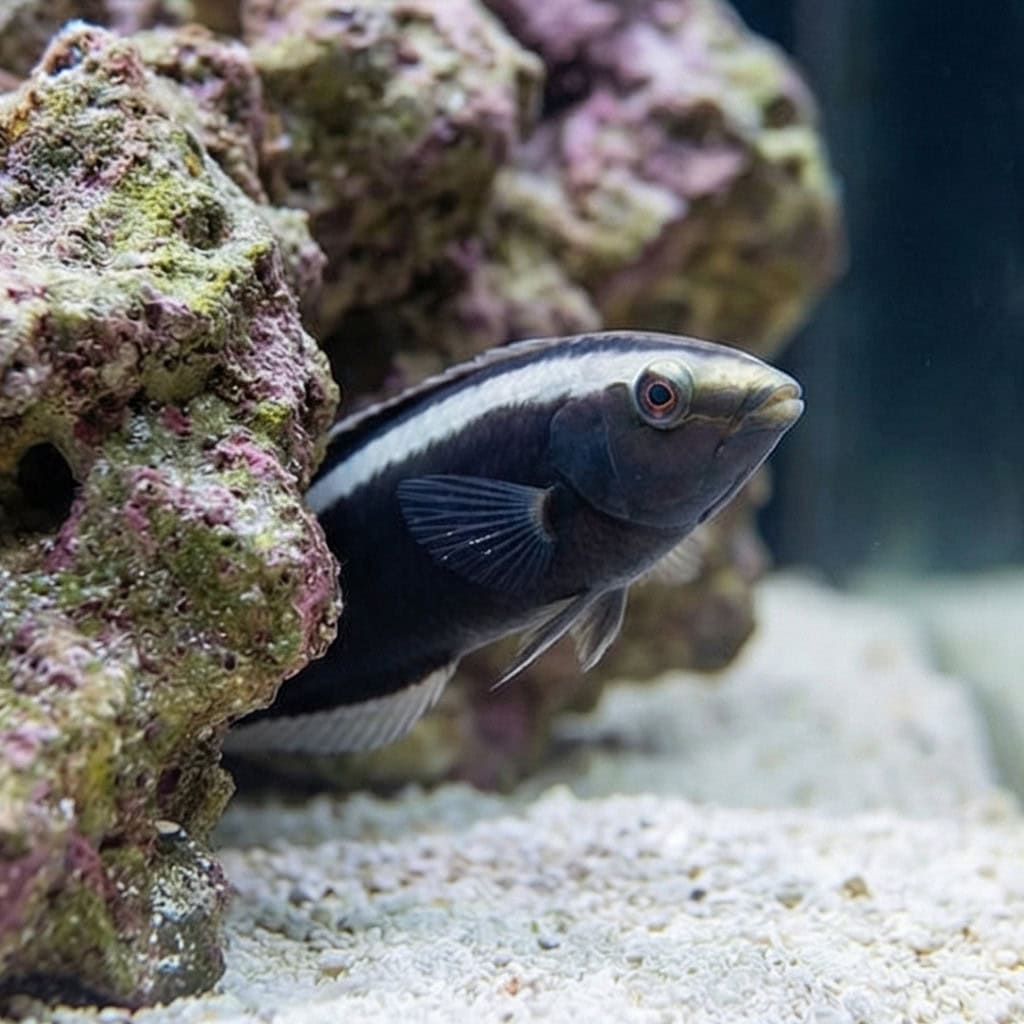
The Ringed Wrasse (Hologymnosus annulatus) is a long, slender Indo-Pacific wrasse often seen cruising above reef structure once it settles in. Adults show strong color contrast (with males typically showing greener/blue facial tones and females appearing much darker), so the look of this fish can shift noticeably as it matures.
What You’ll Observe:
- Patrol-style swimming that alternates between open water and quick passes along rockwork
- A “decisive” feeding response—moving in quickly for meaty foods and then resuming laps
- A daily rhythm where it picks a consistent resting routine as it becomes familiar with your aquascape
- Color and pattern changes over time that make the fish look different at different life stages
To help your Ringed Wrasse do well, provide plenty of open swimming room along with structure it can move around and through. Offer a varied menu of meaty frozen foods (and quality pellets once it recognizes them) so it can feed confidently at each meal.
Will this wrasse use the sand bed (or “disappear” at night)?
Many sand-sleeping wrasses will dive into sand to rest, and hobbyists commonly group ring wrasses (genus Hologymnosus) with sand sleepers.
Do I need a tight-fitting lid?
Yes—wrasses are widely reported jumpers, so a snug cover or net top is a common long-term success move.
Will it eat right away after shipping, or take time to settle?
It’s common for wrasses to take a short adjustment period before they act fully “out and about”; offering small meaty foods on a consistent schedule helps it lock into a routine.
Can I keep it with smaller fish if everyone is peaceful?
Even in otherwise calm communities, keepers often plan stocking so very small fish aren’t treated like food—think “fish-focused tankmates that can hold their own.”
Why does the same species look so different in photos?
Wrasses can look dramatically different by sex and life stage, so juveniles, females, and terminal-phase males may not resemble each other closely.
Shipped with pure oxygen and temperature control so it arrives stress-free and ready to eat.
Recently viewed products