
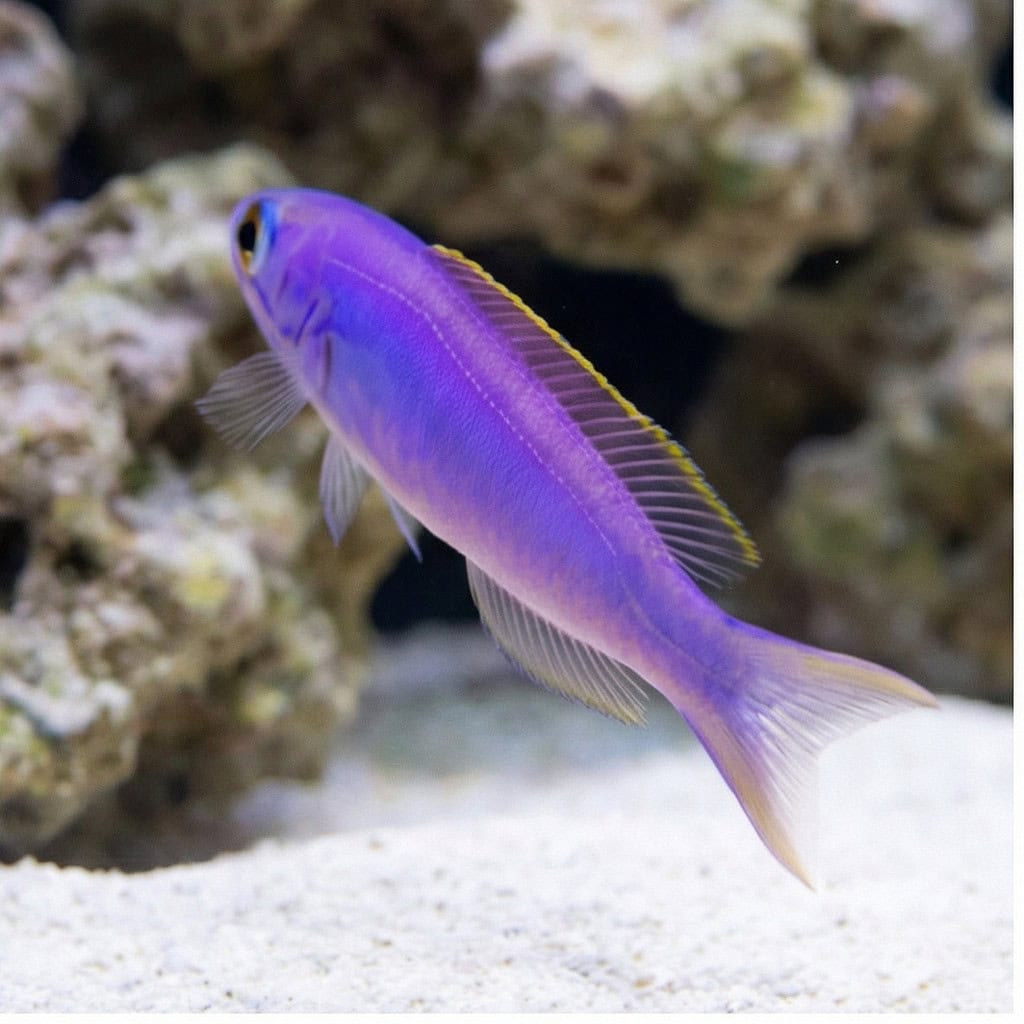
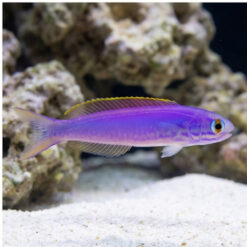
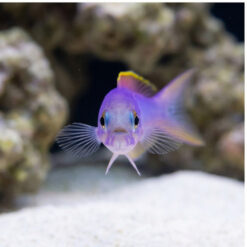
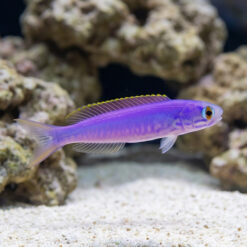
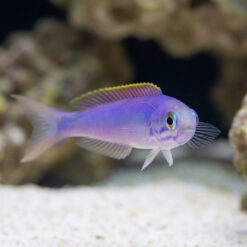
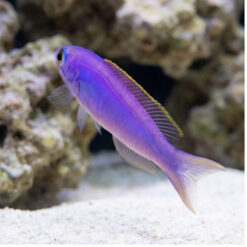
Flashing Tilefish
Hoplolatilus chlupatyi
| Stock | Variations | Price | Quantity |
|---|
Every order ships with our standard 3-hour live arrival guarantee. Need more time? Add our 5-Day Guarantee at checkout.
Full guarantee terms →Ships Monday – Thursday for next-day arrival at your nearest FedEx Hold location — typically ready by 9 AM. We monitor every delivery.
Shipping details →
Monday – Friday 8 AM – 9 PM
Saturday 12 PM – 4 PM
Sunday 12 PM – 9 PM
Healthy, stable animals from vetted suppliers — inspected before packing, shipped overnight. Decades of experience built this model so we can deliver premium livestock at 30%+ less than you'd pay elsewhere.
| Care Level | Expert |
|---|---|
| Temperament | Peaceful |
| Reef Safe | Yes |
| Functional Benefit | Ornamental Only |
| Diet Type | Carnivore |
| Mininum Tank Size | 120 gallons |
| Max Size | 5 inches |
| Temperature | 72–78°F |
| pH Range | 8.1–8.4 |
| Specific Gravity | 1.022–1.025 |
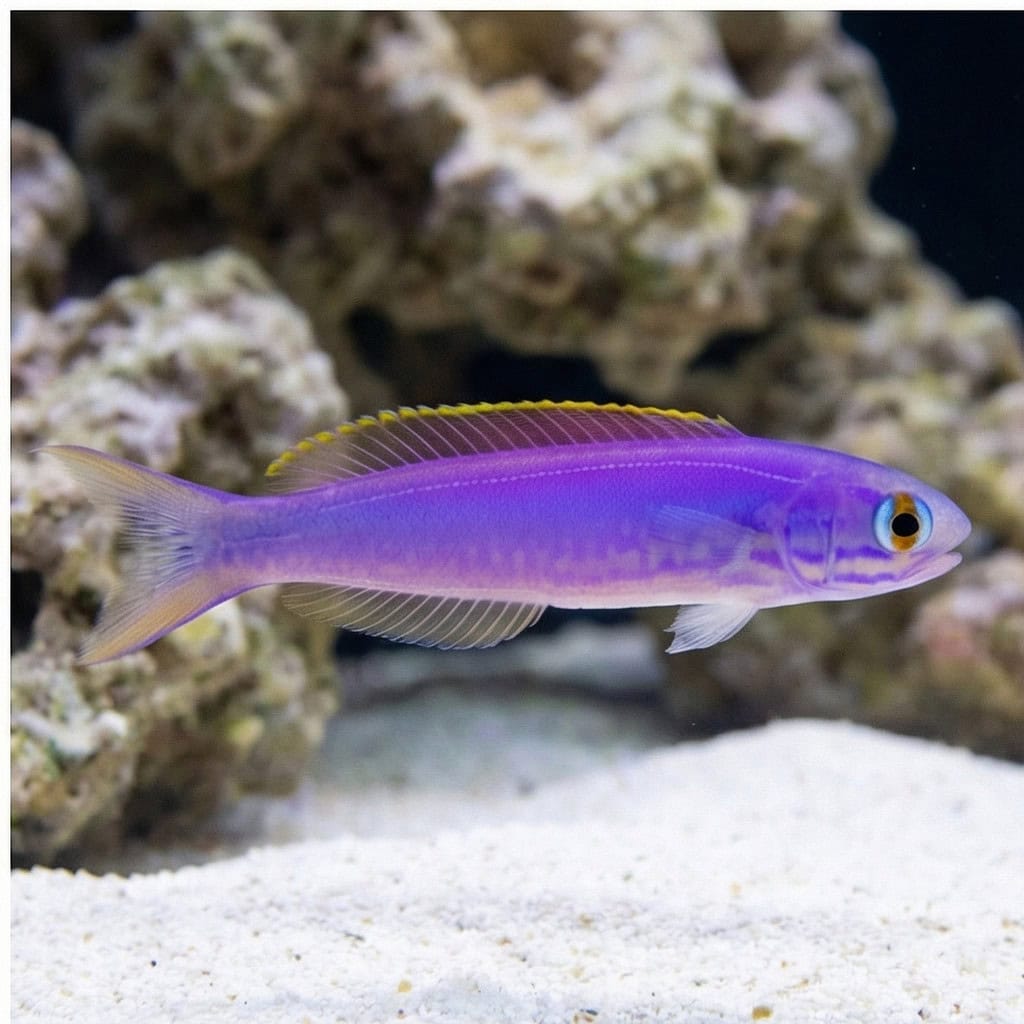
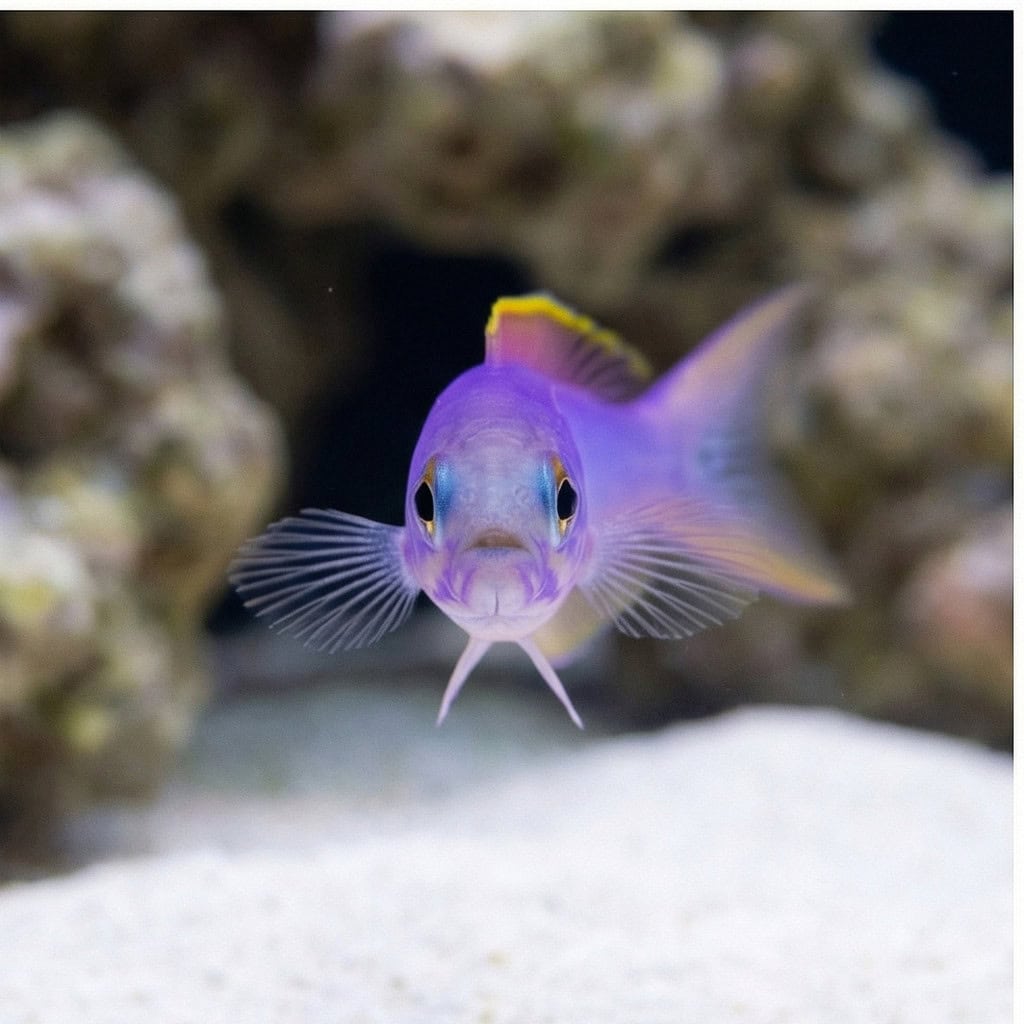
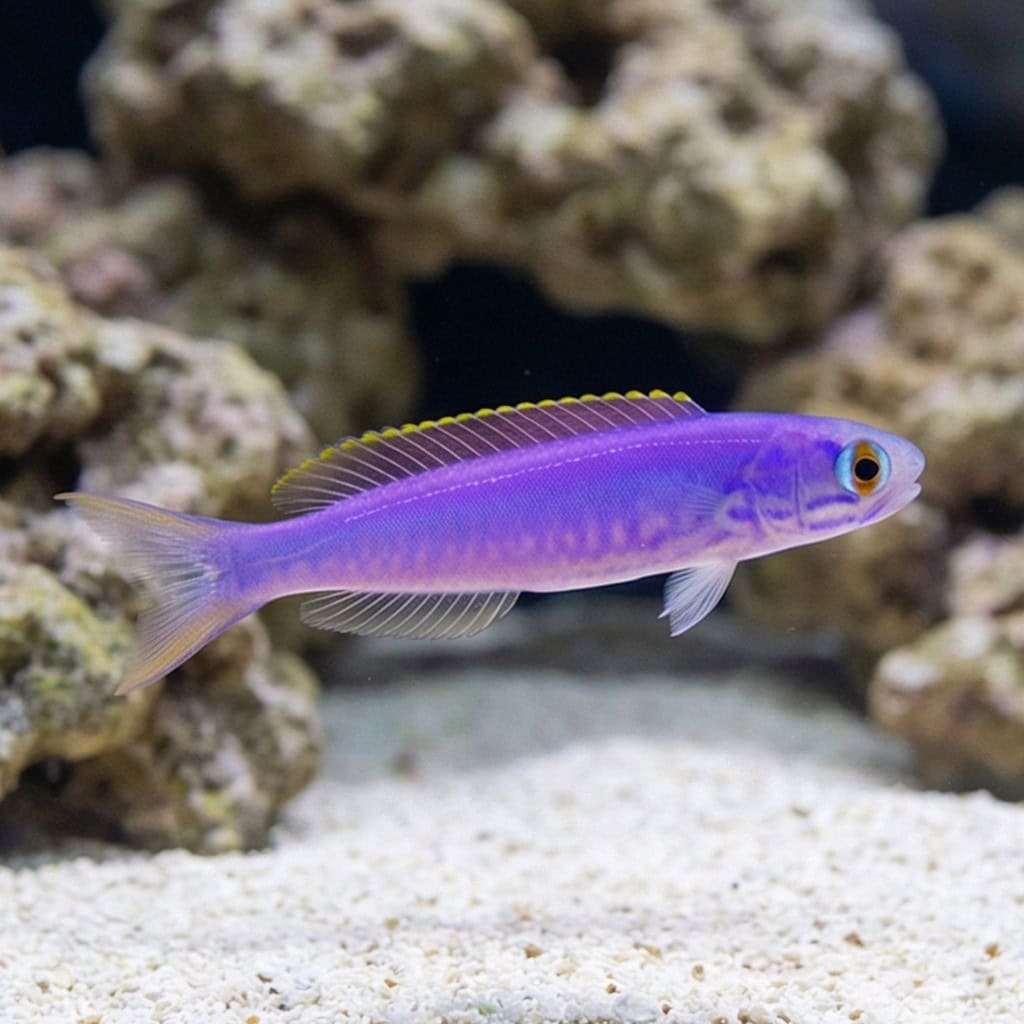
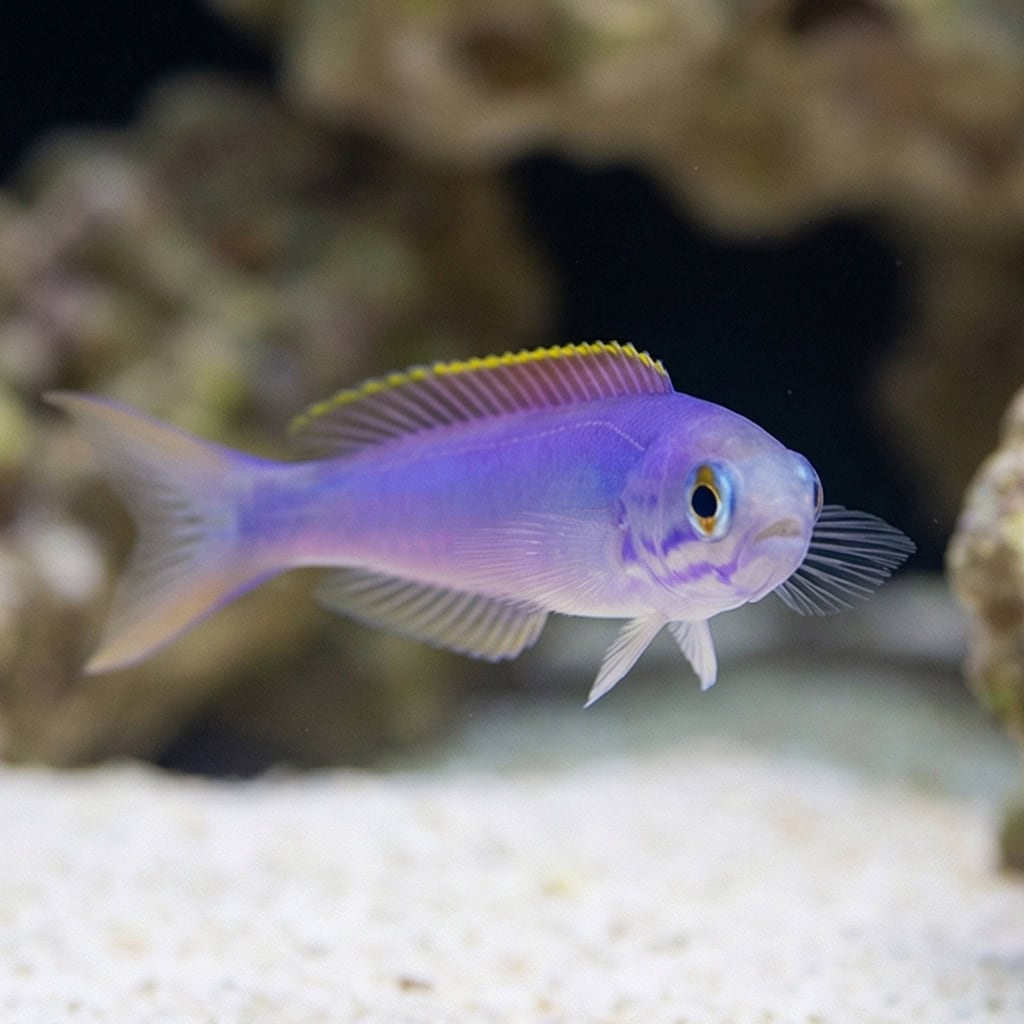
The Flashing Tilefish (Hoplolatilus chlupatyi), also called the chameleon sand tilefish, is a burrow-dwelling sand tilefish known for rapid color “flashing” as it shifts between blue/green/yellow tones. It stays relatively compact (around 5 inches) and brings a very different kind of movement to a reef tank—hovering over its home burrow and making quick, confident swims into open water.
What You’ll Observe:
- Picks and maintains a favorite burrow entrance, often “perching” just above it
- Quick up-and-out dashes into the water column, then a direct return to the same spot
- Color shifts that become more noticeable during feeding and changing light periods
- A strong daily routine, with the most open-water activity tied to consistent feeding times
Provide a deep, fine sand bed with scattered rubble and stable rockwork so it can build a secure burrow and settle in. Offer small meaty foods (mysis, finely chopped seafood, copepod-style foods) multiple times daily; many keepers start with live foods to trigger the first feedings, then transition to frozen/prepared options. A covered aquarium with calm tankmates helps it spend more time hovering and displaying natural flashing.
How can I confirm I have a true Hoplolatilus chlupatyi and not a look-alike?
Many hobbyists compare head markings first (especially the eye stripe) and then overall body tone under your tank lighting before deciding it’s a true chlupatyi.
Why does mine sometimes look gray instead of showing bright blues/greens?
Keepers commonly report the fish looks more muted under certain lighting or while settling in, and shows stronger iridescent color once it’s comfortable and the lighting suits it.
Is it normal for a Flashing Tilefish to spend a lot of time near one spot?
Yes—owners often describe them as “burrow-centered,” with repeated short swims and hovering above the same home base throughout the day.
What’s the most reliable approach to get the first meals into a new specimen?
A frequent theme is starting with smaller, enticing foods delivered close to the burrow, with some keepers using live foods early on before transitioning to frozen/prepared.
Does flashing behavior increase as the fish becomes more established?
Many hobbyists see more regular color display once the fish has a consistent routine (especially around feeding and normal daytime lighting), though frequency varies by individual.
Each fish is checked for strong appetite and activity before we approve it for your tank.
Recently viewed products