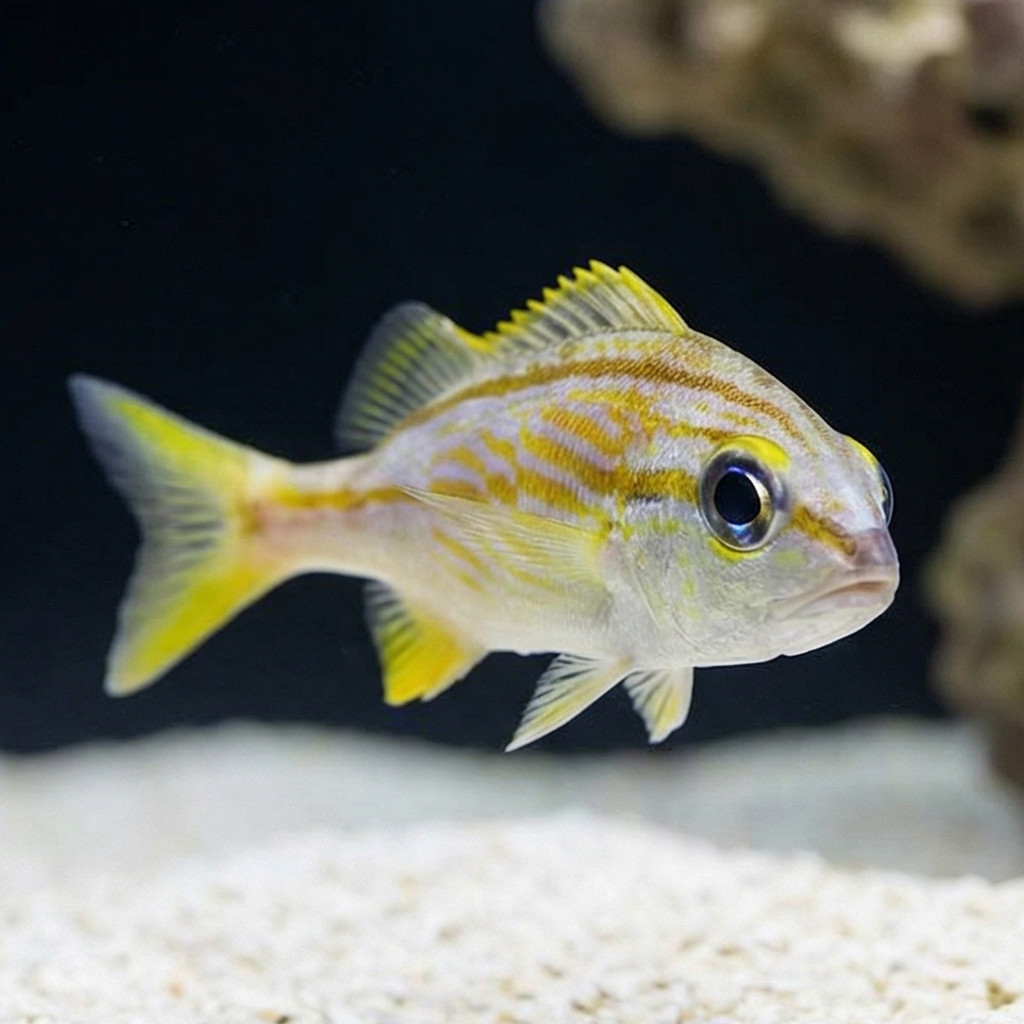
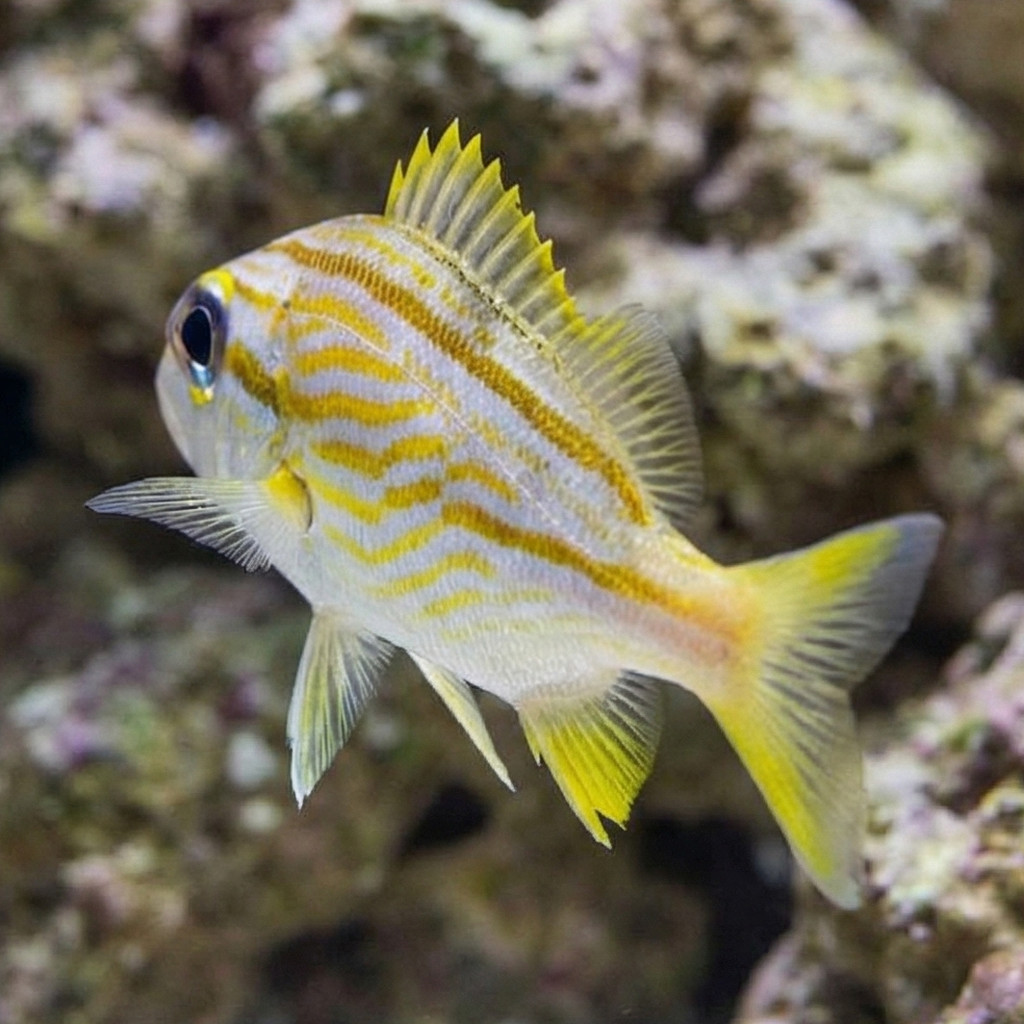
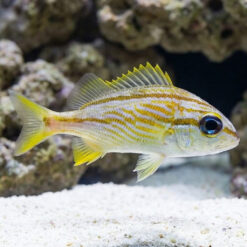
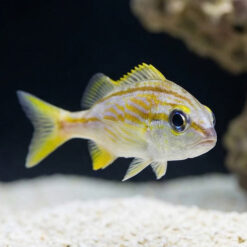
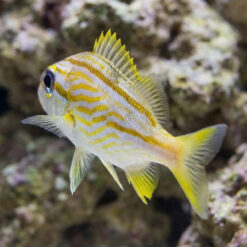
French Grunt
Haemulon flavolineatum
| Stock | Variations | Price | Quantity |
|---|
Every order ships with our standard 3-hour live arrival guarantee. Need more time? Add our 5-Day Guarantee at checkout.
Full guarantee terms →Ships Monday – Thursday for next-day arrival at your nearest FedEx Hold location — typically ready by 9 AM. We monitor every delivery.
Shipping details →
Monday – Friday 8 AM – 9 PM
Saturday 12 PM – 4 PM
Sunday 12 PM – 9 PM
Healthy, stable animals from vetted suppliers — inspected before packing, shipped overnight. Decades of experience built this model so we can deliver premium livestock at 30%+ less than you'd pay elsewhere.
| Care Level | Moderate |
|---|---|
| Temperament | Peaceful |
| Reef Safe | Yes |
| Functional Benefit | Ornamental Only |
| Diet Type | Carnivore |
| Mininum Tank Size | 180 gallons |
| Max Size | 12 inches |
| Temperature | 72–78°F |
| pH Range | 8.1–8.4 |
| Specific Gravity | 1.022–1.025 |
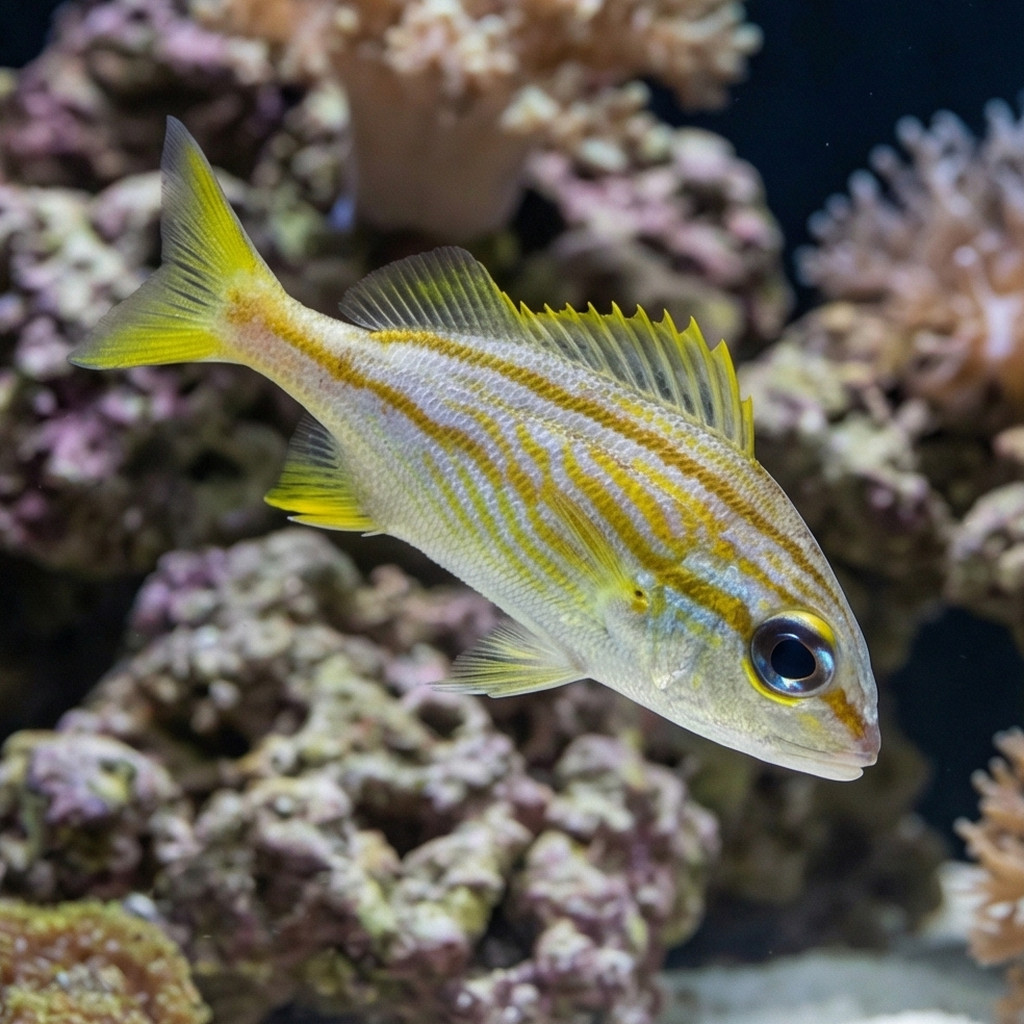
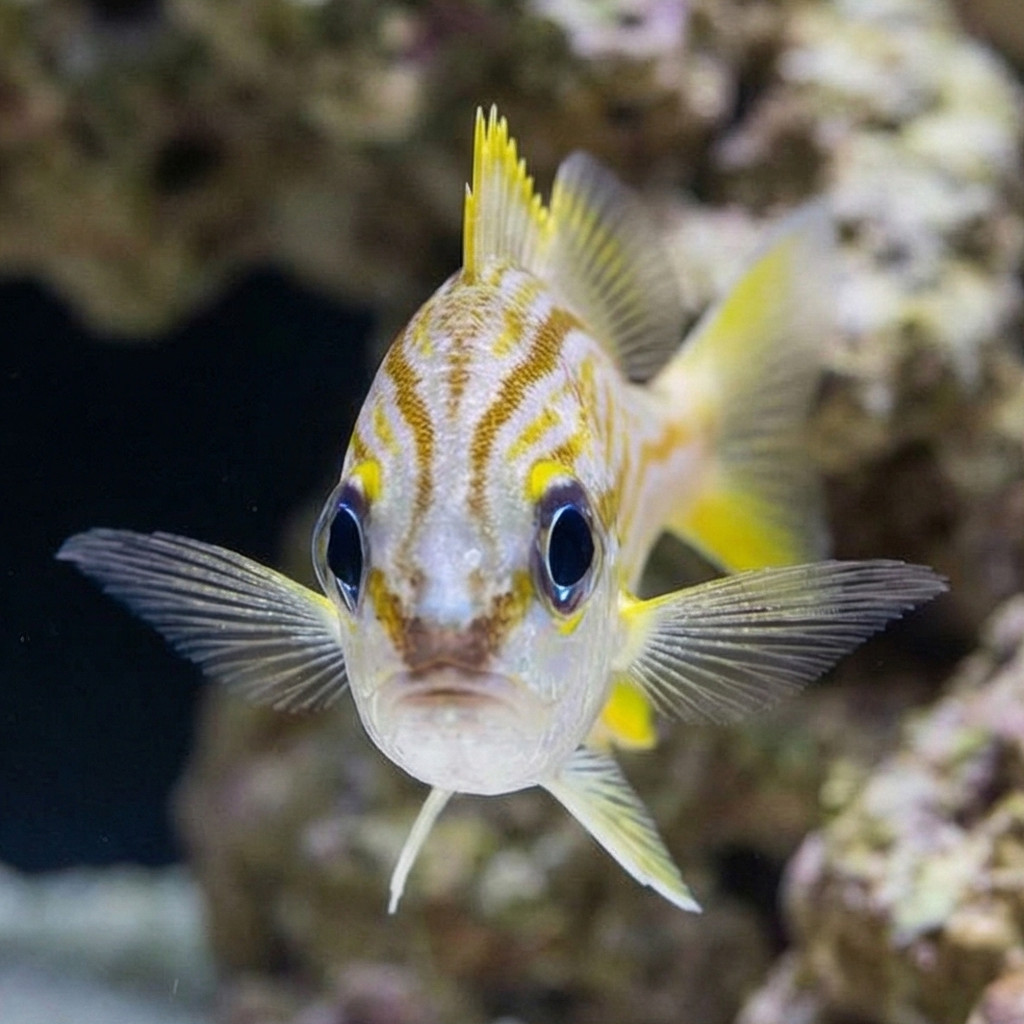
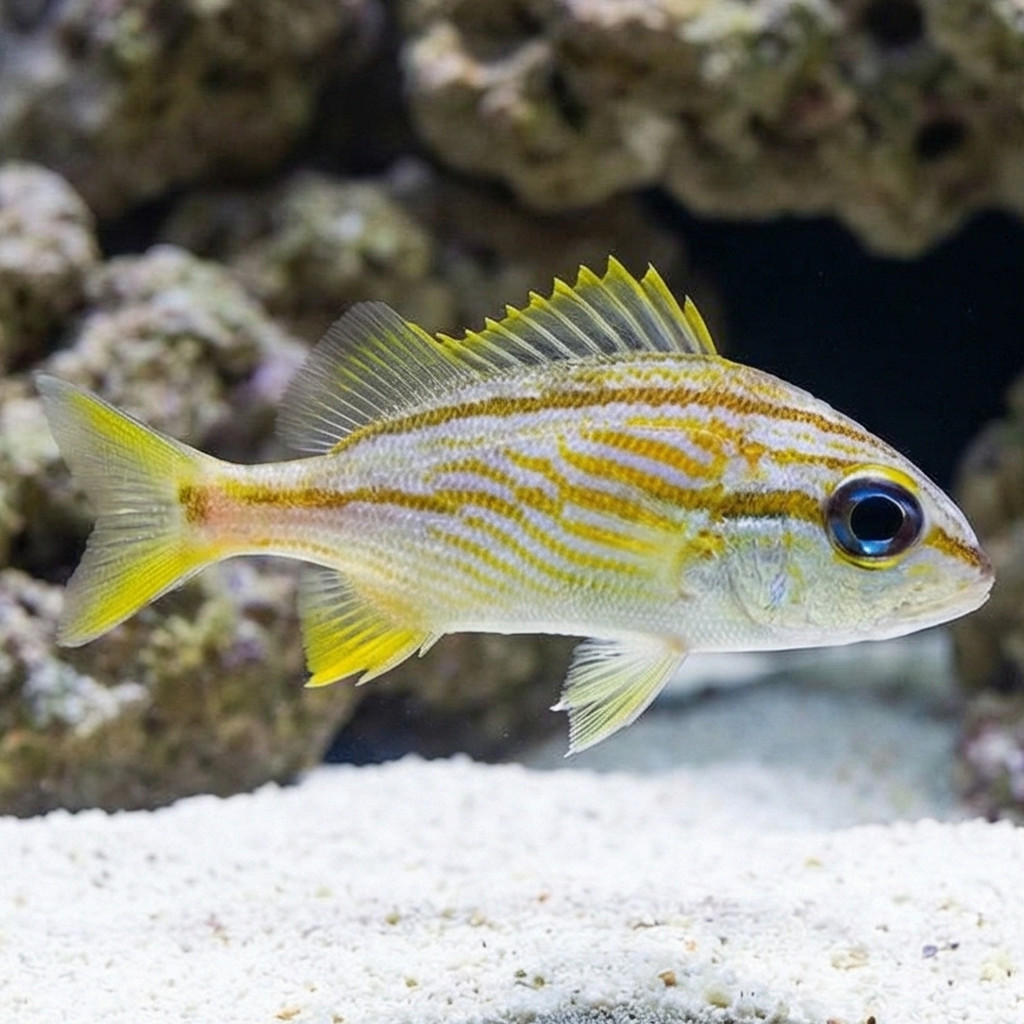
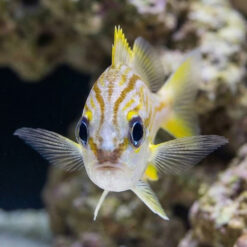
The French Grunt (Haemulon flavolineatum) is a Western Atlantic/Caribbean reef-associated fish with a pale body and bright yellow striping that stands out under reef lighting. In the wild it forms large groups around rocky areas and coral reefs and commonly feeds after dark on small invertebrates.
What You’ll Observe:
- Cruising mid-water, then settling as a group under ledges or along rock overhangs
- A noticeable increase in activity in the evening as it shifts into after lights-out foraging mode
- Consistent, synchronized swimming when kept with another French Grunt (a classic schooling fish look)
- Occasional face-to-face open mouth posturing that looks like kissing but functions as a dominance display
Provide open swimming room with structured rockwork (caves/ledges) so the fish can move freely and still tuck in to rest. Offer small meaty frozen foods and quality pellets on a steady schedule; many specimens transition readily once they recognize the tank as a feeding zone.
How can I tell a French Grunt from a Tomtate or other juvenile grunts?
Juveniles get confused often in hobby photos; look for the French Grunt’s deeper body shape and the way its stripes develop as it matures rather than staying thin and snapper-like.
Do French Grunts change pattern as they grow?
Yes—keepers frequently notice a clear shift from a more muted juvenile look to the brighter adult striping as the fish grows out.
Why are two French Grunts “kissing” with mouths open?
That repeated face-off behavior is commonly described as a dominance/territory interaction rather than pairing behavior.
Do grunts actually make noises?
Many people notice grunting/clicking sounds from grunt-family fish when stressed or handled; in a home tank it’s usually not a constant behavior.
Are captive-bred French Grunts available?
They do appear in captive-bred lists and discussions from time to time, but availability varies—if a listing doesn’t specify captive-bred, assume standard sourcing.
We work with trusted suppliers who keep our specimens healthy and well-fed before shipping.
Recently viewed products