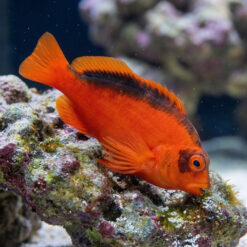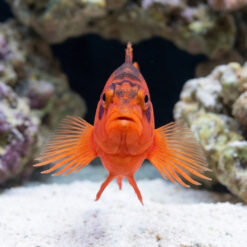
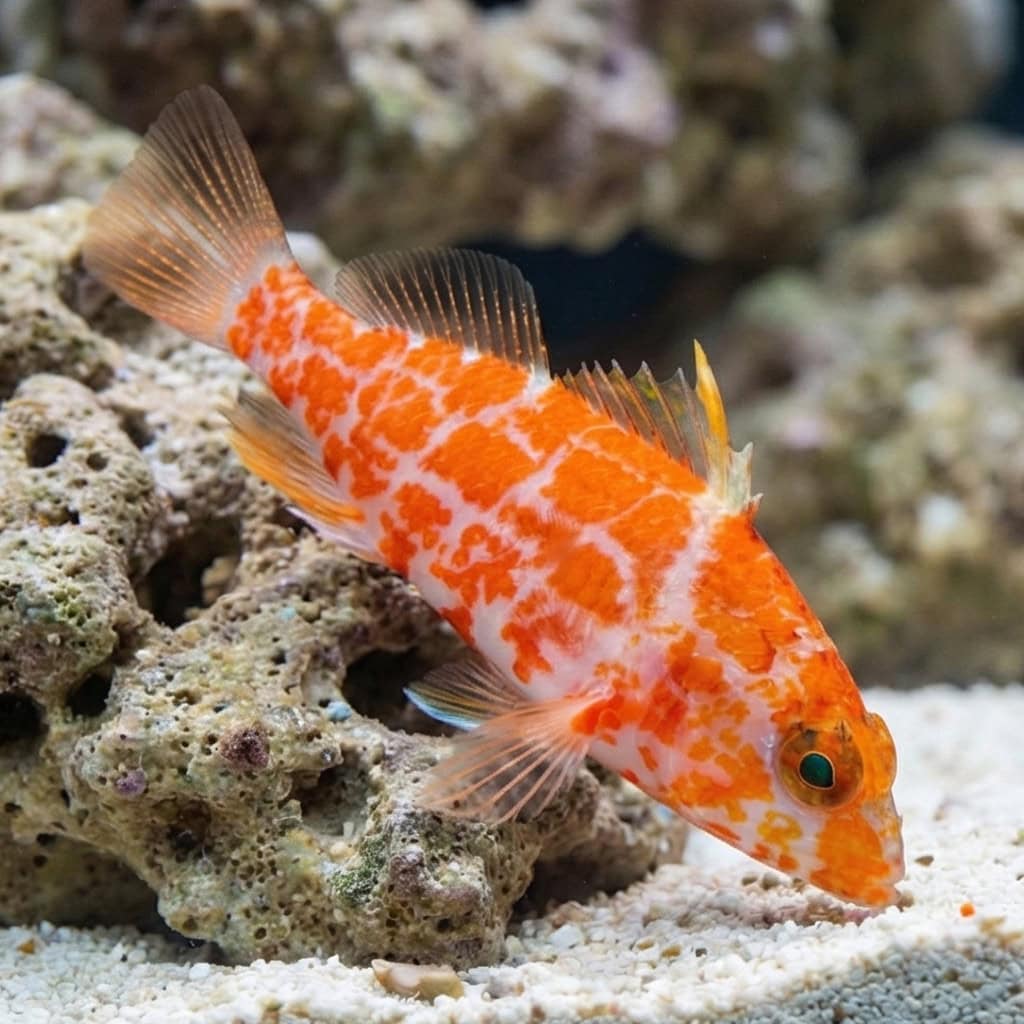
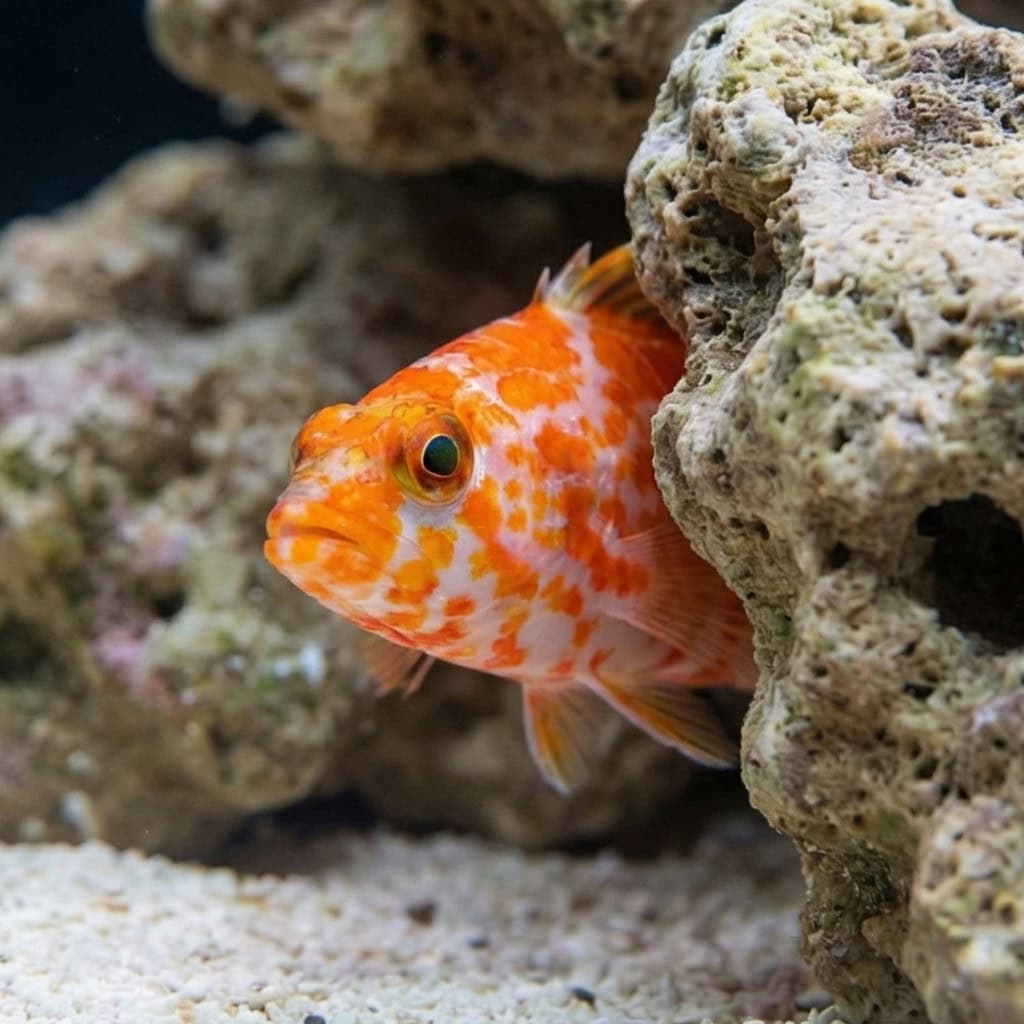
Geometric Pygmy Hawkfish
Plectranthias inermis
Price range: $59.99 through $64.99
| Stock | Variations | Price | Quantity | |
|---|---|---|---|---|
| Only 6 left | 1.25 - 2.25" - Indo-Pacific | Original price was: $122.99.$64.99Current price is: $64.99. |
-
+
|
|
| In Stock | 1.25" or smaller - Indo-Pacific | Original price was: $112.99.$59.99Current price is: $59.99. |
-
+
|
Every order ships with our standard 3-hour live arrival guarantee. Need more time? Add our 5-Day Guarantee at checkout.
Full guarantee terms →Ships Monday – Thursday for next-day arrival at your nearest FedEx Hold location — typically ready by 9 AM. We monitor every delivery.
Shipping details →
Monday – Friday 8 AM – 9 PM
Saturday 12 PM – 4 PM
Sunday 12 PM – 9 PM
Healthy, stable animals from vetted suppliers — inspected before packing, shipped overnight. Decades of experience built this model so we can deliver premium livestock at 30%+ less than you'd pay elsewhere.
| Care Level | Easy |
|---|---|
| Temperament | Peaceful |
| Reef Safe | Yes |
| Functional Benefit | Ornamental Only |
| Diet Type | Carnivore |
| Mininum Tank Size | 20 gallons |
| Max Size | 2 inches |
| Temperature | 72–78°F |
| pH Range | 8.1–8.4 |
| Specific Gravity | 1.022–1.025 |
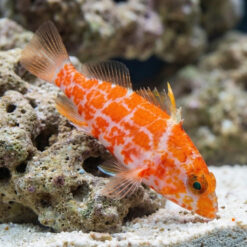
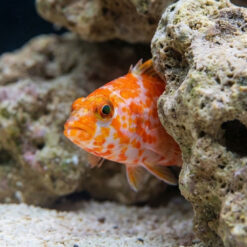
Geometric Pygmy Hawkfish (Plectranthias inermis), also called the Hi Fin Perchlet, is a small serranid from Indo’West Pacific reef areas. It has an orange-and-white geometric pattern, noticeable green eyes, and a tall third dorsal spine with a banner-like flap, so it stands out even when it is perched in the rockwork. In aquariums it behaves more like a tiny hawkfish than a schooling anthias, spending time on ledges and in crevices.
What You’ll Observe:
- Perching on small rock shelves and “hovering” close to structure between feeding times
- Short, quick dashes into the water column when food drifts by
- Regular use of a favorite crevice, with repeated returns to the same perch points
- Becoming most visible and active once it learns your feeding routine
Provide plenty of live rock with multiple shaded perches and small caves so it can settle in and choose a few comfortable spots. Offer small meaty foods (like mysis, enriched brine, and finely chopped seafood) so it can grab bites from the water column near its perch. With a consistent feeding rhythm and calm tankmates, it typically becomes a dependable “perch-and-pounce” fish you’ll see daily.
Why did my Geometric Pygmy Hawkfish “disappear” after I added it?
It’s common for them to stay deep in rockwork at first and only make short appearances. Many keepers notice they become easier to spot once they associate a specific time and place with feeding.
What’s the easiest way to get one started on prepared foods?
Start with small frozen items (mysis/brine) and release food close to its perch so it can make short strikes. A pipette or turkey baster style feeder often helps it connect “food drifting by” with mealtime.
Do they jump or end up in overflows?
They can be surprisingly good at finding gaps while exploring the rockwork, especially early on. A tight-fitting lid and guarded overflow teeth help keep them where you expect to see them.
Will it bother other fish that like to perch or live near the rocks?
Most of the day it stays focused on its own ledges, but it can try to claim a favorite nook. Giving several separated perches and feeding in more than one spot helps everyone settle into their own space.
Can they be kept as a pair?
Some hobbyists report success keeping two together when they’re introduced at the same time and have multiple caves/perches to choose from. In practice, it works best when neither fish has already “claimed” the rockwork first.
Each fish is checked for strong appetite and activity before we approve it for your tank.
Recently viewed products