
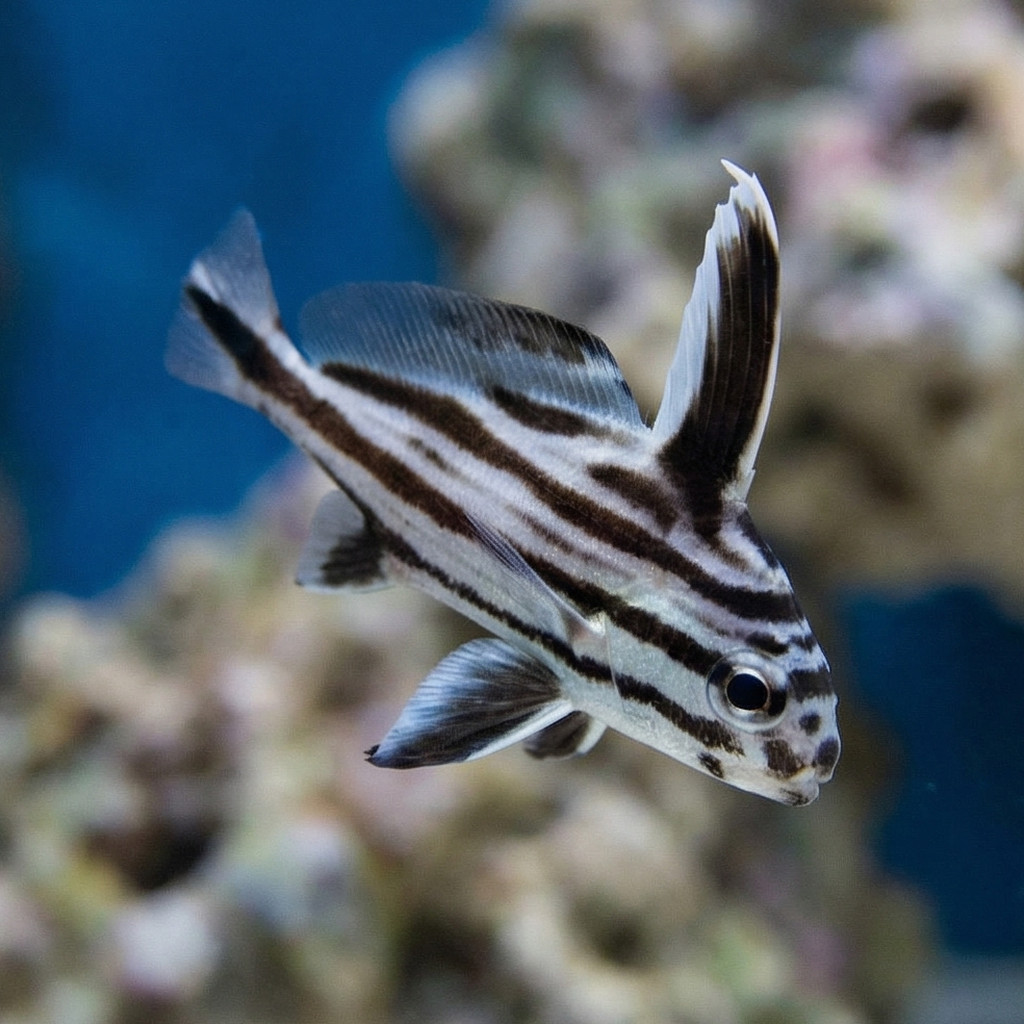
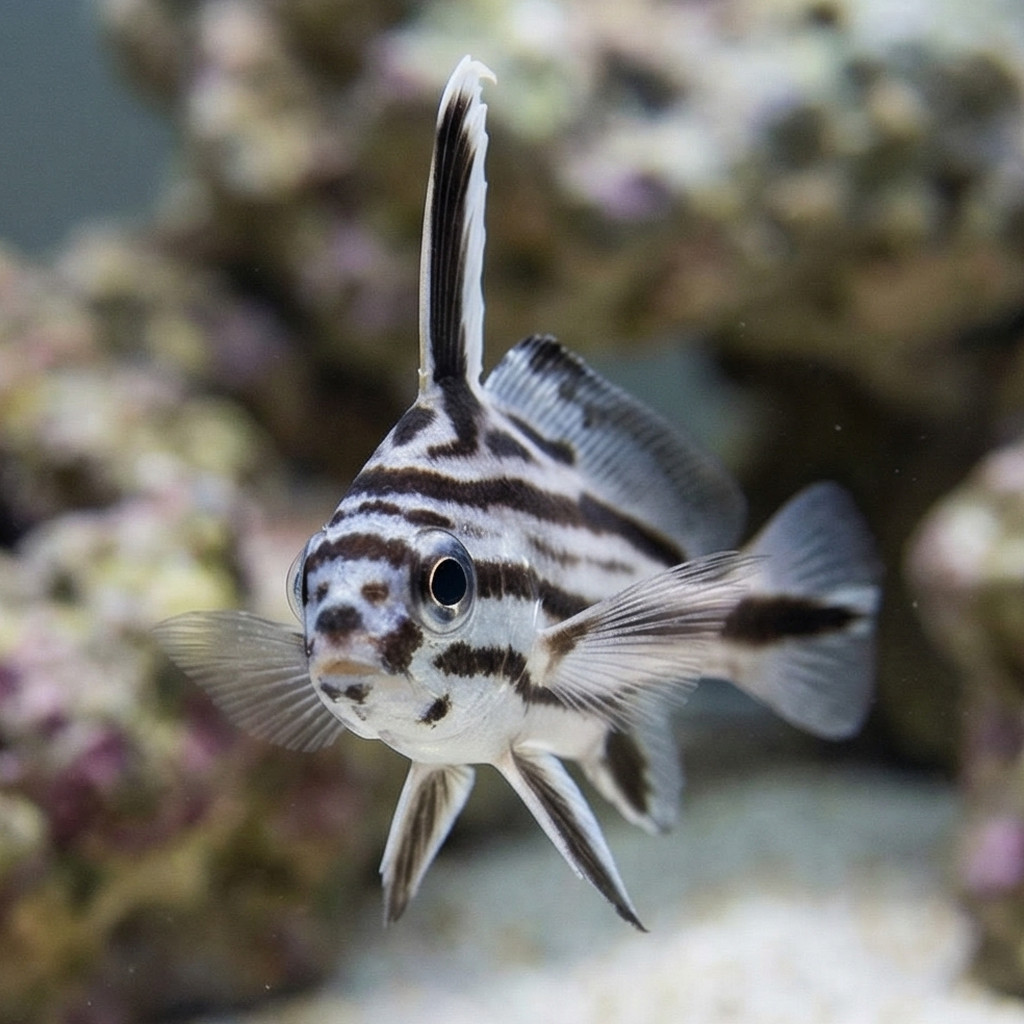
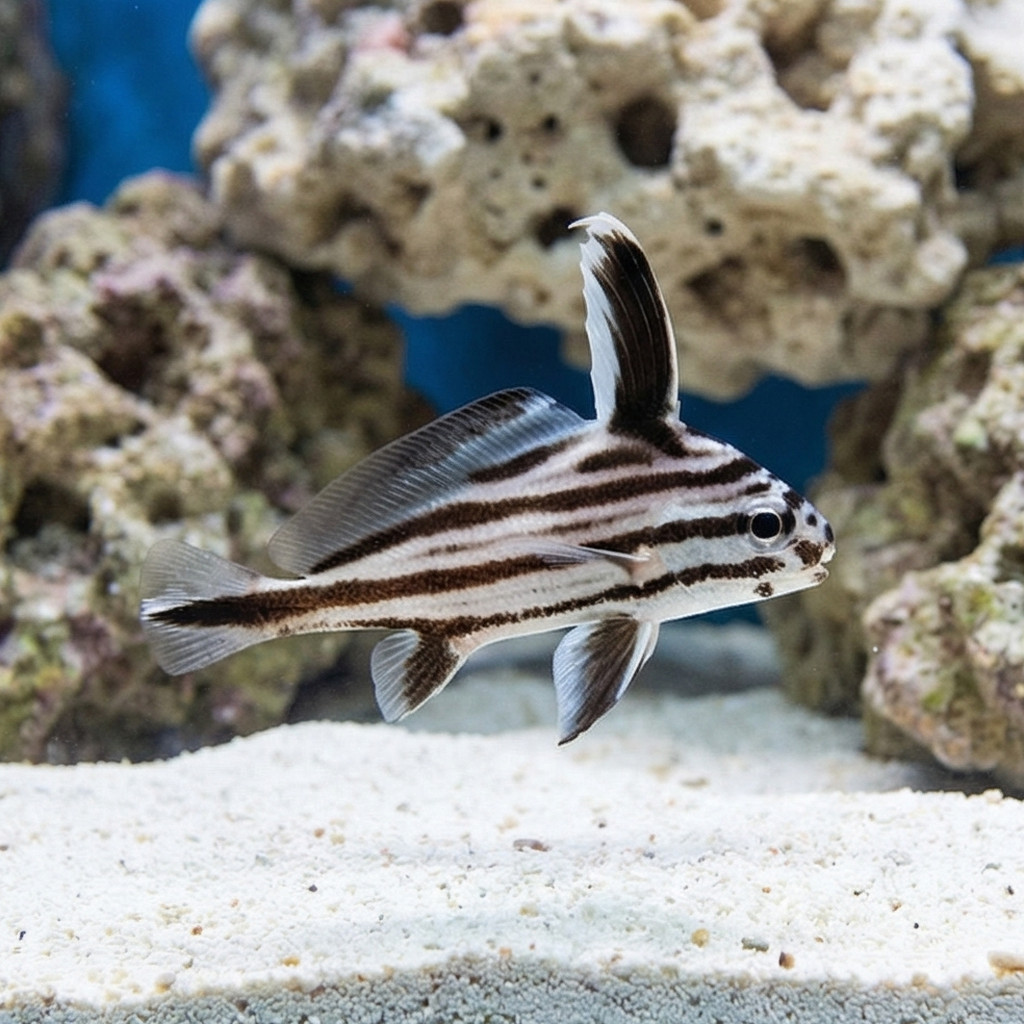
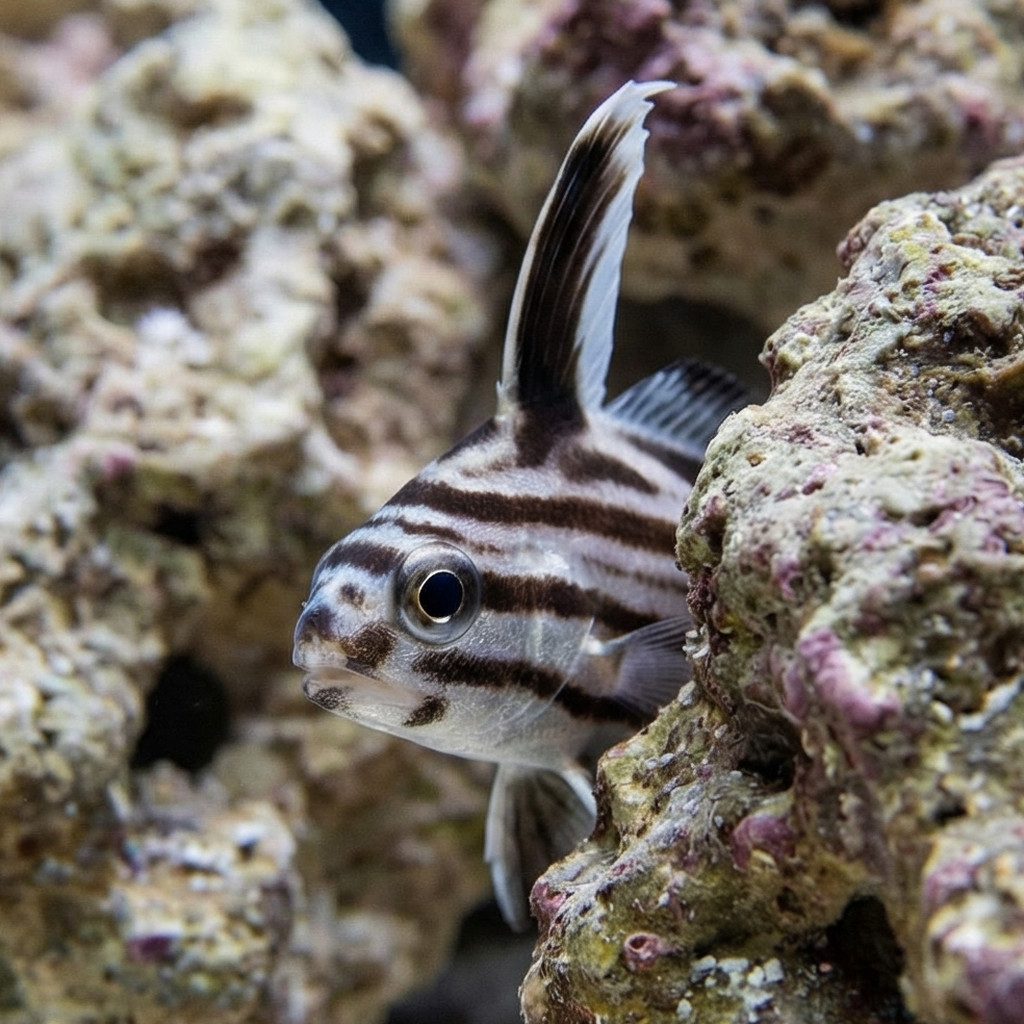
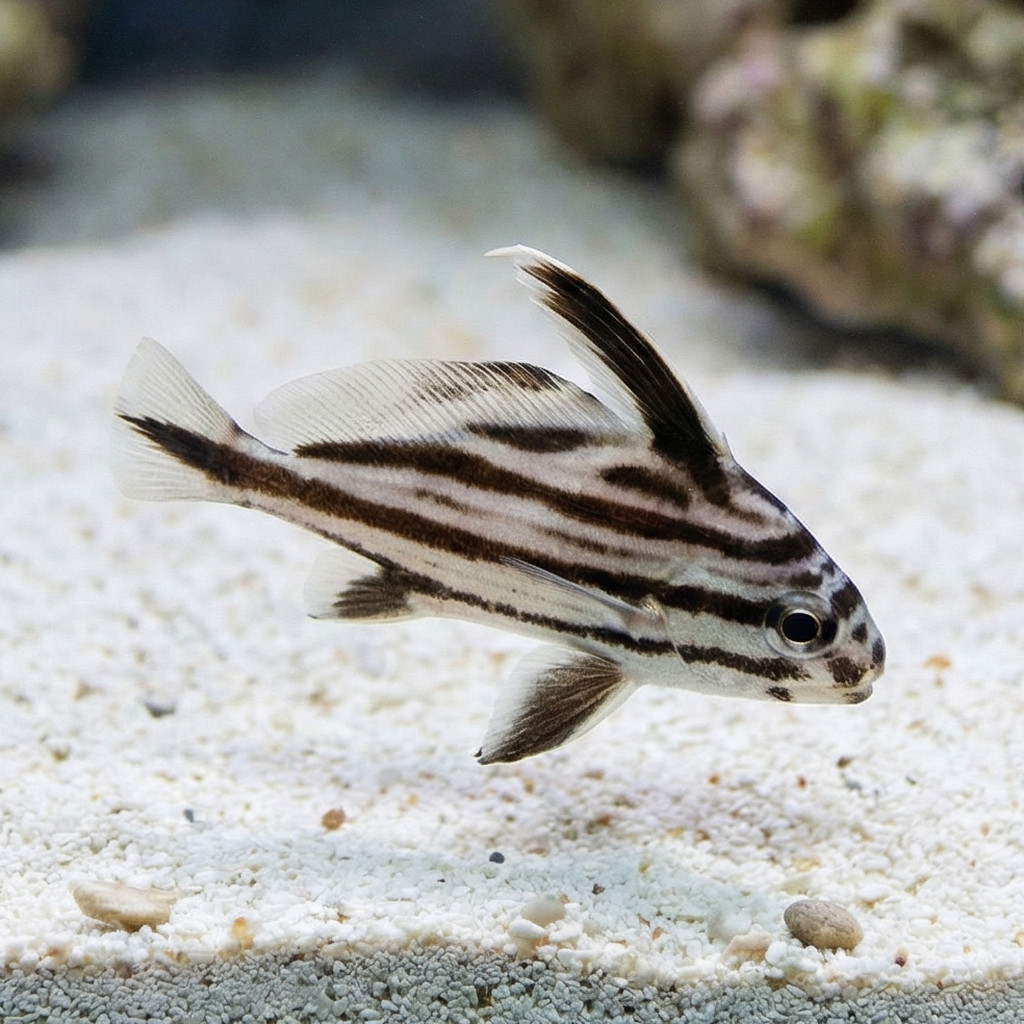
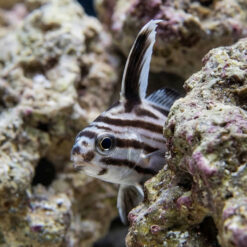
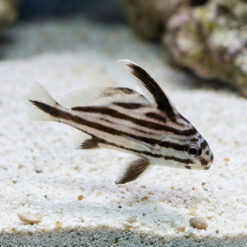
Hi-Hat
Equetus acuminatus
| Stock | Variations | Price | Quantity | |
|---|---|---|---|---|
| Out of Stock | 1.75 - 2.75" - Caribbean | Original price was: $125.99.$65.99Current price is: $65.99. | Email me |
Every order ships with our standard 3-hour live arrival guarantee. Need more time? Add our 5-Day Guarantee at checkout.
Full guarantee terms →Ships Monday – Thursday for next-day arrival at your nearest FedEx Hold location — typically ready by 9 AM. We monitor every delivery.
Shipping details →
Monday – Friday 8 AM – 9 PM
Saturday 12 PM – 4 PM
Sunday 12 PM – 9 PM
Healthy, stable animals from vetted suppliers — inspected before packing, shipped overnight. Decades of experience built this model so we can deliver premium livestock at 30%+ less than you'd pay elsewhere.
| Care Level | Moderate |
|---|---|
| Temperament | Peaceful |
| Reef Safe | With Caution |
| Functional Benefit | Ornamental Only |
| Diet Type | Carnivore |
| Mininum Tank Size | 70 gallons |
| Max Size | 10 inches |
| Temperature | 72–78°F |
| pH Range | 8.1–8.4 |
| Specific Gravity | 1.022–1.025 |
The Hi-Hat (Equetus acuminatus) is a black-and-white striped drumfish with a tall, “hat-like” first dorsal fin and a compact, deep body shape. It’s a Western Atlantic species often associated with Caribbean reef structure, sandy edges, and rubble zones.
What You’ll Observe:
- A “hover and glide” swimming style, often close to rock faces
- Short feeding dashes, then returning to the same area to cruise
- More activity in lower-light hours as it settles into your routine
- Foraging passes over sand and rubble, pausing to investigate crevices
- A consistent home-base behavior, choosing a preferred ledge or overhang
Provide a peaceful tank with caves/overhangs and open sand nearby so it can settle in and patrol naturally. Offer meaty foods like mysis, finely chopped shrimp/seafood, and other small marine-based items in smaller portions (especially early on) so it learns your feeding schedule. With steady conditions and predictable feeding, it becomes a reliable, day-to-day presence in the lower half of the aquarium.
Is “Hi-Hat” the same fish as “High Hat,” and why do names vary?
Both names get used in the hobby; “High Hat” is common because the tall dorsal fin looks like a hat. It’s also frequently confused with spotted drums and jackknife fish due to similar body shape.
Why does mine stay hidden for a while after introduction?
Many owners report an extended “settling in” phase where the fish chooses a home crevice and watches the tank before roaming more openly. A consistent light schedule and calm feeding routine usually helps it show itself more often.
What’s the easiest way to get a new Hi-Hat eating prepared foods?
Hobbyists often start with highly tempting, small meaty options (live or frozen), then mix in mysis and other frozen foods once it’s coming out reliably. Feeding in the same area each time helps it learn where food appears.
Do adult Hi-Hats always keep crisp stripes?
Some keepers notice the pattern can look darker or less crisp depending on age, lighting, and how the fish is positioned against rockwork. The contrast is usually most obvious when the fish is fully relaxed and out in the open.
Why do people recommend buying a medium juvenile instead of a very small or very large specimen?
A recurring theme is that medium juveniles tend to transition to aquarium life more consistently than extremes in size. Many aquarists aim for a fish that’s clearly established and feeding before it ever comes home.
We work with trusted suppliers who keep our specimens healthy and well-fed before shipping.
Recently viewed products