
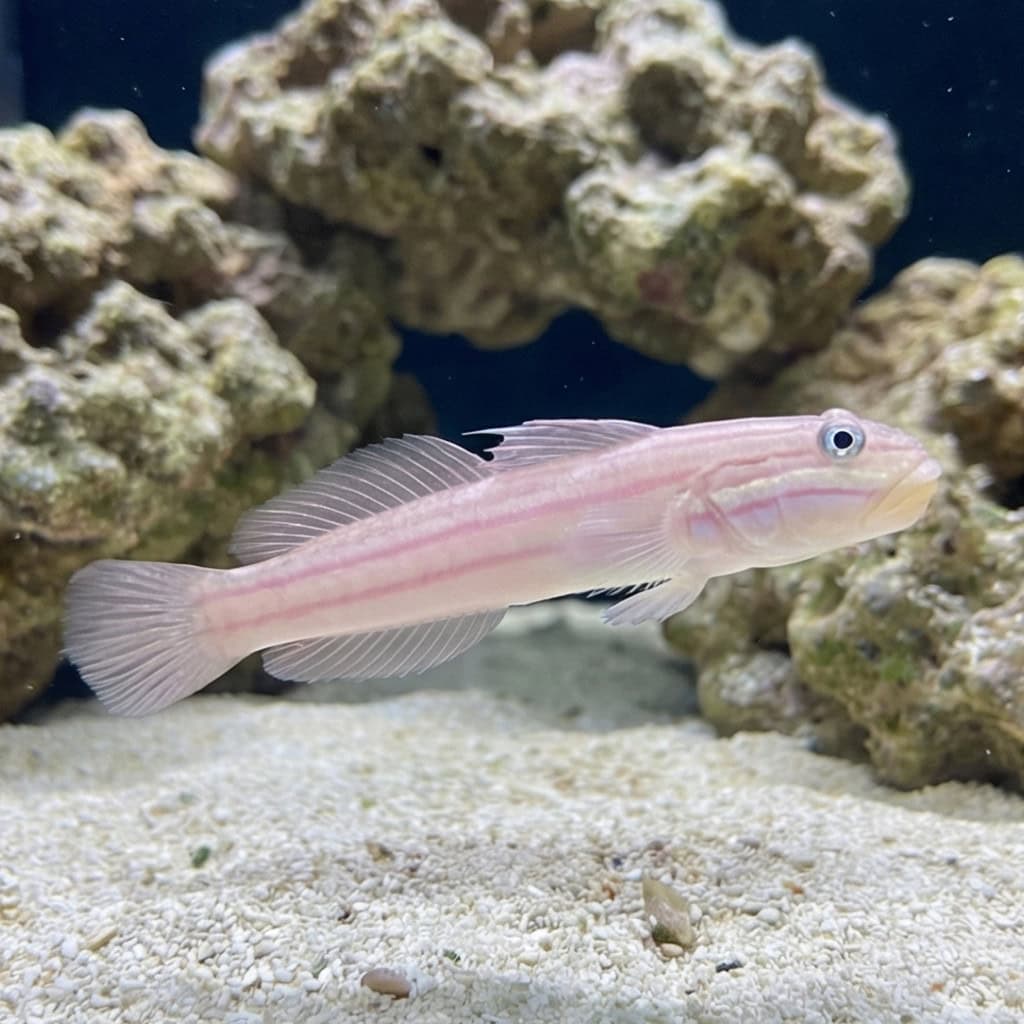
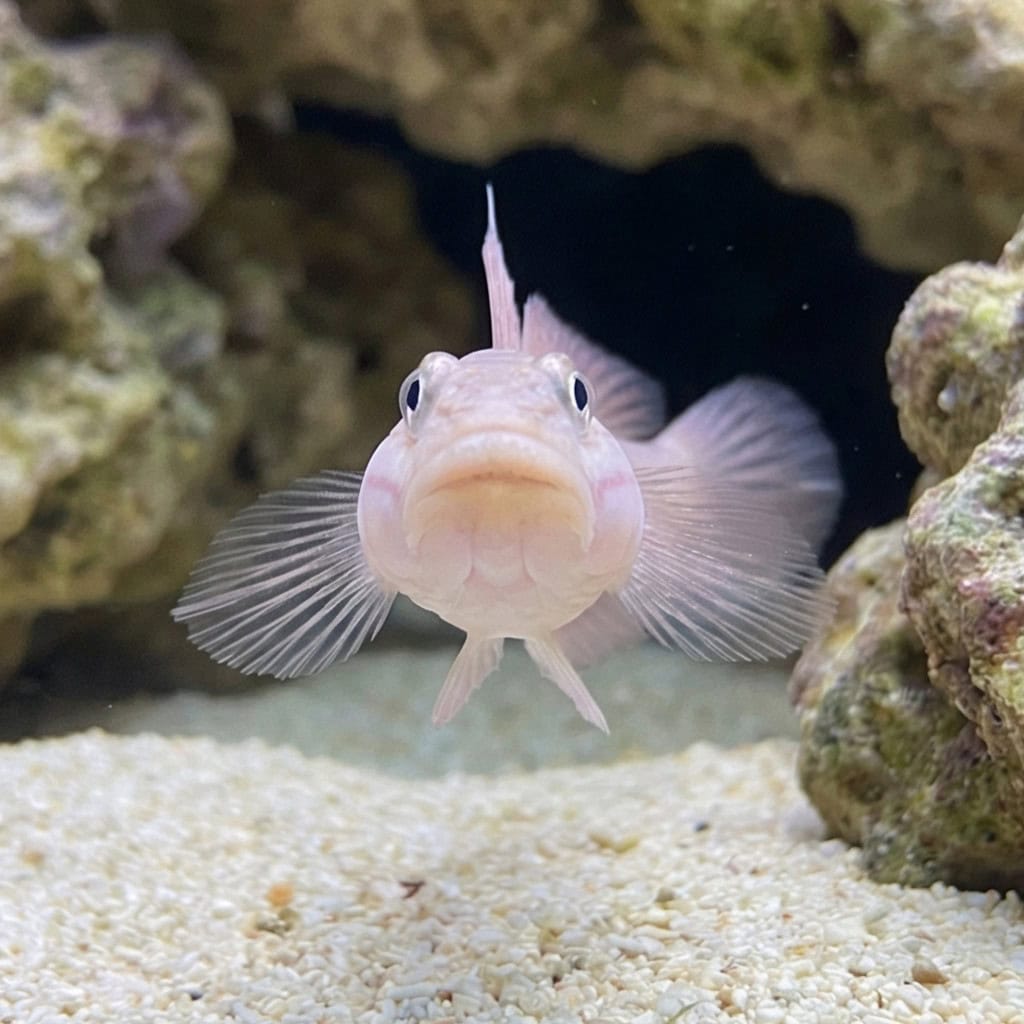
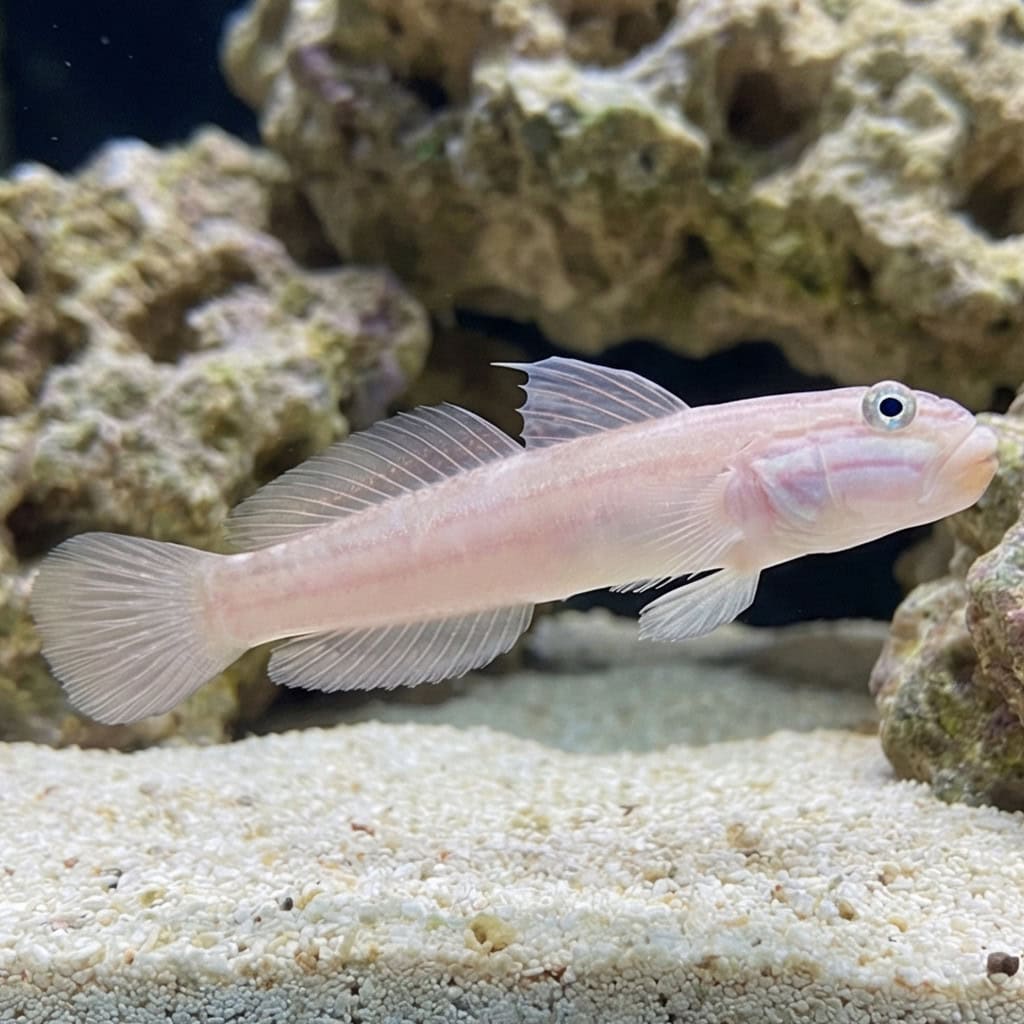
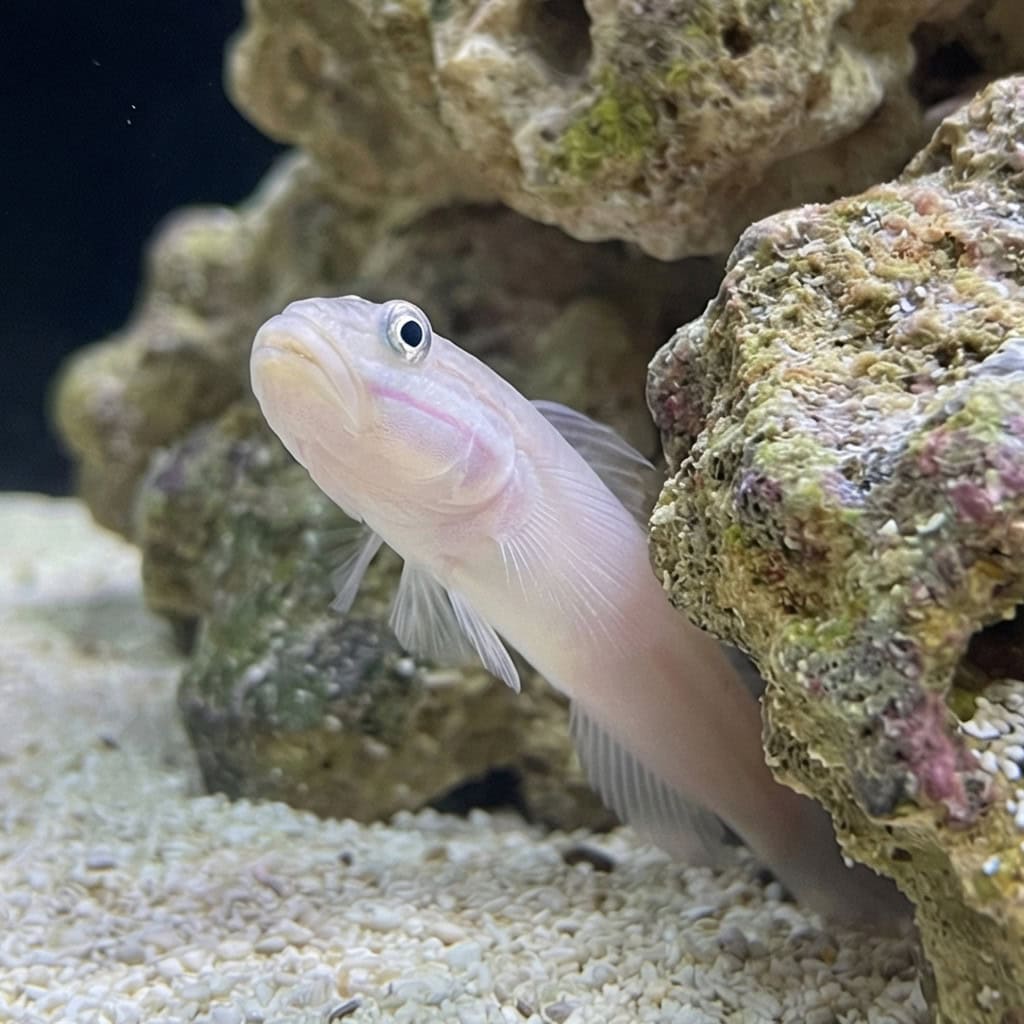
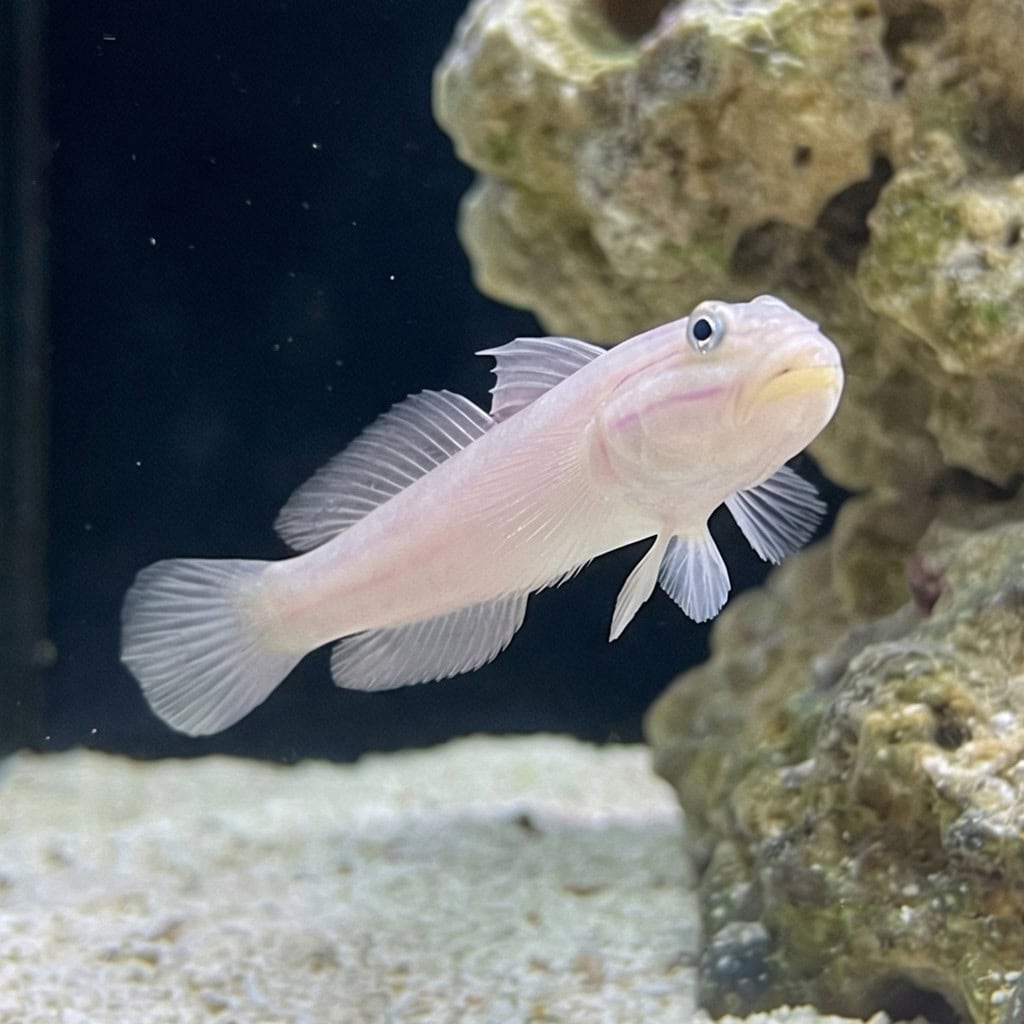
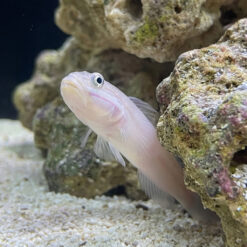
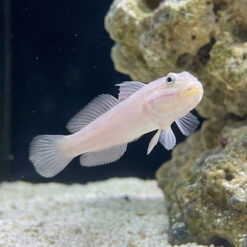
Mural (Striped) Sleeper Goby
Valenciennea muralis
| Stock | Variations | Price | Quantity | |
|---|---|---|---|---|
| Out of Stock | Medium - Indo-Pacific | Original price was: $93.99.$48.99Current price is: $48.99. | Email me |
Every order ships with our standard 3-hour live arrival guarantee. Need more time? Add our 5-Day Guarantee at checkout.
Full guarantee terms →Ships Monday – Thursday for next-day arrival at your nearest FedEx Hold location — typically ready by 9 AM. We monitor every delivery.
Shipping details →
Monday – Friday 8 AM – 9 PM
Saturday 12 PM – 4 PM
Sunday 12 PM – 9 PM
Healthy, stable animals from vetted suppliers — inspected before packing, shipped overnight. Decades of experience built this model so we can deliver premium livestock at 30%+ less than you'd pay elsewhere.
| Care Level | Moderate |
|---|---|
| Temperament | Peaceful |
| Reef Safe | Yes |
| Functional Benefit | Sand Sifting |
| Diet Type | Carnivore |
| Mininum Tank Size | 30 gallons |
| Max Size | 6 inches |
| Temperature | 72–78°F |
| pH Range | 8.1–8.4 |
| Specific Gravity | 1.022–1.025 |
The Mural (Striped) Sleeper Goby (Valenciennea muralis) is a sand-sifting goby that constantly takes mouthfuls of substrate, filters out tiny edible particles, and releases clean sand back into the bed. Its long, streamlined body and broken horizontal striping give it the classic “striped sleeper goby” look commonly searched for by reef tank hobbyists.
What You’ll Observe:
- Short patrols across open sand, with frequent “sip-and-sift” mouthfuls taken as it moves
- A chosen home base (often under a rock edge) where it maintains a burrow and small sand mounds
- Sand being pushed and shaped into new paths and piles as part of its daily routine
- Quick, purposeful dashes back to the burrow, followed by reappearing to resume sifting
To succeed with this goby, provide a stable rockscape (placed securely) and an open sand zone with fine-to-medium grains so it can sift comfortably. Offer small meaty foods regularly (like mysis and other finely sized frozen foods) so it gets consistent nutrition while it works the sand bed. With a settled layout and steady feeding, it becomes a reliable, active sand-sifter you’ll see throughout the day.
Will it bury or dust nearby corals with sand?
It can toss sand while sifting and while building around its burrow. Most hobbyists simply keep lower frags a little farther from its main “work zone” so sand stays where you want it.
Is it normal for it to “vanish” for a while after going in the tank?
Yes—many sleeper gobies spend time settling into a chosen burrow and may be much less visible while they establish that spot. Once it has a routine, it typically resumes regular sand patrols.
Can it be kept with firefish or other dartfish?
Often yes, but some hobbyists report a short adjustment period where the sleeper goby pushes other bottom-area fish away from its immediate space. Extra hiding places and clear zones usually help everything settle in.
Why do photos online look like two different “striped sleeper gobies”?
This group is frequently confused in the hobby, and similar-looking Valenciennea species get mixed under common names. If you’re comparing pictures, look for overall body pattern and head markings rather than a single stripe detail.
Does it “need a buddy,” or can it be kept solo?
Most are kept singly in reef tanks and do well that way, especially in mixed-community setups. When a true bonded pair is available, some aquarists keep pairs, but a single specimen is the most common approach.
Each fish is checked for strong appetite and activity before we approve it for your tank.
Recently viewed products