
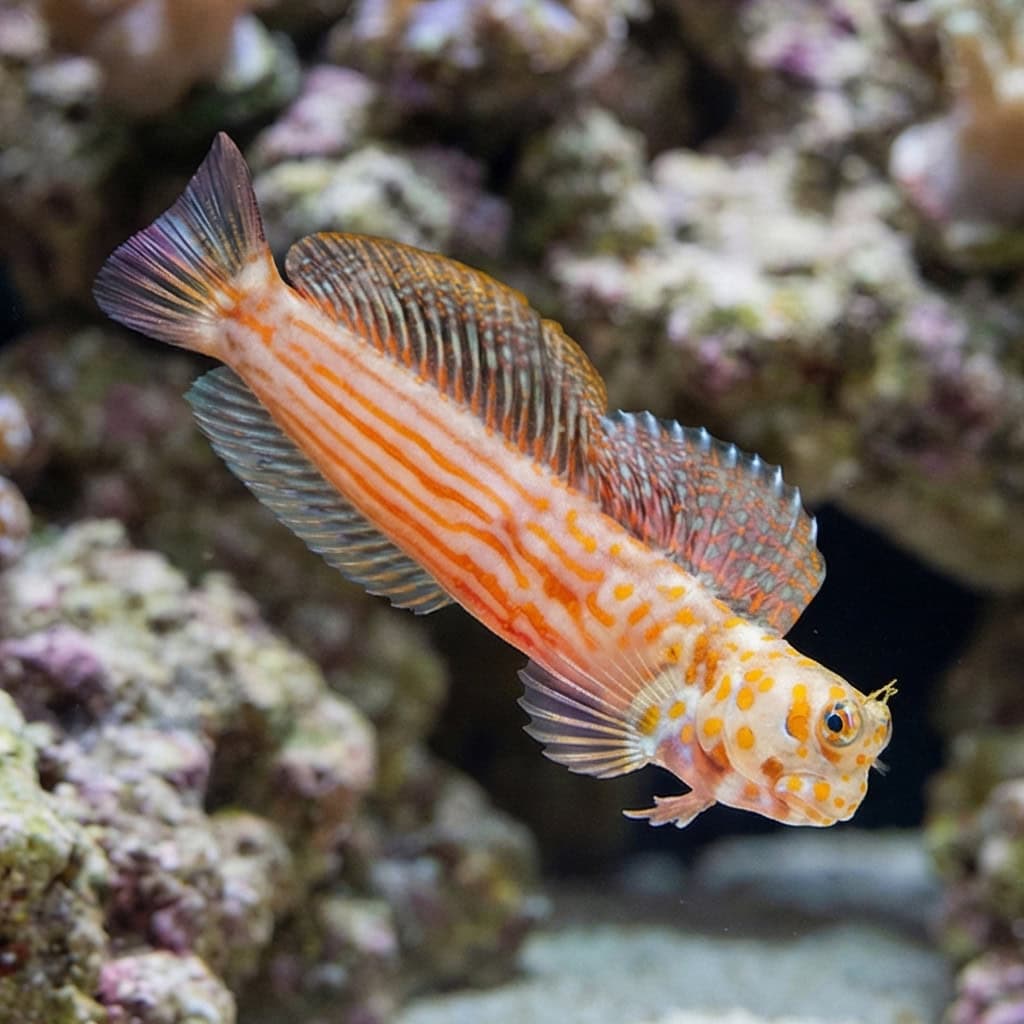
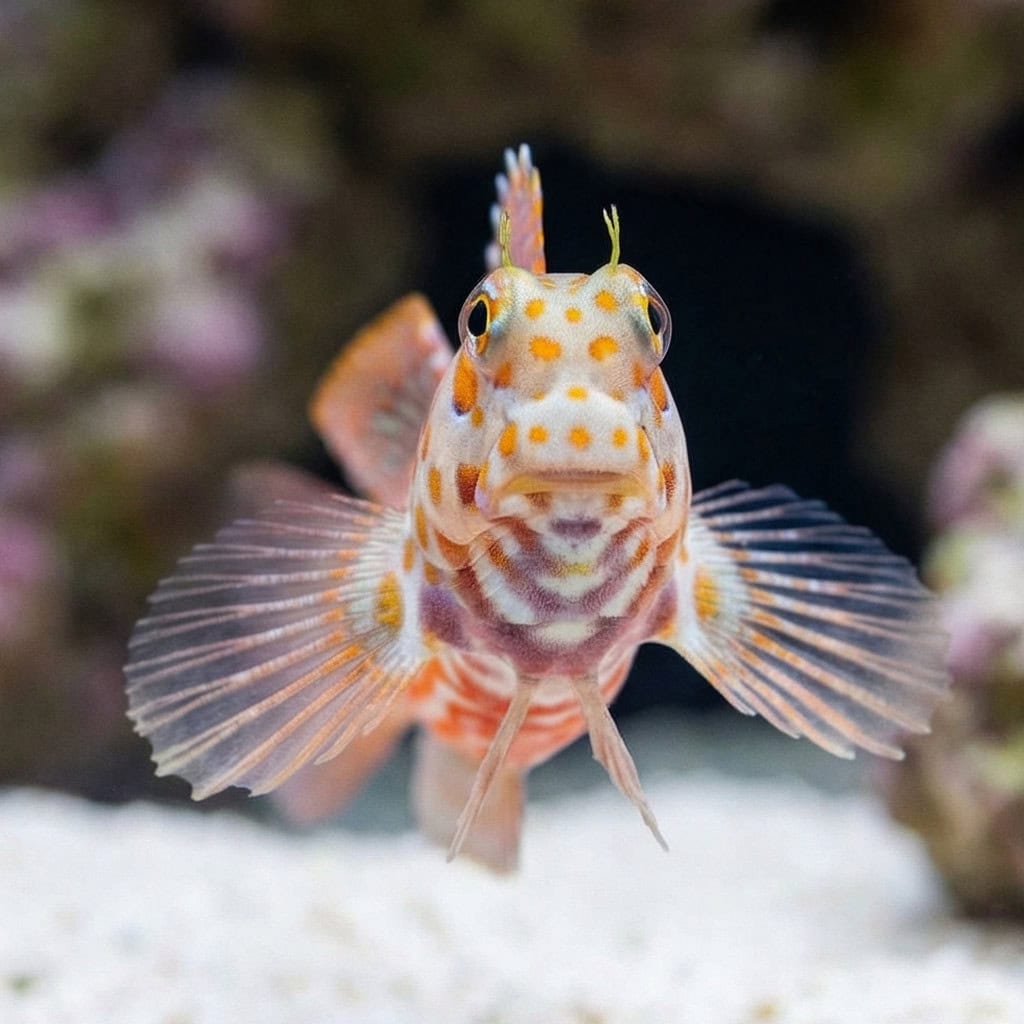
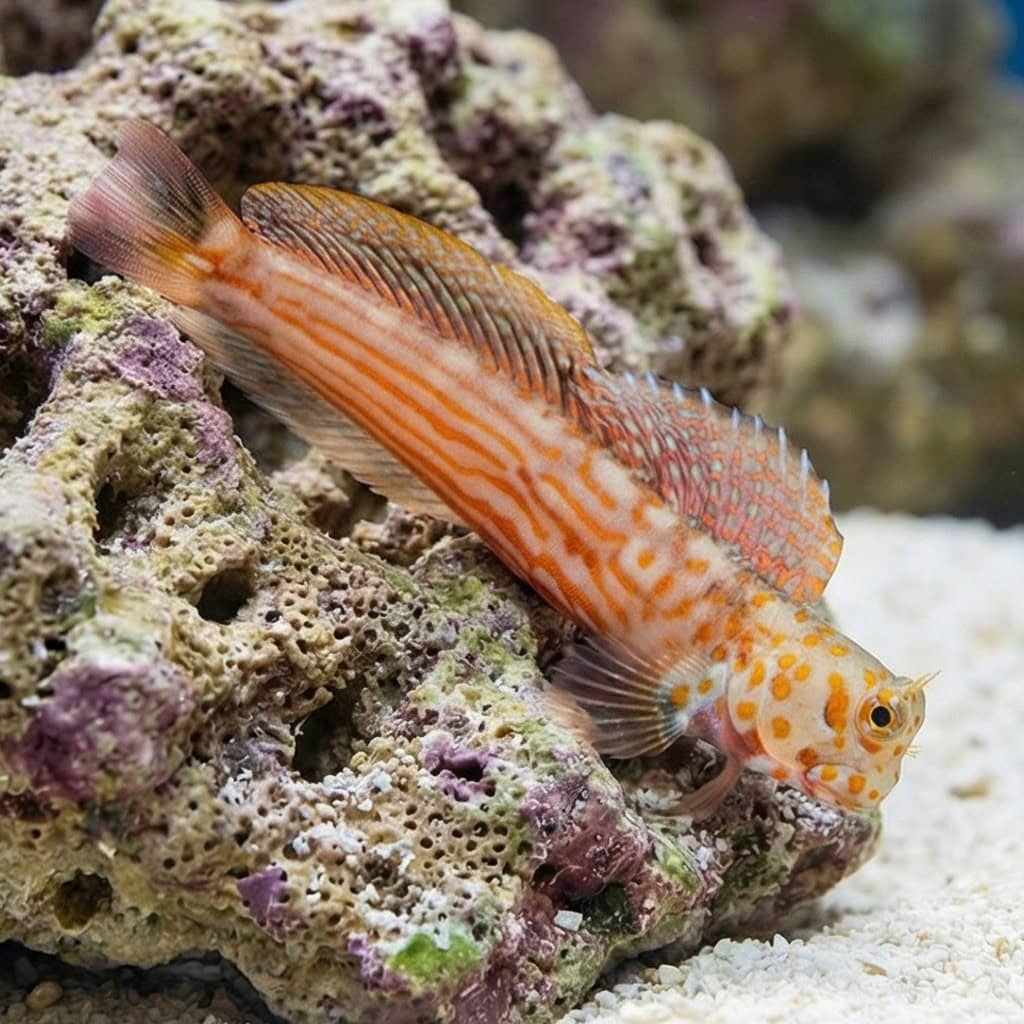
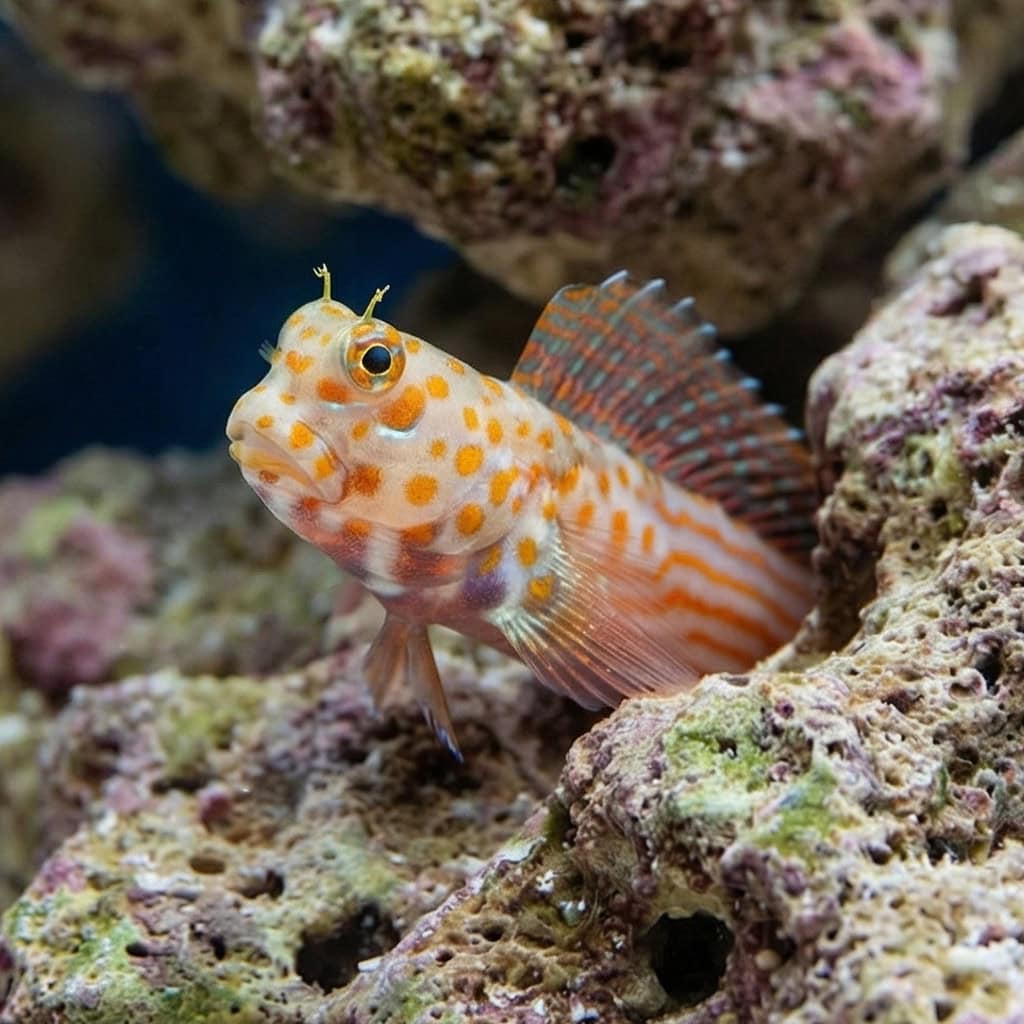
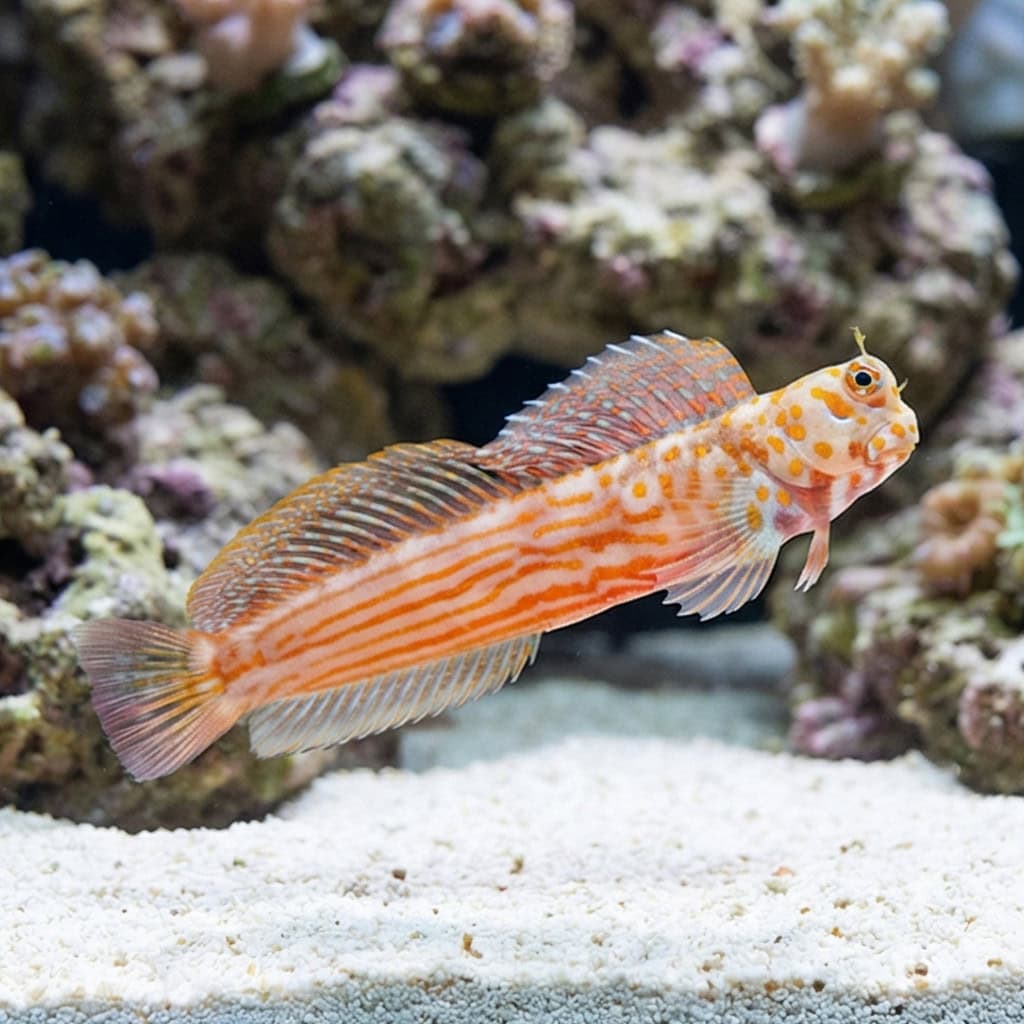
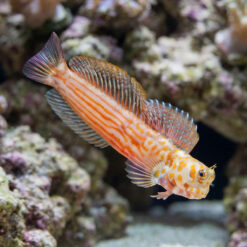
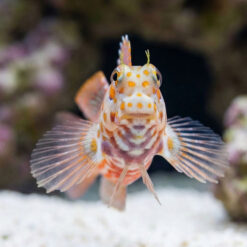
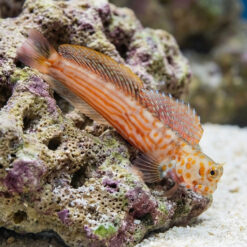
Orange Spotted Blenny
Blenniella chrysospilos
| Stock | Variations | Price | Quantity | |
|---|---|---|---|---|
| Out of Stock | 3.5 - 4.75" - Indian Ocean | Original price was: $88.99.$46.99Current price is: $46.99. | Email me | |
| Out of Stock | 2.25 - 3.5" - Indian Ocean | Original price was: $84.99.$44.99Current price is: $44.99. | Email me |
Every order ships with our standard 3-hour live arrival guarantee. Need more time? Add our 5-Day Guarantee at checkout.
Full guarantee terms →Ships Monday – Thursday for next-day arrival at your nearest FedEx Hold location — typically ready by 9 AM. We monitor every delivery.
Shipping details →
Monday – Friday 8 AM – 9 PM
Saturday 12 PM – 4 PM
Sunday 12 PM – 9 PM
Healthy, stable animals from vetted suppliers — inspected before packing, shipped overnight. Decades of experience built this model so we can deliver premium livestock at 30%+ less than you'd pay elsewhere.
| Care Level | Moderate |
|---|---|
| Temperament | Semi-Aggressive |
| Reef Safe | With Caution |
| Functional Benefit | Algae Control |
| Diet Type | Omnivore |
| Mininum Tank Size | 30 gallons |
| Max Size | 5 inches |
| Temperature | 72–78°F |
| pH Range | 8.1–8.4 |
| Specific Gravity | 1.022–1.025 |
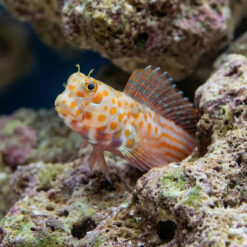
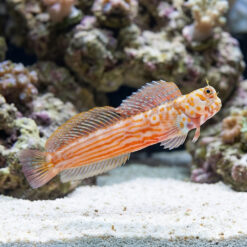
The Orange Spotted Blenny (Blenniella chrysospilos), also commonly seen as the Red-spotted/Redspotted Blenny or Redspotted Rockskipper, is a reef-associated combtooth blenny known for grazing microalgae and films on rockwork. Adults typically show a pale tan-gray base with orange spotting/striping and a long, comb-like dorsal fin.
What You’ll Observe:
- Spending long periods “posted up” at the mouth of a favorite crevice with just its head visible
- Quick, darting swims between nearby rocks, then returning to the same lookout spot
- Regular browsing passes across rock surfaces as it picks at natural growth
- Investigating caves and burrows and sometimes trying to adopt an already-claimed “home”
To do well long-term, provide mature live rock with multiple tight crevices and some natural microalgae to graze, plus open perching spots it can return to. Offer a mix of algae-based foods (like nori/spirulina options) and small frozen foods so it can take repeated bites throughout the day. If you keep jawfish or shrimp gobies, spread out shelters so each fish can settle into its own home base.
How can I tell an Orange Spotted Blenny from a Tailspot Blenny?
Hobbyists commonly note that shops mislabel them; the Orange Spotted Blenny is more heavily spotted overall, while Tailspot Blennies are usually identified by a distinct single tail “spot” and different body patterning.
Is it normal for it to “vanish” into the rocks after introduction?
Yes’many keepers report that it quickly chooses a crevice and spends a lot of time tucked in with just the face showing while it maps the tank.
Why is it trying to move into another fish’s burrow or cave?
This species often tests and claims prime shelters; in mixed bottom-dweller tanks, extra caves/holes usually helps everyone settle into separate “home bases.”
What if it ignores food at first but looks active?
Keepers often report a short “settling” period; offering small portions more than once (and giving it time near its chosen rock perch) helps it join feeding routines.
Is it normal for it to perch on equipment like powerheads?
Some owners report their blennies perching in high-flow spots; using appropriate pump guards/screens can keep fish and equipment protected during normal operation and maintenance.
Each fish is checked for strong appetite and activity before we approve it for your tank.
Recently viewed products