
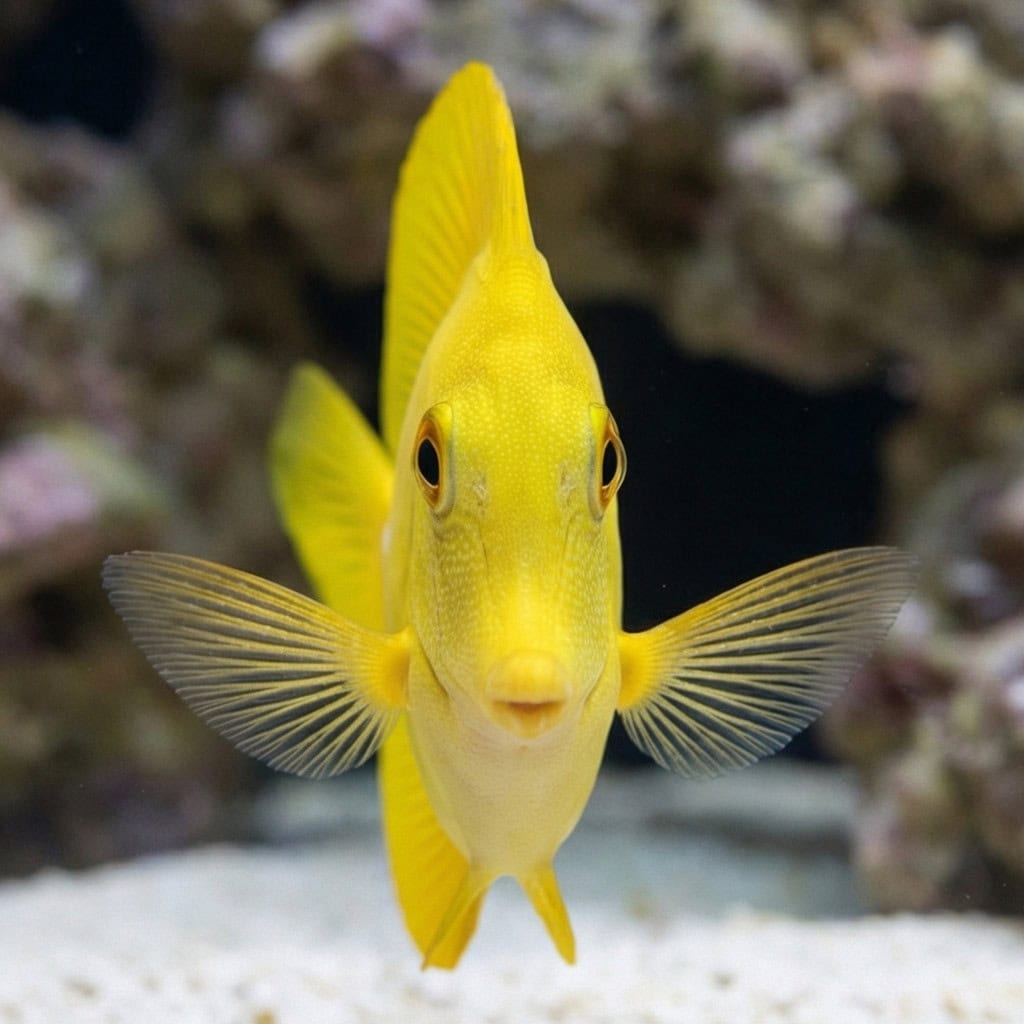
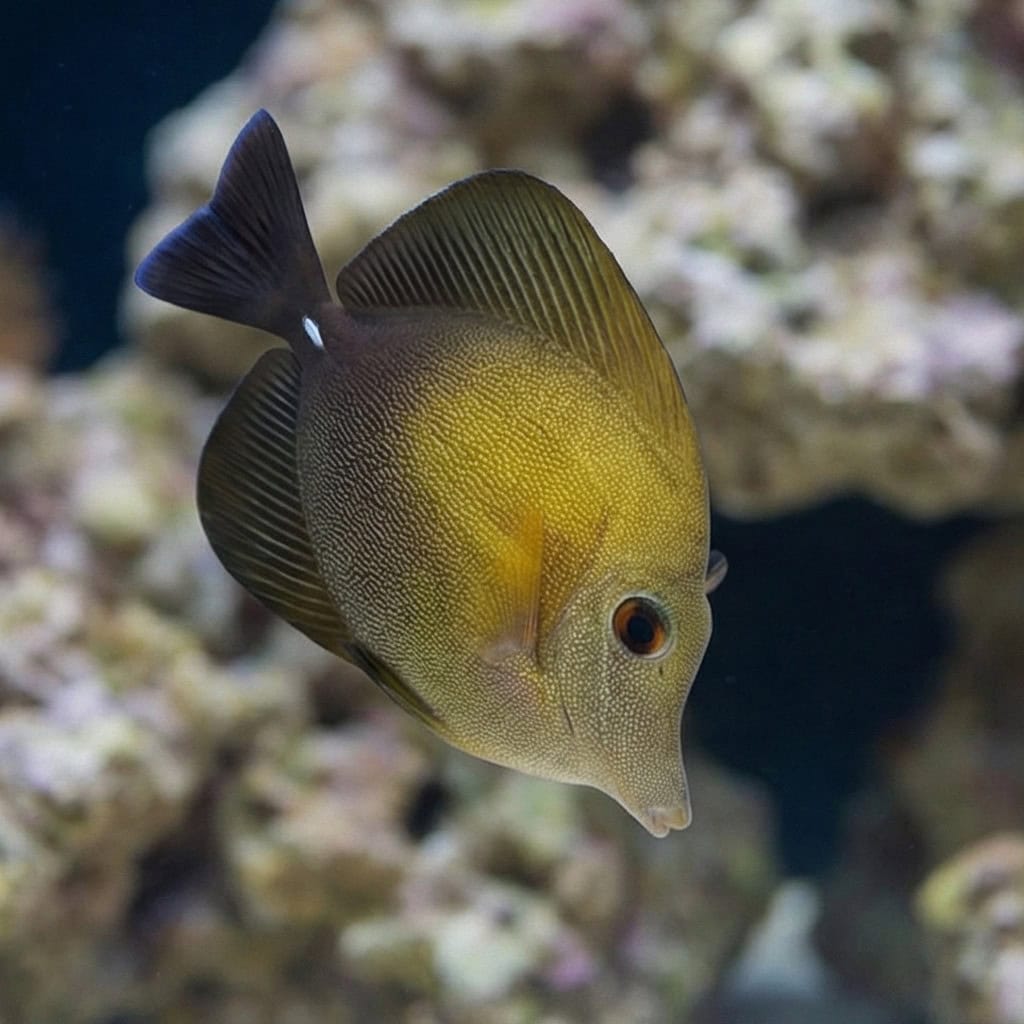
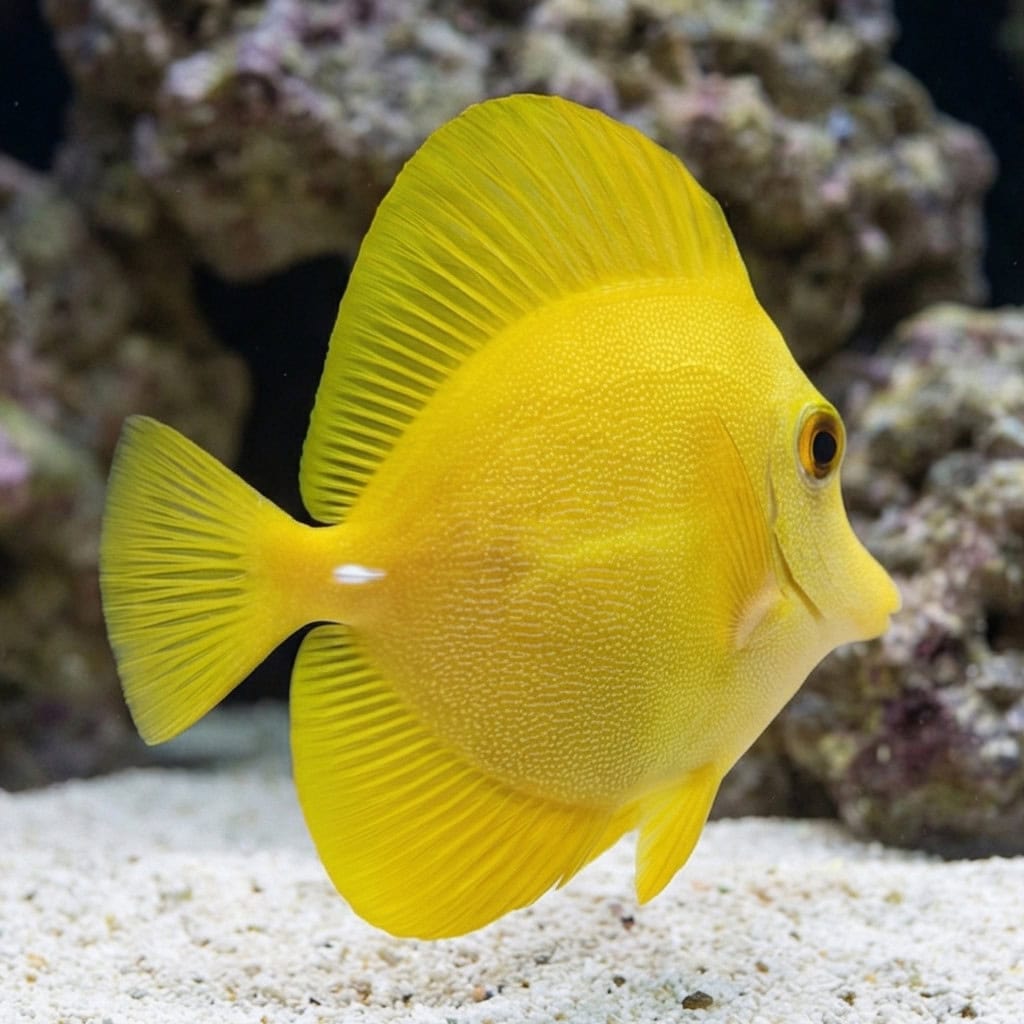
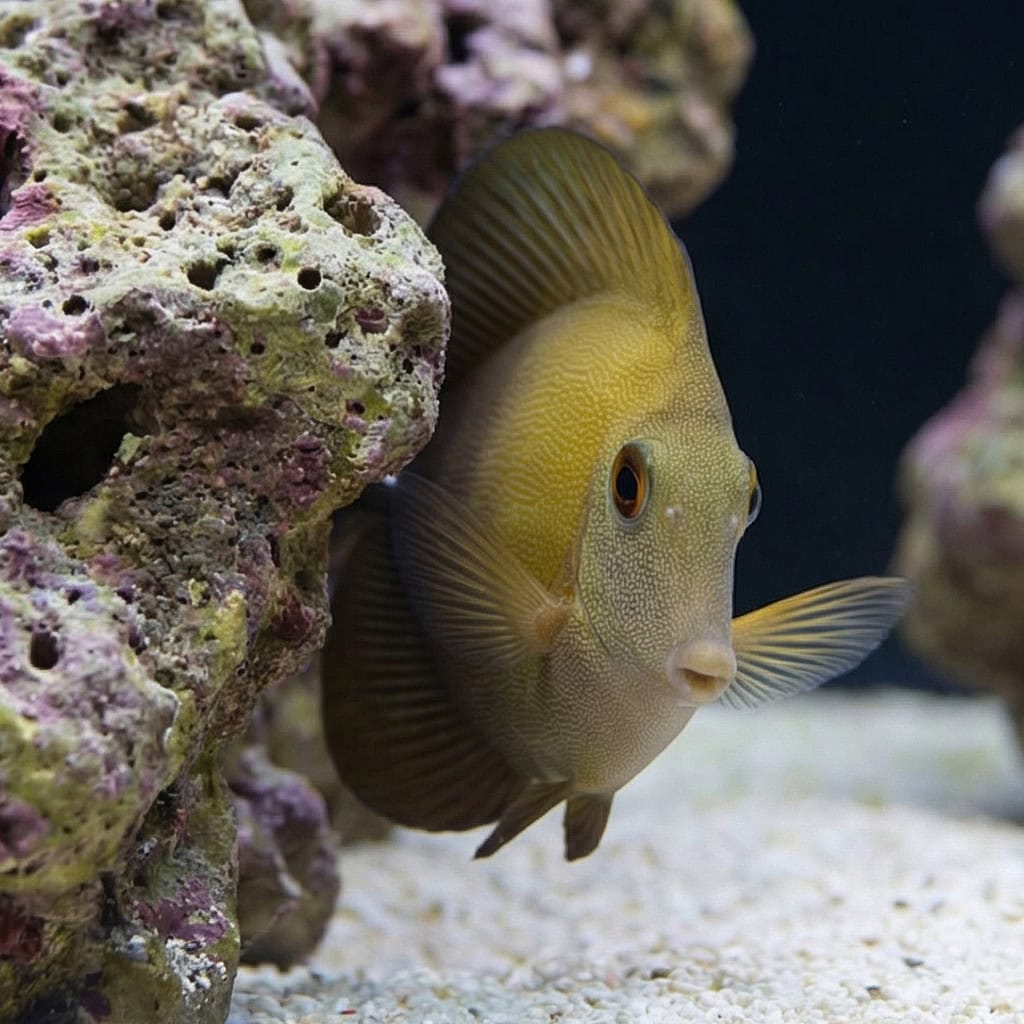
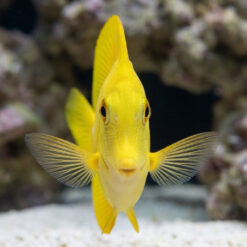
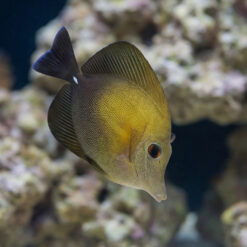
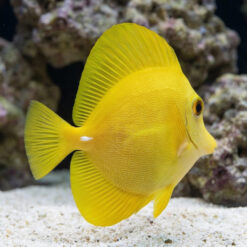
Yellow Scopas Tang
Zebrasoma scopas var.1
| Stock | Variations | Price | Quantity |
|---|
Every order ships with our standard 3-hour live arrival guarantee. Need more time? Add our 5-Day Guarantee at checkout.
Full guarantee terms →Ships Monday – Thursday for next-day arrival at your nearest FedEx Hold location — typically ready by 9 AM. We monitor every delivery.
Shipping details →
Monday – Friday 8 AM – 9 PM
Saturday 12 PM – 4 PM
Sunday 12 PM – 9 PM
Healthy, stable animals from vetted suppliers — inspected before packing, shipped overnight. Decades of experience built this model so we can deliver premium livestock at 30%+ less than you'd pay elsewhere.
| Care Level | Moderate |
|---|---|
| Temperament | Semi-Aggressive |
| Reef Safe | Yes |
| Functional Benefit | Algae Control |
| Diet Type | Herbivore |
| Mininum Tank Size | 120 gallons |
| Max Size | 12 inches |
| Temperature | 72–78°F |
| pH Range | 8.1–8.4 |
| Specific Gravity | 1.022–1.025 |
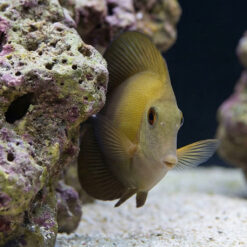
As an active algae-grazing surgeonfish, the Yellow Scopas Tang helps keep film and nuisance algae in check while adding constant motion to the display. Color can present more yellow, tan, or brown depending on the individual and lighting, often with fine, subtle striping across the body. This Zebrasoma tang is naturally found across the Indo-Pacific and spends its day cruising rockwork and open water.
What You’ll Observe:
- Repeated “patrol loops” along the rock line, with quick turns and bursts into open swimming lanes
- Frequent grazing on rock and glass throughout the day, especially after lights ramp up
- Regular visits to a seaweed clip, often taking several short bites per pass
- A preferred sleep spot where it wedges into rockwork and rests in place at night
For best results, provide open swimming room plus rockwork that creates multiple grazing paths and line-of-sight breaks. Offer algae sheets and herbivore-focused foods on a steady schedule so it can browse between feedings. In mixed-tang systems, it does best when introductions are planned so tankmates can settle in calmly and establish routines.
Why is my Yellow Scopas Tang lighter/yellower some days and darker/browner on others?
Color shifts are common in this species and can vary with lighting, stress level, and time of day; many keepers notice noticeable changes after the fish settles in.
My Scopas Tang eats frozen foods but ignores nori—what’s a good next step?
Some individuals take time to recognize sheets on a clip; offering smaller pieces, changing the clip location, or rubber-banding seaweed to a rock often helps it “connect” seaweed with grazing.
Is it normal for a new Scopas Tang to pace one corner or swim up-and-down for a few days?
This is a commonly reported “settling in” pattern right after shipping or transfer; it often fades as the fish learns the tank’s boundaries and establishes a route.
How do hobbyists reduce aggression when adding a new fish to a tank with an established tang?
A short period in an acclimation box, temporarily changing rockwork, and using a mirror as a brief distraction are frequently used to smooth introductions.
My Scopas Tang still grazes the rocks but suddenly stops taking prepared foods—should I panic?
Many keepers report this during/after tank moves or routine changes; maintaining a consistent feeding window and offering a couple of familiar formats usually gets it back into a predictable feeding rhythm.
Our selection process means you get robust, well-adjusted specimens that settle in quickly.
Only logged in customers who have purchased this product may leave a review.
Recently viewed products
Reviews
There are no reviews yet.